KitGuru KitGuru.net – Tech News | Hardware News | Hardware Reviews | IOS | Mobile | Gaming | Graphics Cards


Last week ended with a major new PC release in Spider-Man Remastered. Originally a PlayStation exclusive, Spider-Man has now arrived on PC, complete with all of the features you expect from a PC game. Nvidia released a set of day-one drivers for the game, and AMD also rolled out a new optimised driver.
On Friday, AMD released AMD Software: Adrenalin Edition 22.8.1. This new driver allows you to enable Radeon Boost in Halo Infinite, which combines dynamic resolution with variable rate shading to enhance performance while minimising impact on image quality.
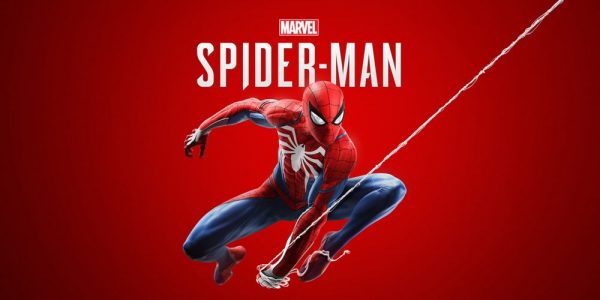
This driver also adds optimisations for Marvel's Spider-Man Remastered, as well as Thymesia, both of which came to PC last week. The new update also fixes a few lingering issues, including freezes and crashes in titles like Project Zomboid and Stormworks: Build and Rescue. Flickering issues with Mixed Reality headsets with the RX 6800XT should also be fixed.
You can see the full patch notes and download the latest Radeon graphics drivers, HERE.
Discuss on our Facebook page, HERE.
KitGuru Says: Have many of you had the chance to try Spider-Man on PC yet? What do you think of the game so far?