KitGuru KitGuru.net – Tech News | Hardware News | Hardware Reviews | IOS | Mobile | Gaming | Graphics Cards


Tripwire Interactive is an indie studio known best for their work on the Killing Floor franchise. That said, in 2020 the team released a unique action-RPG where you play as a shark trying to get revenge on a fisherman who killed her family – Maneater. This unique concept seems to have resonated with players, as the game has sold a whopping 14 million copies.
Making the announcement via a press release, the team at Tripwire Interactive discussed their recent internal switch-up, appointing a new CEO and reassigning the previous CEO – Alan Wilson – to vice president.
As part of this press release, the developer/publisher revealed that their most recent release – 2020’s Maneater – has sold over 14 million copies, saying “The studio’s last internal project, Maneater, broke new ground in the popular action RPG genre and tasked players with taking on the role of a deadly shark with the uncanny ability to evolve as it feeds. Since its release in 2020 Maneater has sold over 14 million units worldwide across all platforms.”
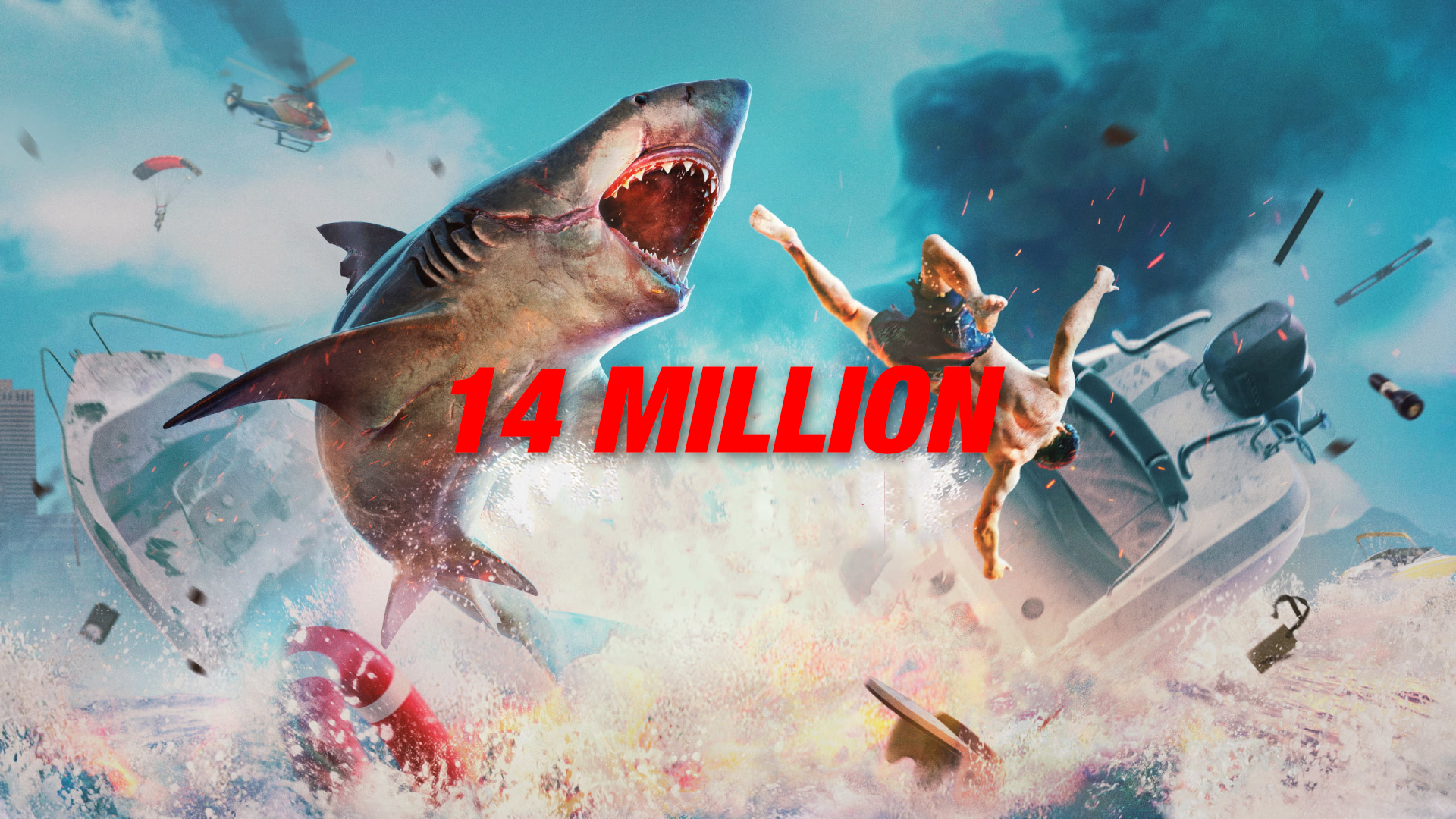
This sales figure is doubly impressive when considering the fact that Maneater was made available on PlayStation Plus as well as Xbox Game Pass – meaning the total number of actual players is likely even higher.
With the surprising success of games such as Maneater and Palworld, it seems as though one recipe to virality in the games industry is to create something unique and weird. It will be interesting to see how Killing Floor 3 compares.
Discuss on our Facebook page HERE.
KitGuru says: Have you played Maneater? What do you think of it? Why do you think games like Palword and Maneater have succeeded in the way they did? Let us know down below.