KitGuru KitGuru.net – Tech News | Hardware News | Hardware Reviews | IOS | Mobile | Gaming | Graphics Cards


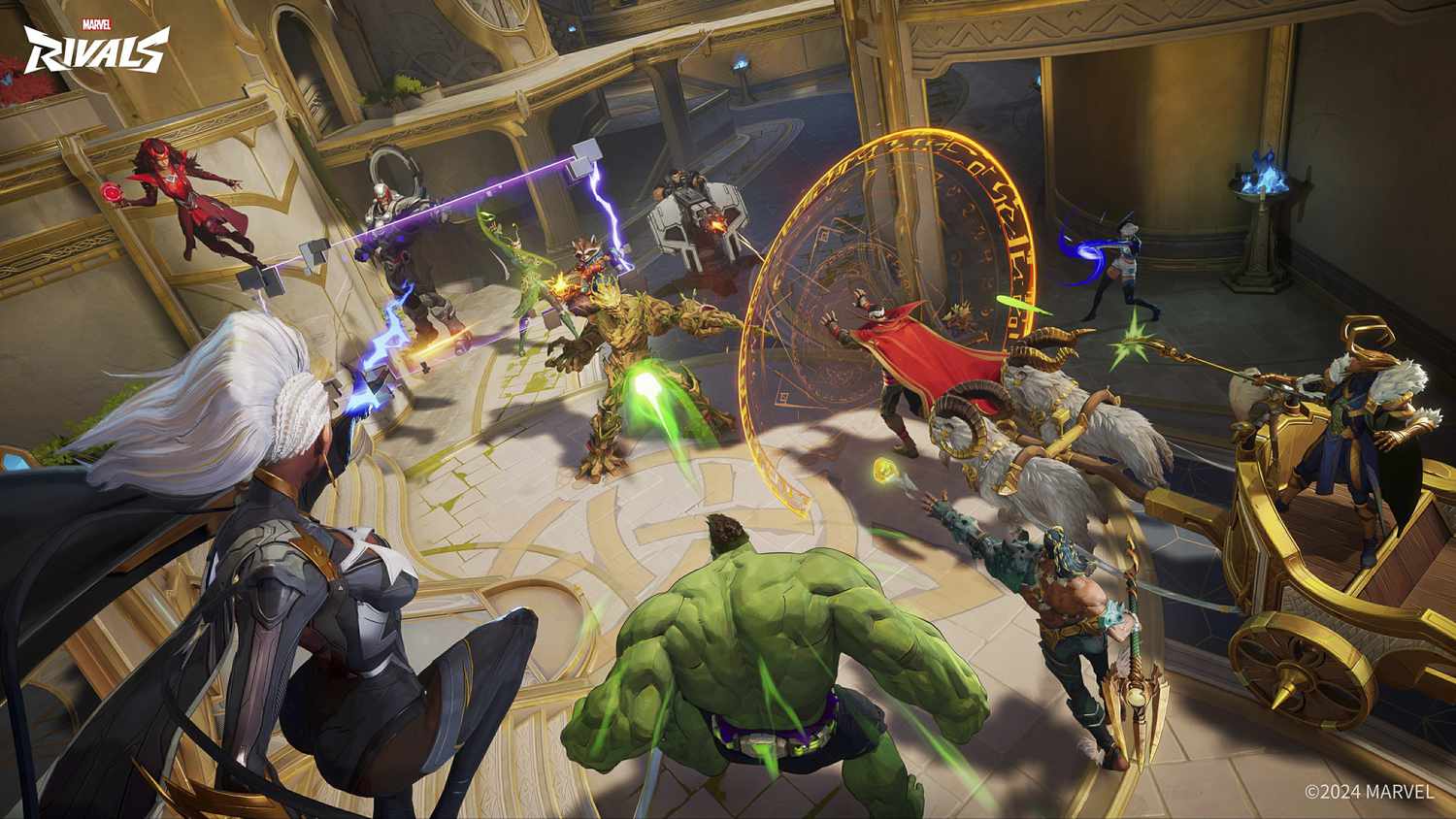
We were all shocked to see the director behind Marvel Rivals let go by NetEase weeks after the game's incredibly successful launch. Now, it turns out that the game was almost cancelled, as NetEase bosses were unhappy with the idea of paying licensing fees to use the Marvel characters.
According to sources speaking with Bloomberg, NetEase CEO, William Ding, was against the idea of paying Disney a cut of the game's revenue. In an effort to avoid doing so, he had a team or artists swap in original hero designs to the game, with the idea of pivoting Marvel Rivals into a wholly original IP. That effort ended up costing the company millions of dollars and ultimately led to nothing.
Naturally, this kind of news could sour the relationship between Disney/Marvel and NetEase, so it should come as no surprise that a spokesperson for the company told Bloomberg that it has “enjoyed a close partnership with Marvel since 2017” and denied that the game was being considered for cancellation.
Ultimately, Marvel Rivals did release and by all accounts, has been a huge success, accruing around 40 million players since launch in December. Currently, it is one of the most popular multiplayer games on Steam, regularly appearing in the top ten most-played titles.
Discuss on our Facebook page, HERE.
KitGuru Says: Given the post-launch success of Marvel Rivals, hearing that the game was almost canned is almost unbelievable to me. There is no doubt in my mind that the game would have turned out like Concord had it pivoted to ‘original hero' characters, rather than utilising the brand power of the Marvel IP.