 KitGuru KitGuru.net – Tech News | Hardware News | Hardware Reviews | IOS | Mobile | Gaming | Graphics Cards


Dell this week announced two new eco-friendly initiatives that should significantly reduce the impact that manufacturing of personal computers have on the environment. Next month Dell will offer a line of all-in-one PCs made entirely of plastics obtained from recycled electronics. In addition, Dell will use the so-called carbon-negative packaging made of AirCarbon material by Newlight Technologies.
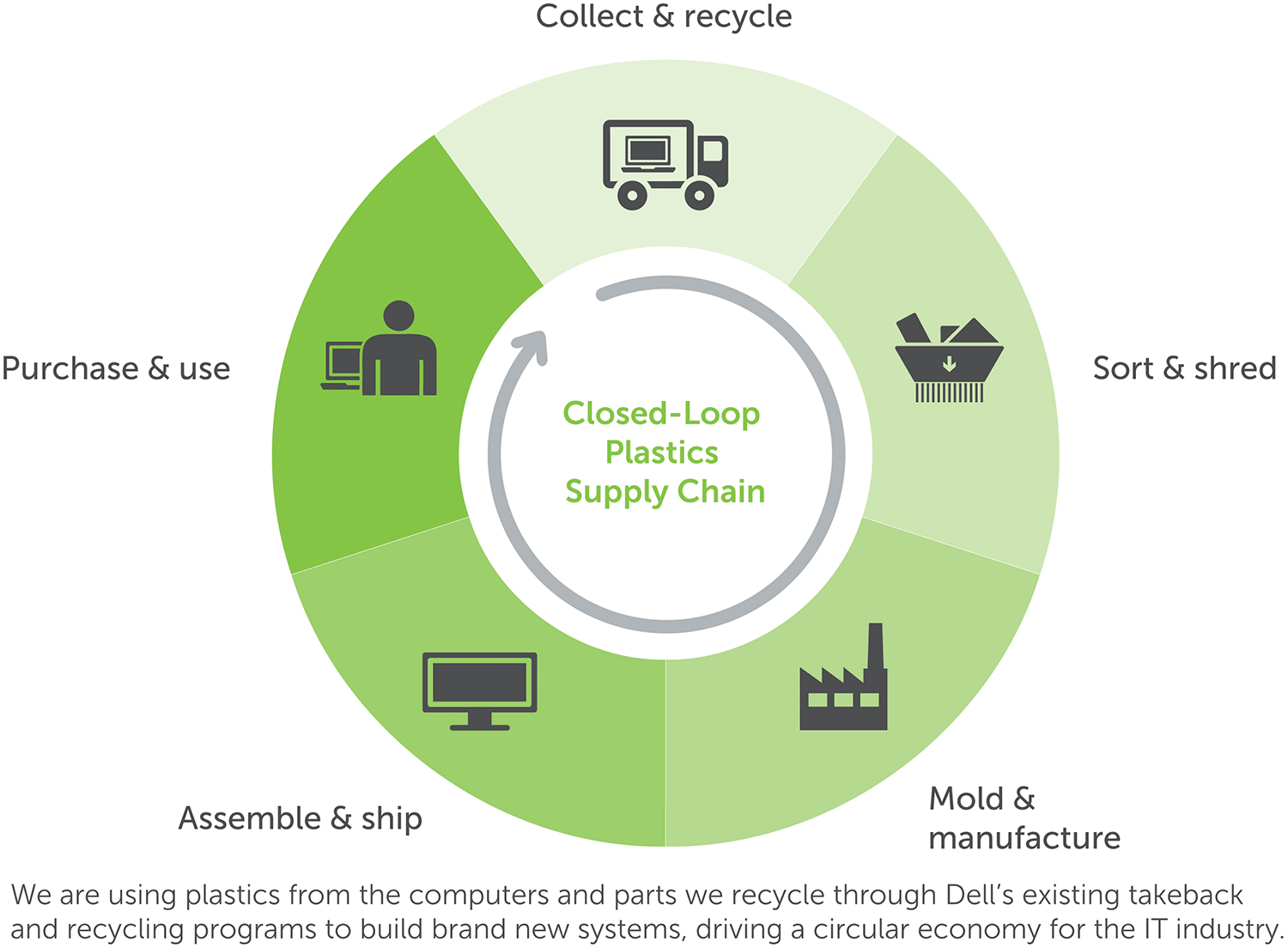
Dell and Wistron GreenTech (a manufacturing partner of Dell) have developed a new closed-loop supply chain that will turn plastics from recycled electronics back into new systems. By reprocessing plastics already in circulation, Dell is reducing e-waste, saving resources and decreasing carbon emissions by 11 per cent compared with brand-new plastics. In addition, the company also saves some costs associated with the purchase of plastics/ingredients. One of the world’s largest PC makers plans to use this closed-loop approach as a blueprint for reusing metals and other materials.
Dell already provides free consumer recycling in 78 countries, so as the program expands, it will be able to collect its old systems and build new PCs.
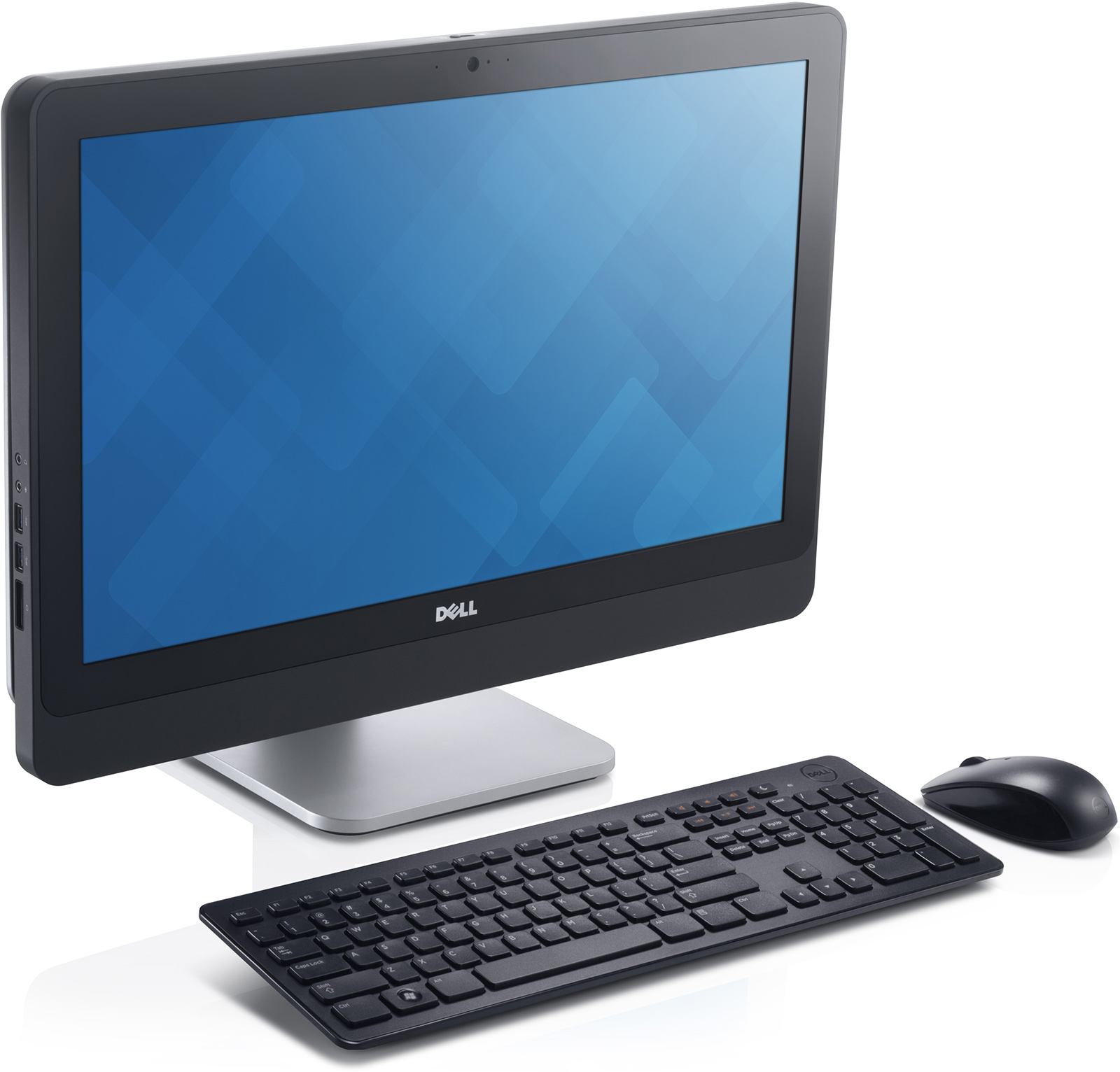
The first system to feature a significant amount of recycled plastics in its construction will be the Dell OptiPlex 3030 All-in-One desktop, which will be commercially available in June.
Dell has already secured a third-party certification from UL Environment for manufacturing with closed-loop recycled plastics. This first UL Environment certification of its kind verifies that Dell has exceeded the standard of a minimum of 10 per cent of closed-loop post-consumer recycled plastics in the chassis enclosure of all Dell OptiPlex 3030 All-in-Ones.
“Dell and Wistron’s incorporation of closed loop post-consumer recycled plastics in the OptiPlex AIO line of computers is a significant step towards industry leadership in reducing e-waste,” said Lisa Meier, vice president and general manager of UL Environment.
Separately, Dell announced it would use new packaging based on carbon-negative AirCarbon material from bio-tech start-up, Newlight Technologies. The AirCarbon is a plastic material made from air and greenhouse gases that would otherwise become part of the air, according to Dell and Newlight. This process sequesters more carbon than it produces, pulling carbon from the air and generating a net positive impact on the environment.
The AirCarbon-based wrapping will launch this fall beginning with the packaging sleeves around new Dell Latitude series notebooks. Dell is testing AirCarbon packaging in the U.S., and plans to extend it globally for use in both packaging and products.
Discuss on our Facebook page, HERE.
KitGuru Says: Dell’s initiative to use more recycled and environmentally friendly components certainly deserves a praise. But will PCs made of recycled plastics be stylish and rugged enough?

Dell is now recycling plastics properly, surely this should mean lower prices of their products… Ha! probably not.