KitGuru KitGuru.net – Tech News | Hardware News | Hardware Reviews | IOS | Mobile | Gaming | Graphics Cards


Gearbox missed the mark back in 2016 with Battleborn. While the game presented an interesting mix of MOBA mechanics in both single-player and multiplayer form, it released too closely to Overwatch and ultimately failed to garner much of a playerbase. In 2017, Gearbox announced that it would no longer be updating the game in order to ramp up production on Borderlands 3. Now, the game is shutting down for good.
In a series of tweets, the Battleborn Twitter account confirmed that “the process of gradually sunsetting” the game has begun. Starting from the 24th of February 2020, virtual currency will no longer be purchasable in-game, although you will still be able to play the game, which throws coins and platinum at you for matches anyway.
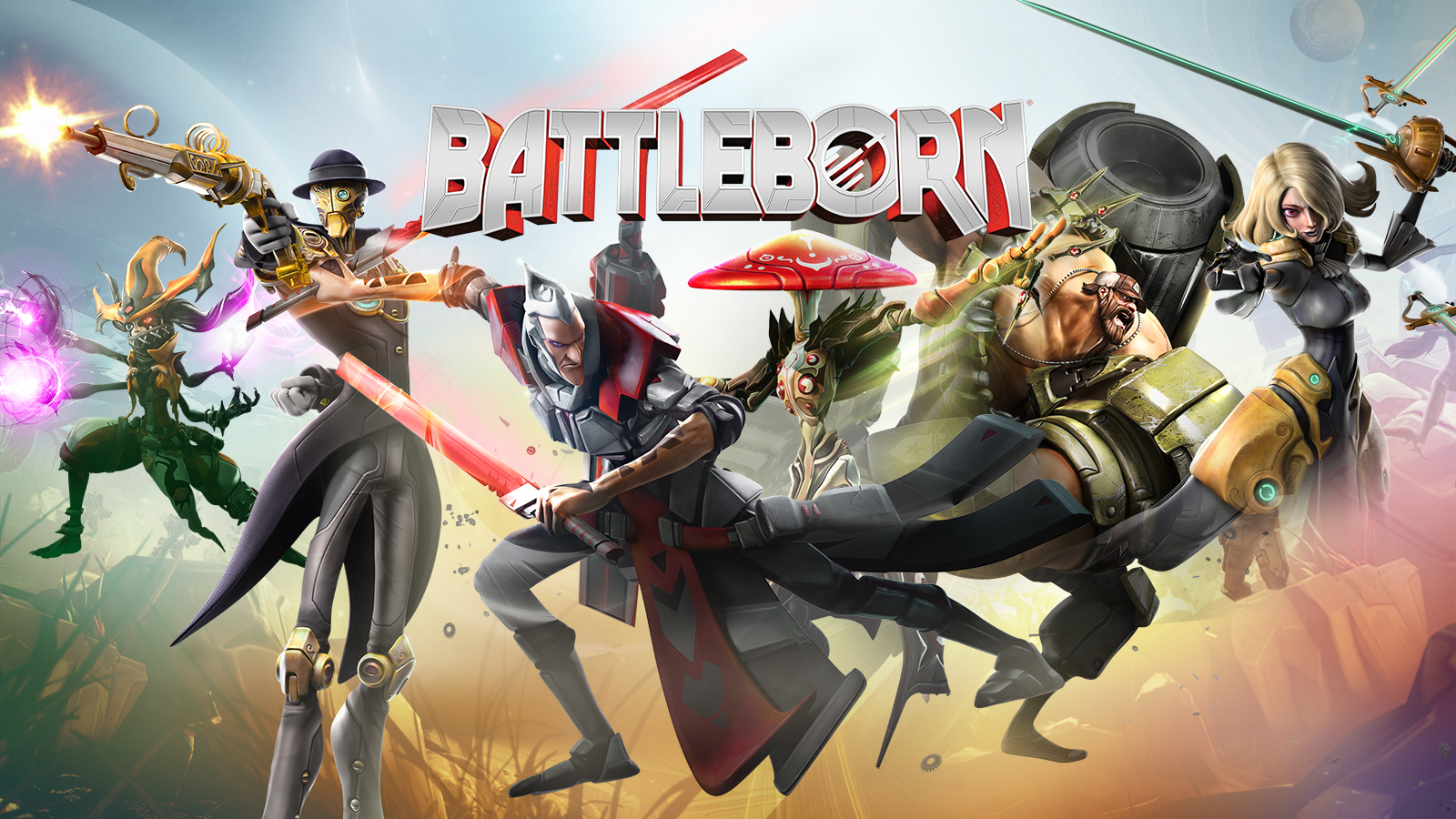
Phase Two begins in January 2021, which is when the servers will be taken offline for good, making the game unplayable. Unfortunately, this also means the single-player part of the game won't be playable either- well, not officially at least.
Obviously, none of this is particularly surprising. Battleborn has only really made headlines twice since 2016, once when the game essentially went free to play and again right now to mark the game's closure. According to Steam Charts, the game peaked at a grand total of 99 concurrent players in 2019, while the current 24-hour peak is just 17. The all-time peak for Battleborn was just over 12,000 concurrent players.
Discuss on our Facebook page, HERE.
KitGuru Says: Battleborn is officially being phased out and we're unlikely to hear Gearbox mention it again, particularly now that Borderlands is back in the spotlight. Did any of you ever try Battleborn?