KitGuru KitGuru.net – Tech News | Hardware News | Hardware Reviews | IOS | Mobile | Gaming | Graphics Cards


Today, Phanteks is launching its very first line of all-in-one CPU liquid coolers. The Glacier One series includes the 240MP, 240MPH, 280MP and 360MP, all developed in collaboration with Asetek to ensure powerful cooling and quiet operation.
According to Phanteks, the Glacier One is optimised to offer the best noise-performance ratio on the market thanks to new silent Phanteks MP fans. These fans have a higher maximum RPM of 2,200 and are designed with radiators and heatsinks in mind.
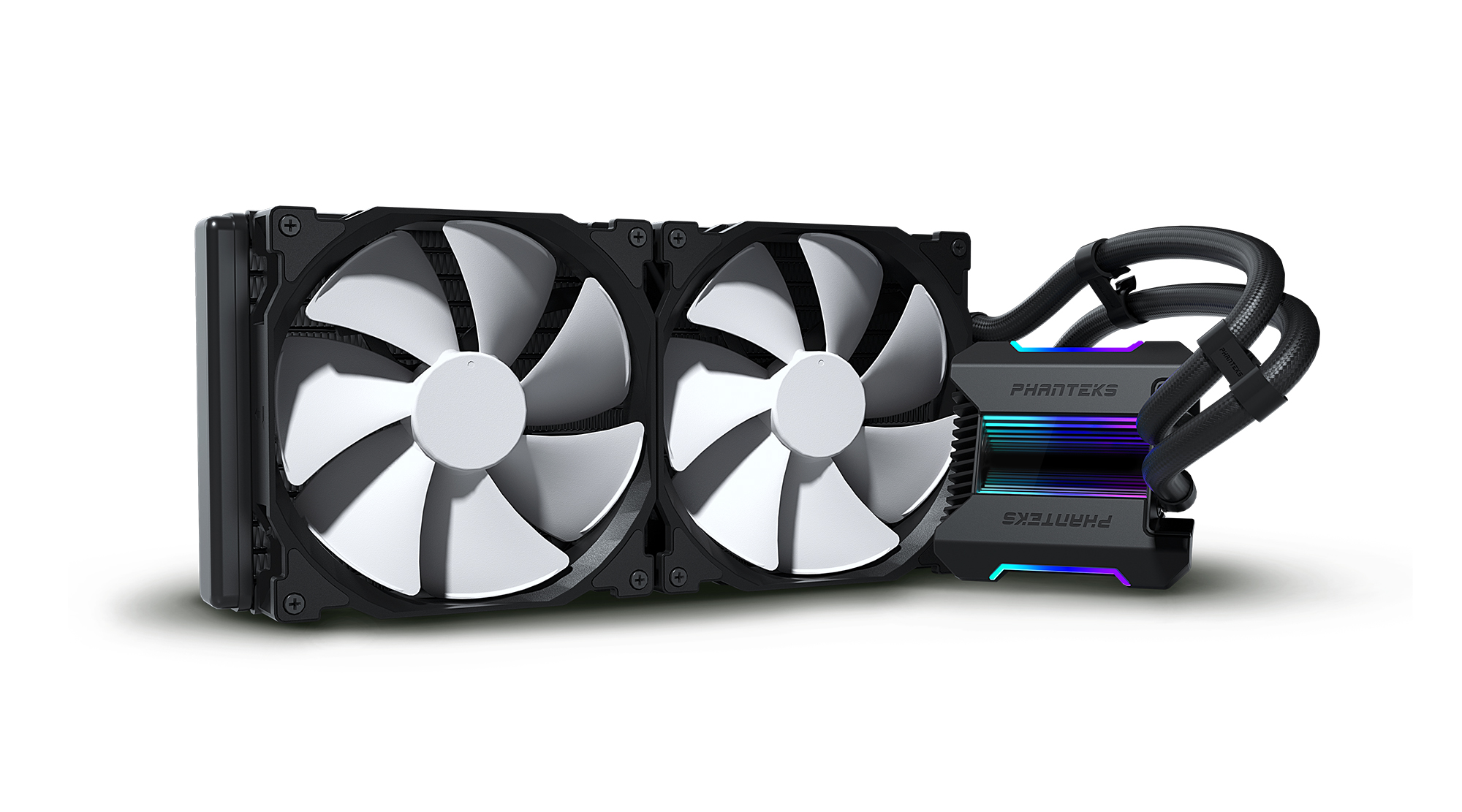
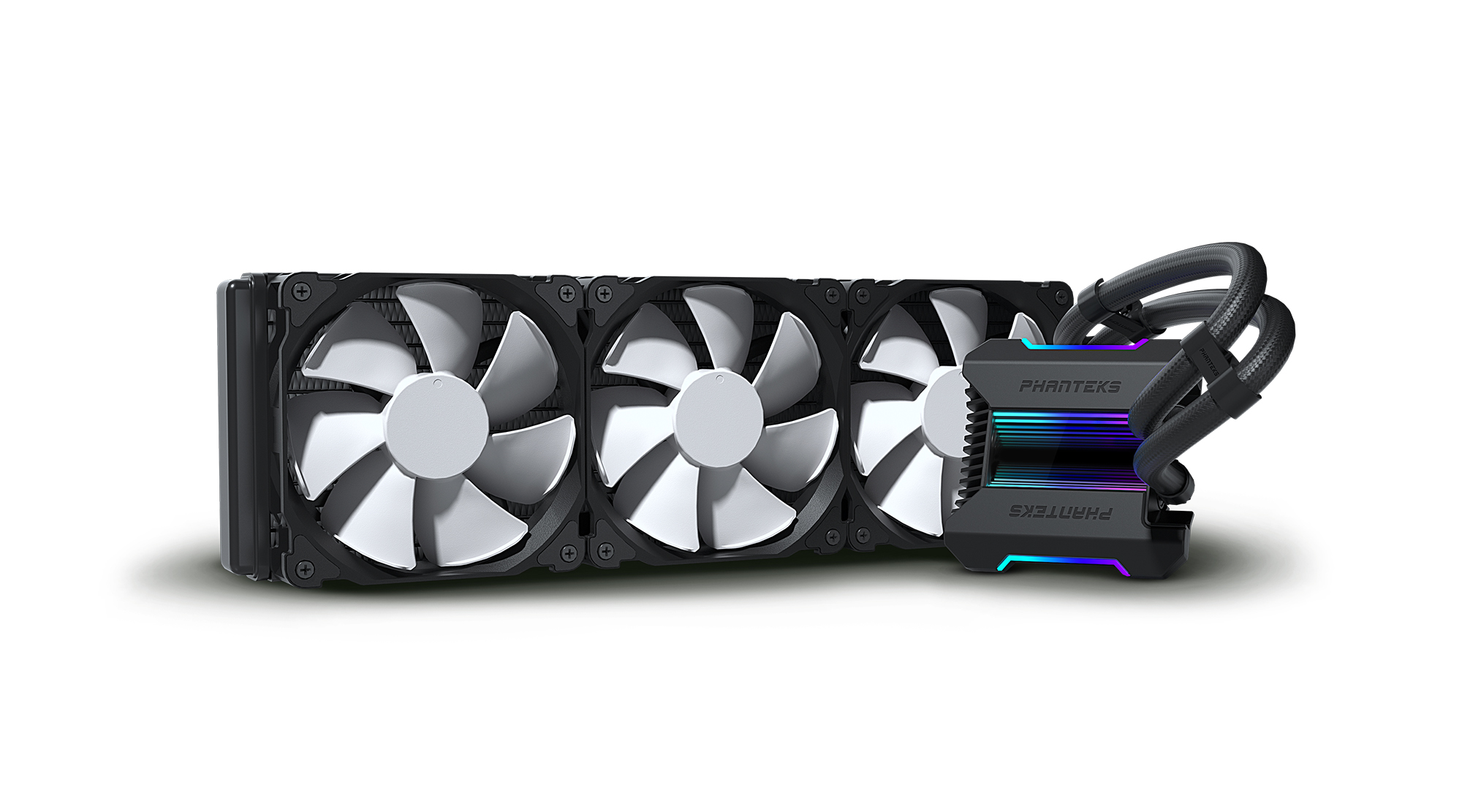

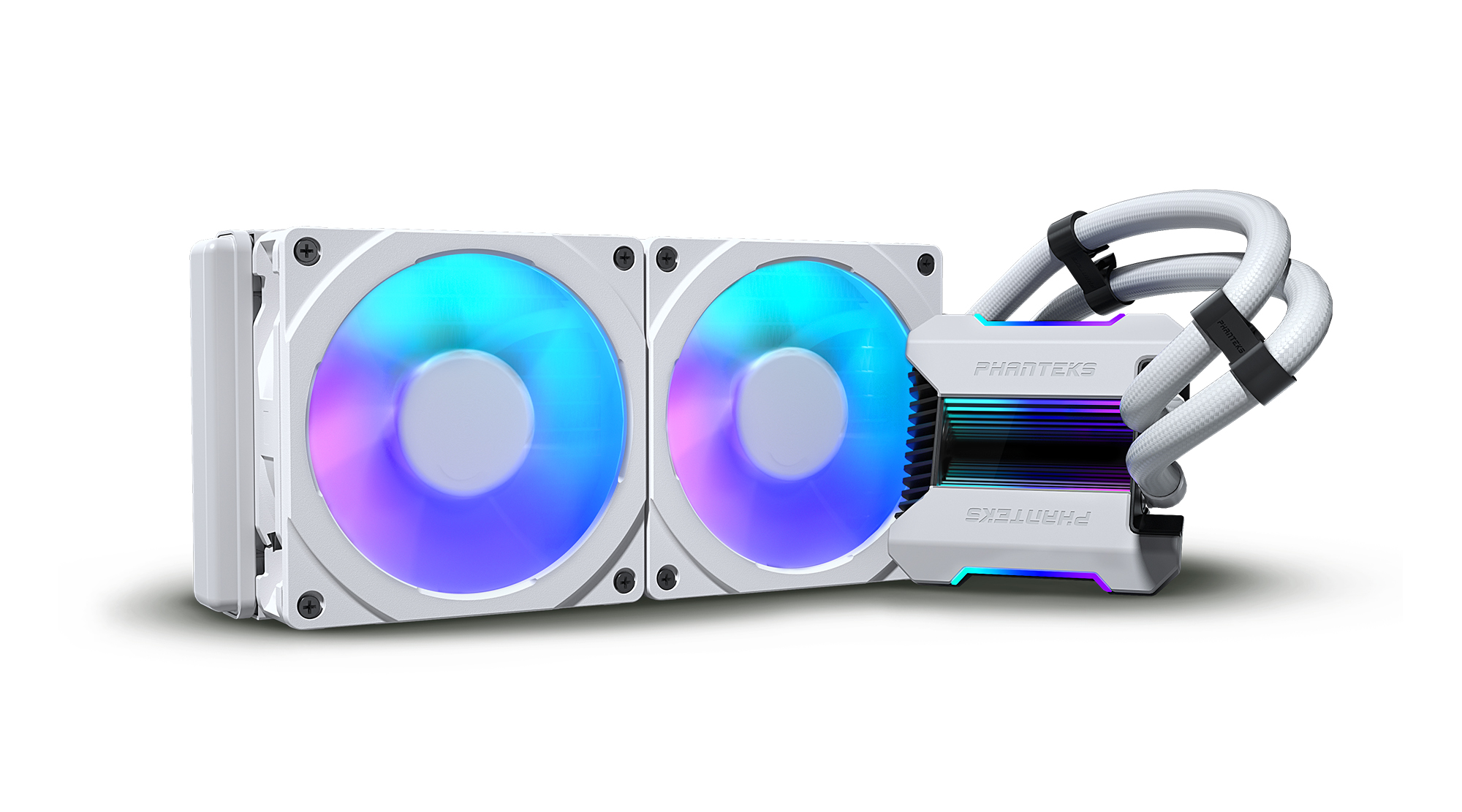
The Glacier One coolers feature a tempered glass infinity mirror pump cap with smooth D-RGB lighting integration. There is also a white edition, the 240MPH, which comes with additional white HALO D-RGB fan frames to light up the MP fans.
The full cover pump cap has a low-profile design that can be mounted magnetically to the pump module to cover all mounting parts, which creates a clean and integrated appearance with the motherboard.
Here is the pricing for each Glacier One AIO cooler:
- Glacier One 240 MP – Black – $124.99 / €124.90 / £114.99
- Glacier One 240 MPH – White – $149.99 / €149.90 / £134.99
- Glacier One 280 MP – Black – $139.99 / €139.90 / £129.99
- Glacier One 360 MP – Black – $169.99 / €169.90 / £154.99
The Phanteks Glacier One series is available starting this month. Here in the UK, they can be found available for purchase at Overclockers UK.
KitGuru Says: What do you all think of the Phanteks Glacier One AIO lineup? Are many of you looking to upgrade your CPU cooler soon? Will you be considering one of these?