KitGuru KitGuru.net – Tech News | Hardware News | Hardware Reviews | IOS | Mobile | Gaming | Graphics Cards


Backwards Compatibility has been a huge initiative for Xbox over the last six years. With the advent of cloud gaming, that won't be changing, as backwards compatible titles are starting to be supported via xCloud streaming.
The announcement was made yesterday over on Xbox Wire, confirming that Xbox Game Pass Ultimate members can now start streaming 16 original Xbox and Xbox 360 games. This is just the first wave of backwards compatible titles on xCloud for testing purposes, with more of the Game Pass backwards compatible library set to get streaming support in the future.
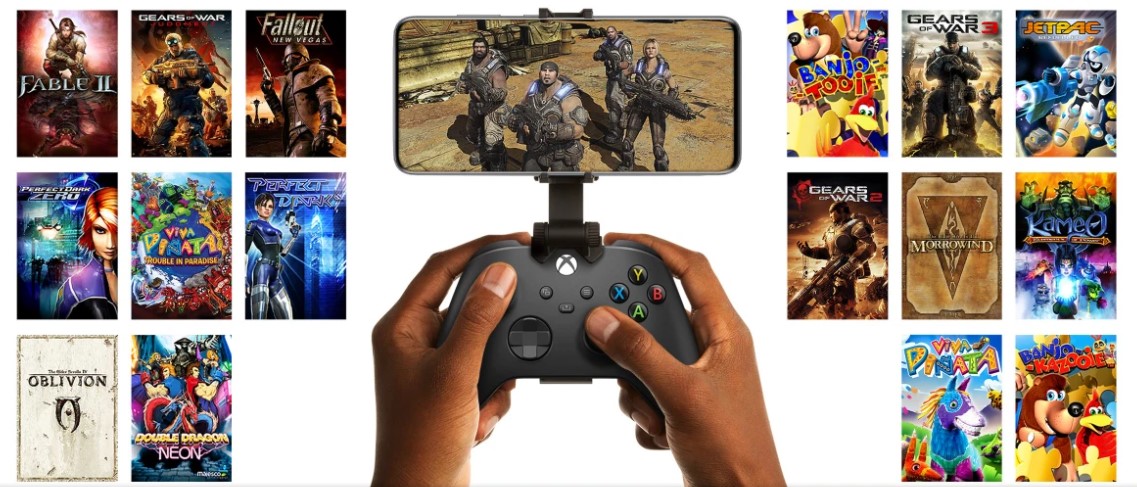
Here are all the backwards compatible games currently playable with Xbox Cloud Gaming:
- Banjo-Kazooie
- Banjo-Tooie
- Double Dragon Neon
- Fable II
- Fallout: New Vegas
- Gears of War 2
- Gears of War 3
- Gears of War: Judgment
- Jetpac Refuelled (touch controls enabled)
- Kameo
- Perfect Dark
- Perfect Dark Zero
- The Elder Scrolls III: Morrowind
- The Elder Scrolls IV: Oblivion
- Viva Piñata (touch controls enabled)
- Viva Piñata: TIP (touch controls enabled)
Xbox Cloud Gaming is currently still in beta and is only available on Android devices. However, a PC streaming client and a web version for iOS are also on the way – there has also been talk of a dedicated Xbox Cloud Gaming app for smart TVs.
Discuss on our Facebook page, HERE.
KitGuru Says: Xbox Game Pass continues to evolve with streaming just being one component. Are there any backwards compatible games you would like to see added to the library?