KitGuru KitGuru.net – Tech News | Hardware News | Hardware Reviews | IOS | Mobile | Gaming | Graphics Cards


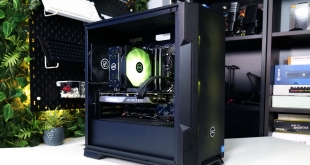
The Quantum Pro S prebuilt gaming desktop from PCSpecialist is one of their first systems to feature the new Nvidia GeForce RTX 4070 Super graphics card. The machine pairs this new graphics hardware with an Intel Core i5-13500 CPU and 16GB of Corsair Vengeance DDR5 memory. With a price tag of £1399, can this fresh desktop PC deliver solid gaming performance and value for money?
Timestamps
00:00 Start
00:31 The PC specs featuring 4070 Super
03:57 Build and cable management
04:14 Initial tests
04:57 Digging in the BIOS – changing settings
06:02 Checking with PCSpecialist and our thoughts
06:45 Test results
09:03 Gaming benchmarks
13:41 Average results at 1440p and 4k
14:31 Esports / content creation
15:00 Apex Legends
16:33 Counter Strike 2
17:28 Warzone
19:30 Mats thoughts on the system capabilities
20:08 Thermals, noise and power
22:52 Worth buying
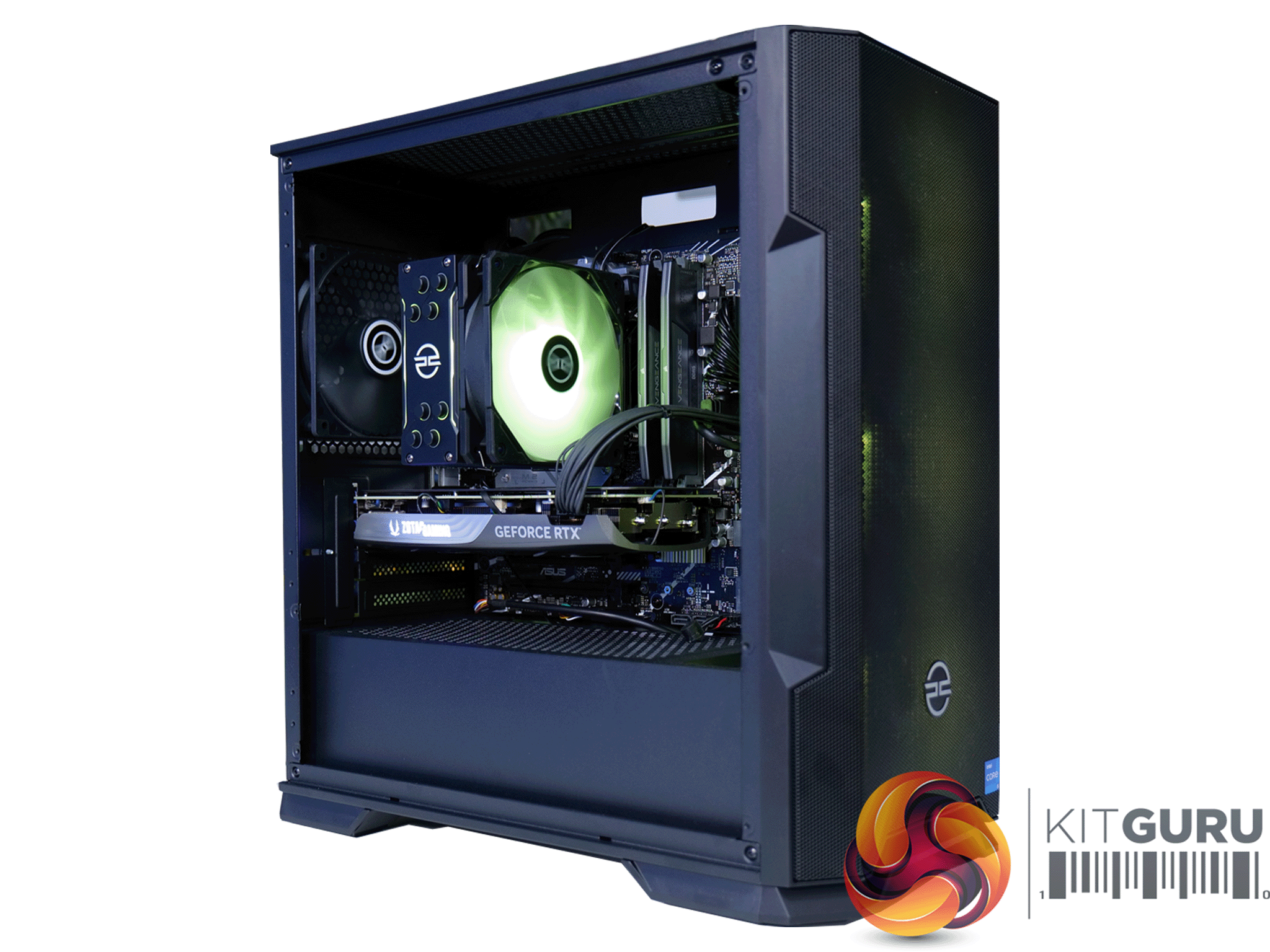
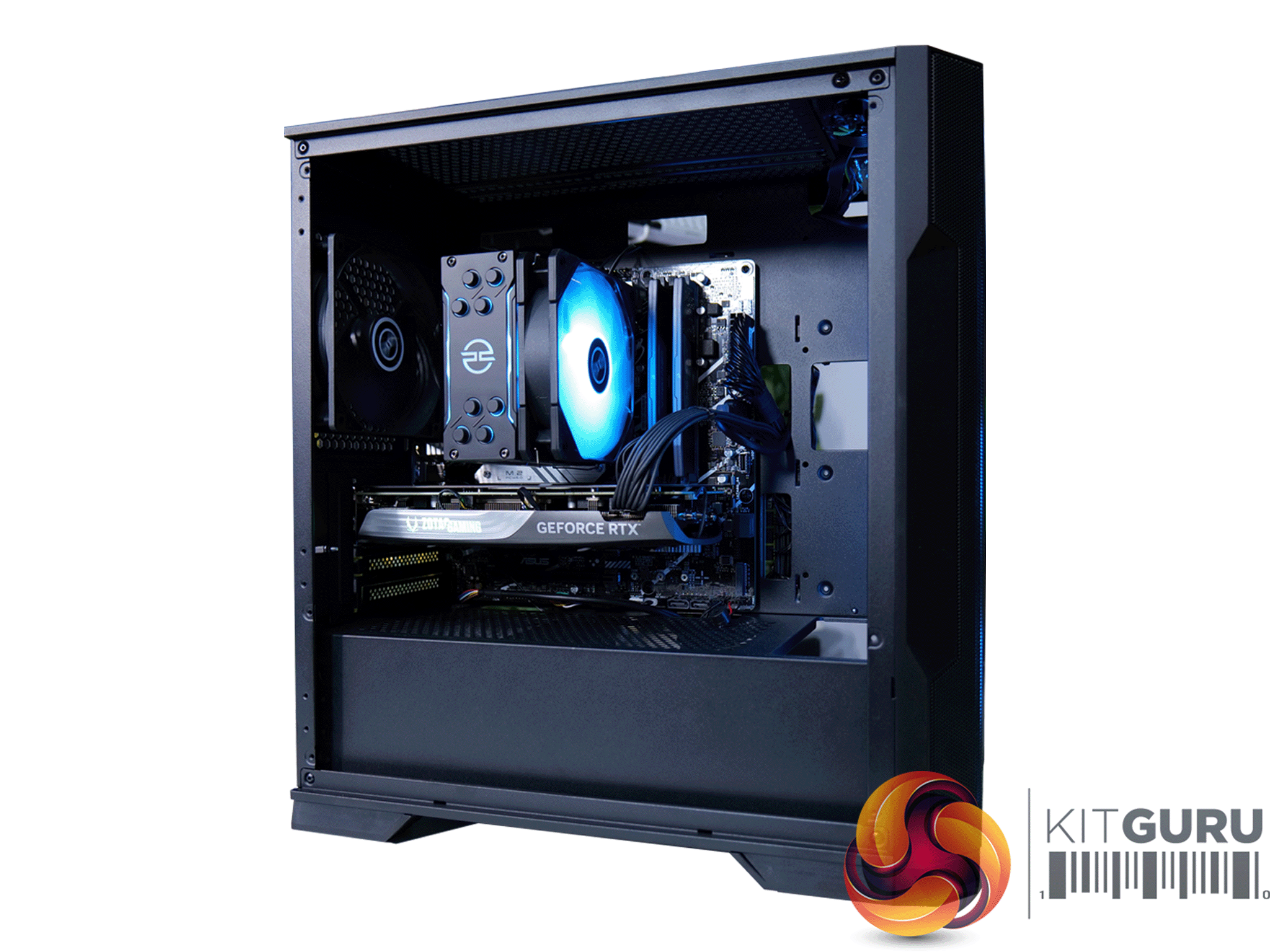
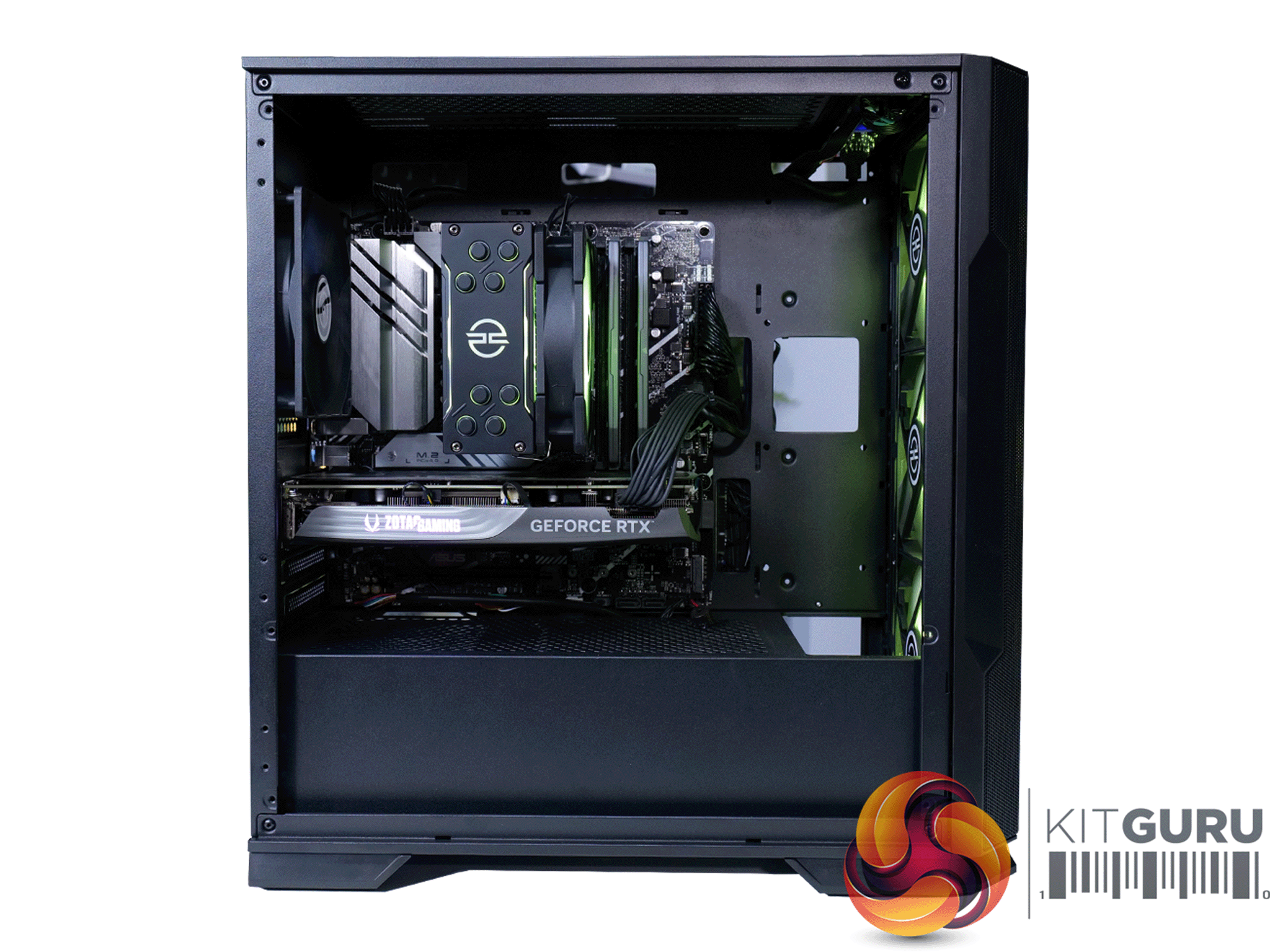
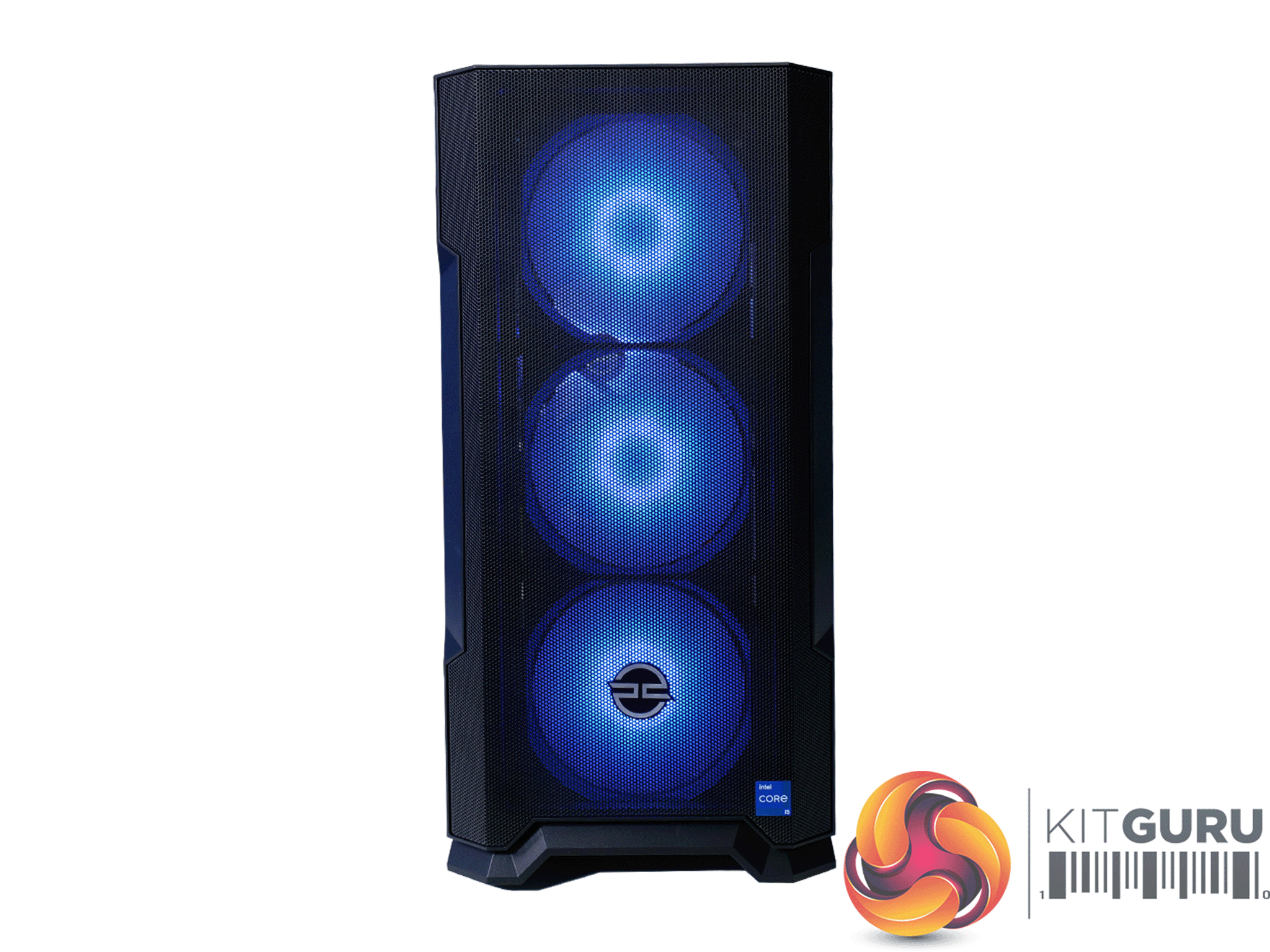
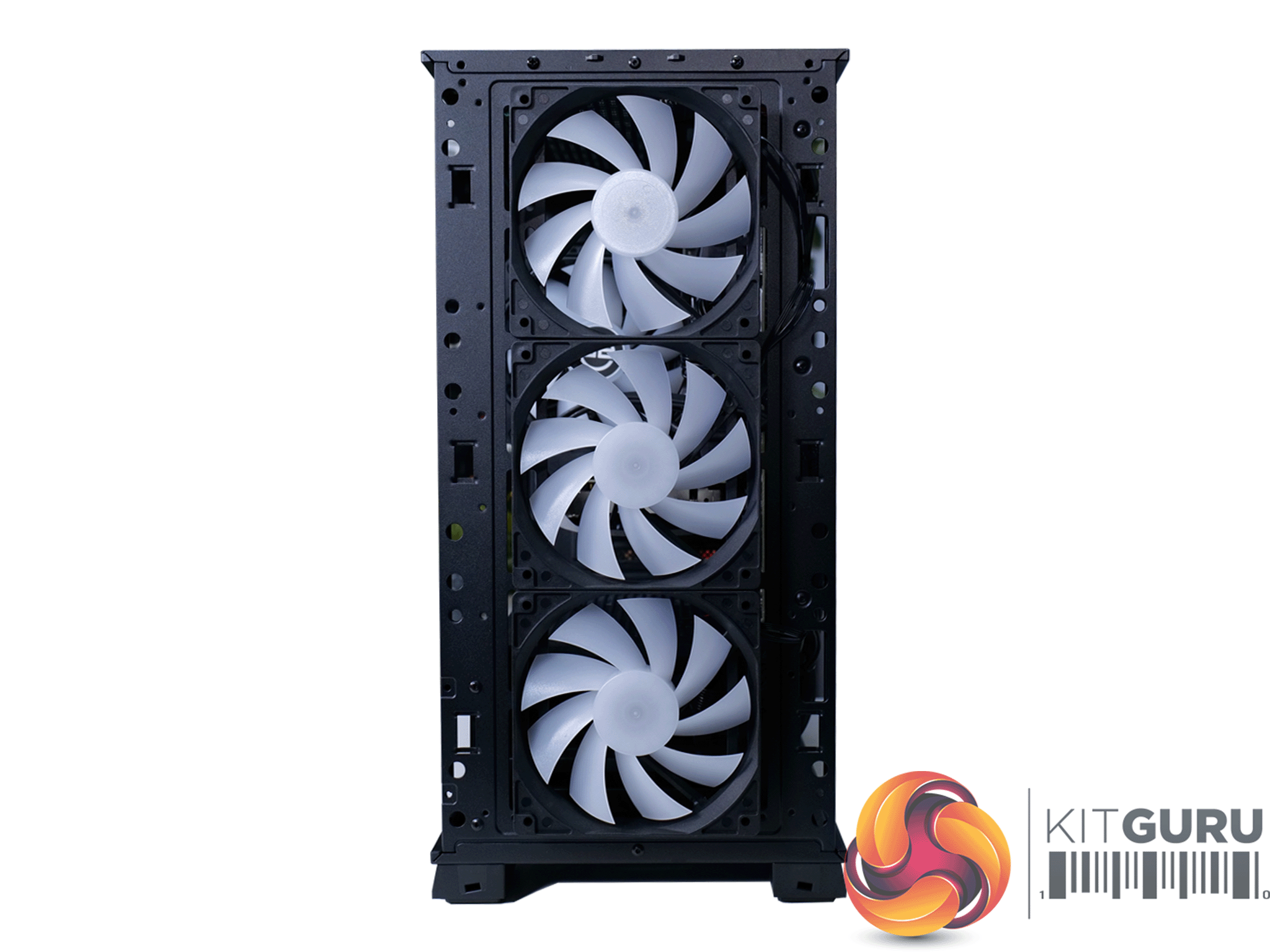
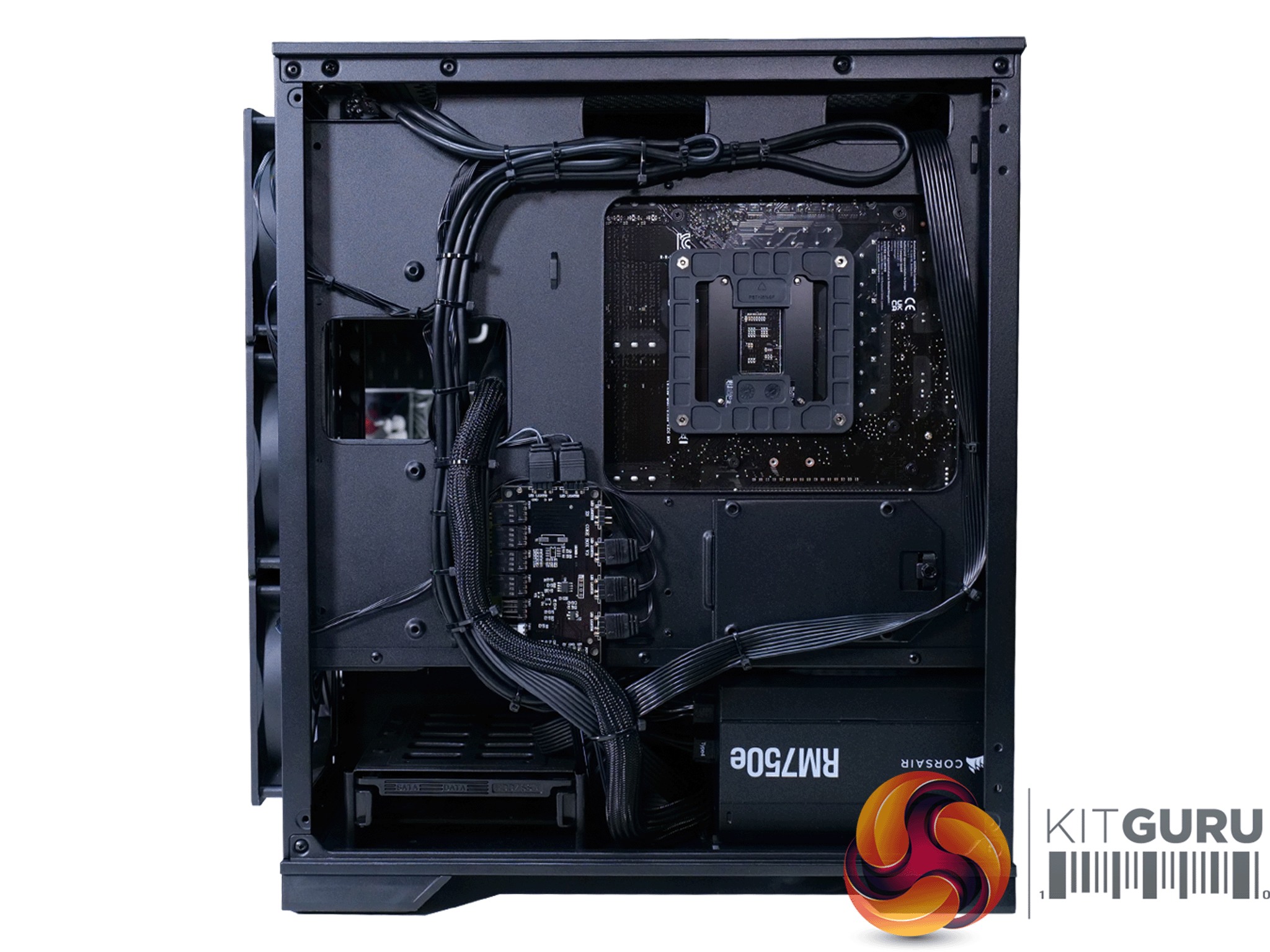
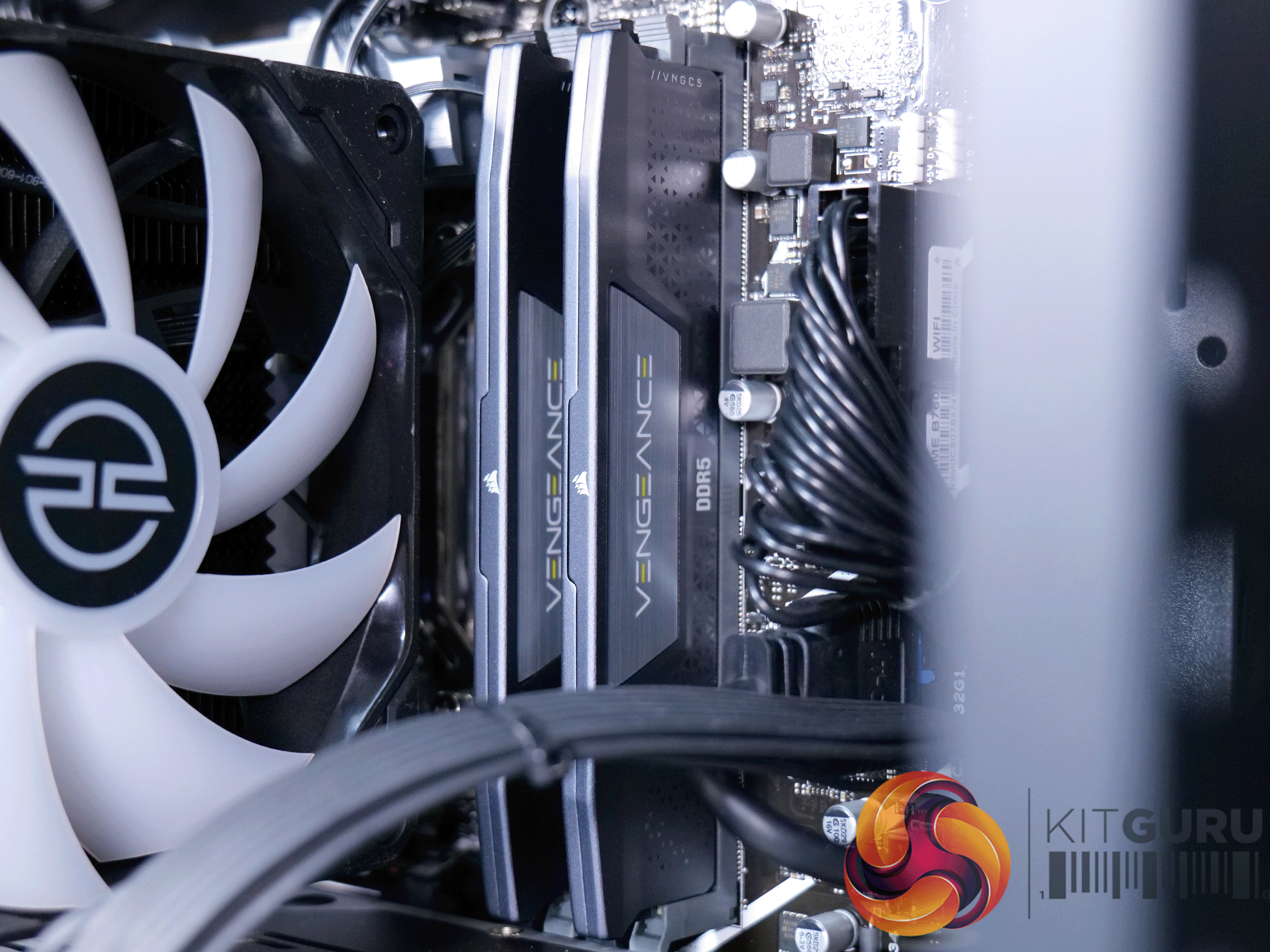
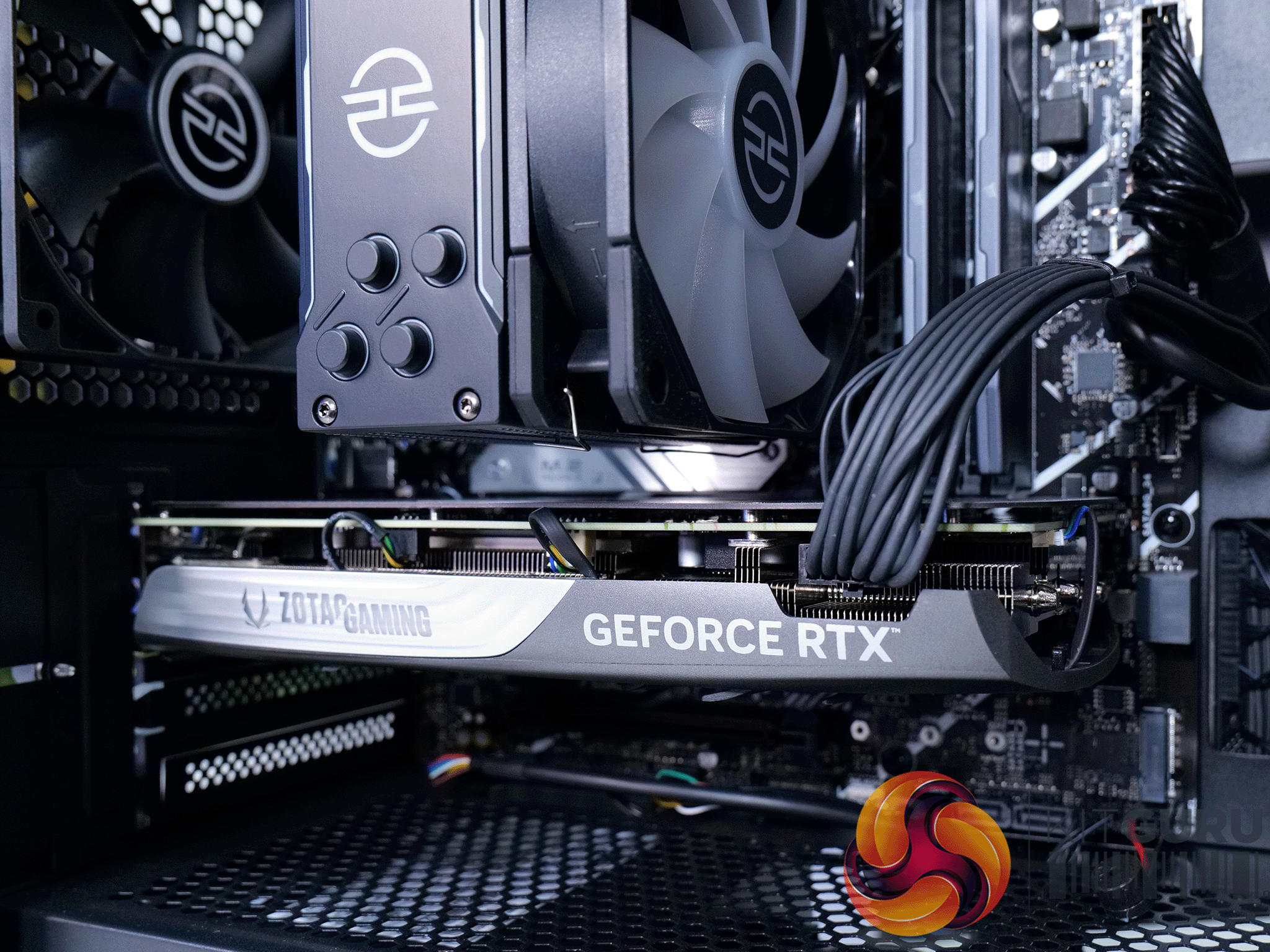
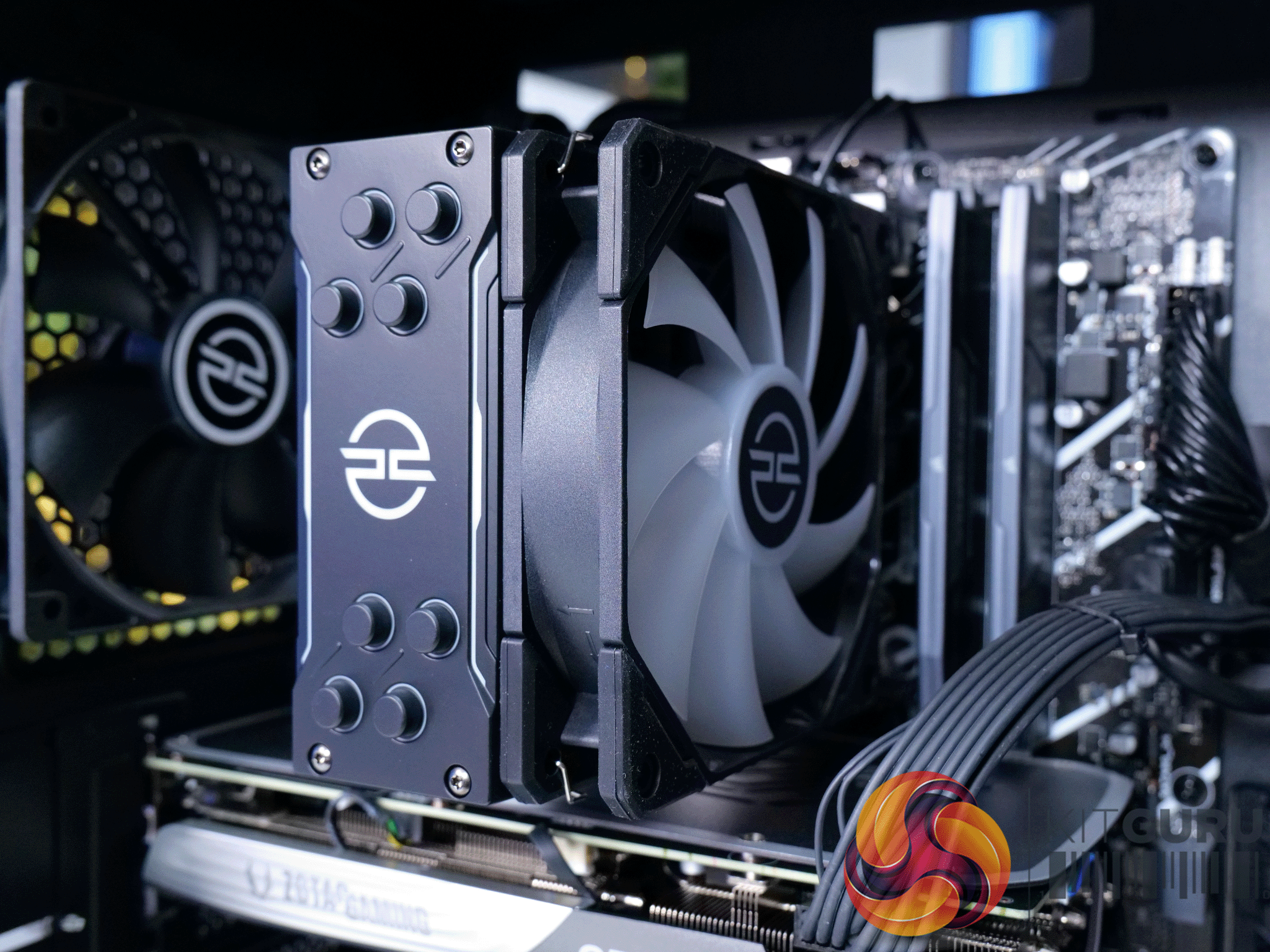
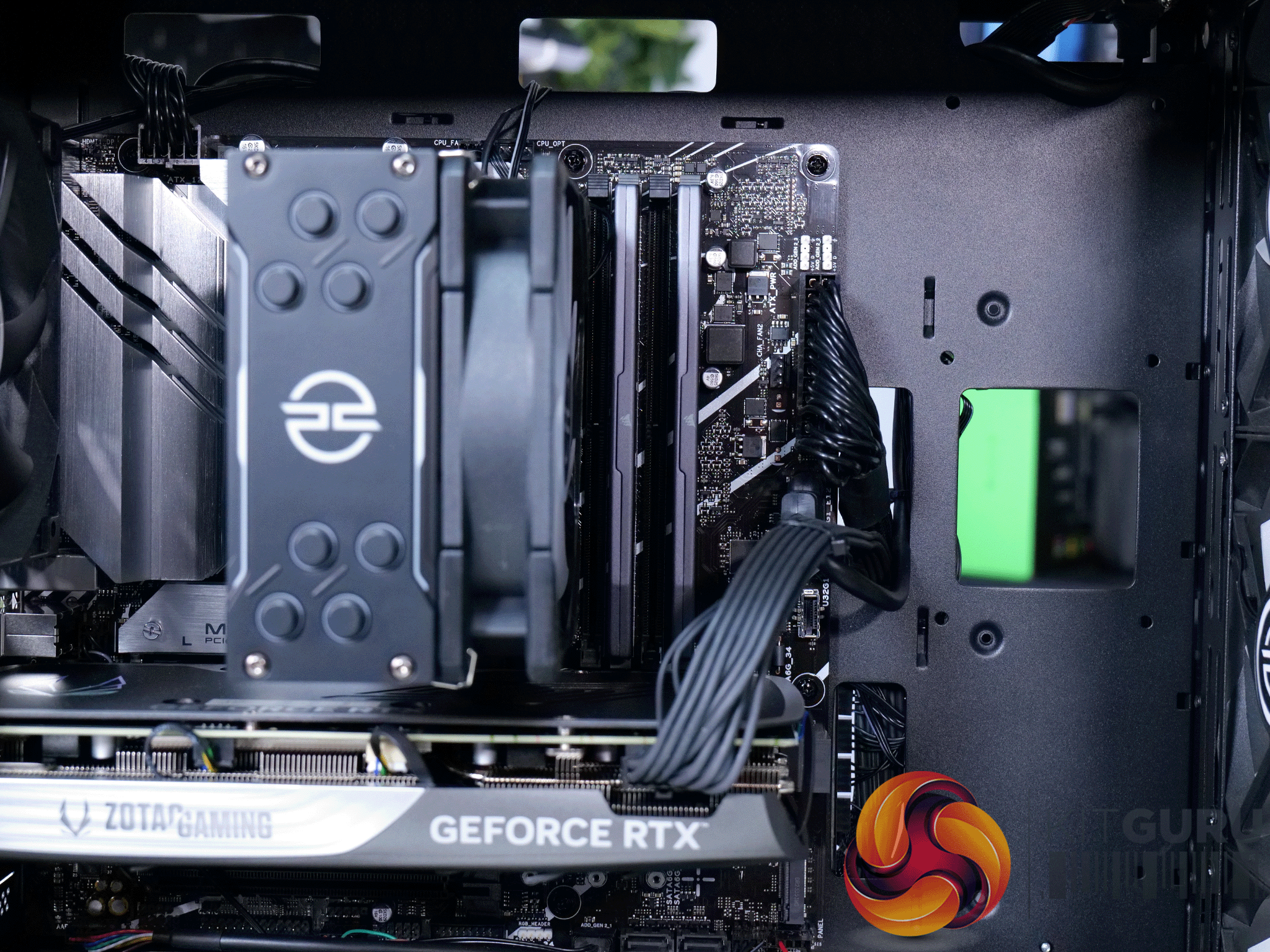
Specification
- Case – PCS SPECTRUM II COMPACT ARGB MID TOWER CASE (PWM) mATX
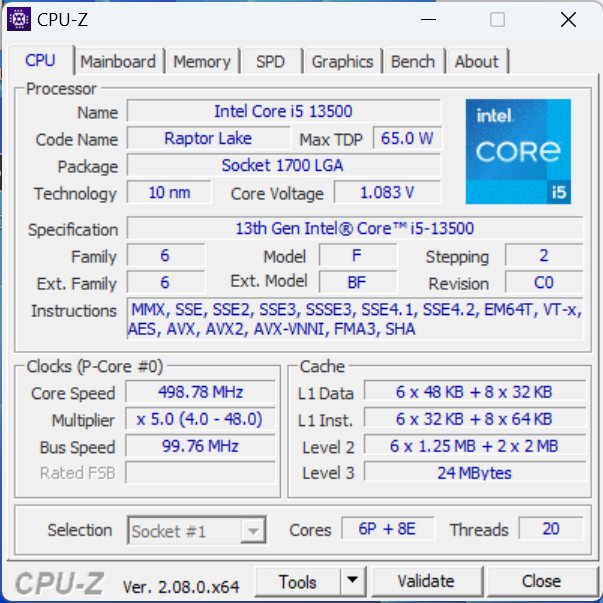
- Processor (CPU) – Intel® Core™ i5 14-Core Processor i5-13500 (Up to 4.8GHz) 24MB Cache
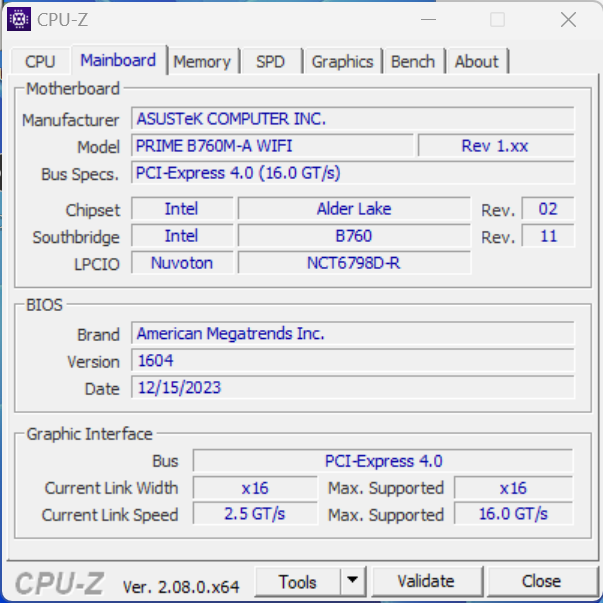
- Motherboard – ASUS® PRIME B760M-A WIFI (mATX, LGA1700, DDR5, PCIe 4.0, Wi-Fi 6)
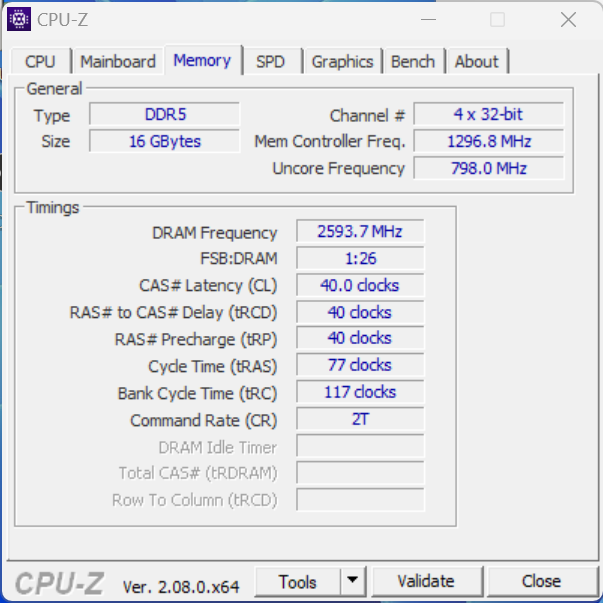
- Memory (RAM) – 16GB Corsair VENGEANCE DDR5 5200MHz (2 x 8GB)
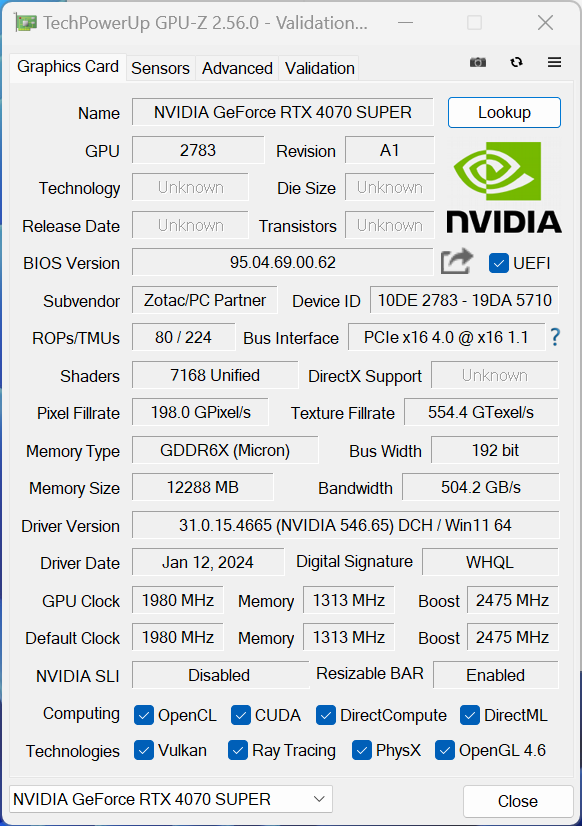
- Graphics Card – 12GB NVIDIA GEFORCE RTX 4070 SUPER – HDMI, DP, LHR
- SSD Drive – 2TB SOLIDIGM P41+ GEN 4 M.2 NVMe PCIe SSD (up to 4125MB/sR, 3325MB/sW)
- Power Supply – CORSAIR 750W RMe SERIES™ MODULAR 80 PLUS® GOLD, ULTRA QUIET
- Power Cable – 1 x 1.5 Metre UK Power Cable (Kettle Lead)
- Processor Cooling – PCS FrostFlow 100 ARGB V3 Series High Performance CPU Cooler (INTEL)
- Operating System – Windows 11 Home 64 Bit – inc. Single Licence
The core specs are confirmed in the following CPU-Z and GPU-Z screenshots: