KitGuru KitGuru.net – Tech News | Hardware News | Hardware Reviews | IOS | Mobile | Gaming | Graphics Cards


In an astonishing debut, Black Myth Wukong has set new records, swiftly rising to over three million concurrent players and selling 10 million copies within the first few days of its release. Now, one month later, the number of copies sold has doubled, reaching an impressive 20 million units.
The new sales number comes from reporter Dean Takahashi, who spoke with Ken Kutaragi at the Tokyo Game Show earlier this week. To put this achievement into perspective, last year’s biggest single-player game, Hogwarts Legacy, sold around 20 million units throughout 2023, a milestone that was widely celebrated.
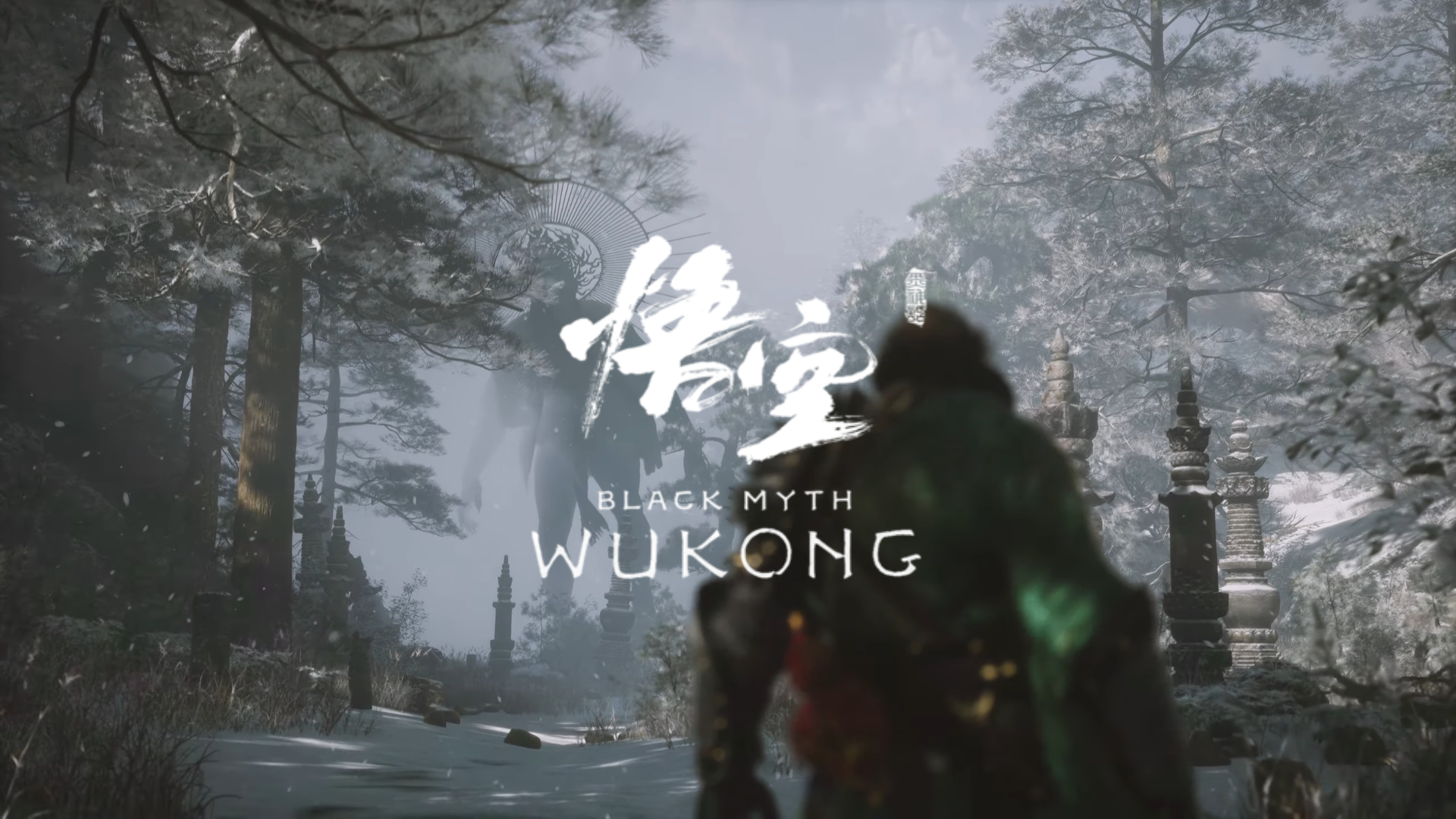
Interestingly, the game’s player base is predominantly on PC. While Black Myth Wukong is believed to be an unmarketed PS5 exclusive, keeping the game off of Xbox hasn’t moved the needle much. Of the three million concurrent players during the game’s peak, over 2.4 million were on PC, leaving around 600,000 players on console. This means that over 80 percent of players were accessing the game on PC rather than on PS5.
The game’s promotion in China has played a significant role in its success, and it is expected that the release of DLC next year, timed for Chinese New Year, will attract another surge of players.
If you want to learn more about the gameplay of Black Myth Wukong, and how well it runs on PC, then check out our previous review, HERE.
Discuss on our Facebook page, HERE.
KitGuru Says: Have many of you picked up Black Myth Wukong already? What did you think of the game?