KitGuru KitGuru.net – Tech News | Hardware News | Hardware Reviews | IOS | Mobile | Gaming | Graphics Cards


A couple of months back, we learned that Giant Skull’s new D&D project had been cancelled. Now, Wizards of the Coast parent company, Hasbro, is cancelling more videogame projects, in part due to a $56 million loss related to game development costs.
According to Hasbro’s latest financial filing, the company has “reviewed its portfolio” and cancelled several unannounced games that had been in development but were still a long way off from release. As part of this restructuring, Hasbro recorded “a $56 million non-cash write-down” tied to development costs. The filing also notes that the company intends to narrow its focus moving forward.
Hasbro says its videogame strategy will now centre on “trading card games and role-playing games”, two areas where the company already has major strengths thanks to long-standing franchises like Magic: The Gathering and Dungeons & Dragons. GI.biz reports that multiple projects originally planned for 2028 and beyond have been shelved as part of this shift.
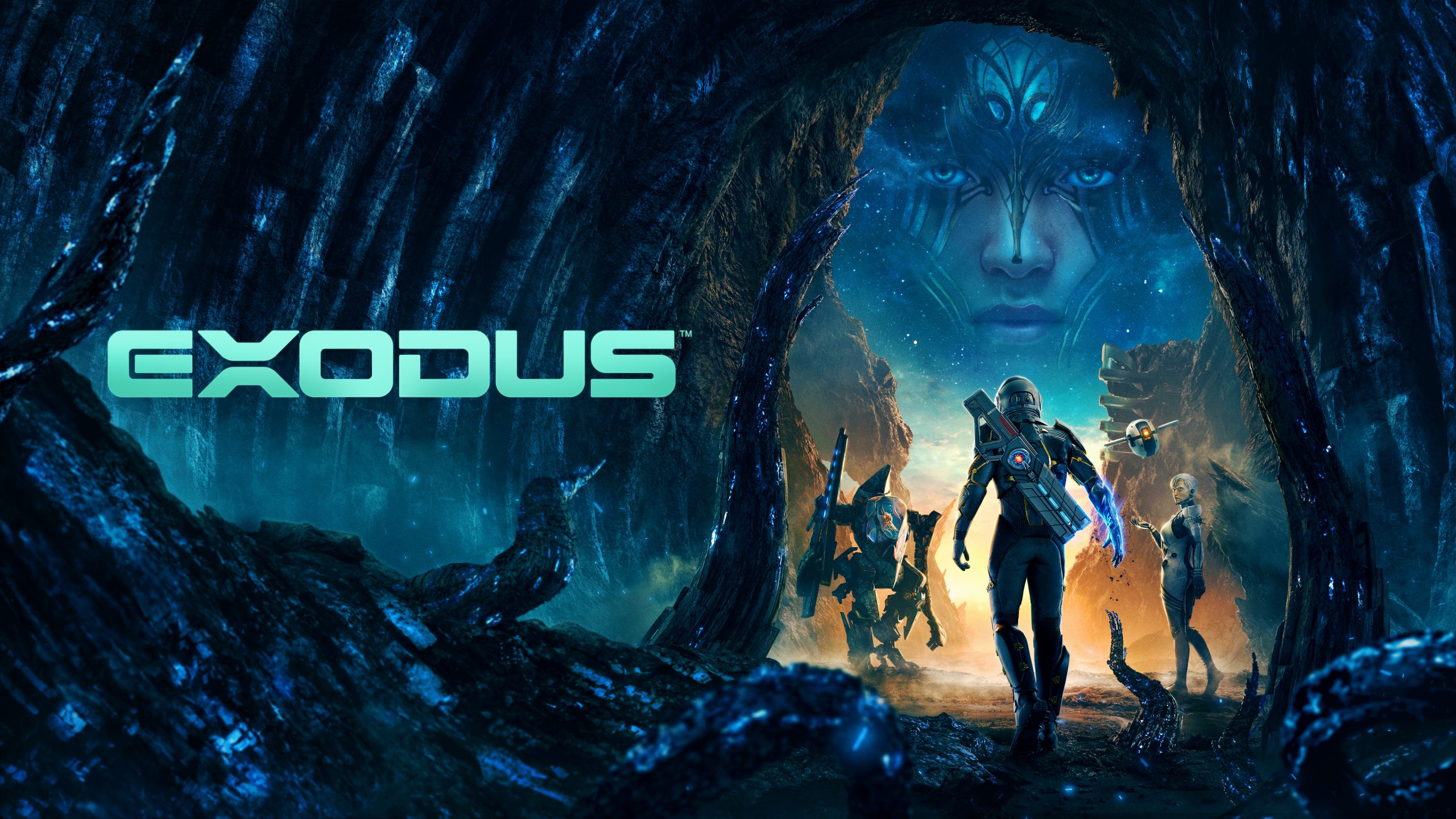
Despite the cancellations, two of Hasbro’s biggest upcoming titles remain unaffected. Exodus, a new sci-fi RPG from former Mass Effect developers, is still in development, as is Warlock, a new Dungeons & Dragons game. These appear to be the company’s priority projects as it scales back its broader videogame ambitions.
KitGuru Says: It is great to see Exodus and Warlock are still on the way. I do hope that Hasbro at some point brings Transformers back into the spotlight though. It has been a long time since we last had a great Transformers game.