KitGuru KitGuru.net – Tech News | Hardware News | Hardware Reviews | IOS | Mobile | Gaming | Graphics Cards


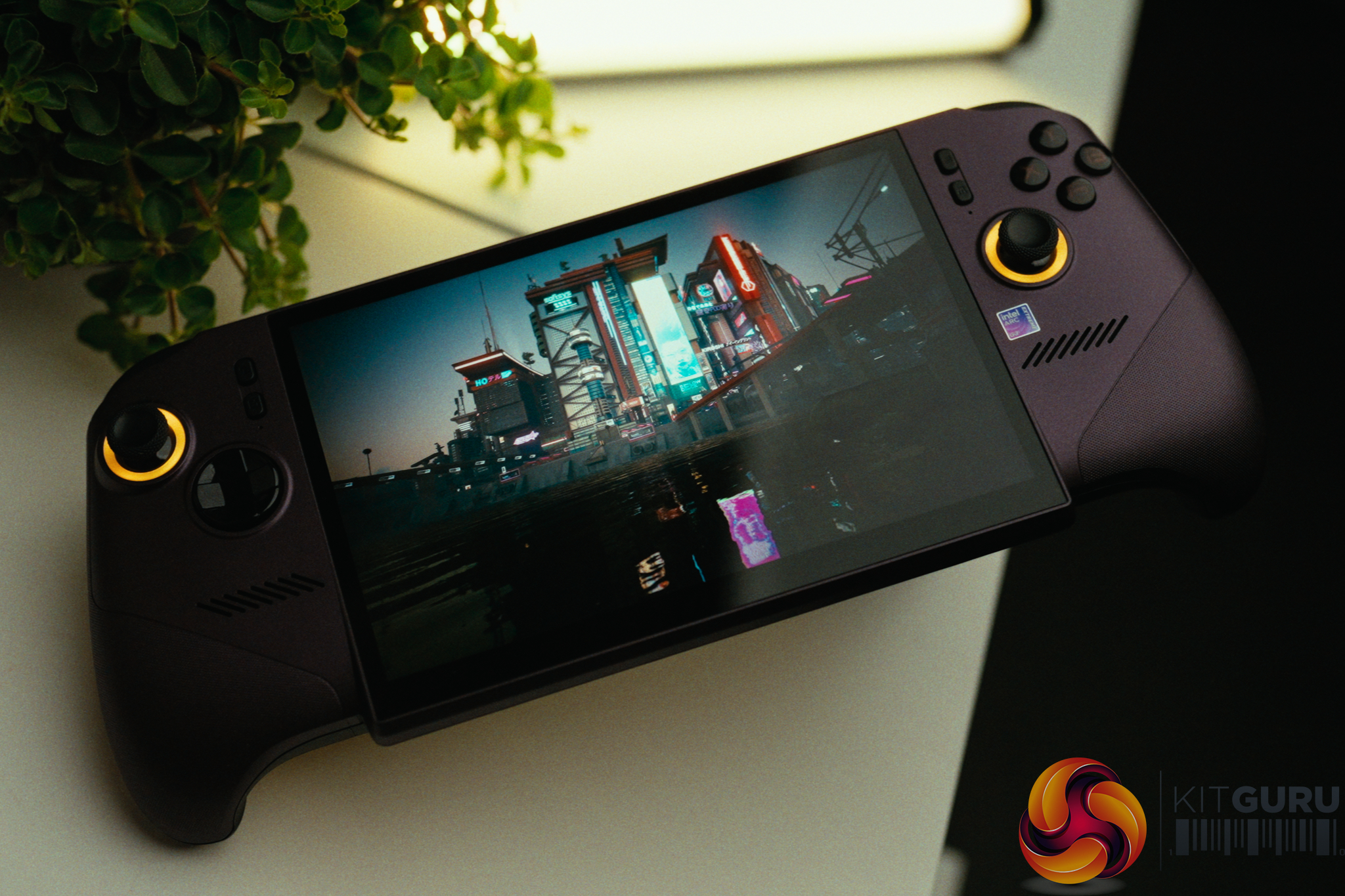
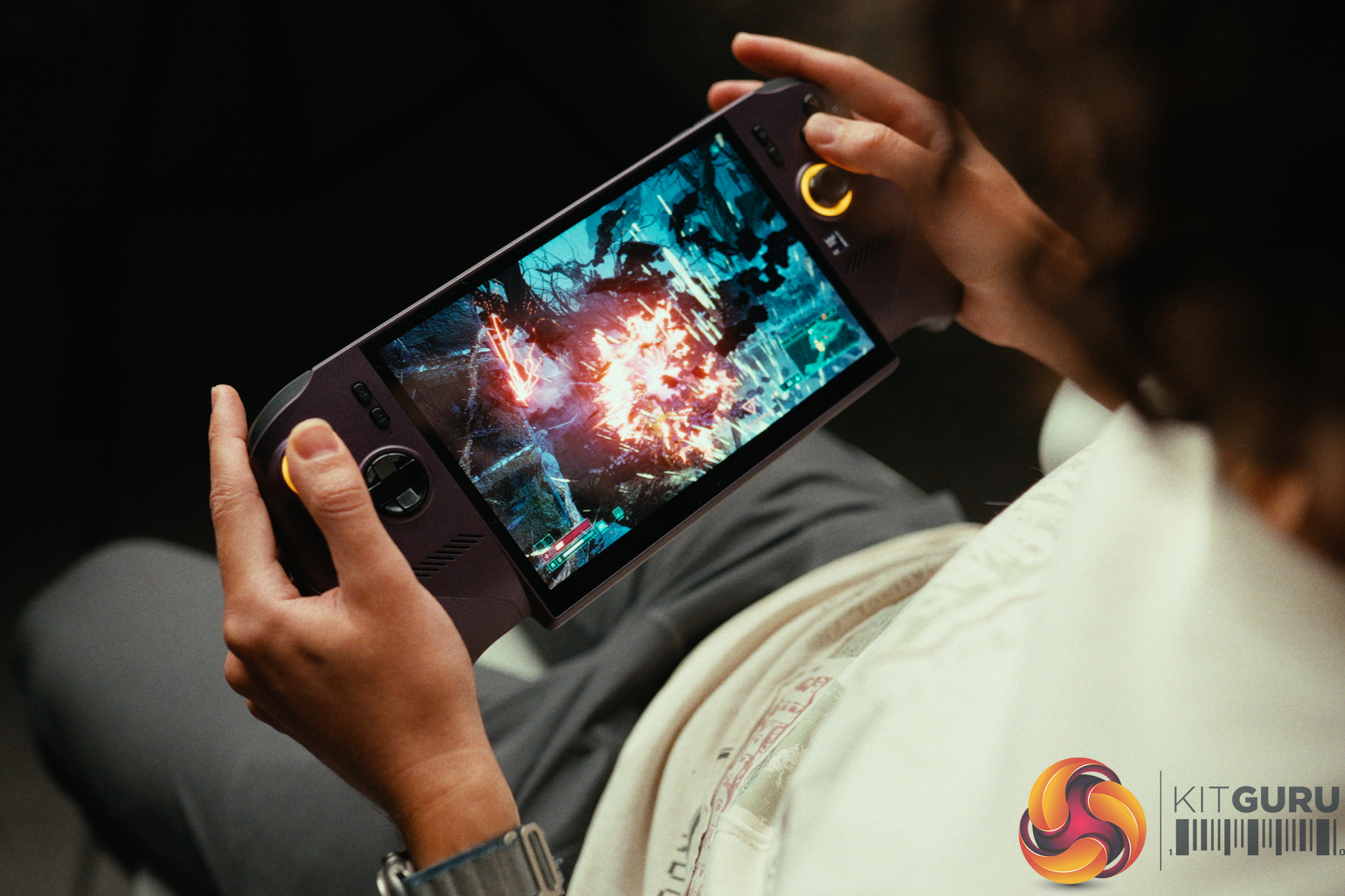
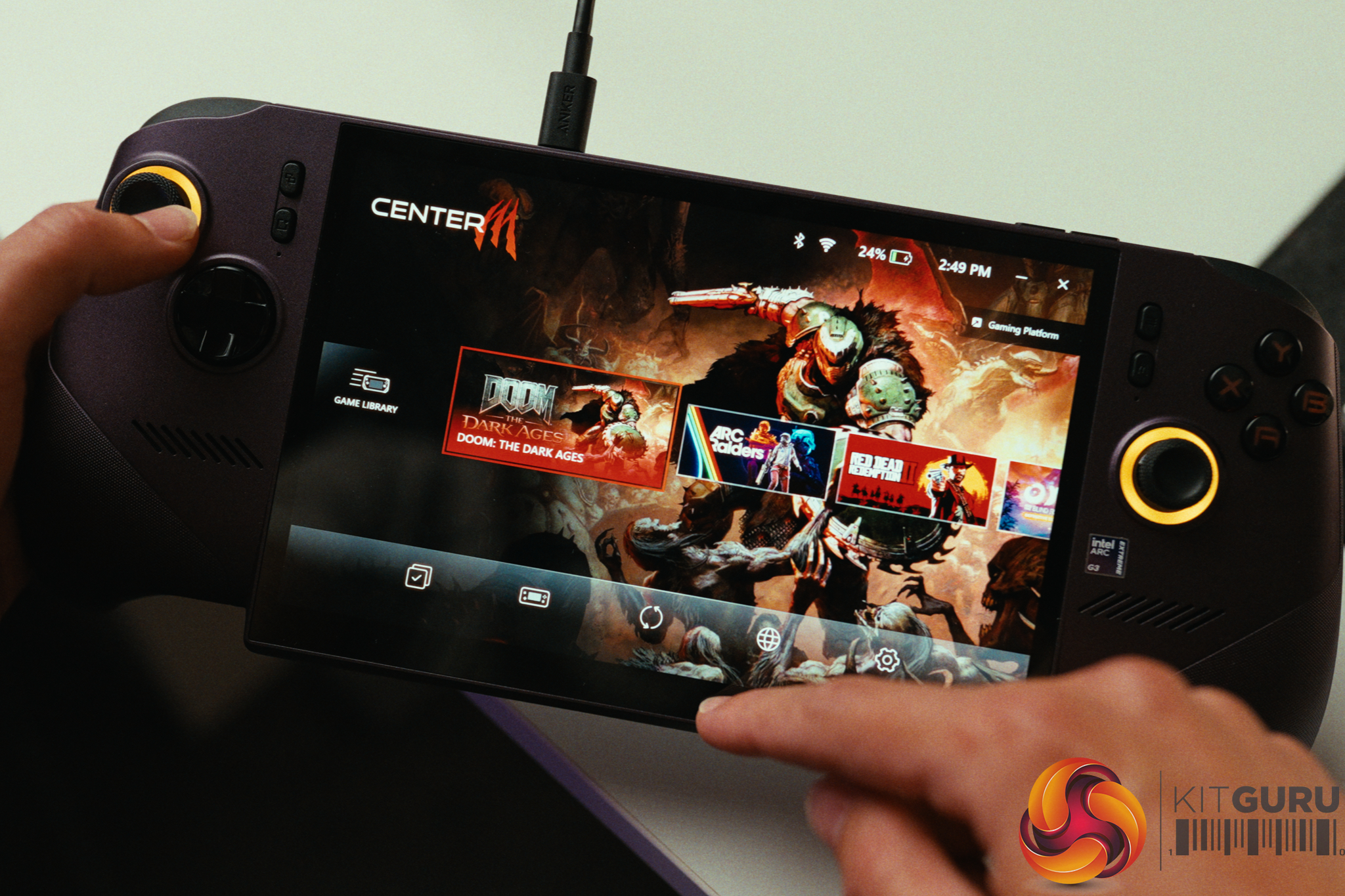
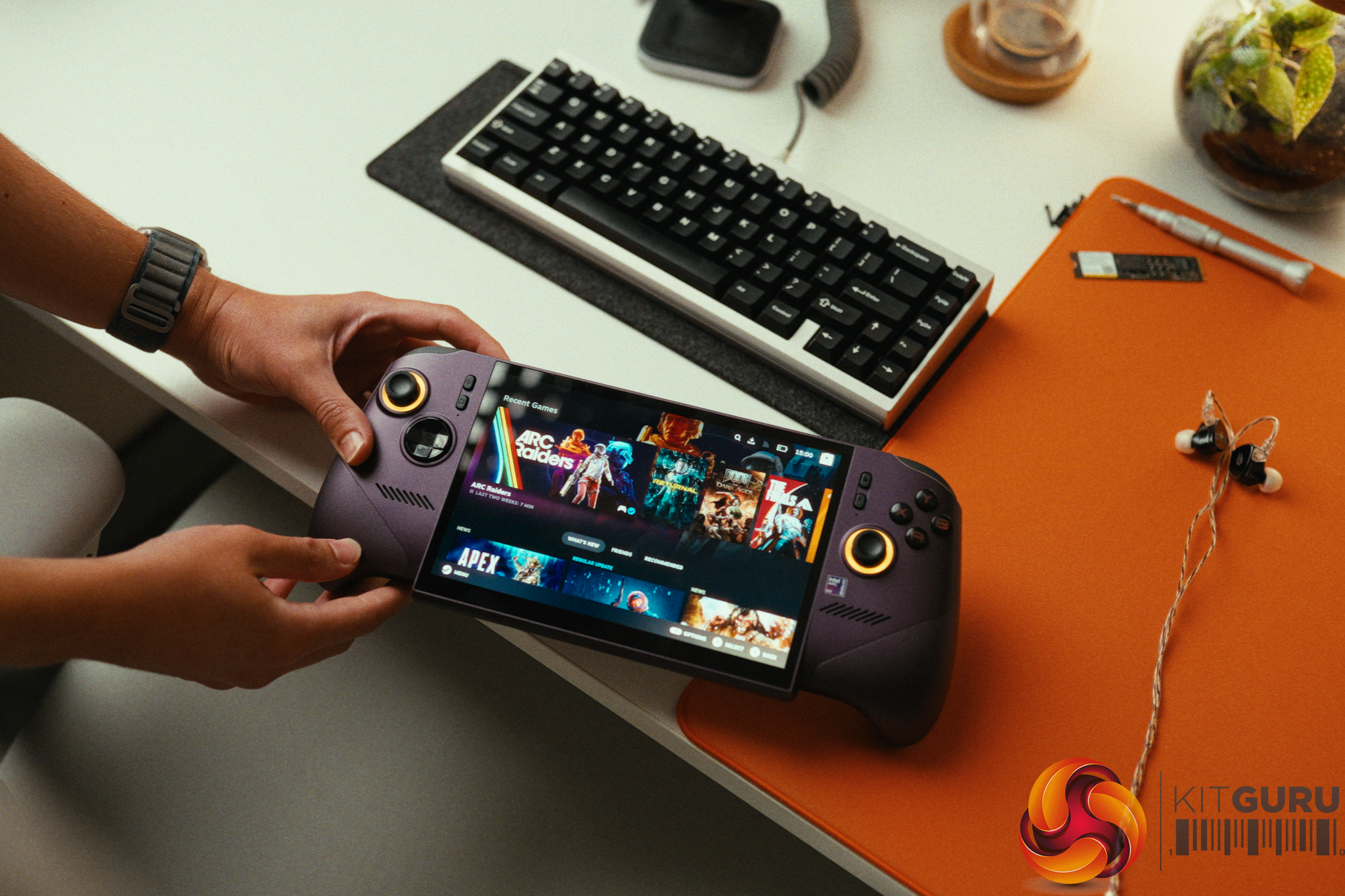
The MSI Claw 8 EX AI+ arrives with a staggering £1400 price tag and a bold promise to redefine handheld gaming. Powered by Intel's brand-new Arc G3 Extreme APU and backed by a massive 80Wh battery and a 120Hz display, on paper it certainly looks like a portable powerhouse. But with the shadow of Windows 11 looming over the handheld form factor, does this incredible hardware actually deliver a cohesive gaming experience, or is it severely let down by its own operating system?
Timestamps:
00:00 Intro
01:09 Core specs
01:57 Performance analysis
03:38 The screen + battery
05:14 Speakers (with soundtest!)
06:14 Controls, vibration motor, Hall effect!
07:35 Quick-fire other thoughts
10:42 The software…
12:36 Can Linux fix it?
15:25 Closing thoughts
Specifications:
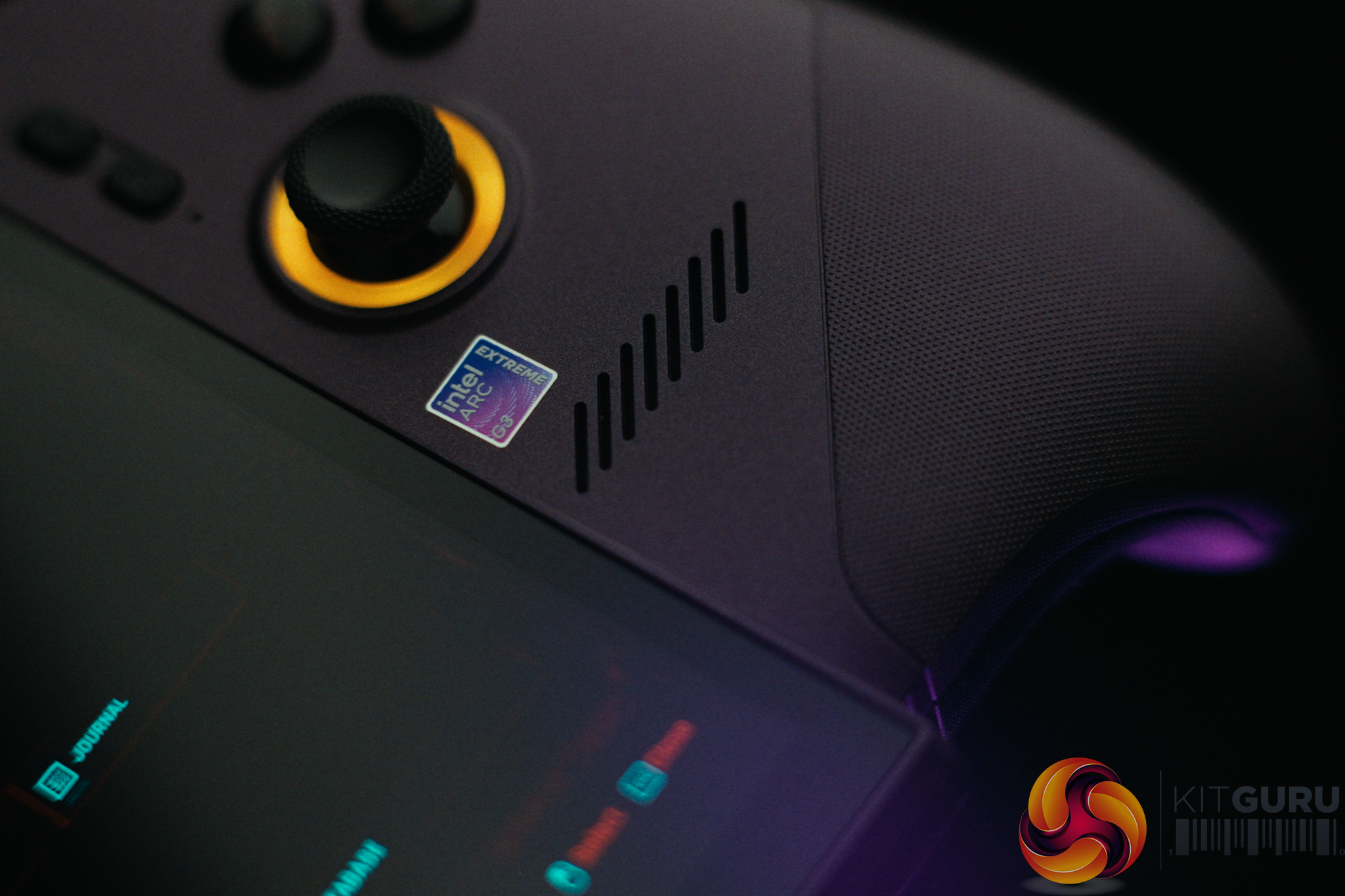
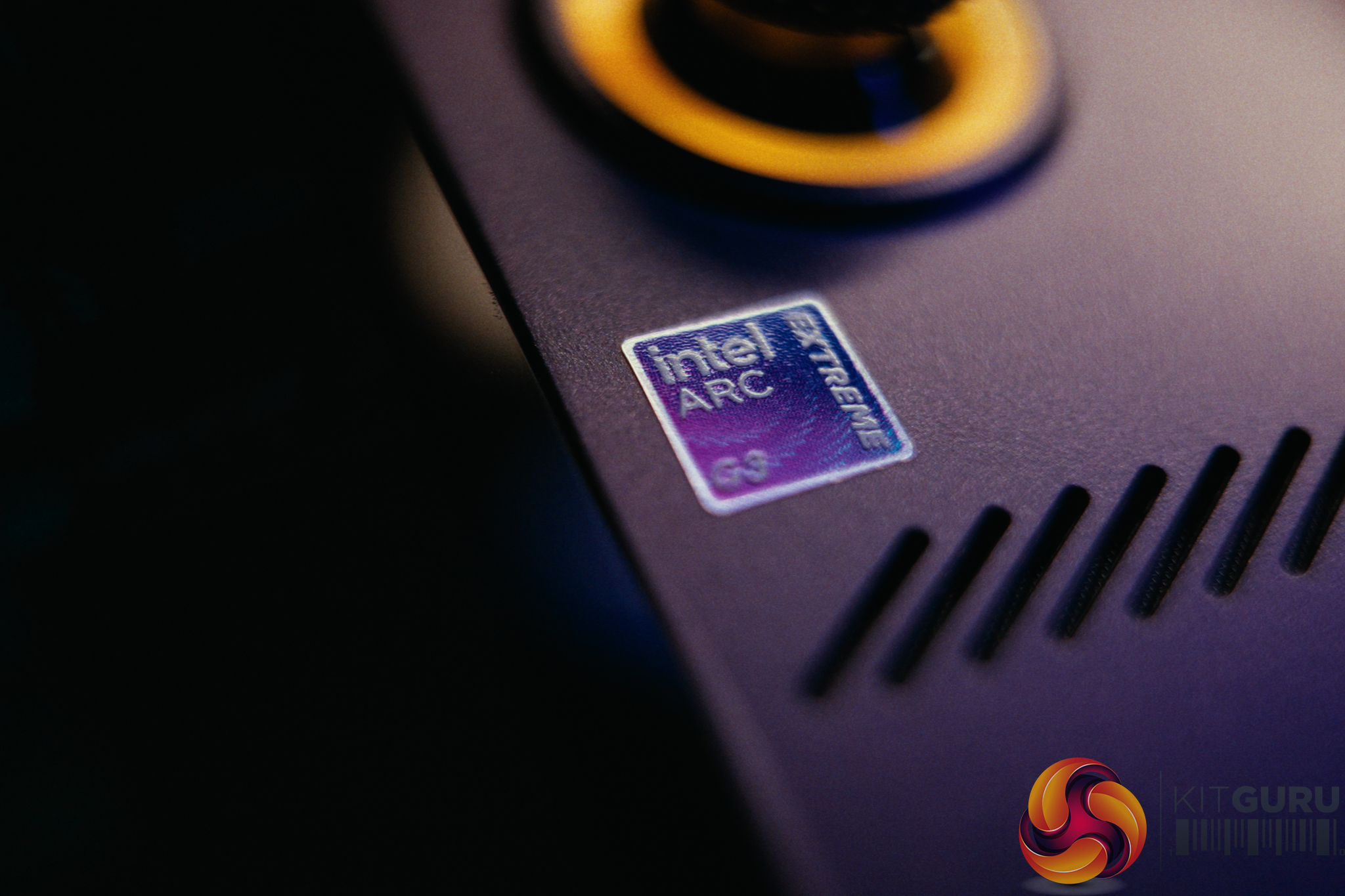
- Processor: Intel Arc G3 Extreme APU (14 Cores: 2P, 8E, 4LPE).
- Graphics: Intel B390 GPU (Shared TDP with CPU).
- RAM: 32 GB LPDDR5x.
- Display: 8-inch IPS, 1920×1200, 120Hz.
- Storage: 1TB NVMe SSD.
- Battery: 80Wh with 65W USB-C Charging (Dual Type-C ports).
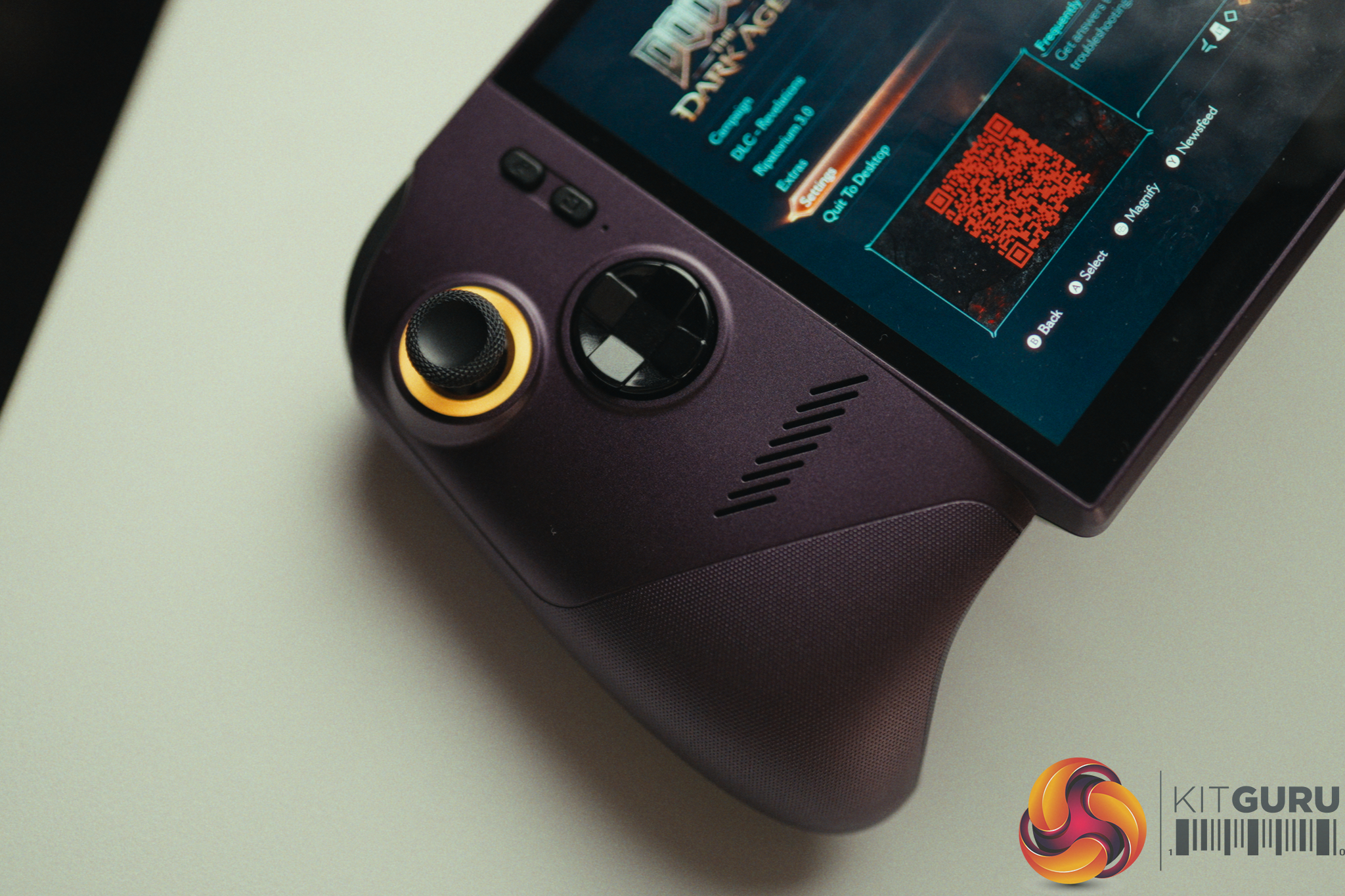
- Controls: Hall Effect analog sticks & Triggers
- Connectivity: Intel Wi-Fi 7 BE213, Bluetooth v6
- Operating System: Windows 11
Closing Thoughts
The MSI Claw 8 EX AI+ is a device of extreme highs and frustrating lows. On the hardware front, the new Intel Arc G3 Extreme APU is an absolute marvel. It intelligently balances power between the CPU and the new B390 GPU, allowing us to run Cyberpunk 2077 on the High preset at 80fps using Performance XeSS upscaling. Paired with a massive 80Wh battery, crisp speakers, and Hall Effect analog sticks that guarantee no stick drift, it fundamentally redefines the performance limits of a handheld. You even get full performance on battery down to 10% charge.
However, a gaming handheld is only as good as its software, and this is where the Claw lands flat on its face. Windows 11 completely ruins the portable experience. The device routinely woke up from sleep on its own (I even had it hotbox itself in my backpack on multiple occasions) and basic reboots were constantly delayed by aggressive background updates and who knows what else. The mix of Xbox, MSI Command Center, and standard Windows overlays creates a convoluted user experience.
We attempted to fix the software woes by installing CachyOS Handheld Edition (Linux). While this miraculously solved the sleep issues and standby battery drain, the Intel Arc G3 Extreme platform is simply too new. The Linux drivers cannot yet match the gaming performance of Windows 11. Until the Linux drivers mature, you are stuck fighting Windows on a £1,400 device, preventing this powerful handheld from getting the recommendation the hardware deserves.
You can buy the MSI Claw 8 EX AI+ for £1400 HERE.
Pros:
- Intel Arc G3 Extreme delivers top-tier handheld performance.
- Massive 80Wh battery allows for 2+ hours of heavy AAA gaming with maxed out TDP or 6+ hours on lighter titles.
- Hall Effect analog sticks completely eliminate the risk of stick drift.
- Surprisingly crisp, loud internal speakers with a decent amount of body.
- Delivers full gaming performance on battery power.
Cons:
- Windows 11 experience is poor (randomly wakes from sleep, excessive background updates).
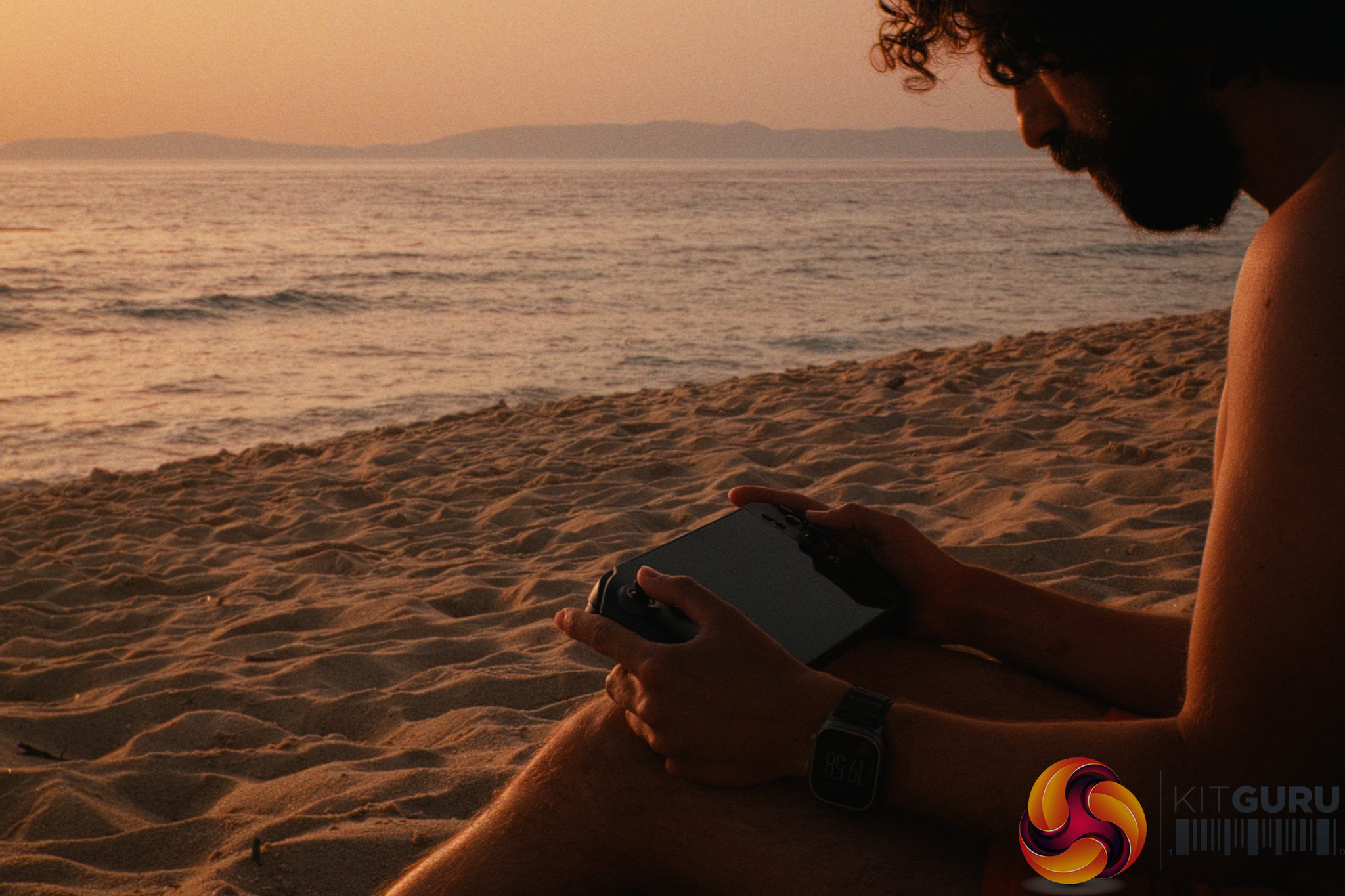
- The 1920×1200 IPS screen isn't bright enough for outdoor use and drains battery faster.
- Very expensive at £1400.
- Linux gaming drivers for the new APU are currently too immature to match Windows 11 performance.
- Bulky design with protruding analog sticks makes it difficult to pack in a bag.
- Handles get noticeably warm during long sessions, causing sweaty palms.
KitGuru says: The MSI Claw 8 EX AI+ features revolutionary hardware and incredible gaming performance, but it is fundamentally crippled by a frustrating Windows 11 experience and an eyebrow-raising price tag.