KitGuru KitGuru.net – Tech News | Hardware News | Hardware Reviews | IOS | Mobile | Gaming | Graphics Cards


The Raijintek Paen Series of cases is getting a new addition this week. The Paean Premium is the company's latest ATX case aimed at the DIY PC enthusiasts that want to house extensive water cooling or air cooling solutions and pair it with the most powerful components currently on the market, regardless of their size.
Raijintek Paean series of cases are known for their “strengthened structural design”. This case is made of 2mm aluminium and 0.8mm steel and features a front and side panel with 4mm tempered glass. Its interior is entirely coated in black and features large vents for increased airflow on the top and bottom of the case.
The extensive cooling support allows you to install up to 13x fans: a 120/140mm fan at the rear, 6x 120mm fans at the bottom, 3x 120mm fans at the front, and 3x 120mm fans on the top. Radiator support allows you to install up to 2x 280/360mm radiators on the bottom, and a 280/360mm radiator on the top. You can also mount a 360 distro plate at the front and a D5 pump/reservoir on the pump mounting holes.
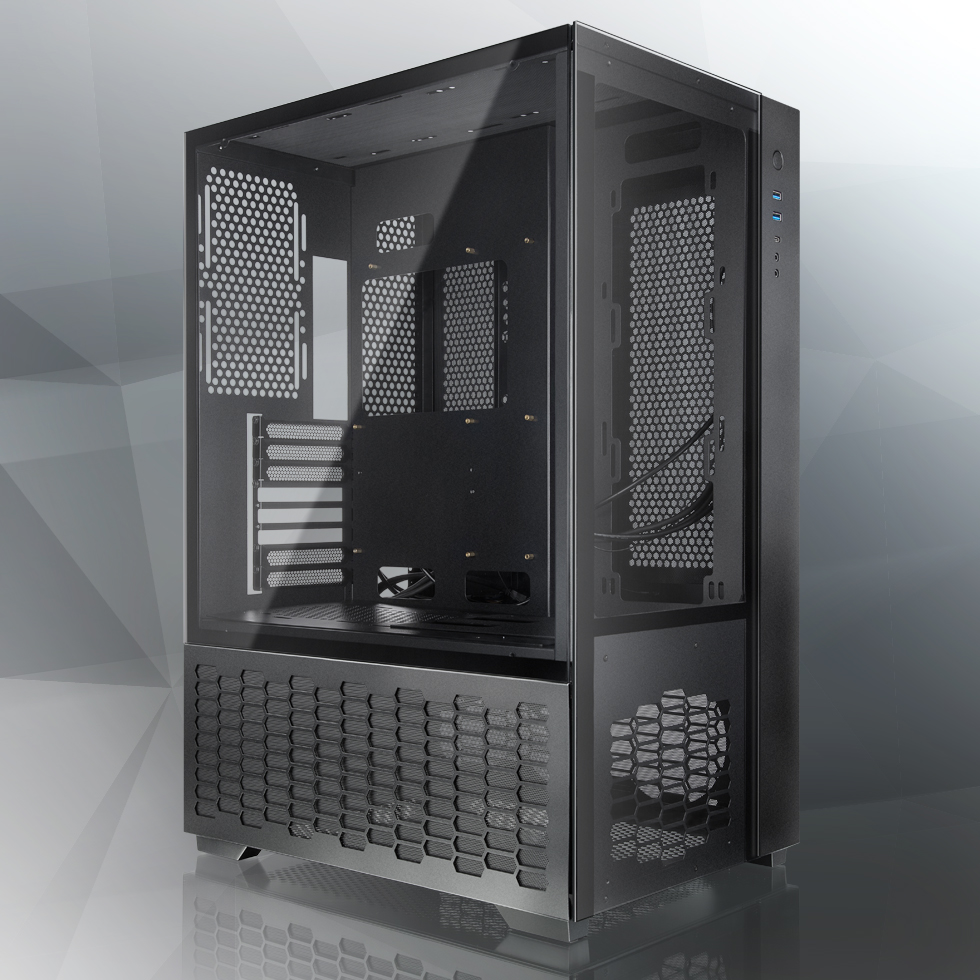
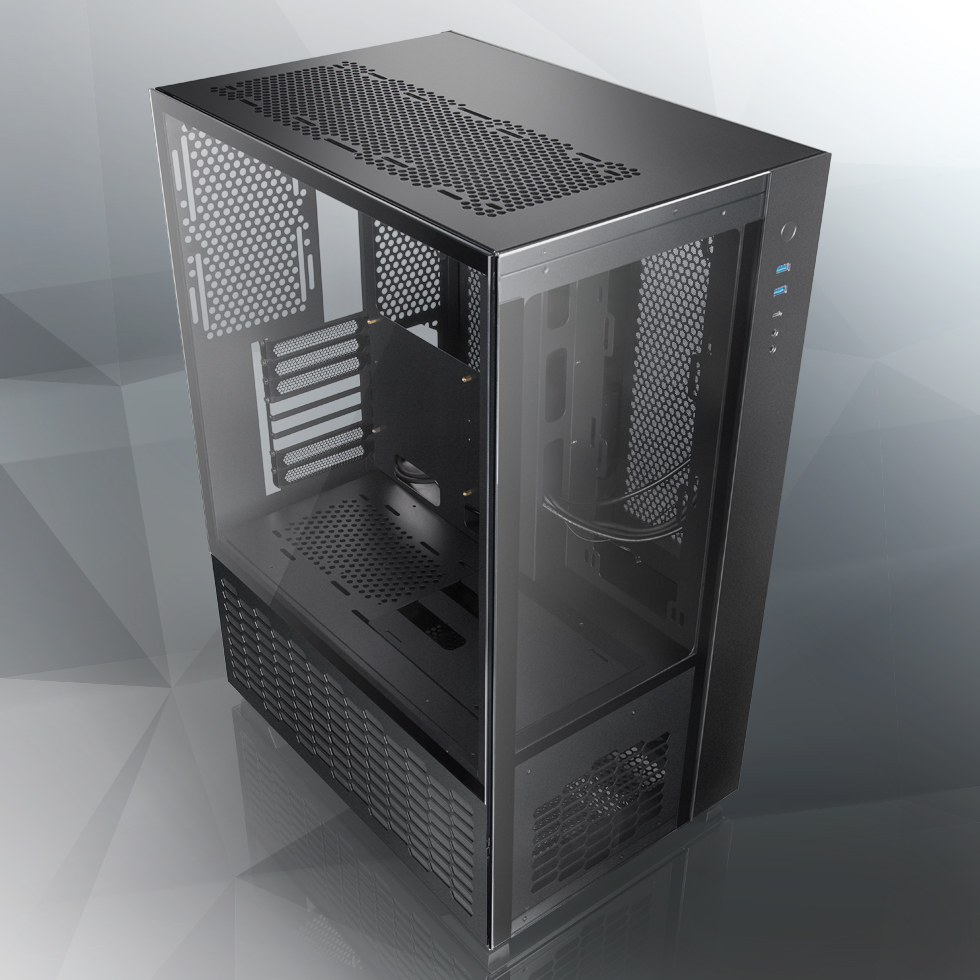
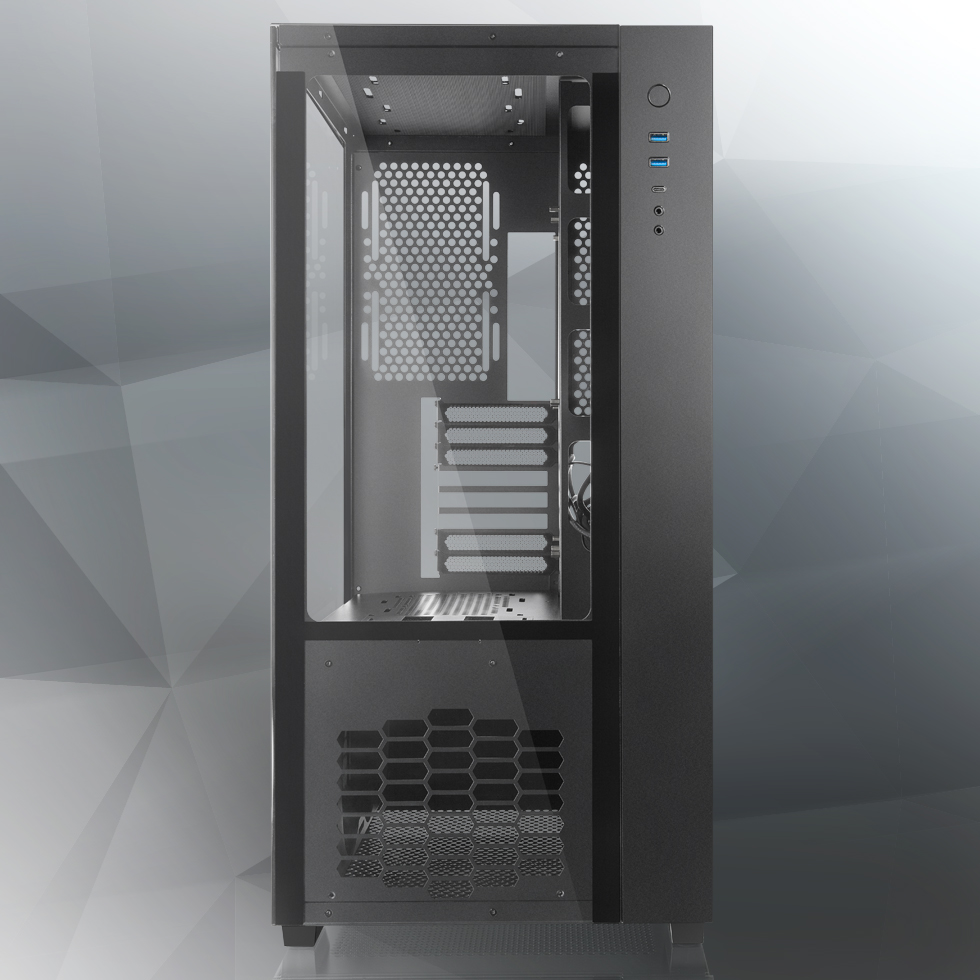
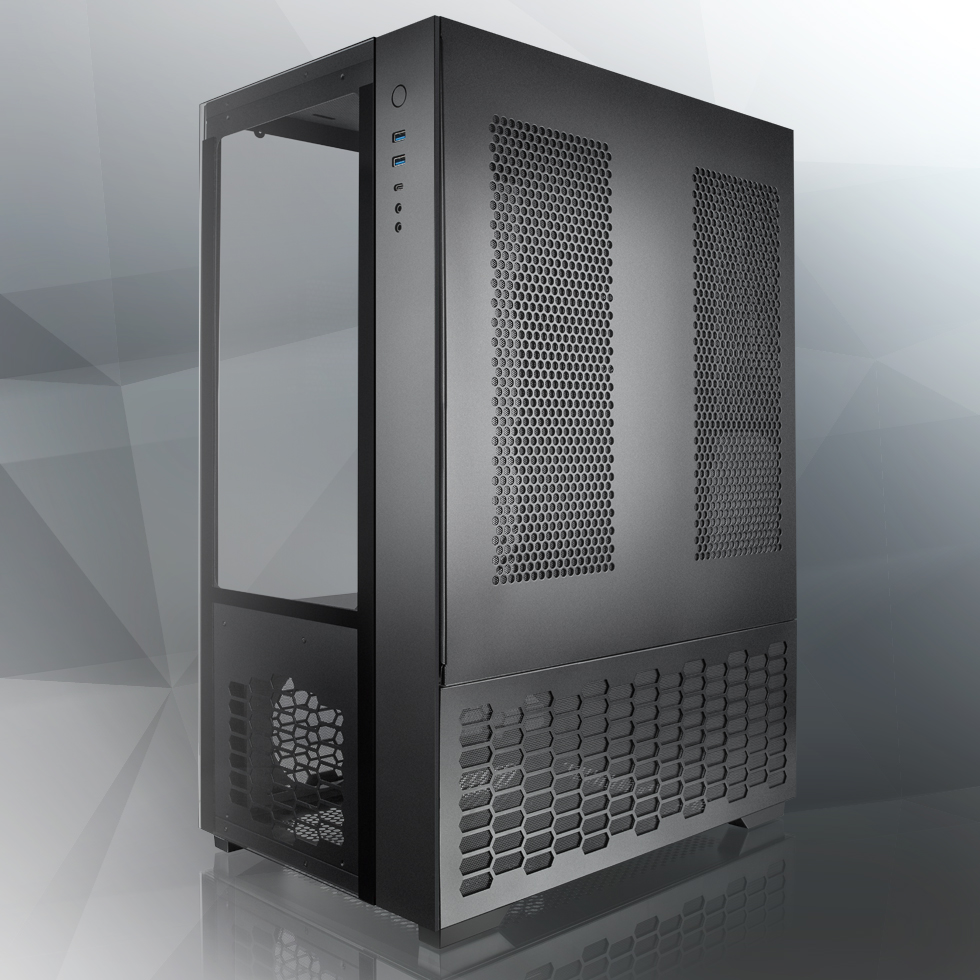
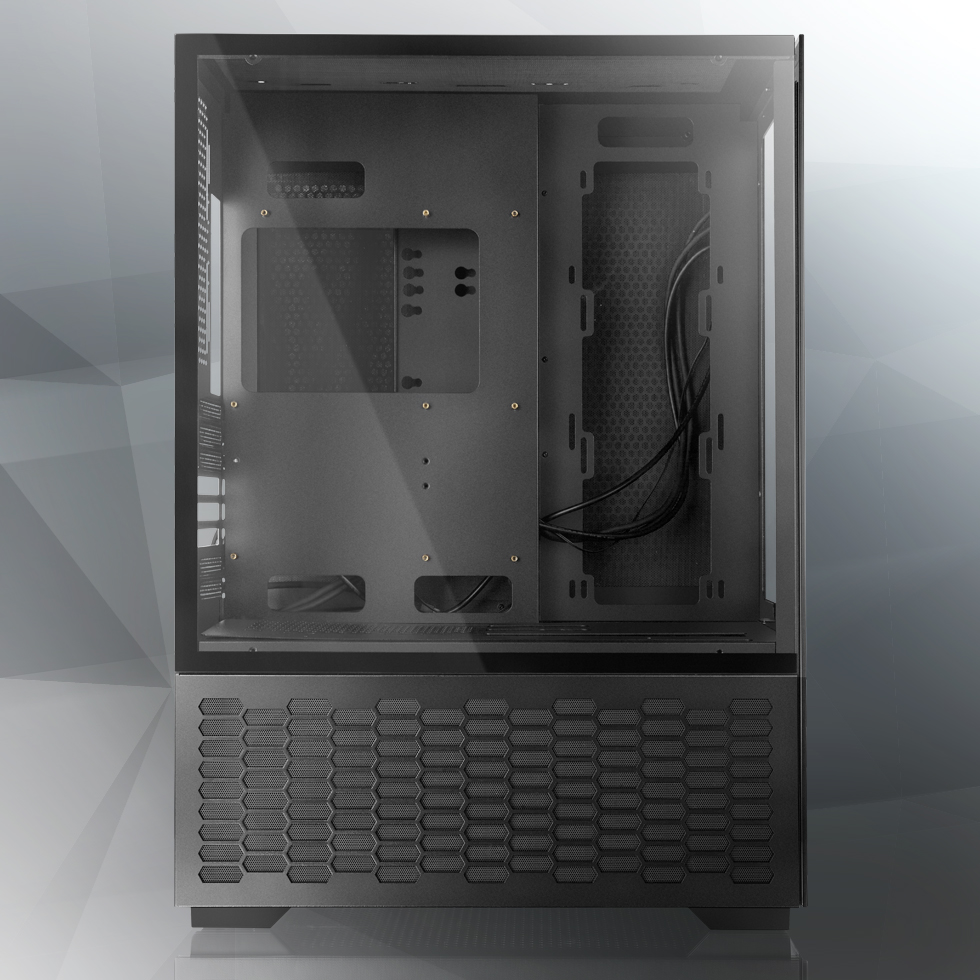
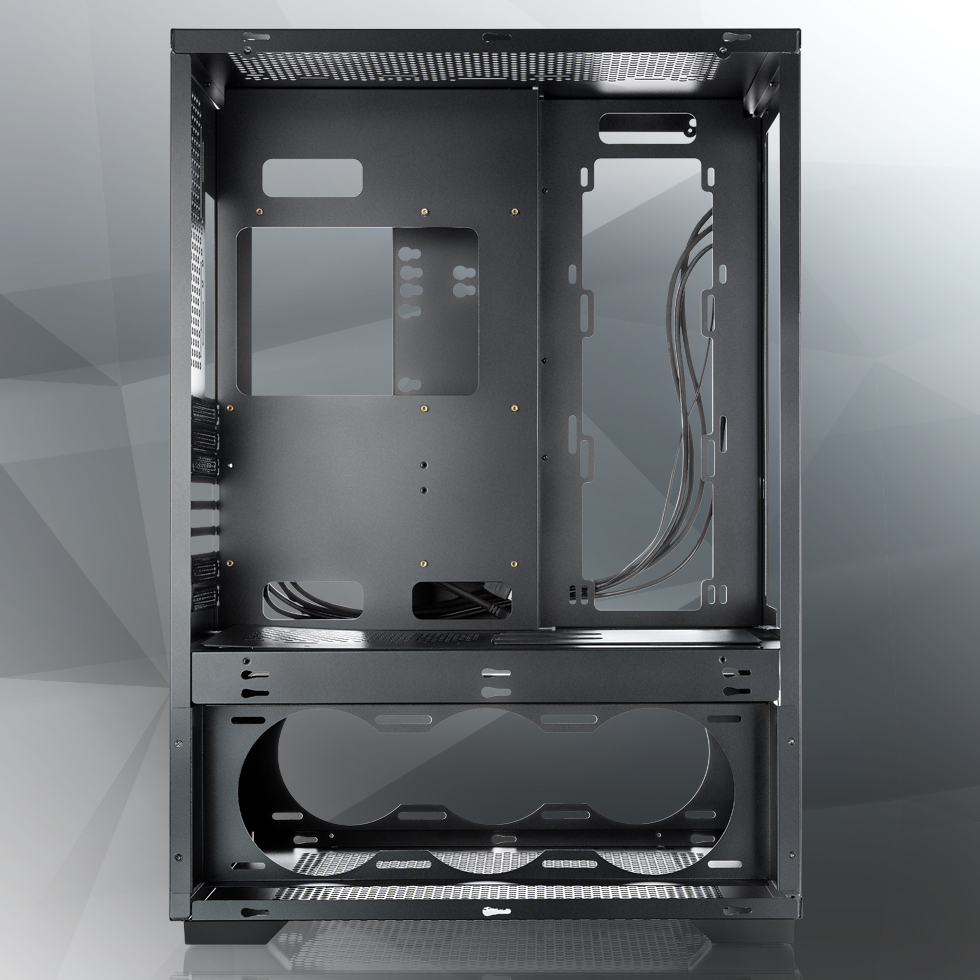
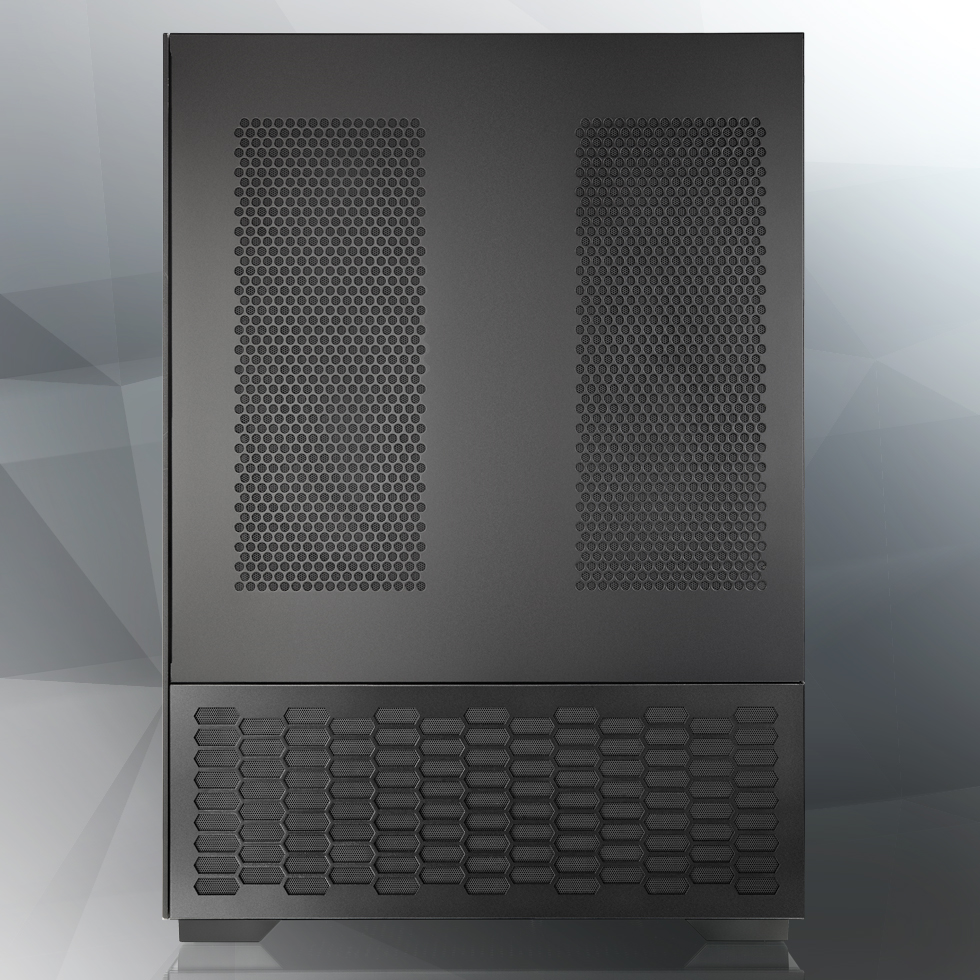

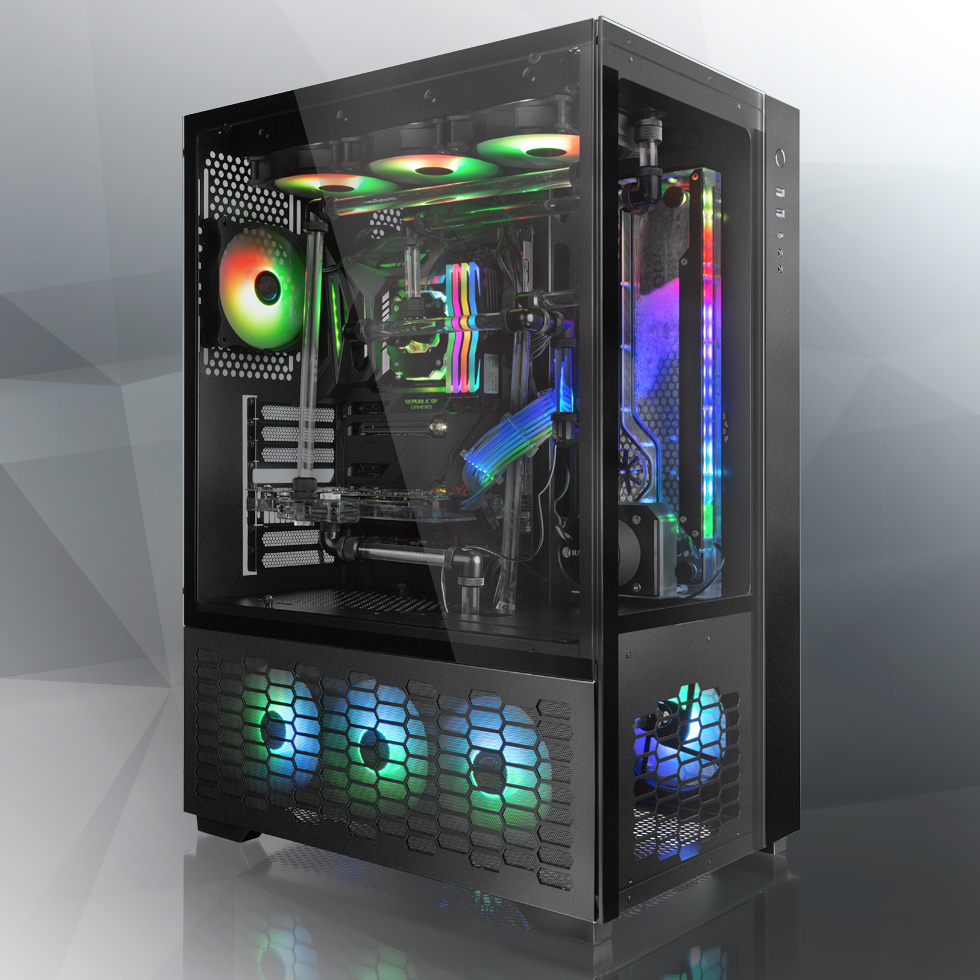
The Raijintek Paean Premium ATX chassis supports ATX power supplies and ATX, mATX, and mini-ITX motherboards. There are 8x PCIe expansion slots and storage slots for 2x 2.5/3.5-inch drives. Additionally, it can house up to 430mm long graphics cards and up to 170mm tall CPU coolers. The front I/O panel has 2x USB 3.0 ports, a USB-C port, an audio-out 3.5mm jack, and an audio-in 3.5mm jack.
Raijintek hasn't detailed the pricing or availability of this case. You can learn more about the Paean Premium ATX chassis HERE.
KitGuru says: What do you think of the Paean Premium's aesthetics? Would you consider this case for a water-cooled system?