KitGuru KitGuru.net – Tech News | Hardware News | Hardware Reviews | IOS | Mobile | Gaming | Graphics Cards


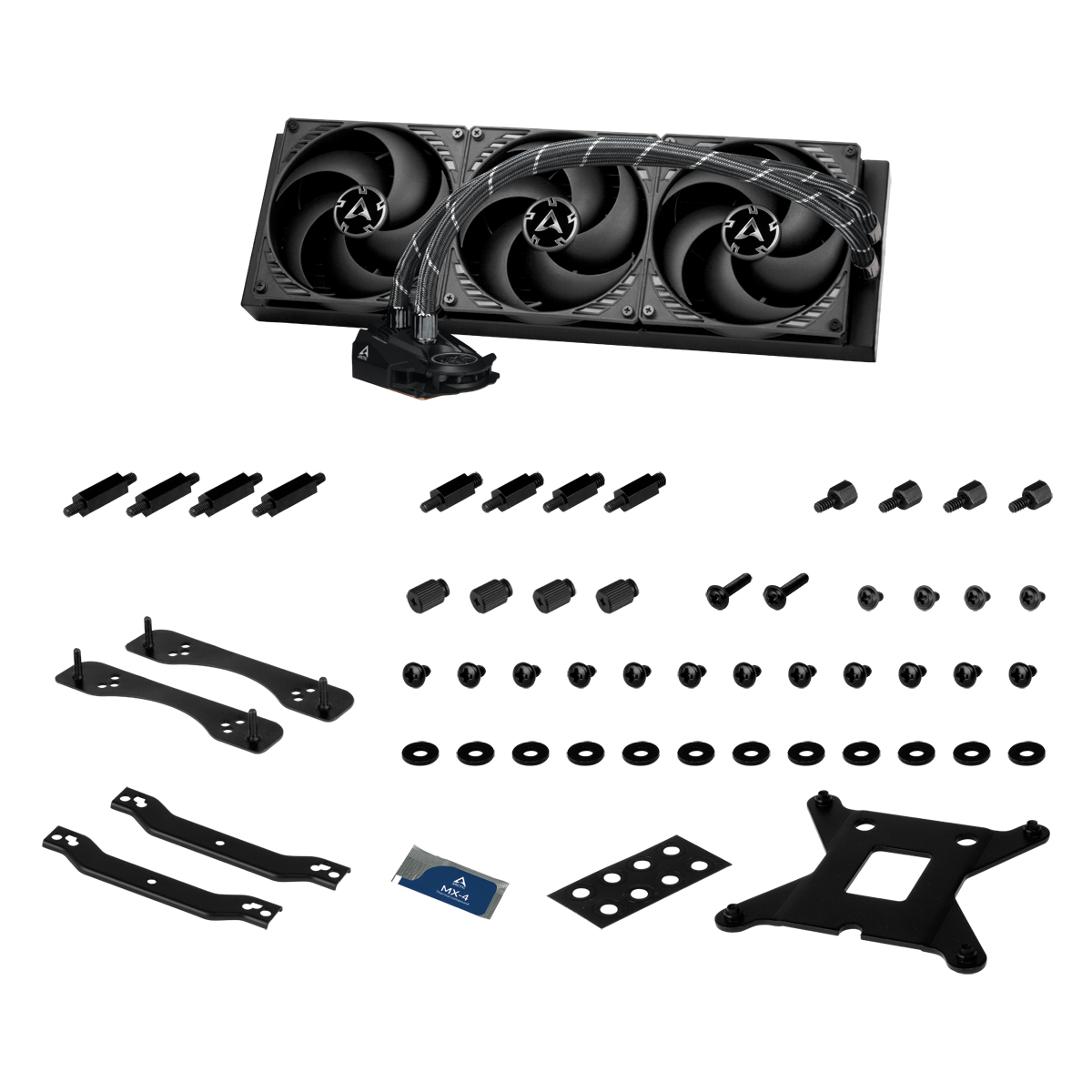
Arctic is adding a 420mm radiator option to its Liquid Freezer II line of CPU AIO liquid coolers. Just like the rest of the Liquid Freezer II line the Liquid Freezer II 420 is a “multi compatible all-in-one CPU water cooler” offering amazing cooling performance at a reasonable price.
Just like the other Liquid Freezer II coolers, the Liquid Freezer II 420 features Arctic's own pump design. Designed to reduce noise and increase efficiency, the pump is PWM controlled and has a power consumption of up to 5.3W at full load for the whole cooler.
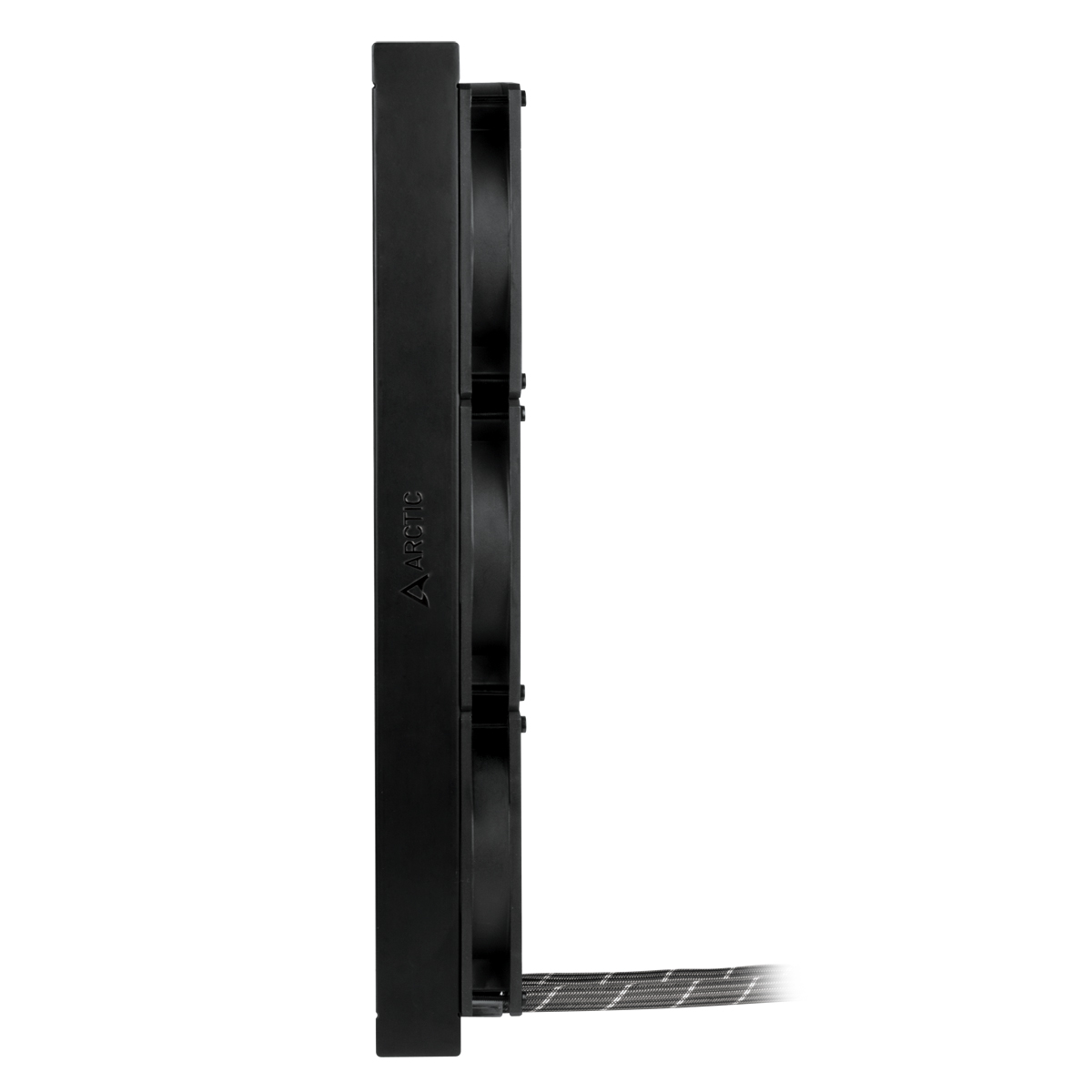
The 38mm radiator with a high fin density allows the cooler to use more coolant than most other options on the market, while also increasing the cooling surface. Thanks to this design, the cooler can handle more heat and is also slower to heat up, resulting in an “up to 5 °C lower temperature increase in the temporary turbo mode of modern CPUs”.
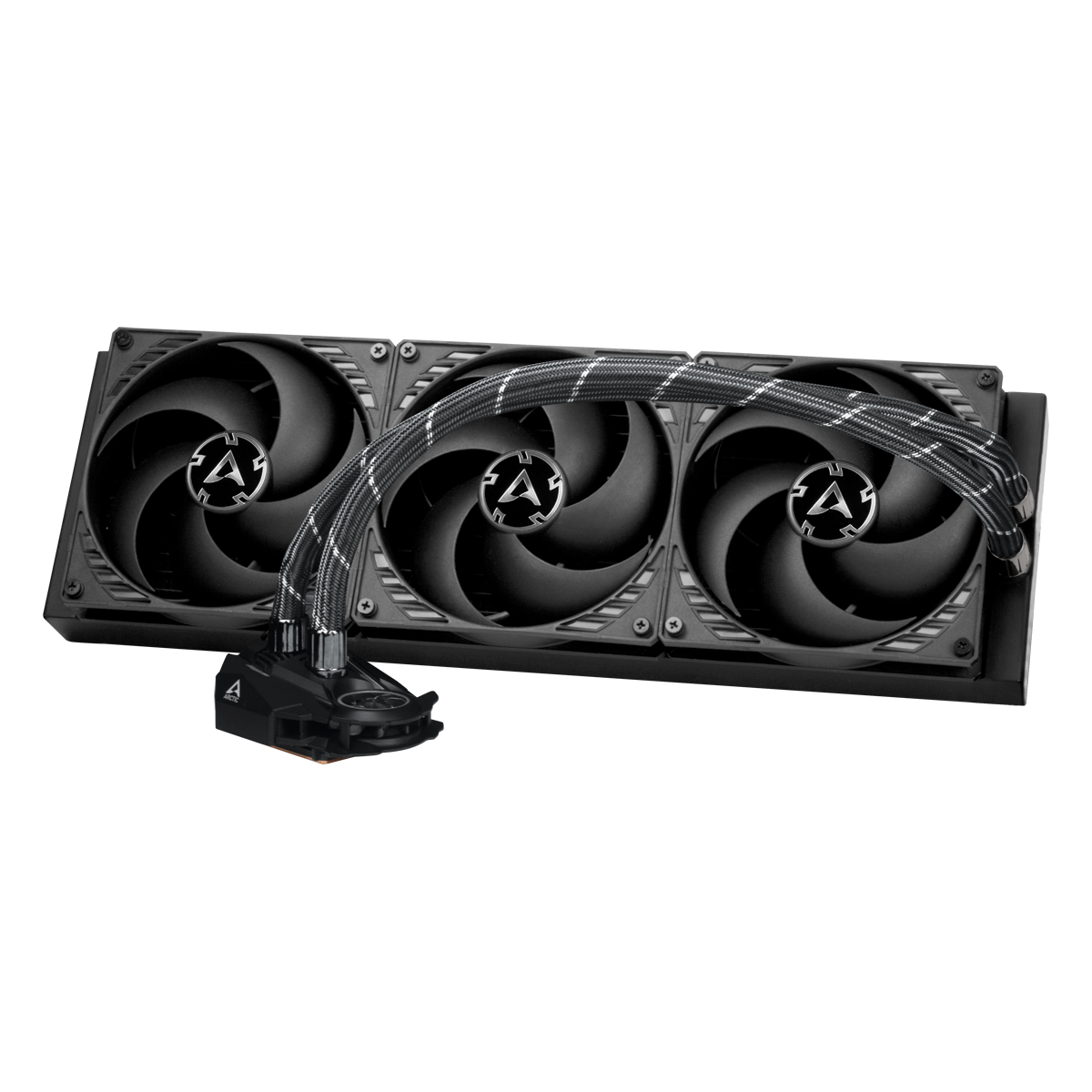
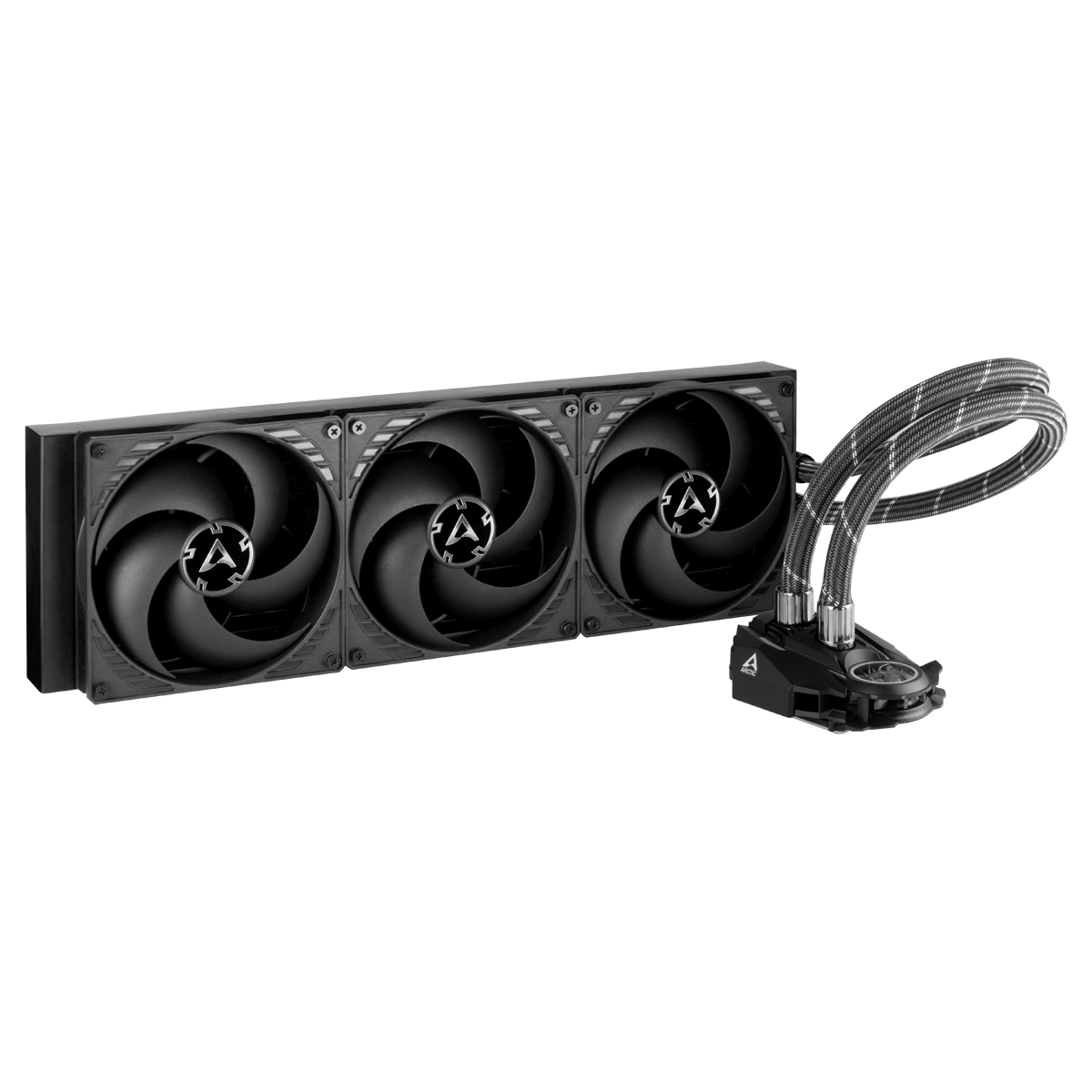
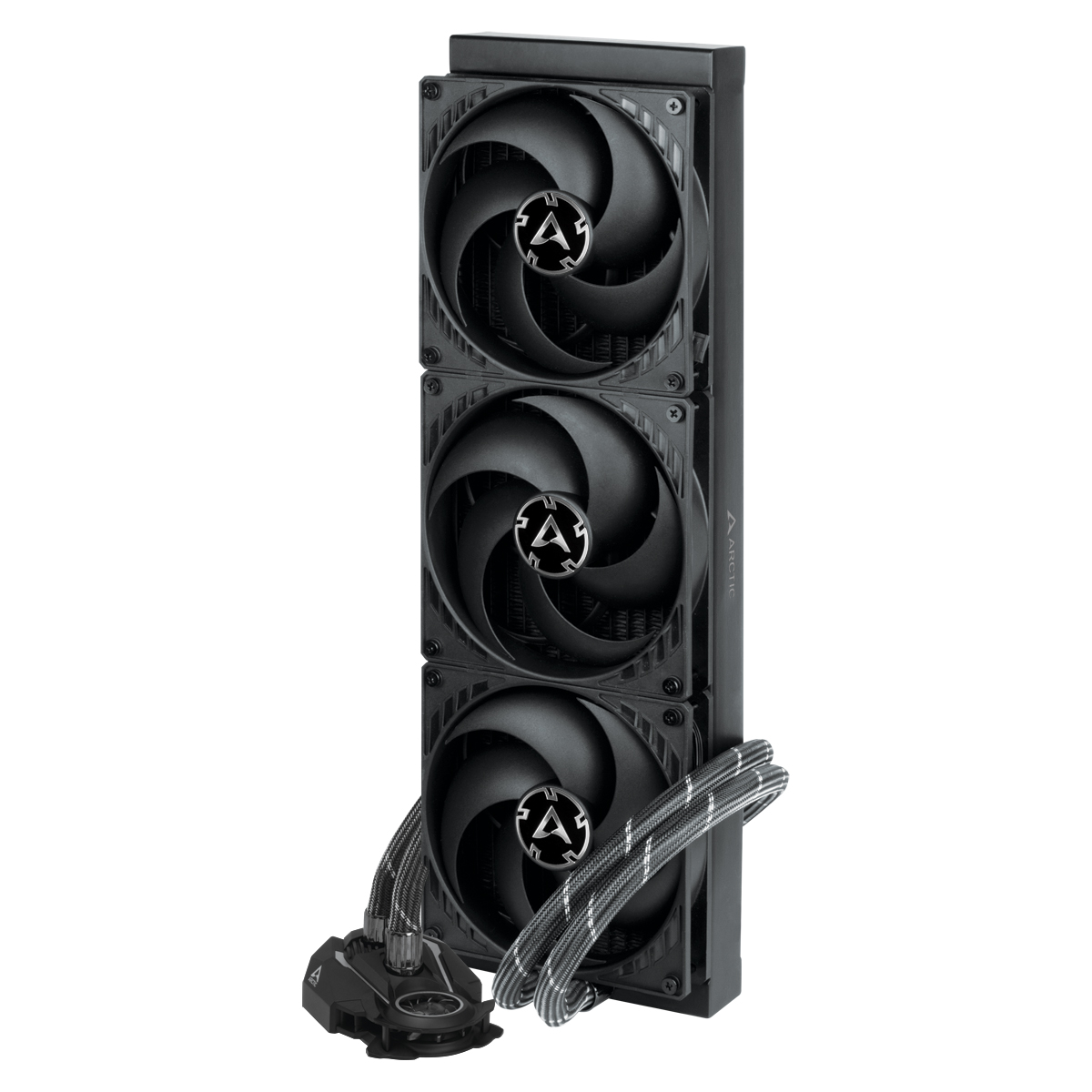
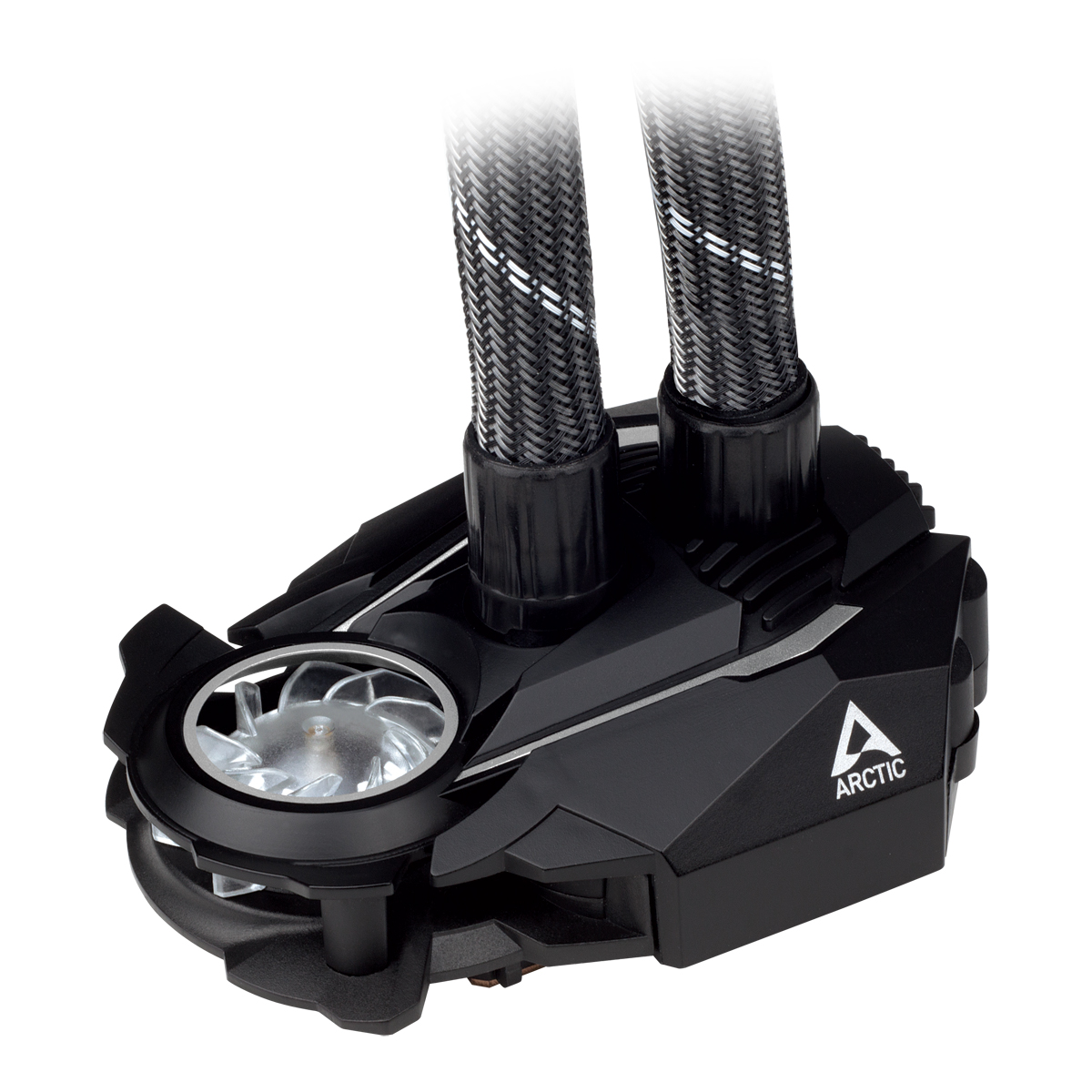
The 40mm VRM fan on the CPU block was designed to be quiet during operation and durable. The fan is controlled through PWM and can reduce the VRM temperatures by as much as 15ºC, allowing users to increase the overclocking potential of their motherboards. If this fan fails, Arctic will send you a new one free.
The fibre-reinforced, long EPDM tubing makes the installation easier and prevents the coolant from evaporating, reducing the chance for the user to refill its unit. The 3x P14 fans included have their cables hidden through the “sophisticated cable management” system employed in this water cooler. Additionally, to turn it on, users just have to connect a single connector to the motherboard.
The Arctic Liquid Freezer II 420 CPU cooler is available now for €119.99.
KitGuru says: What do you think of Arctic's new Liquid Freezer II 420? Do you think it's too much cooler for the CPU only?