KitGuru KitGuru.net – Tech News | Hardware News | Hardware Reviews | IOS | Mobile | Gaming | Graphics Cards


The EK-Quantum Velocity2 ILM replacement – 1700 is a nifty tool that replaces your motherboard's integrated loading mechanism (ILM) with a frame that, according to EKWB, increases the structural integrity of the socket, motherboard, and CPU. EK's new ILM replacement works with Intel 12th and 13th Gen Core CPUs when paired with standard EK-Quantum Vector2 CPU water blocks.
It's been well documented that Intel 12th and 13th Gen Core CPUs are prone to warping, thanks to uneven pressure due to their rectangular form and the way the stock ILM holds the CPU down. The redesigned EK contact frame addresses this issue by preventing the bending of the CPU and surrounding region, enhancing cooling efficiency as it applies pressure more uniformly. As a consequence, bending should be eliminated and the centre of the CPU flattens, improving contact with the cooler.
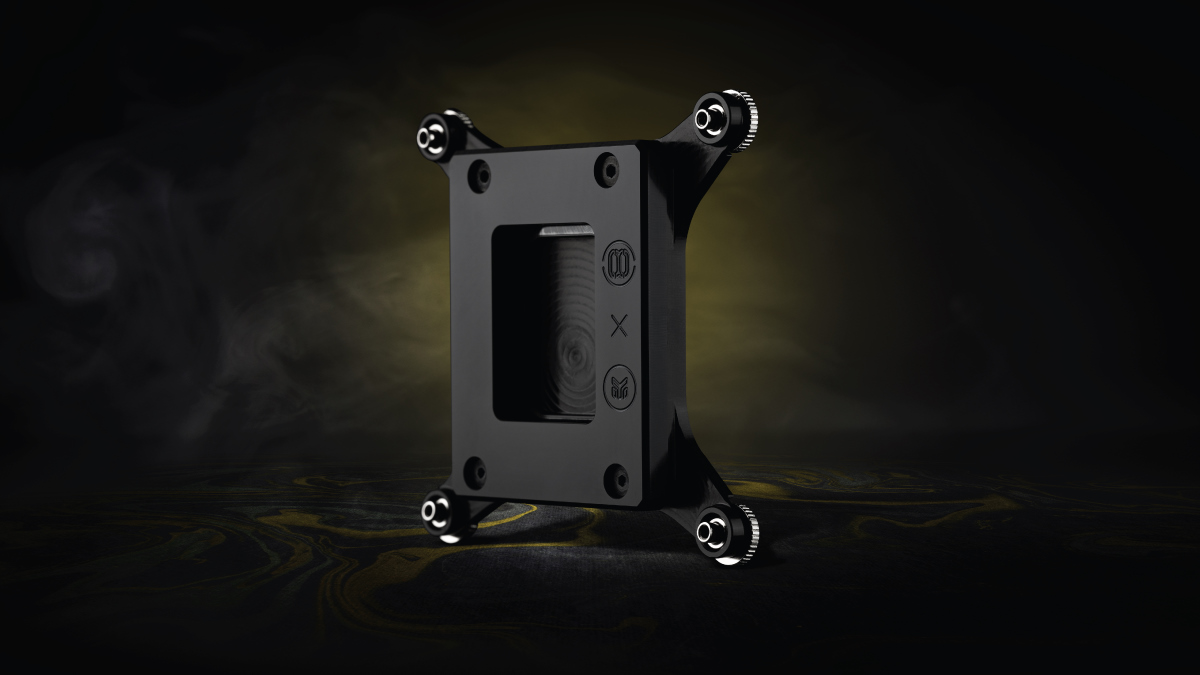
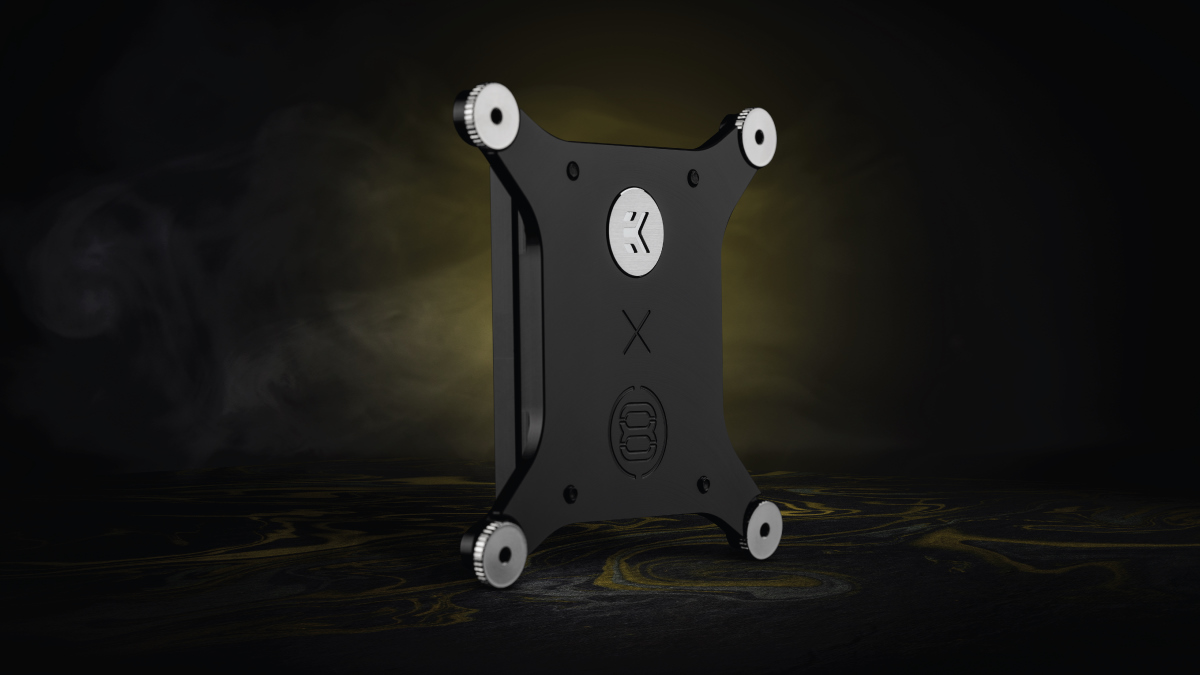
The replacement procedure is simple and uncomplicated since the motherboard's original ILM is removed by unscrewing just a few screws. Once you've removed the original, you can mount EK's replacement by simply reversing the process. EK's ILM replacement for LGA 1700 sockets was developed in partnership with Der8auer, and Thermal Grizzly, Der8auer's cooling company, licensed the production.
The EK-Quantum Velocity2 ILM replacement is up for pre-order for €54.54 HERE.
Discuss on our Facebook page HERE.
KitGuru says: Have you ever used a CPU contact frame on any of your systems? Would you consider EK's ILM replacement for that purpose if you have an Intel 12th or 13th Gen CPU?