KitGuru KitGuru.net – Tech News | Hardware News | Hardware Reviews | IOS | Mobile | Gaming | Graphics Cards


If you've been waiting for the ultimate workstation CPU and have deep pockets, we have good news. AMD's monstrous 96-core, 192-thread Ryzen Threadripper Pro 9995WX has been spotted on Geekbench 6, and as expected, the scores are very high.
While AMD has kept the official launch date under wraps since its reveal at Computex, the arrival of retail listings and the first leaked benchmarks (via Benchleaks) suggest a release is imminent. The chip scored approximately 2,800 points in the single-core test and a jaw-dropping 30,170 in the multi-core test. While the single-core performance shows a negligible improvement over the 7995WX, the multi-core score tells another story. The multi-core results show an impressive generational uplift of around 22%.
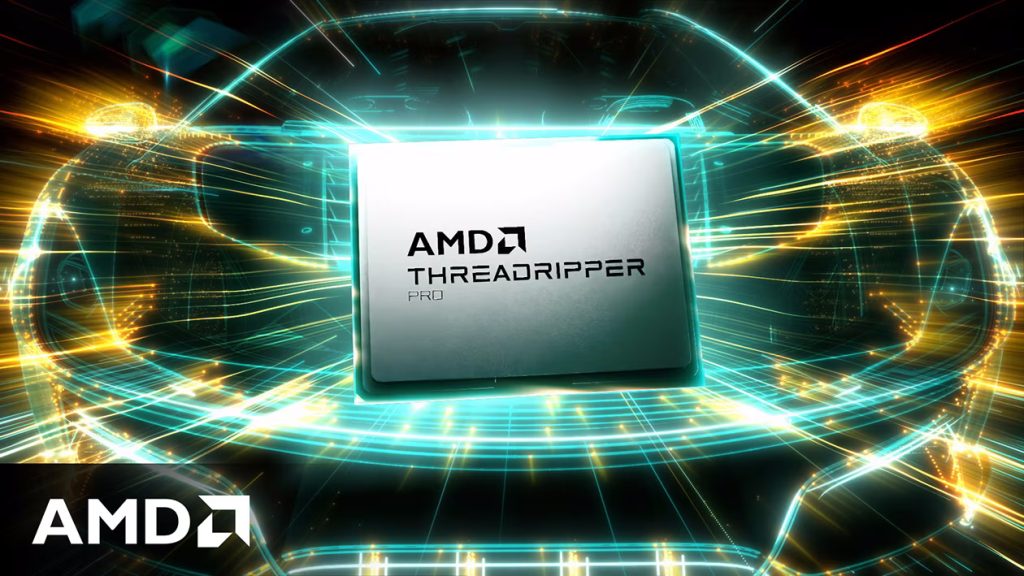
Built on TSMC's 4nm process, the 9995WX is the crown jewel of the new Threadripper Pro 9000 series. Its 96 Zen 5 cores run at a 2.5GHz base clock but can boost up to 5.4GHz. This is complemented by a colossal 384MB of L3 cache.
Designed for the sTR5 socket and WRX90 motherboards, the 9995WX handles up to 2TB of 8-channel DDR5-6400 ECC memory and provides a staggering 128 lanes of PCIe 5.0 connectivity. This makes it an ideal engine for high-end workstations tackling content creation, complex simulations, and heavy AI development. The chip maintains a 350W TDP, in line with its predecessor.
KitGuru says: Were you expecting these Geekbench 6 scores from the AMD Ryzen Threadripper Pro 9995WX?