KitGuru KitGuru.net – Tech News | Hardware News | Hardware Reviews | IOS | Mobile | Gaming | Graphics Cards


Today we take a look at DeepCool's GamerStorm PN1000M power supply, priced at 129.99 euros in Europe. They have both white and black versions of the units for sale in various parts of the world. This Cybenetics Gold-rated unit is fully modular and is offered in various capacities. It is also ATX 3.1 compliant and ships with fluid dynamic bearing fans.
OEM partner for these power supplies is CWT, a company who in recent years has stepped up their game significantly in my opinion. Some of their units are performing very well indeed in various categories. This unit today is based on their CSZ platform.
DeepCool have prices for various models in this range – availability is limited to certain countries right now.
|
Watts
|
MSRP (EURO)
|
|
PN650M
|
89.99
|
|
PN750M
|
99.99
|
|
PN850M
|
109.99
|
|
PN1000M
|
129.99
|
|
PN1200M
|
149.99
|
Product Specifications:
- Fully modular
- ATX v3.1 Compliant
- Cybenetics Gold and 80 Plus Gold Certified.
- 10-Year warranty
- 135mm Fluid Dynamic Bearing Fan
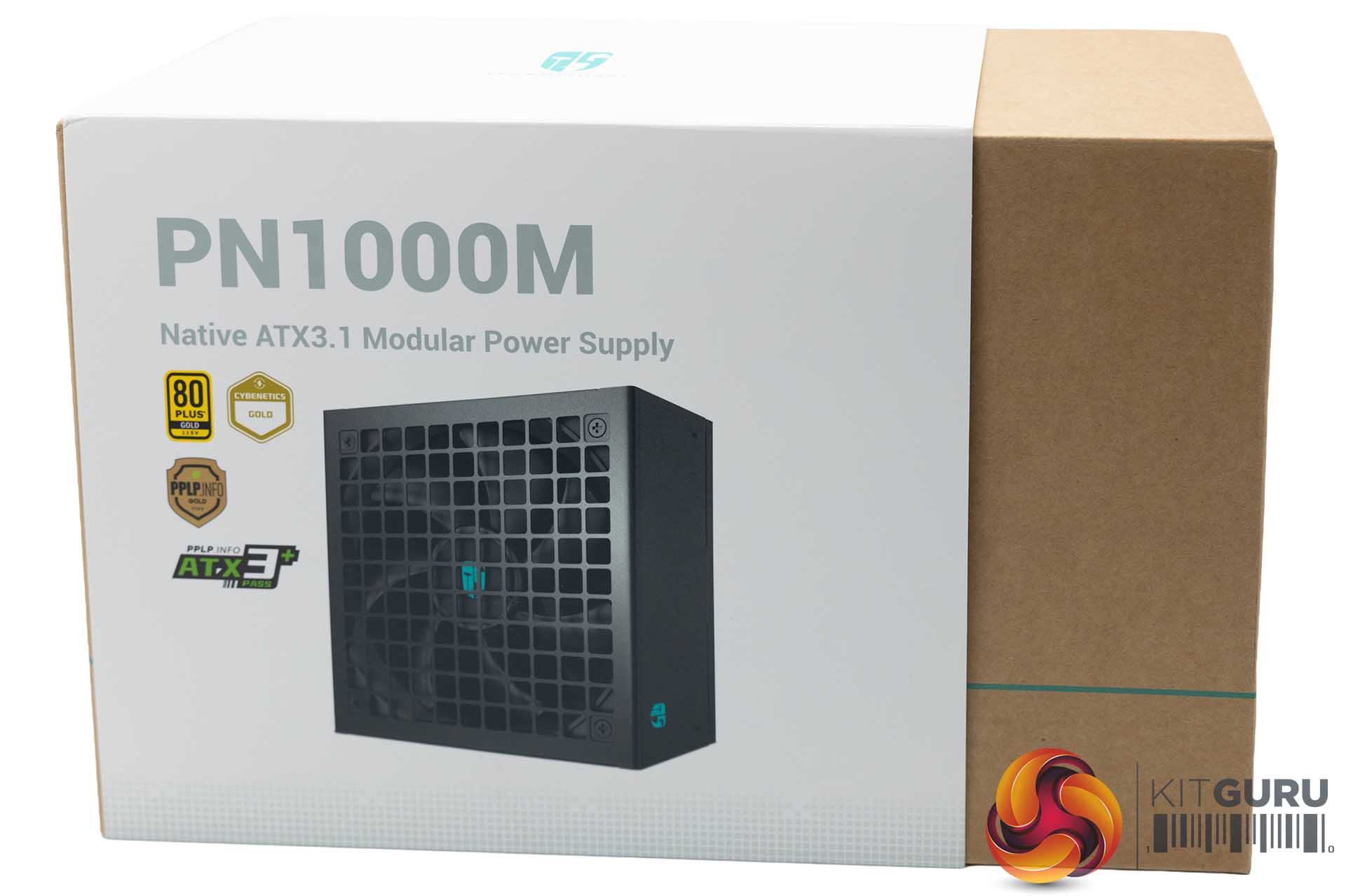
The PN1000M ships in a brown cardboard box with a slipcover showing some key selling points, along with an image of the power supply on the front.
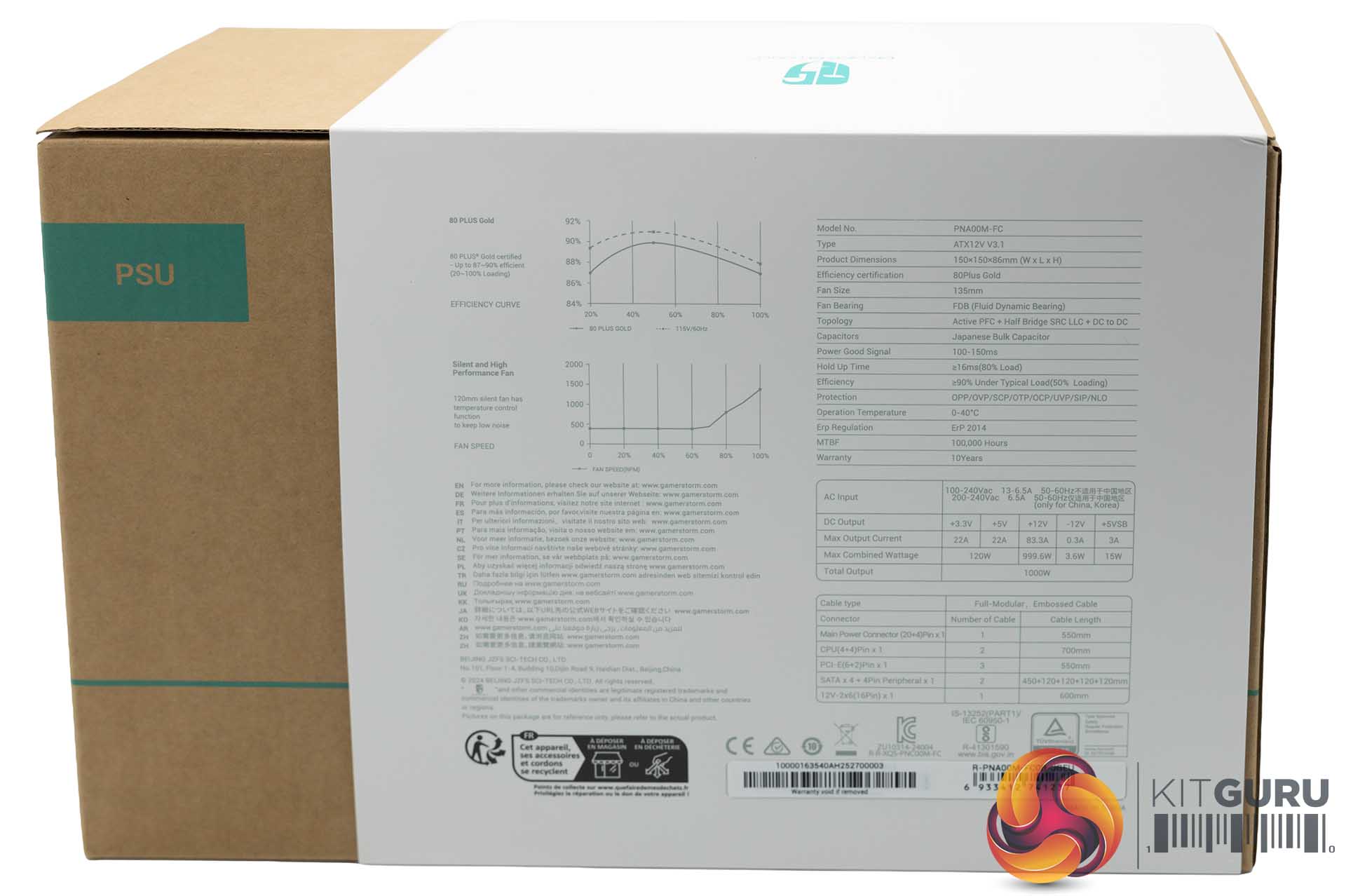
The rear of the box highlights some key specifications and an 80 Plus Gold graph above some basic information on the fan speeds.
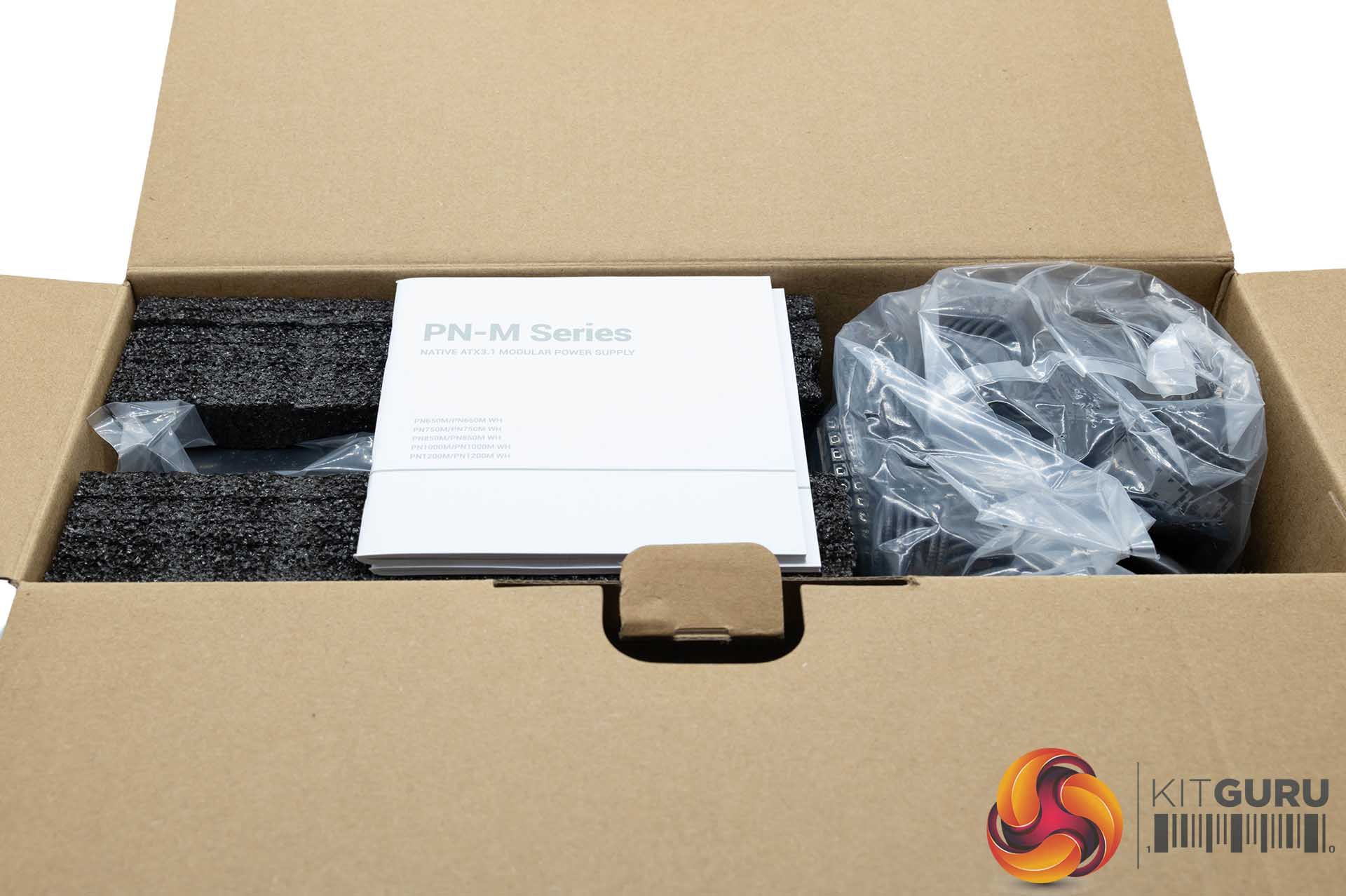
Inside the box we can see the power supply ships sandwiched between thick foam panels, with the cables at the side in a bag.
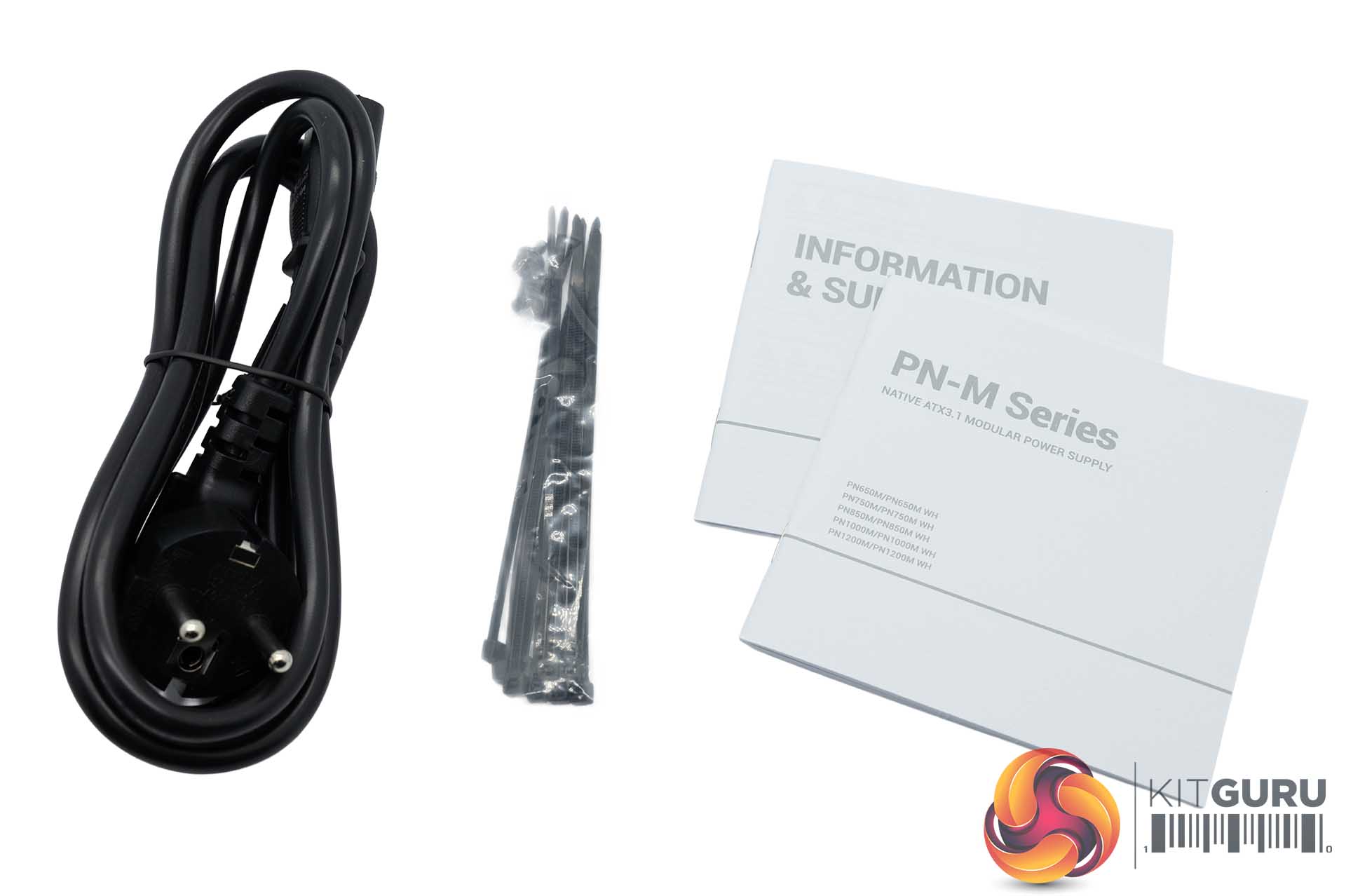
Accessories include some literature on the product, a regional specific power cable and some cable ties, with mounting screws.
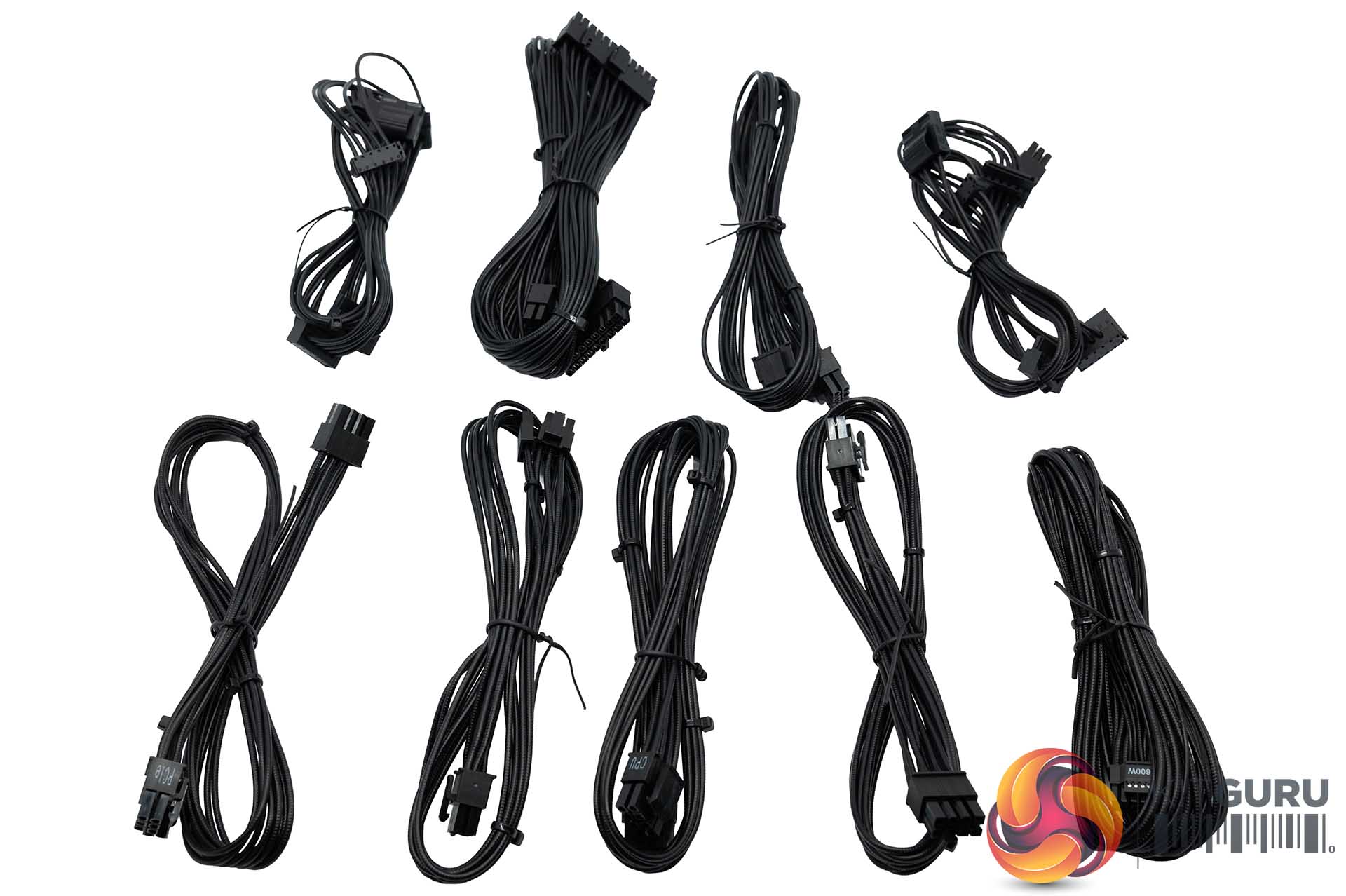
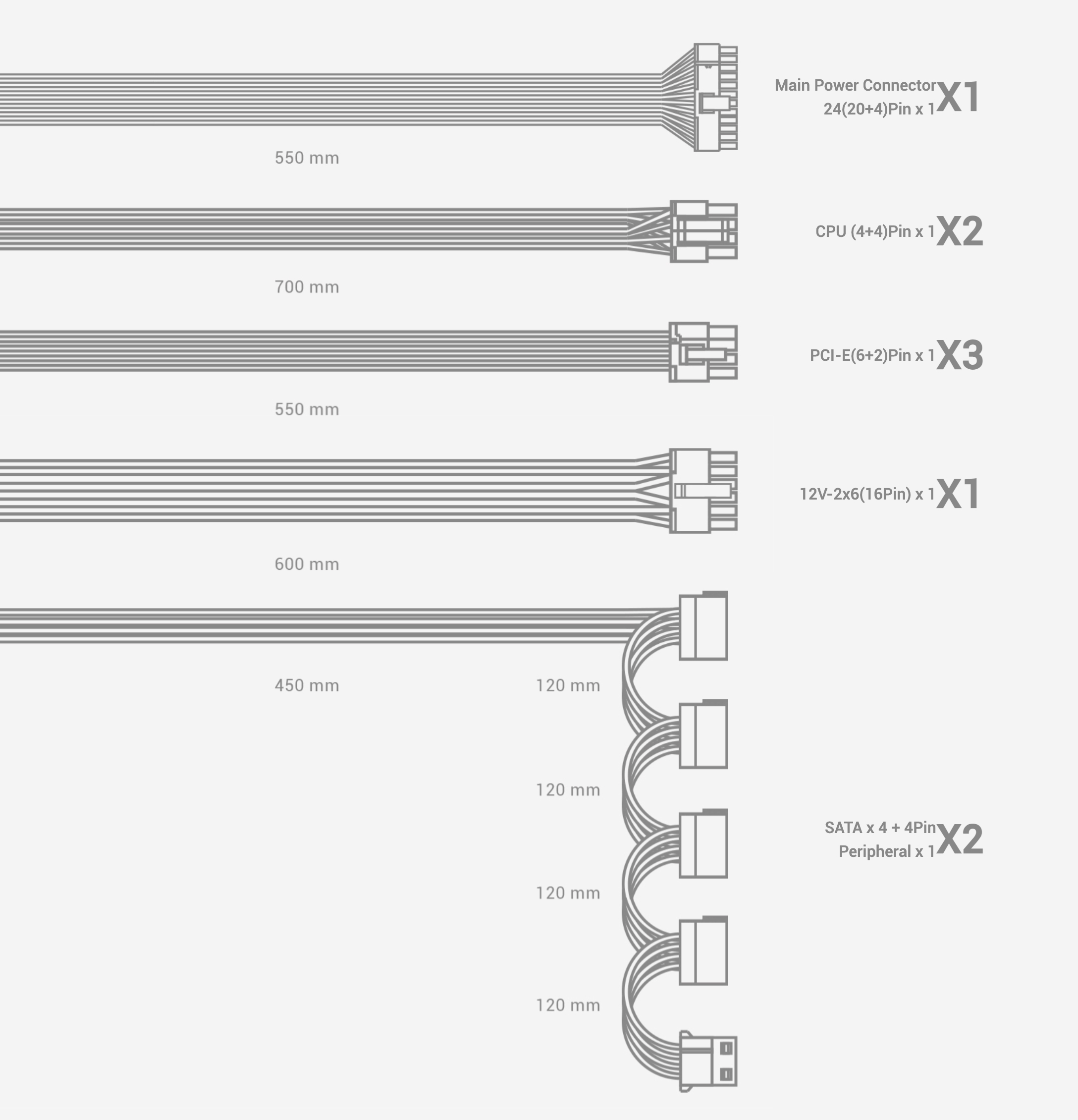
The cable quality is fine, nothing too fancy, which is expected at this competitive price point. They are sleeved, which is good, and there are no in-cable capacitors on any of them. The cable gauge is between 16-18AWG.
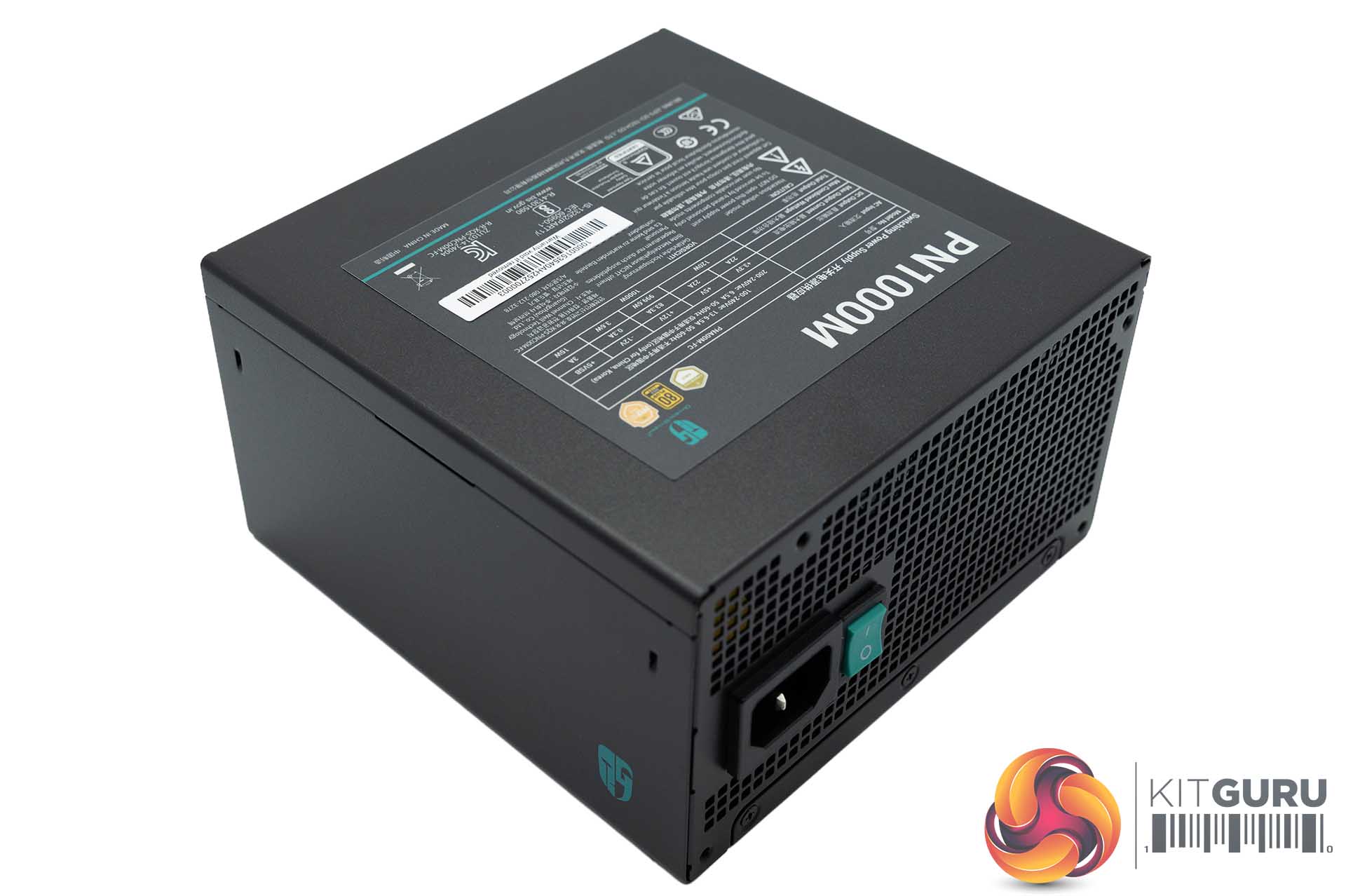
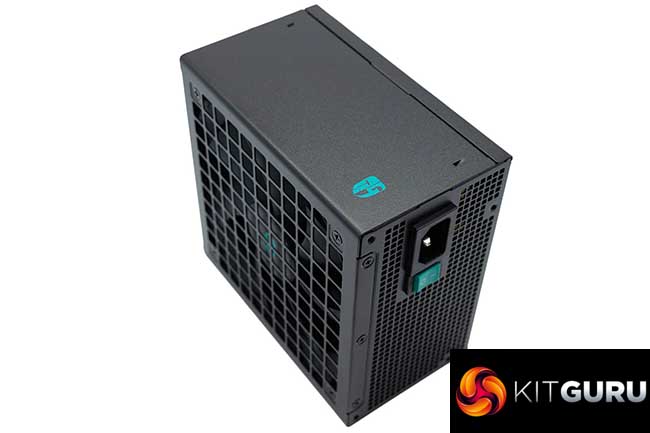
The PN1000M is a simple-looking power supply with some coloured accents on various buttons and switches. It measures 150 mm x 85 mm x 150 mm and weighs 1.7kg. This size will fit into the majority of cases on the market today.
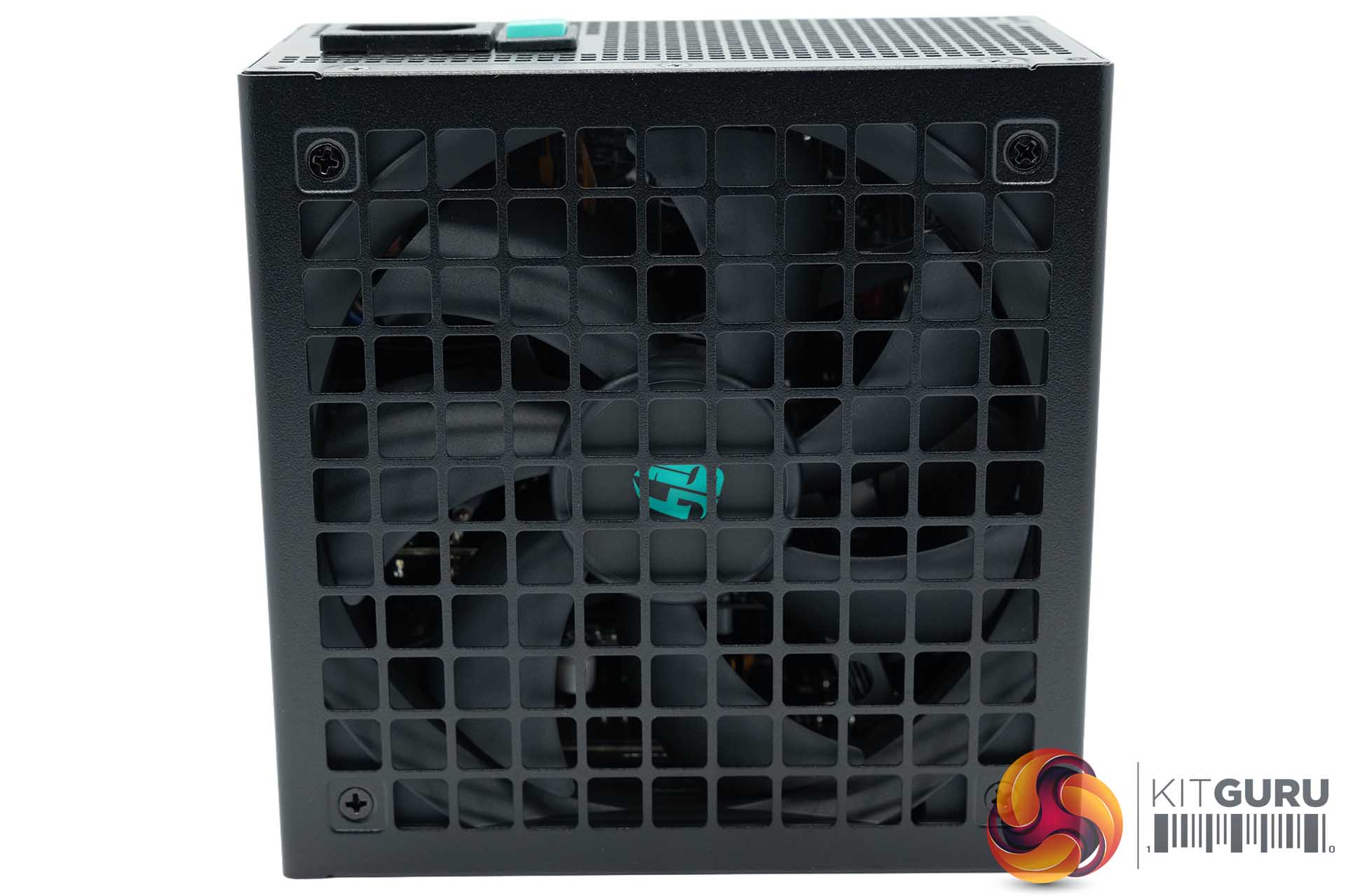
The top of the power supply is heavily vented with the fan underneath. I quite like this cut design, it will offer a lot of airflow capabilities and it looks pretty cool, too.
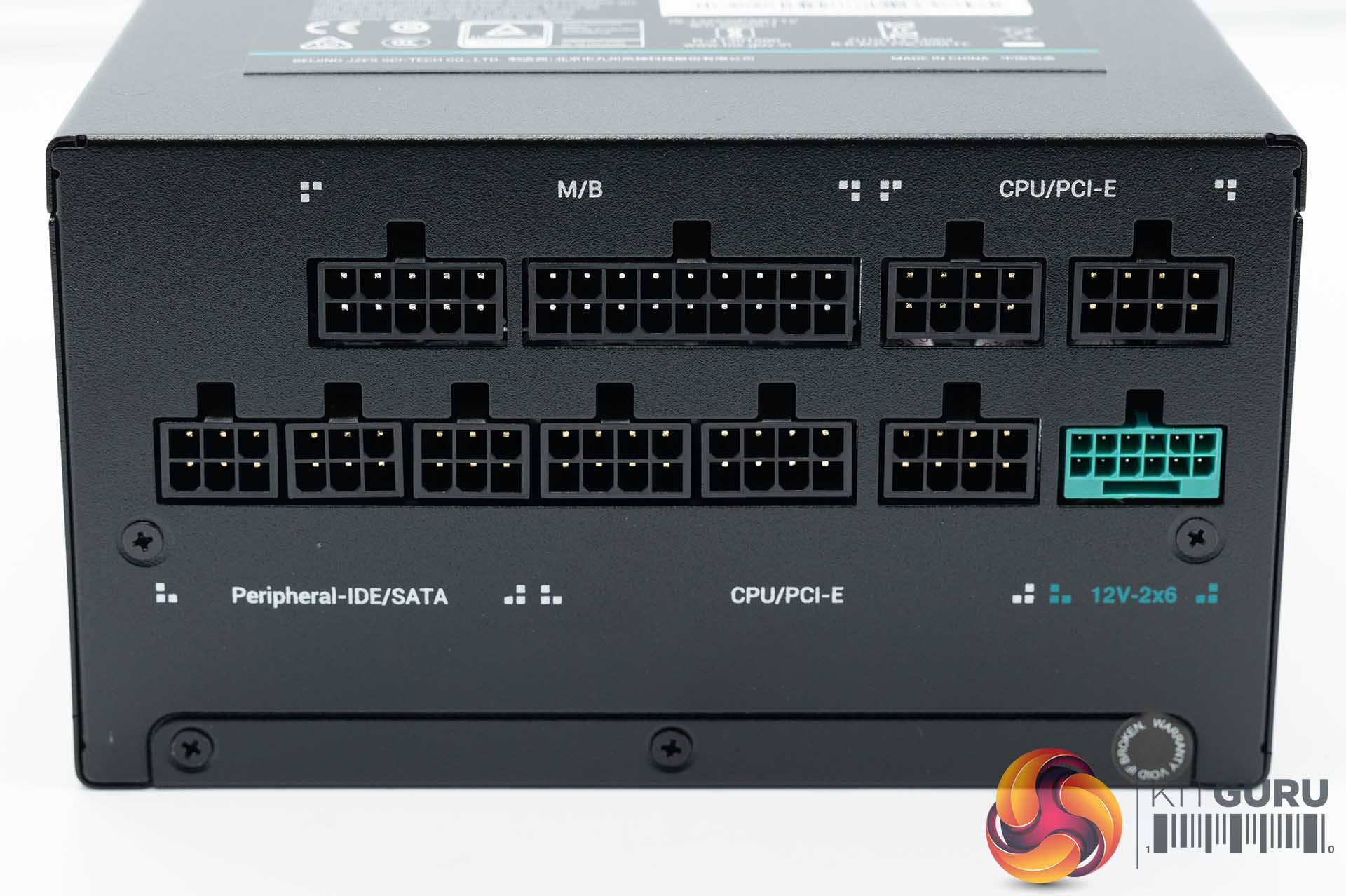
The modular side of the power supply is nicely laid out, across two rows. All connectors are labelled well. The 12V 2×6 connector is coloured to stand out from the others.
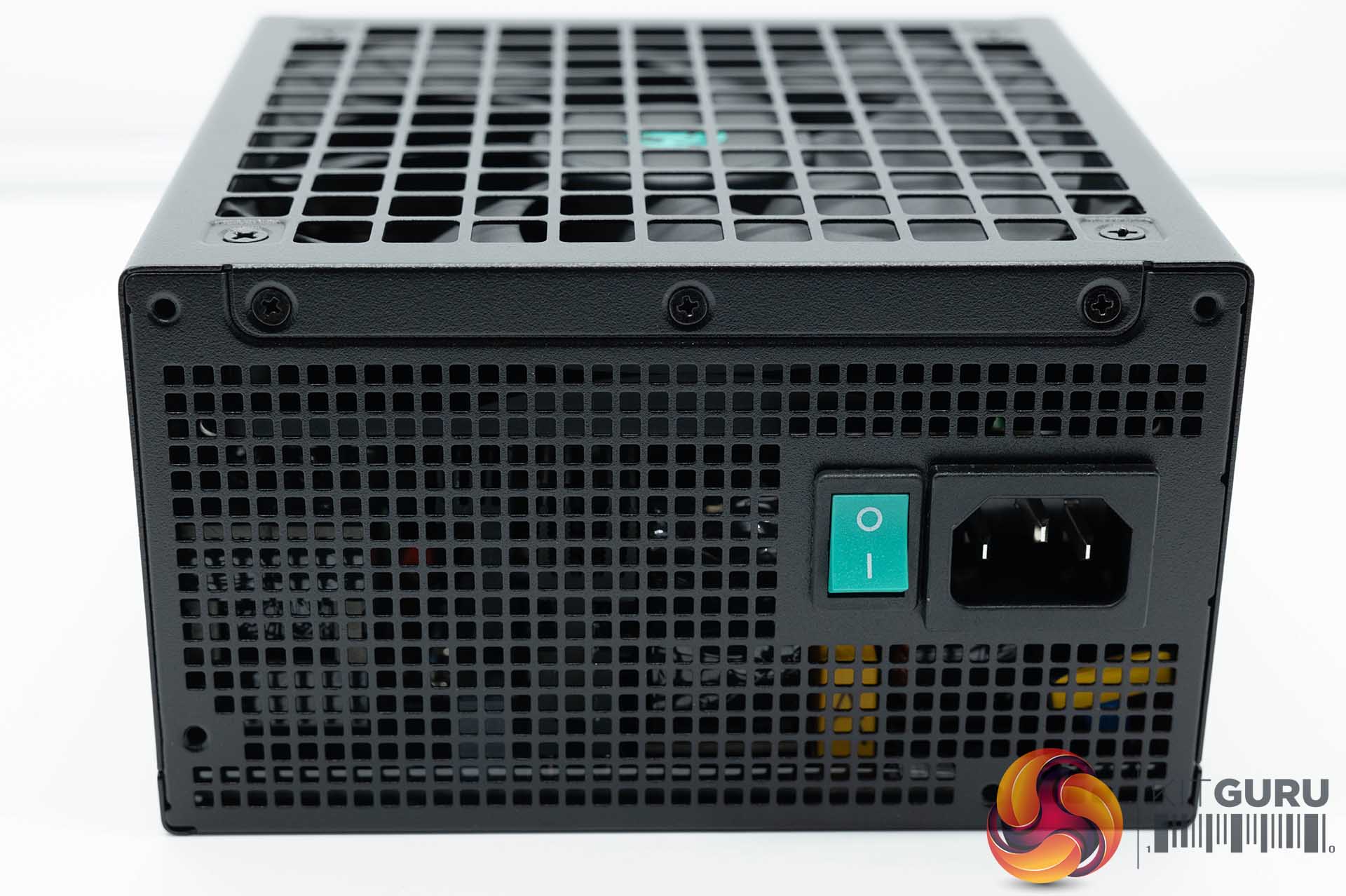
The power side of the supply has a single power switch and connector for the cable. This side is vented to help with airflow during use. I have to say I like the little touches of turquoise on some of the ports, switches and logo etchings. I normally am not a fan of colour on power supplies, but it is a subtle addition.
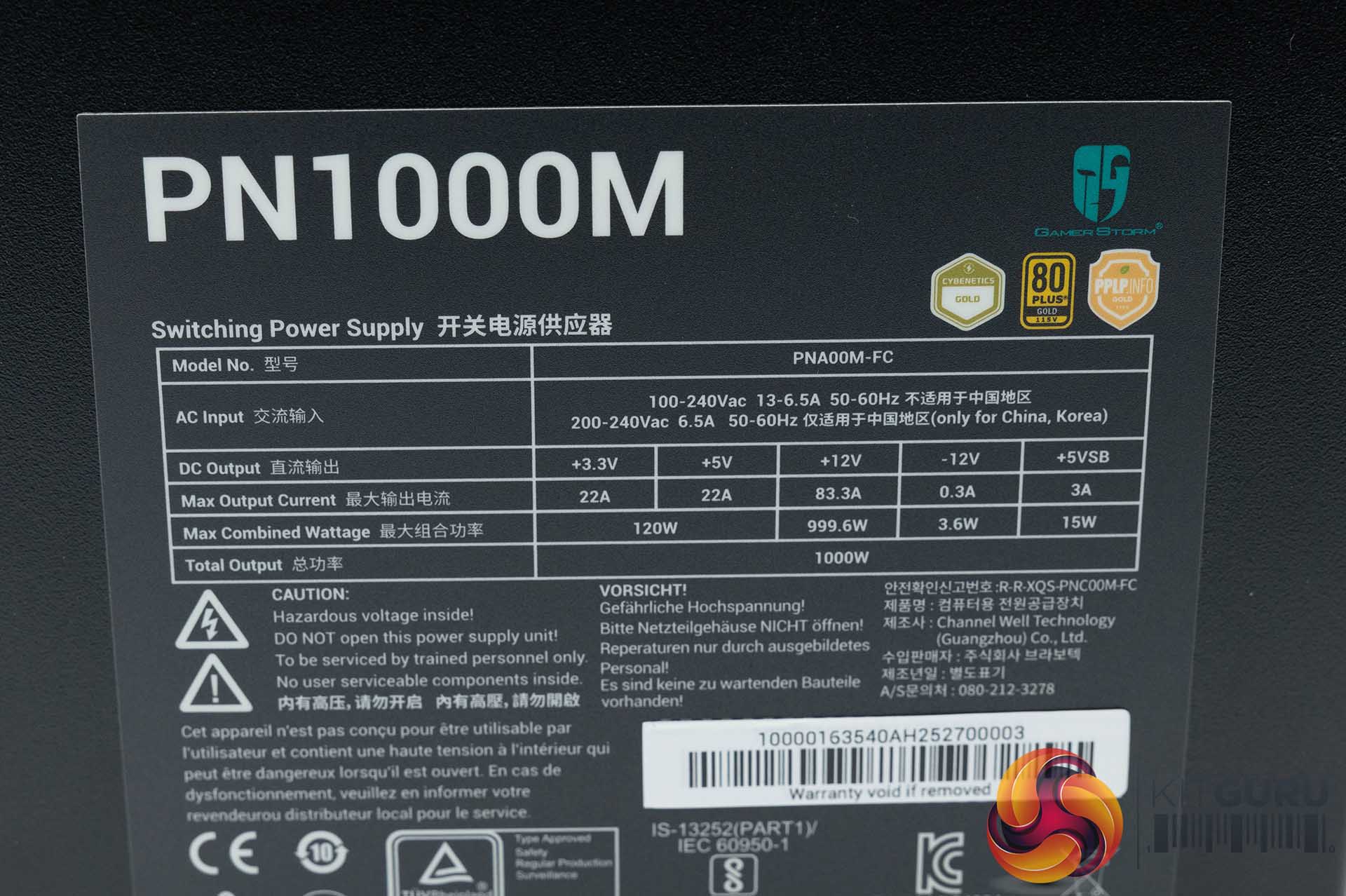
The PN1000M can deliver 83.3A via the +12V rail for 999.6W and 22A on both +3.3V and +5V minor rails. DeepCool have both Cybenetics Gold and 80 Plus Gold Certified badges here as well.
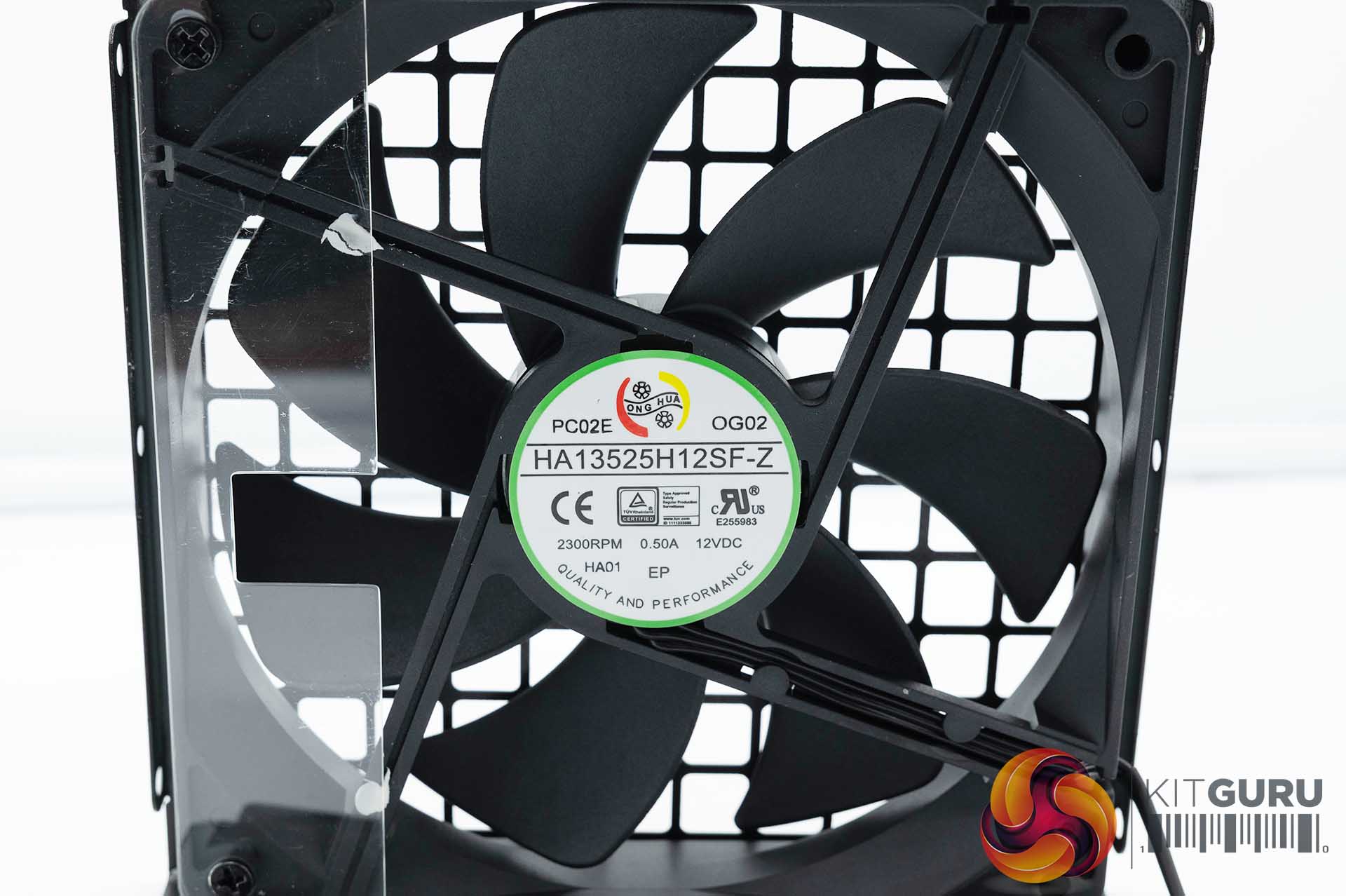
This unit adopts a 135mm quality Hong Hua HA13525H12SF-Z fan. This is a fluid dynamic bearing (FDB) fan, rated 12V, 0.5A with a maximum rotational speed of 2,300 rpm.
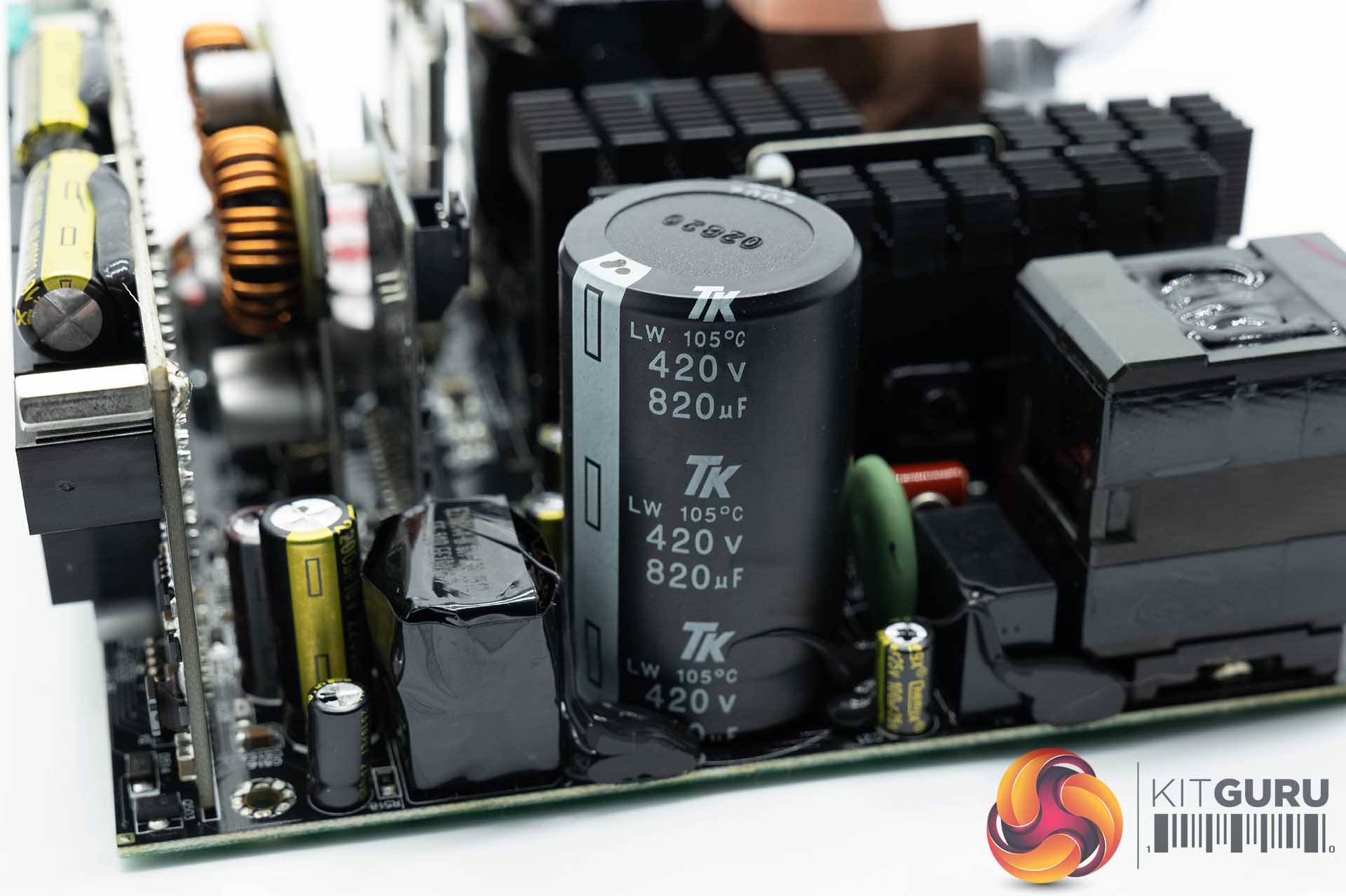
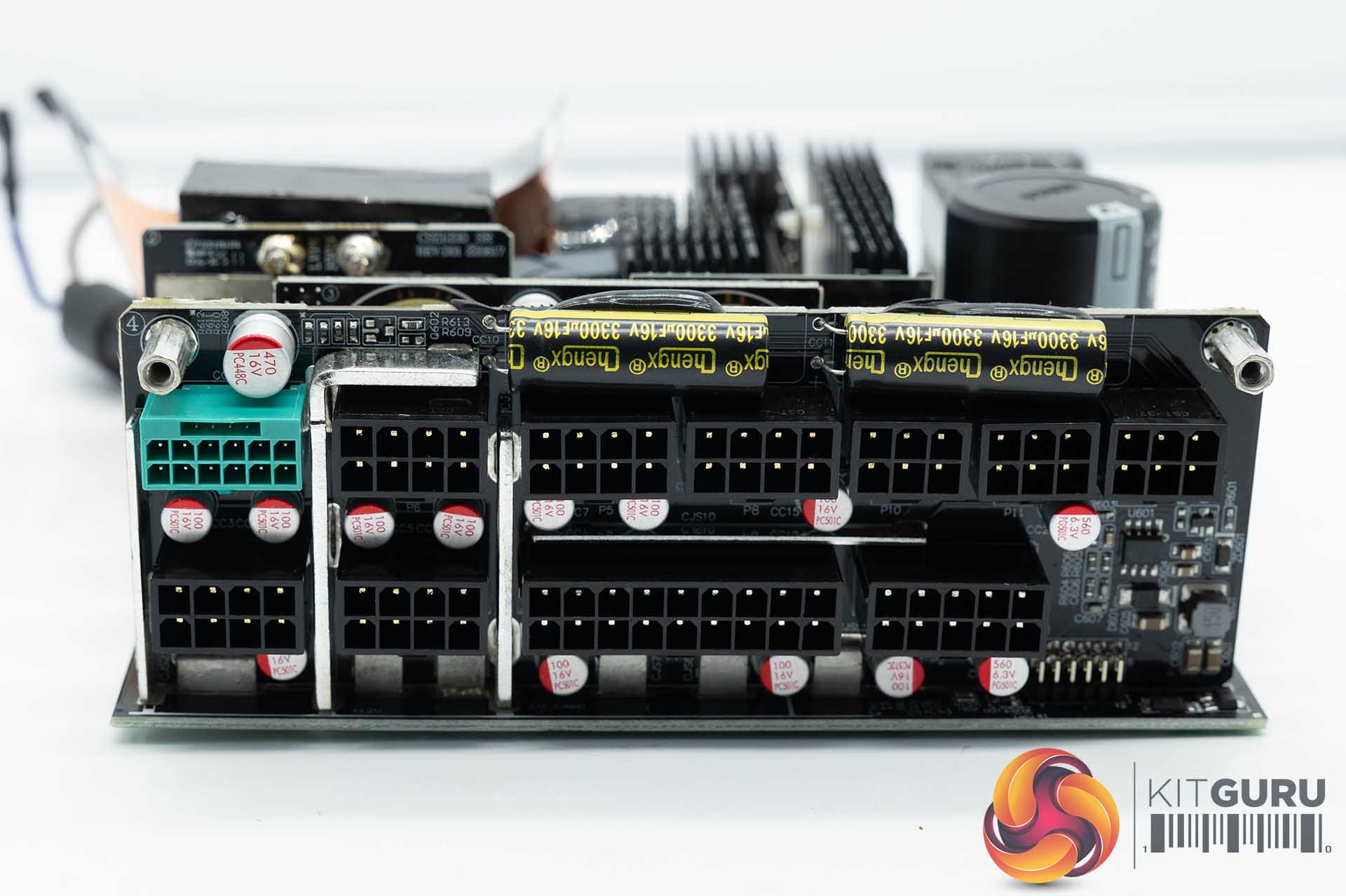
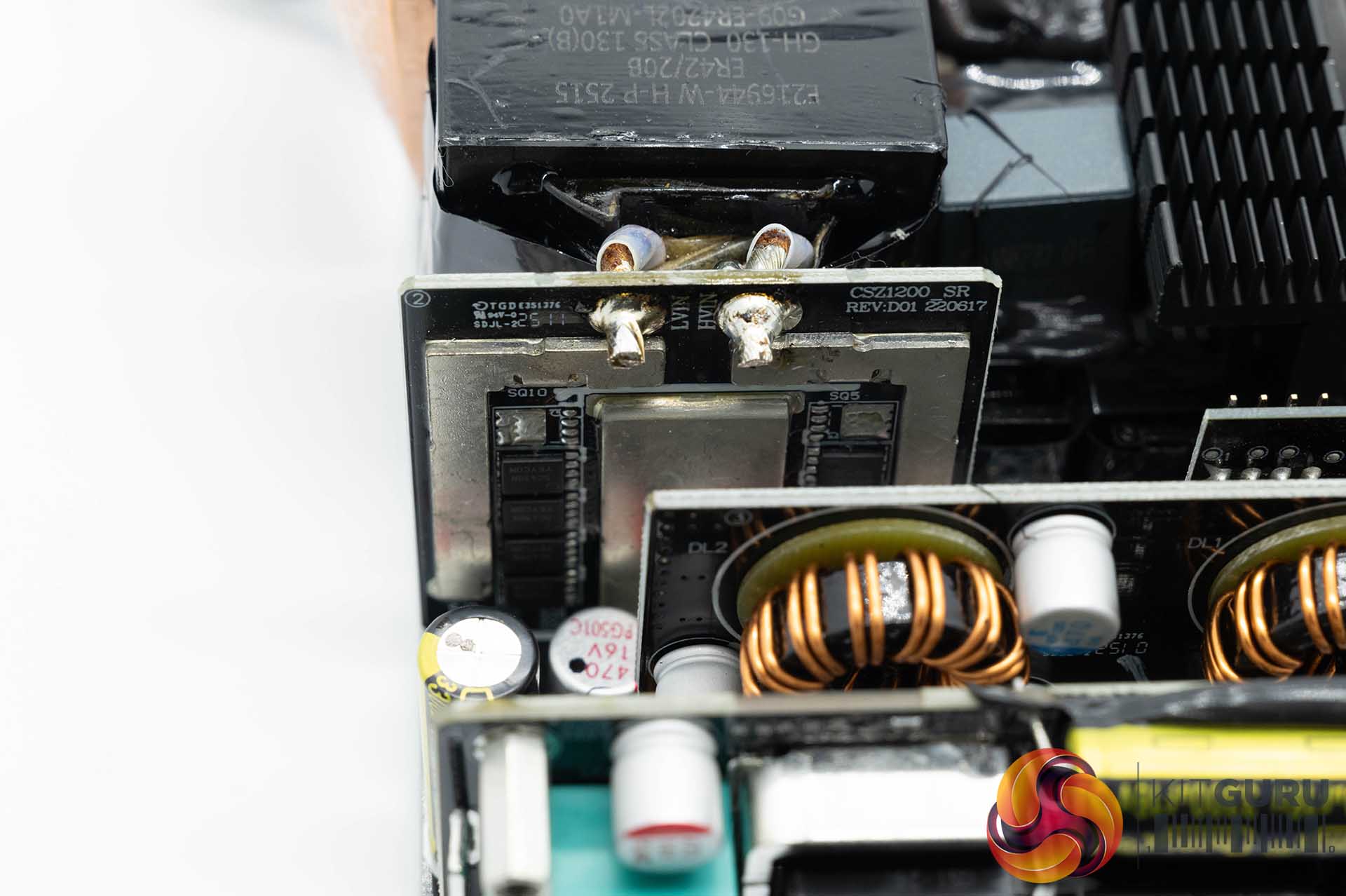
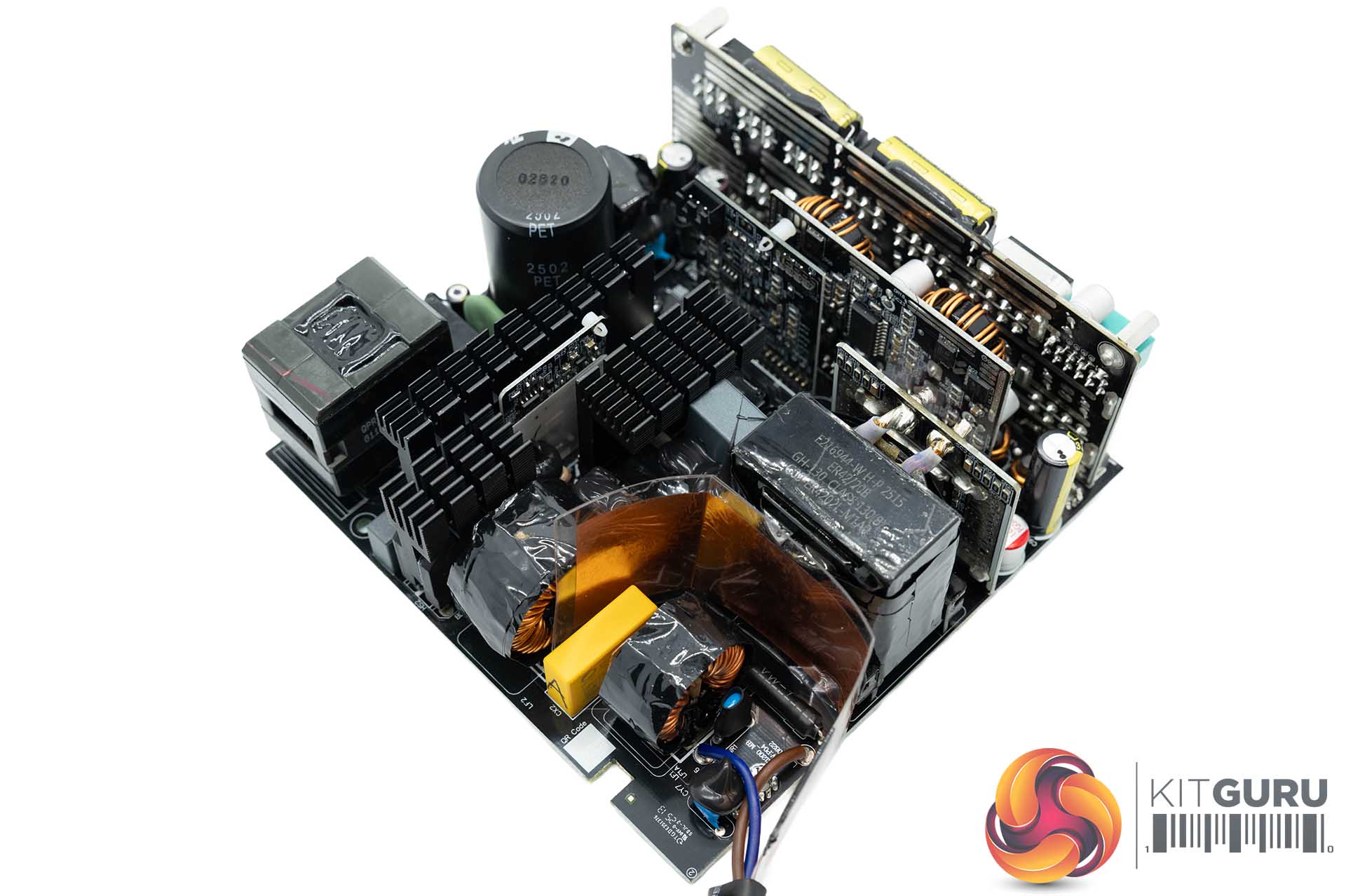
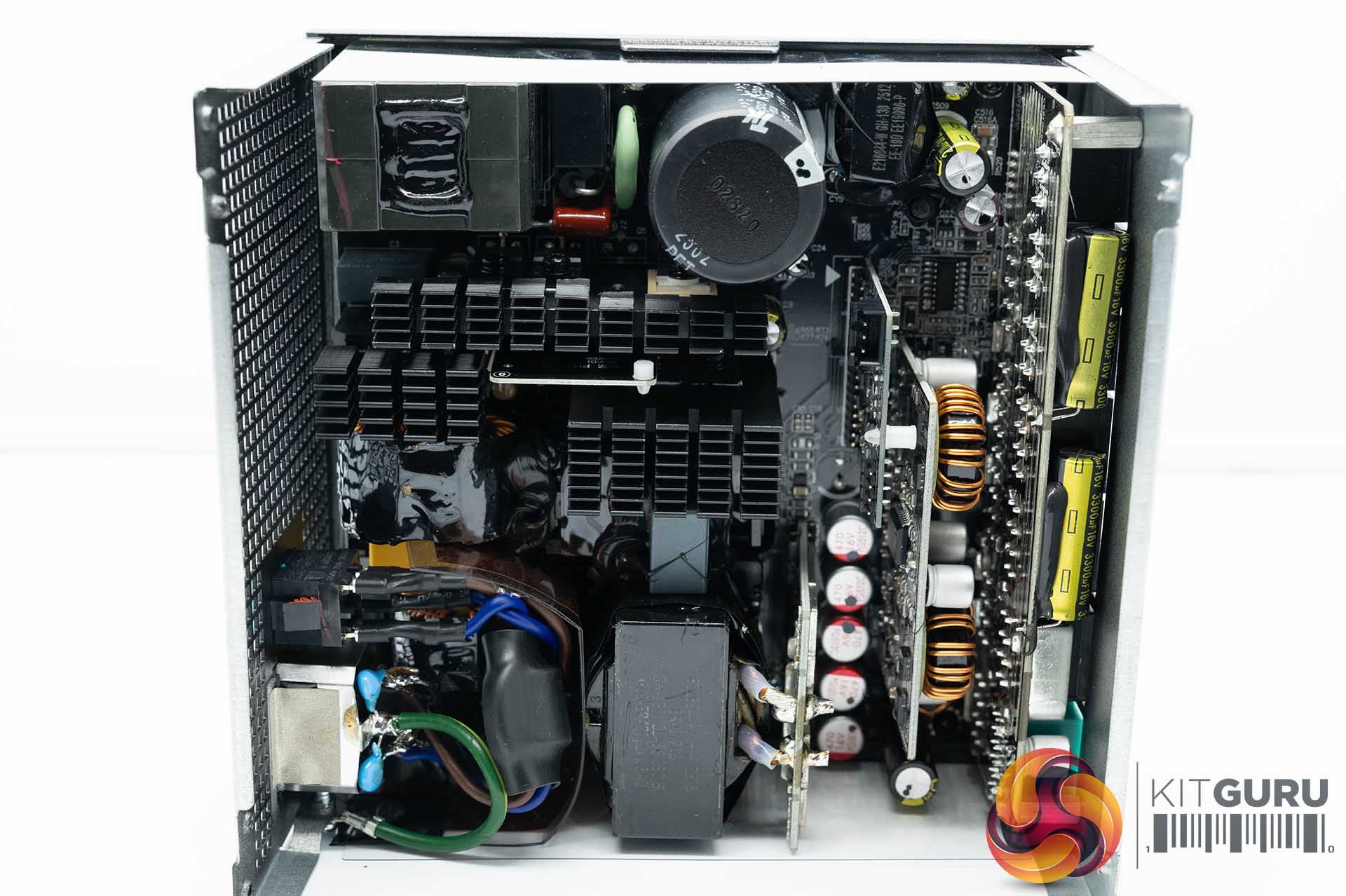
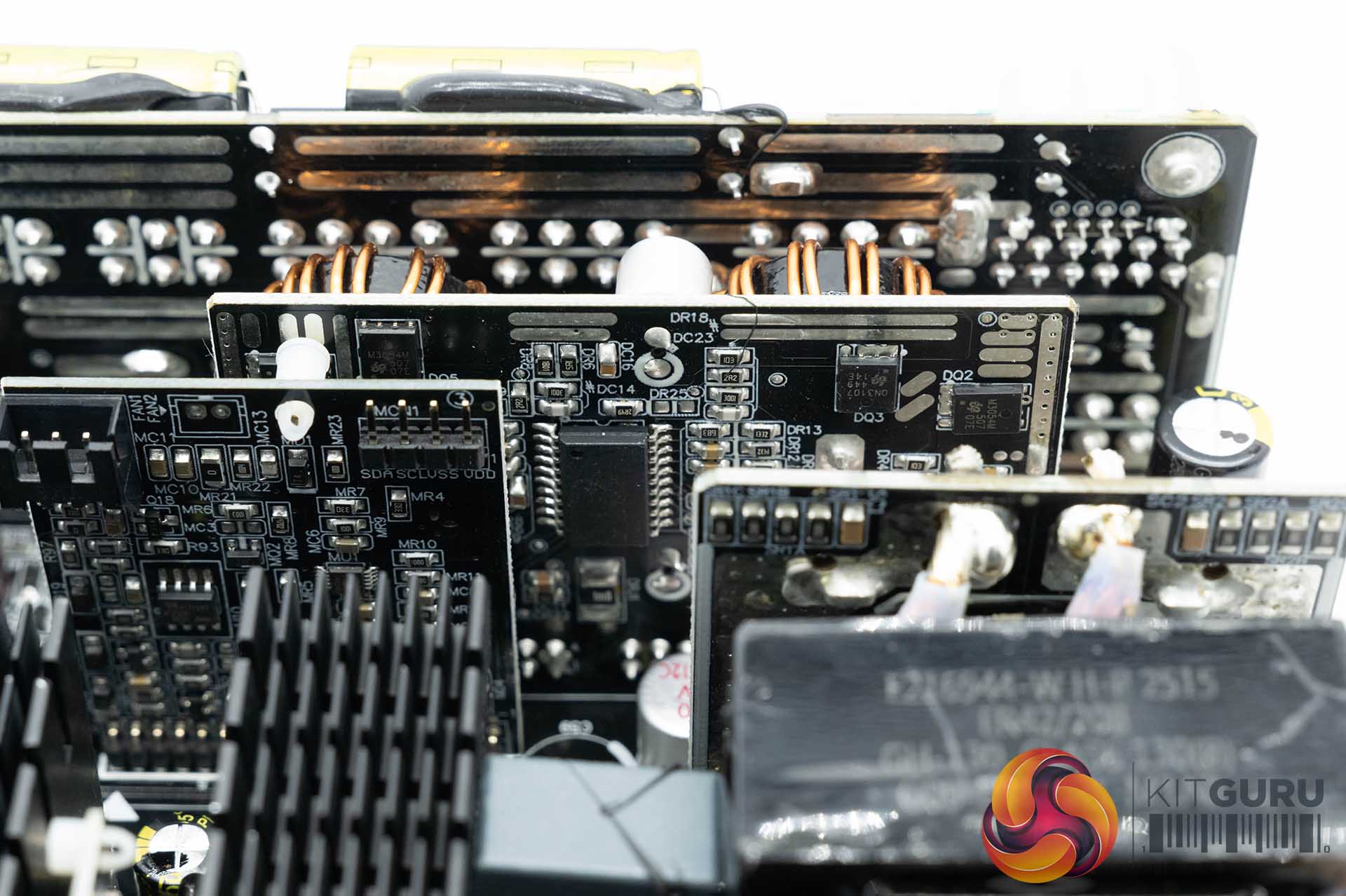
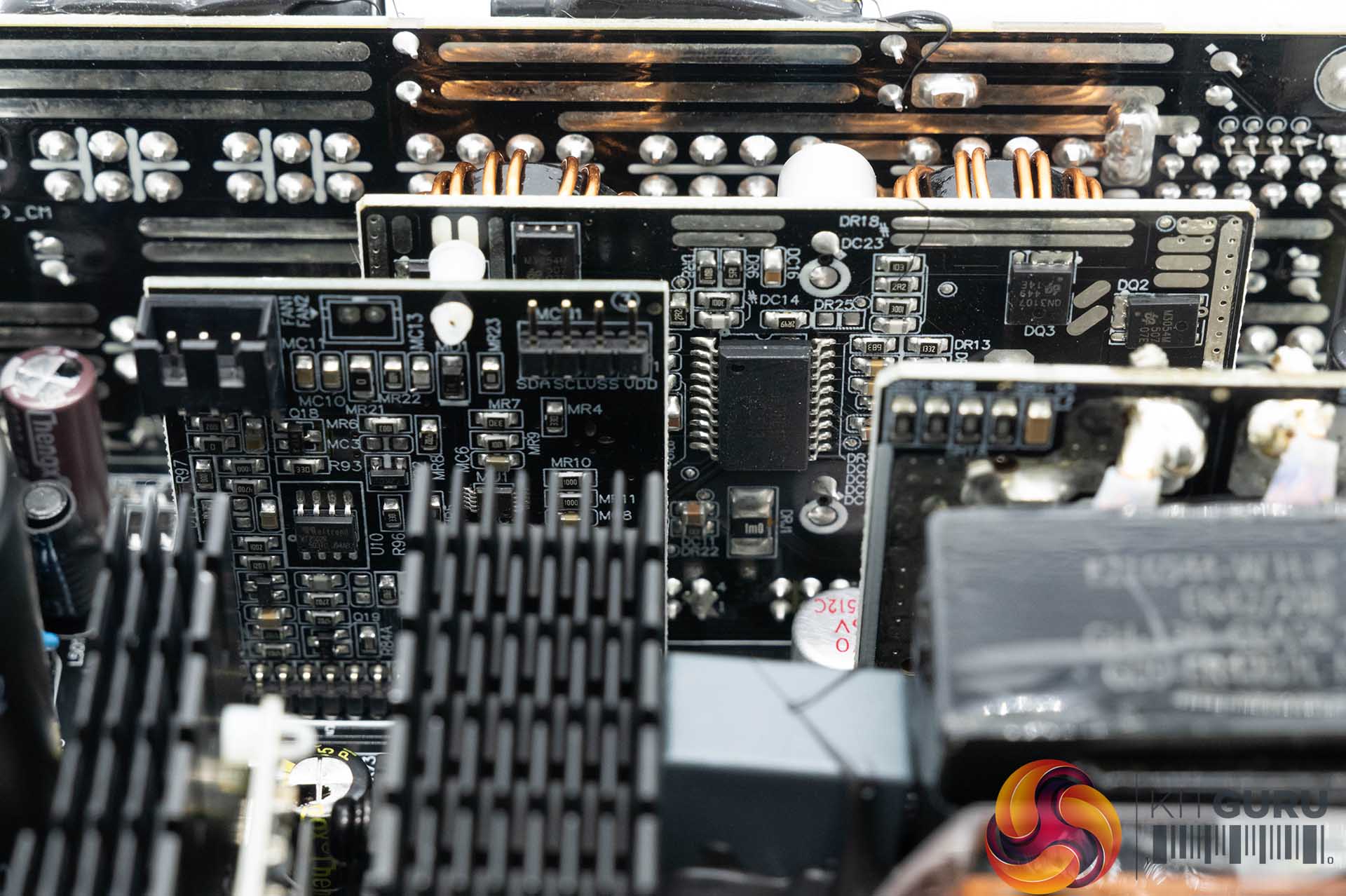
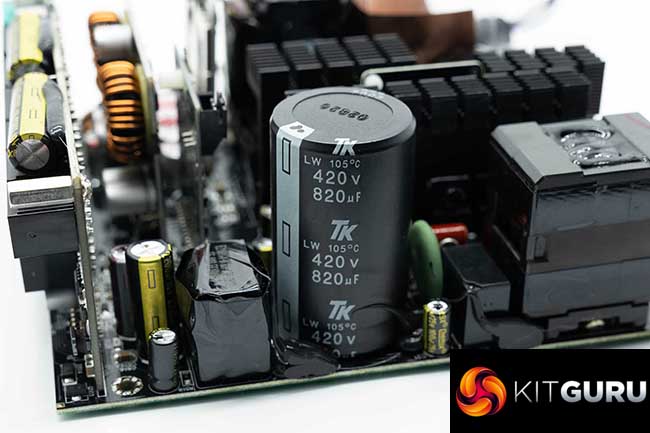
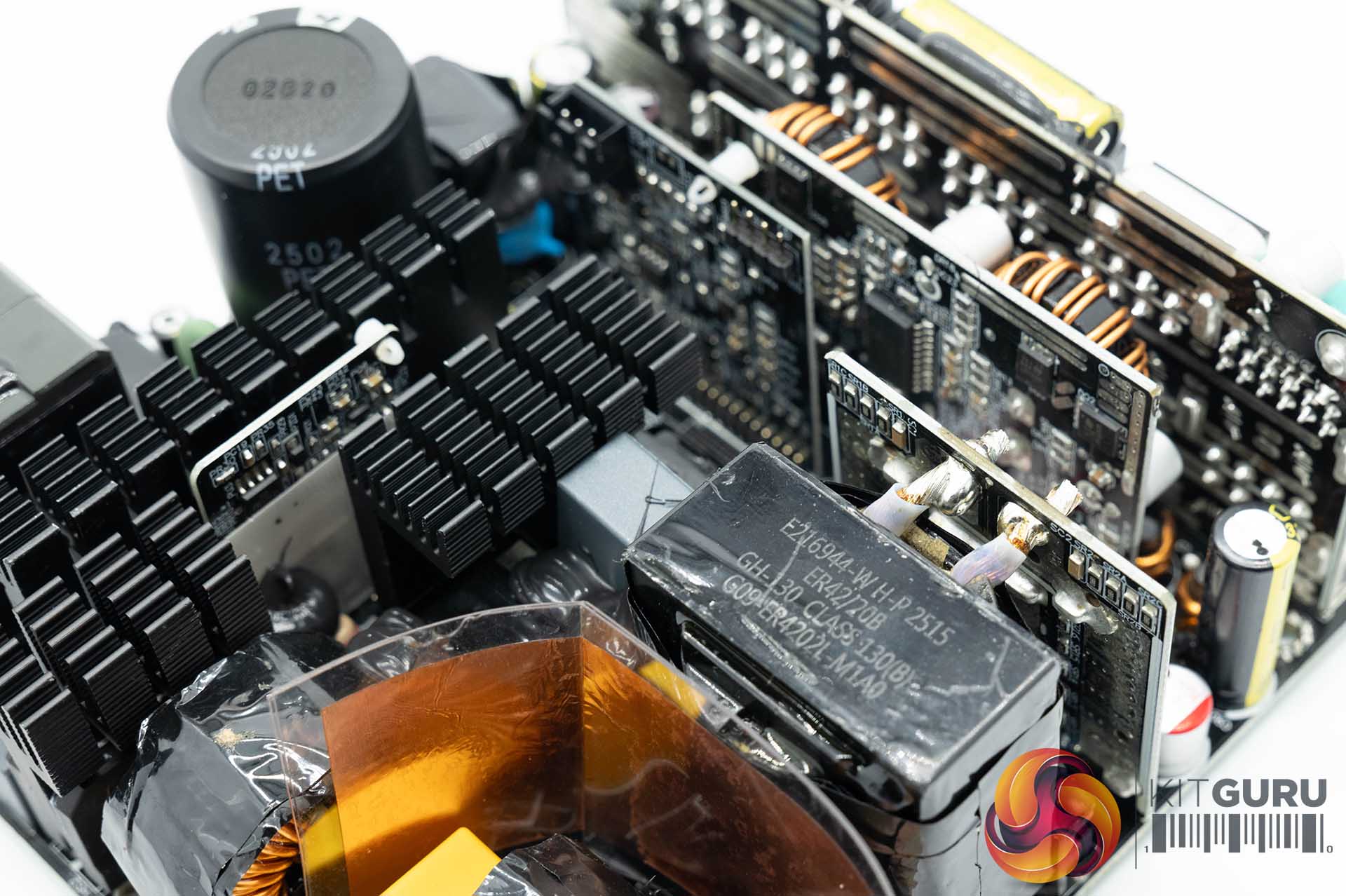
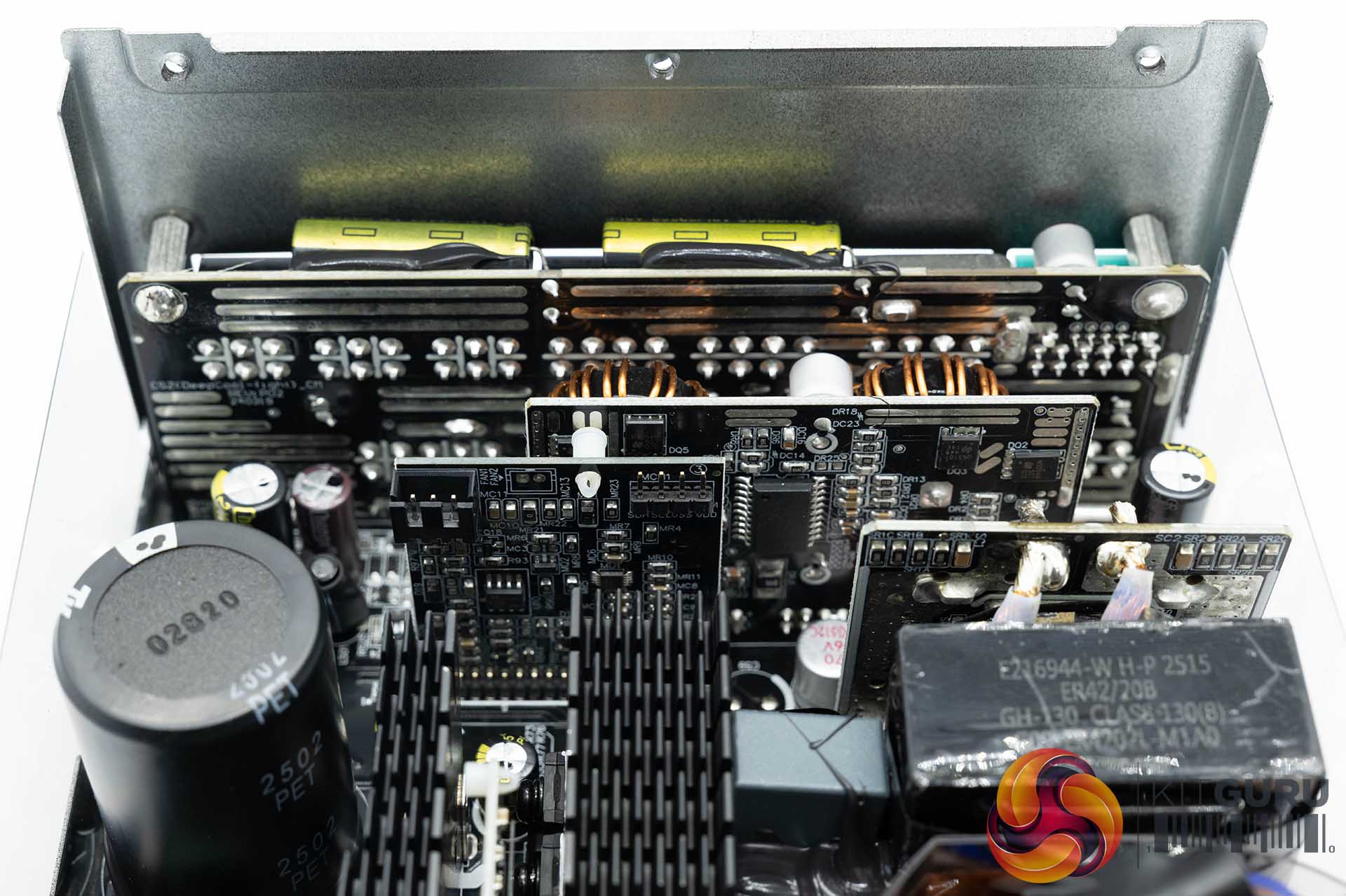
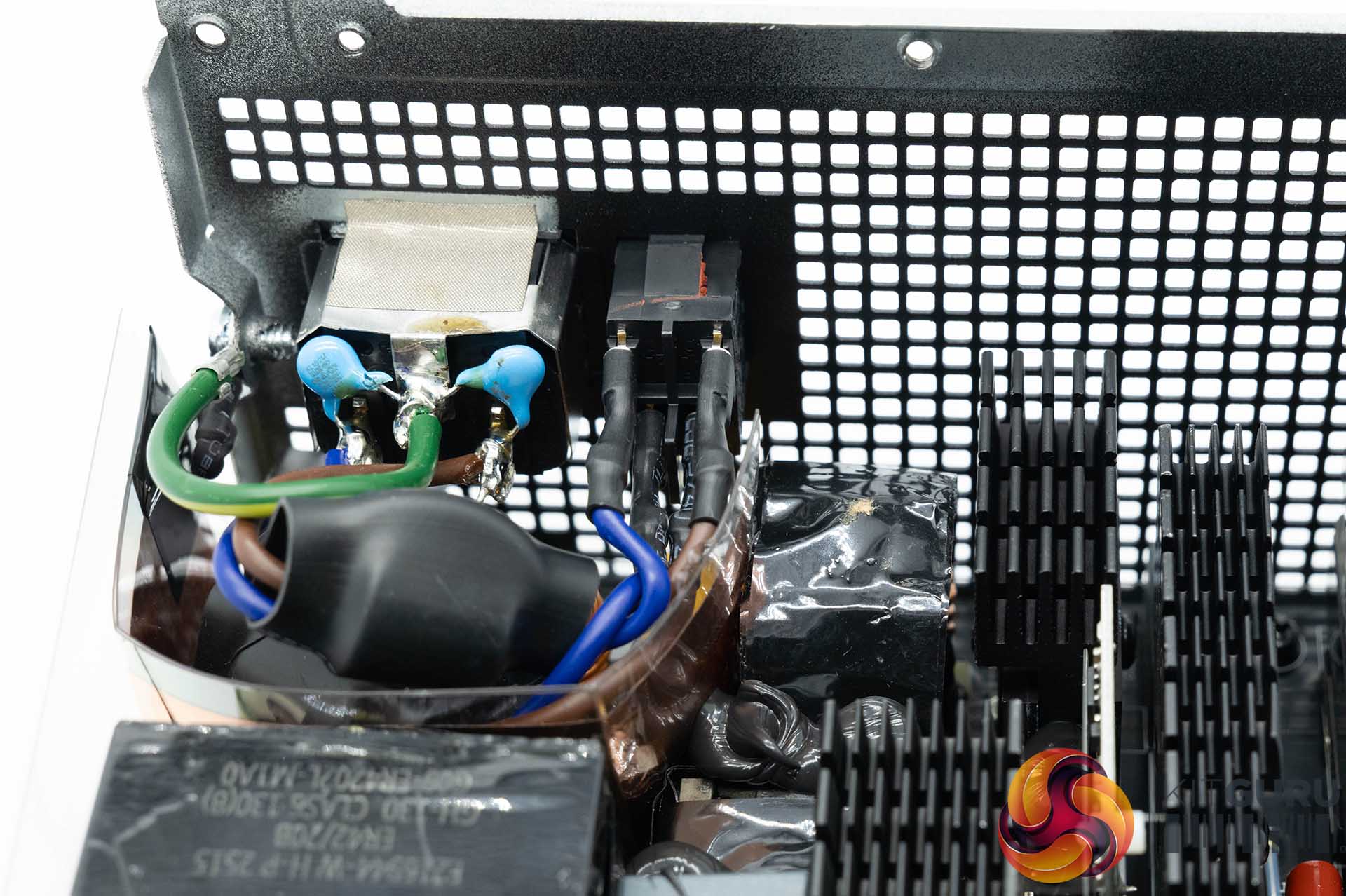
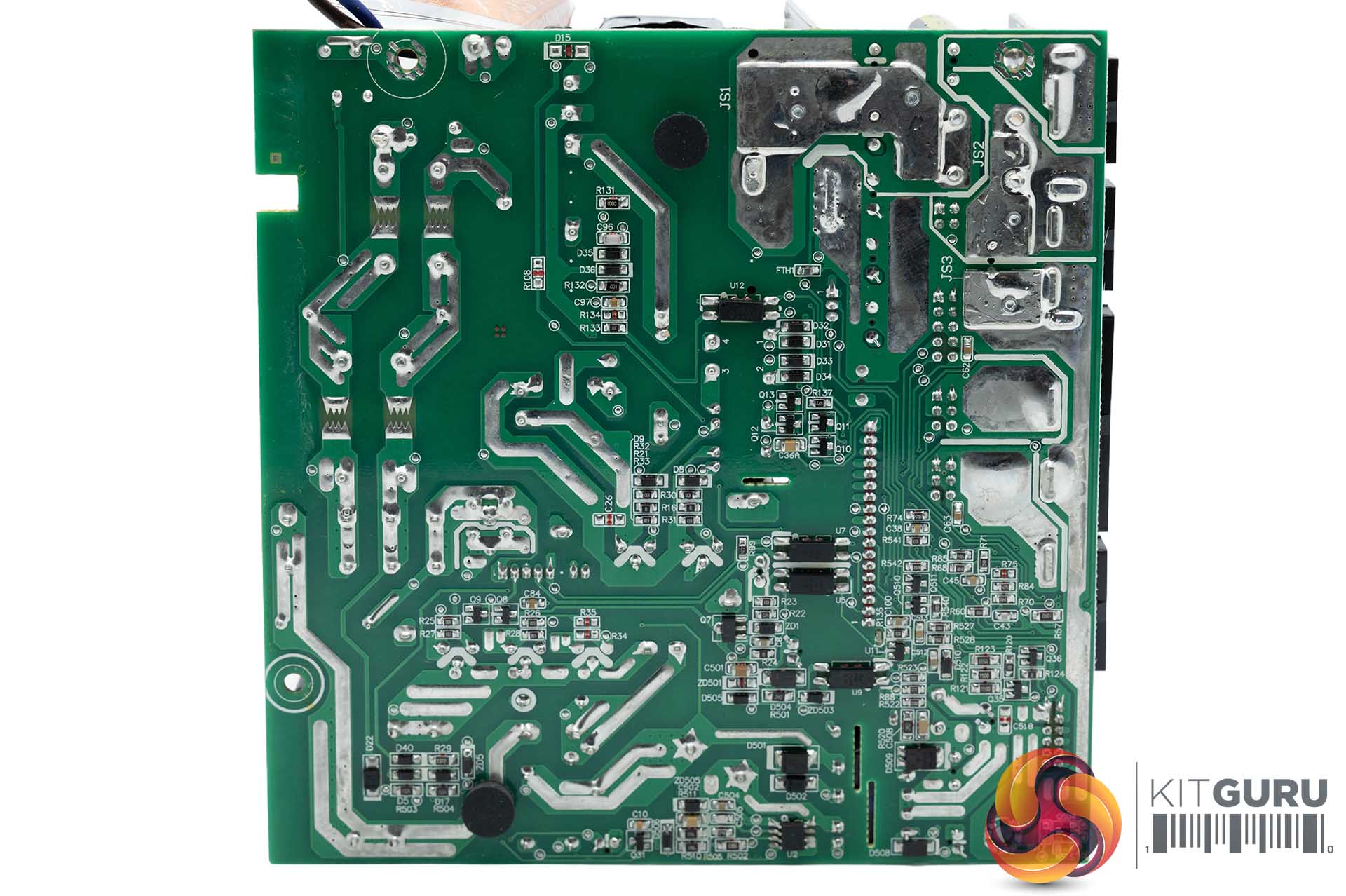
The OEM for this power supply is Channel Well Technology (CWT) and it's under their CSZ umbrella of design codes. This is a half bridge topology with an LLC resonant converter on the primary side. The secondary side uses a synchronous rectification scheme with two VRMs generating the minor rails.
Build quality overall is pretty high and soldering quality on the main PCB is very good too. The primary stage capacitor is by TK – a company we don't often see in our power supply review tests. TK are a highly regarded Japanese brand and the primary 105C-rated cap in this unit is rated 420V with an output of 820uF. Caps on the secondary side are pretty good quality too (although not Japanese), from the likes of Elite and Chengx.
The unit is equipped with OPP, OVP, SCP, OTP, OCP, UVP, NLO and SIP protections. (NLO means ‘no load operation' and SIP means ‘surge and inrush protection').
Correctly testing power supplies is a complex procedure and KitGuru have configured a test bench which can deliver up to a 2,000 Watt DC load.
We test ambient temperatures at 35c in our environment to greater reflect warmer internal chassis conditions.
We use combinations of the following hardware:
• SunMoon SM-268
• CSI3710A Programmable DC load (+3.3V and +5V outputs)
• CSI3711A Programmable DC load (+12V1, +12V2, +12V3, and +12V4)
• Extech Power Analyzer
• Extech MultiMaster MM570 digital multimeter
• SkyTronic DSL 2 Digital Sound Level Meter (6-130dBa)
• Digital oscilloscope (20M S/s with 12 Bit ADC)
• Variable Autotransformer, 1.4 KVA
We test in a single +12V configuration.
|
DC Output Load Regulation
|
||||||||||
|
Combined DC Load |
+3.3V
|
+5V
|
+12V
|
+5VSB
|
-12V | |||||
|
A
|
V
|
A
|
V
|
A
|
V
|
A
|
V
|
A | V | |
|
100W
|
0.90
|
3.33
|
0.90
|
5.04
|
7.35
|
12.16
|
0.50
|
5.00
|
0.20
|
-12.01
|
|
200W
|
1.60
|
3.33
|
1.64
|
5.04
|
15.13
|
12.15
|
1.00
|
5.00
|
0.20
|
-12.02
|
|
500W
|
3.21
|
3.33
|
3.24
|
5.03
|
38.60
|
12.08
|
1.50
|
5.00
|
0.20
|
-12.01
|
| 750W |
4.03
|
3.32
|
4.17
|
5.01
|
58.53
|
12.03
|
2.00
|
5.00
|
0.30
|
-12.01
|
|
1000W
|
5.45
|
3.32
|
5.51
|
5.01
|
78.13
|
12.00
|
2.50
|
5.01
|
0.30
|
-12.01
|
The load regulation of this power supply is average with a fair bit of fluctuation on +12V.
Next we want to try Cross Loading. This basically means loads which are not balanced. If a PC for instance needs 500W on the +12V outputs but something like 30W via the combined 3.3V and +5V outputs then the voltage regulation can fluctuate badly.
The power supply had no problems sustaining at constant 1000W load.
| Cross Load Testing | +3.3V | +5V | +12V | -12V | +5VSB | |||||
| A | V | A | V | A | V | A | V | A | V | |
| 885W | 2.0 | 3.33 | 2.0 | 5.03 | 72.0 | 12.00 | 0.2 | -12.02 | 0.50 | 5.01 |
| 240W | 20.0 | 3.31 | 21.0 | 4.98 | 2.0 | 12.15 | 0.2 | -12.01 | 0.50 | 5.01 |
The supply handled our cross load test without any major problems but it is far from the best results we have seen in recent years.
We then used an oscilloscope to measure AC ripple and noise present on the DC outputs. We set the oscilloscope time base to check for AC ripple at both high and low ends of the spectrum. ATX12V V2.2 specification for DC output ripple and noise is defined in the ATX 12V power supply design guide.
|
ATX12V Ver 2.2 Noise/Ripple Tolerance
|
|
|
Output
|
Ripple (mV p-p)
|
|
+3.3V
|
50
|
|
+5V
|
50
|
|
+12V1
|
120
|
|
+12V2
|
120
|
|
-12V
|
120
|
|
+5VSB
|
50
|
Obviously when measuring AC noise and ripple on the DC outputs, the cleaner (less recorded) means we have a better end result. We measured this AC signal amplitude to see how closely the unit complied with the ATX standard.
| AC Ripple (mV p-p) | ||||
| DC Load | +3.3V | +5V | +12V | 5VSB |
| 100W | 12 | 12 | 13 | 7 |
| 250W | 13 | 14 | 17 | 11 |
| 500W | 13 | 18 | 22 | 14 |
| 750W | 15 | 20 | 28 | 17 |
| 1000W | 17 | 22 | 32 | 20 |
Ripple noise suppression is pretty decent, with the minor rails falling around the 20mV mark under full load. The +12V rail peaks at around 32mV which is well within industry rated parameters. Not the best we have seen, but not the worst either.
|
Efficiency (%)
|
|
|
100W
|
89.7
|
|
250W
|
90.4 |
|
500W
|
92.6
|
|
750W
|
91.9
|
|
1000W
|
89.8
|
The efficiency results are fine for a gold rated unit, peaking at just over 92% in the sweet spot between 40-60% load. At full load the efficiency drops to just under 90%.
We take the issue of noise very seriously at KitGuru and this is why we have built a special home brew system as a reference point when we test noise levels of various components. Why do this? Well this means we can eliminate secondary noise pollution in the test room and concentrate on components we are testing. It also brings us slightly closer to industry standards, such as DIN 45635.
Today to test the Power Supply we have taken it into our acoustics room environment and have set our SkyTronic DSL 2 Digital Sound Level Meter (6-130dBa) one meter away from the unit. We have no other fans running so we can effectively measure just the noise from the unit itself.
As this can be a little confusing for people, here are various dBa ratings in with real world situations to help describe the various levels.
KitGuru noise guide
10dBA – Normal Breathing/Rustling Leaves
20-25dBA – Whisper
30dBA – High Quality Computer fan
40dBA – A Bubbling Brook, or a Refrigerator
50dBA – Normal Conversation
60dBA – Laughter
70dBA – Vacuum Cleaner or Hairdryer
80dBA – City Traffic or a Garbage Disposal
90dBA – Motorcycle or Lawnmower
100dBA – MP3 Player at maximum output
110dBA – Orchestra
120dBA – Front row rock concert/Jet Engine
130dBA – Threshold of Pain
140dBA – Military Jet takeoff/Gunshot (close range)
160dBA – Instant Perforation of eardrum
|
Noise (dBA)
|
|
|
100W
|
<28.0
|
|
250W
|
<28.0
|
|
500W
|
31.1
|
|
750W
|
33.2
|
| 1000W | 36.3 |
At modest loads, the FDB fan is unobtrusive, and while there is no semi-active mode, it's a reasonably quiet power supply under most load situations. In the last 250 watts of load, the fan does ramp up to deal with rising heat inside the chassis. At full load it is clearly audible, but this is not a realistic situation you should be in. If you need 1000 watts all the time, you should be considering a 1500 watt power supply.
|
Temperature (c)
|
||
|
Intake
|
Exhaust
|
|
|
100W
|
37
|
43
|
|
250W
|
38
|
46
|
|
500W
|
40
|
52
|
|
750W
|
45
|
59
|
|
1000W
|
46
|
65
|
Temperatures are pretty good overall.
The GamerStorm PN1000M is a well priced power supply set to target a wide audience of enthusiast users wanting a good power supply without spending a fortune. First impressions are positive – the unit is well finished and the nice subtle touches of turquoise on some of the switches, ports and logos really add to the appearance (to me anyway).
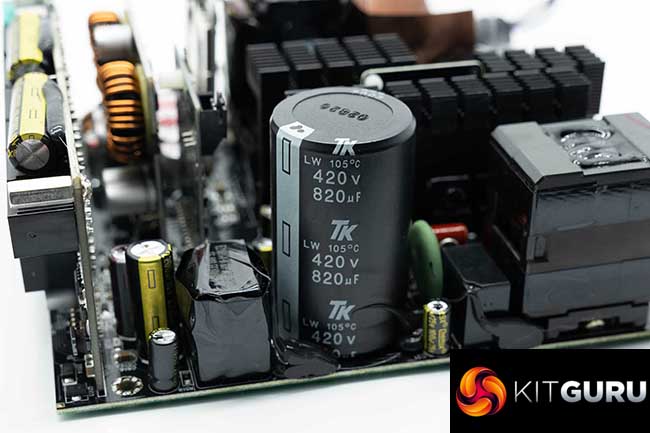
Technically the unit proved solid in our testing over the last week, and it is always good to see 105C-rated Japanese caps adopted by the companies involved. Load regulation was a little loose, but it did not trigger any stability or reliability issues with some intense multiple hour long stress tests. Ripple suppression, while not class leading, falls well within acceptable parameters.
The adoption of a Fluid Dynamic Bearing Hong Hua fan is always positive to see, and the unit remained relatively quiet and cool throughout the load range, with fan speeds and noise levels ramping up a little as the unit reached the top 20% of total load capabilities.
This unit is clearly designed to offer an attractive combination of performance for a modest asking price. The recommended retail price of 129.99 euros is competitive and is a lot less than leading Platinum units we regularly test. Unfortunately, as I live in the United Kingdom, I went on a hunt and could only find it for sale via an Amazon partner retailer for the bizarre price of £141.33 (HERE). This is a little more than I expected, but availability in some countries seems limited.
Pros:
- Competitively priced in Europe.
- Fully modular.
- Japanese 105C cap in primary stage.
- Nice quality of finish.
- High grade fluid dynamic bearing fan.
- 10-year warranty.
- Very quiet at most loads.
- Soldering quality is high.
Cons:
- Availability issues.
- Load regulation is loose.
- Ripple suppression could be a little better.
KitGuru says: The PN1000M is a capable power supply at a competitive price. While not class leading, it offers a good mixture of price and performance. If you can find it at the correct retail price in your country it is worth a purchase.