KitGuru KitGuru.net – Tech News | Hardware News | Hardware Reviews | IOS | Mobile | Gaming | Graphics Cards


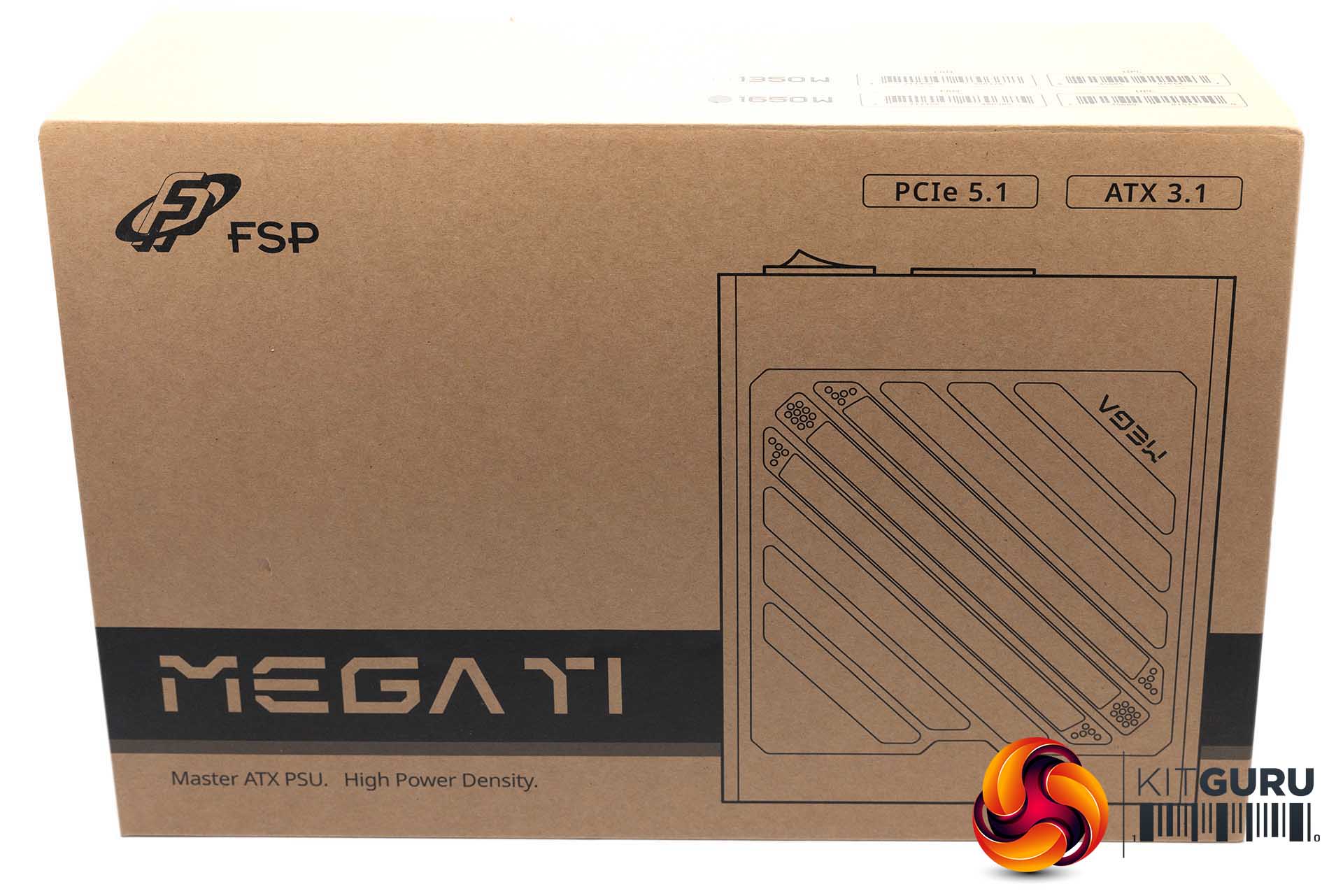
FSP products are hard to get in certain parts of the world, and our review sample shipped directly from ASIA HQ to the United Kingdom. Above, is the outer box that our sample arrived inside.
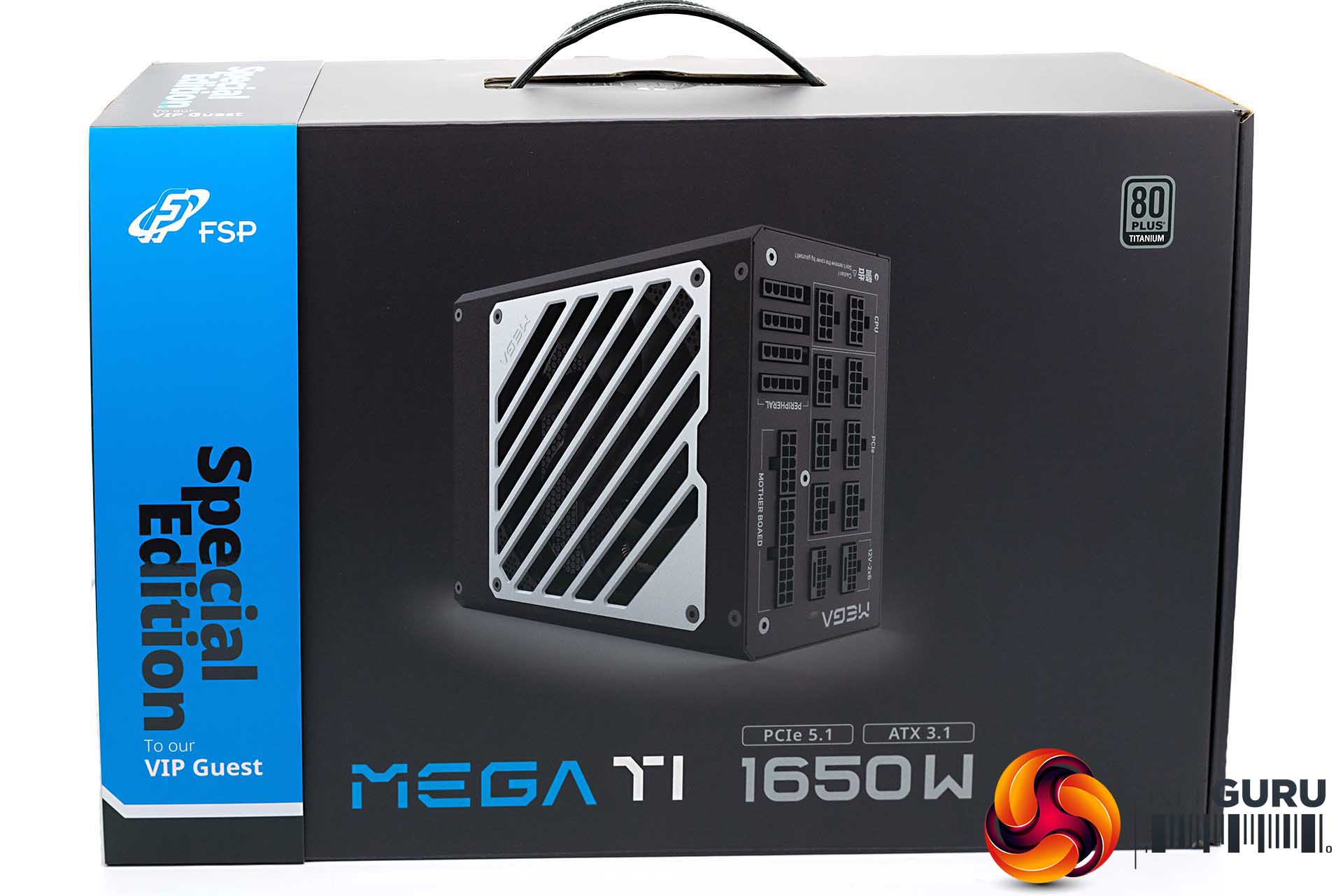
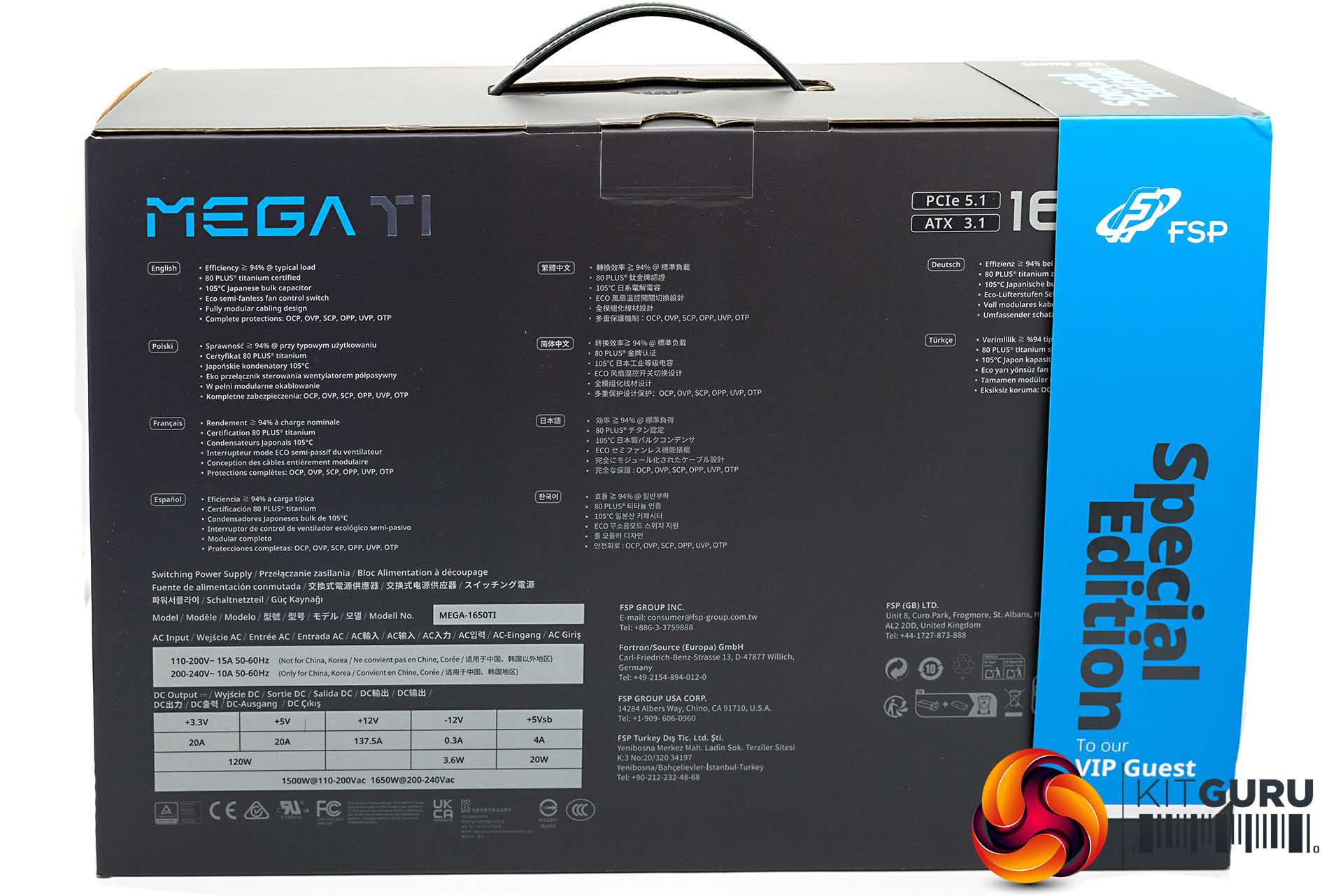
After removing the outer box, we see a full colour box with lovely blue accents. Along the side is a blue strip signifying ‘special edition' and ‘to our VIP Guest'. I guess that is me, and this box is a reviewer special.
We can't see any certifications on the box from Cybenetics, but FSP told me that it has been 80 Plus Titanium certified and that subsequent box production will add this logo alongside the 80 Plus Titanium logo.
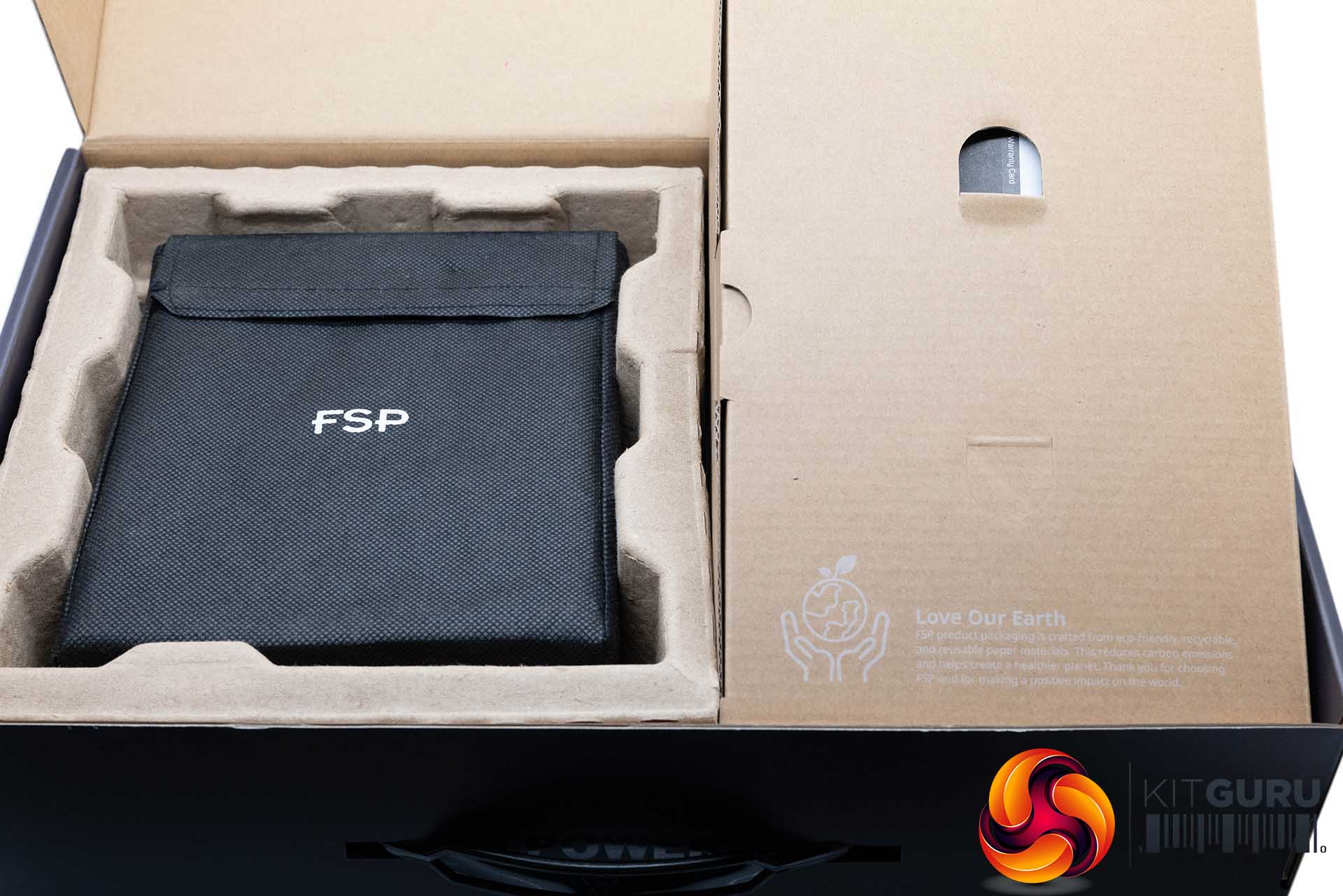
Inside the box, the power supply is held separately inside a cardboard surround, wrapped in a felt outer cover. The accessories are held inside another box offset to the side.
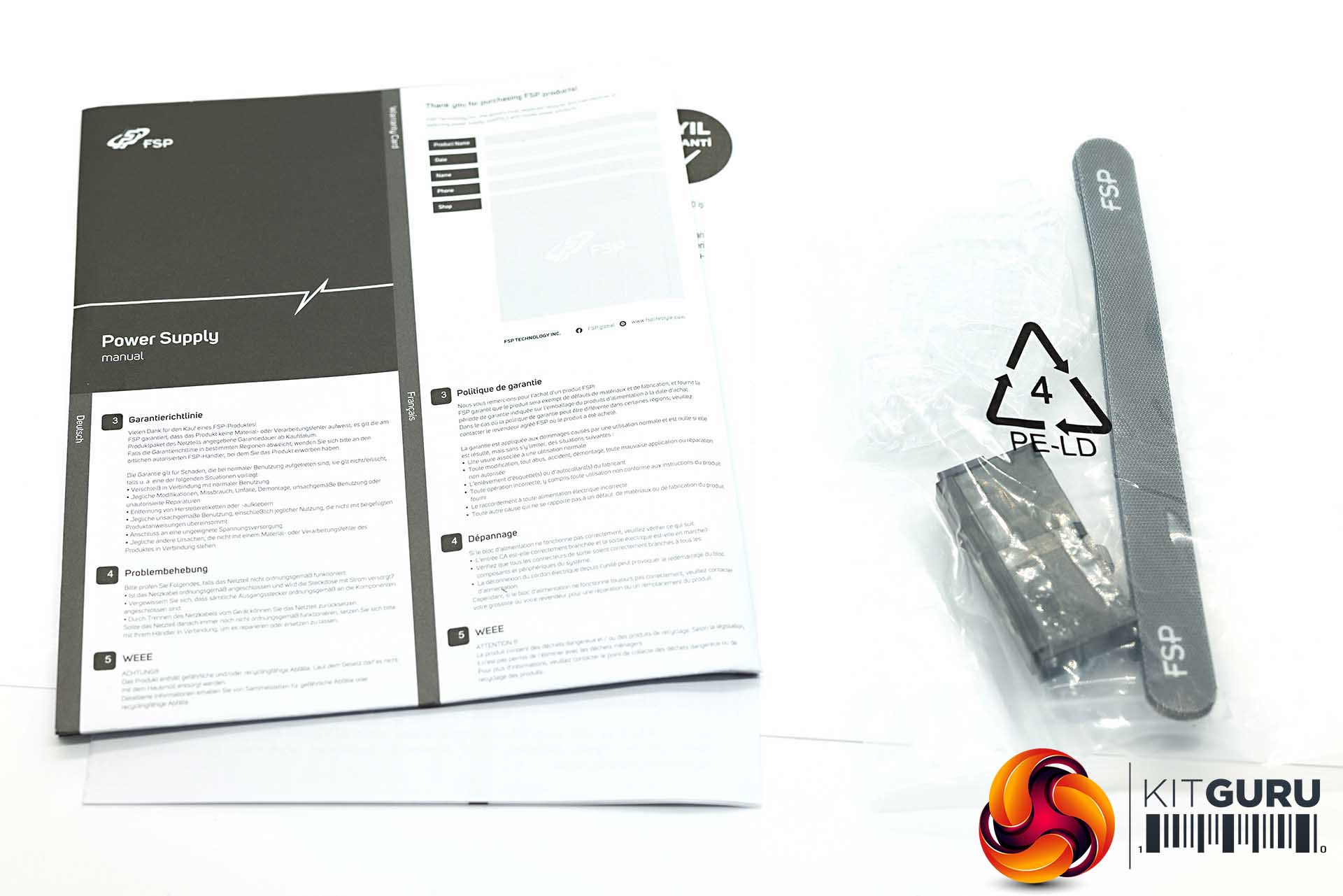
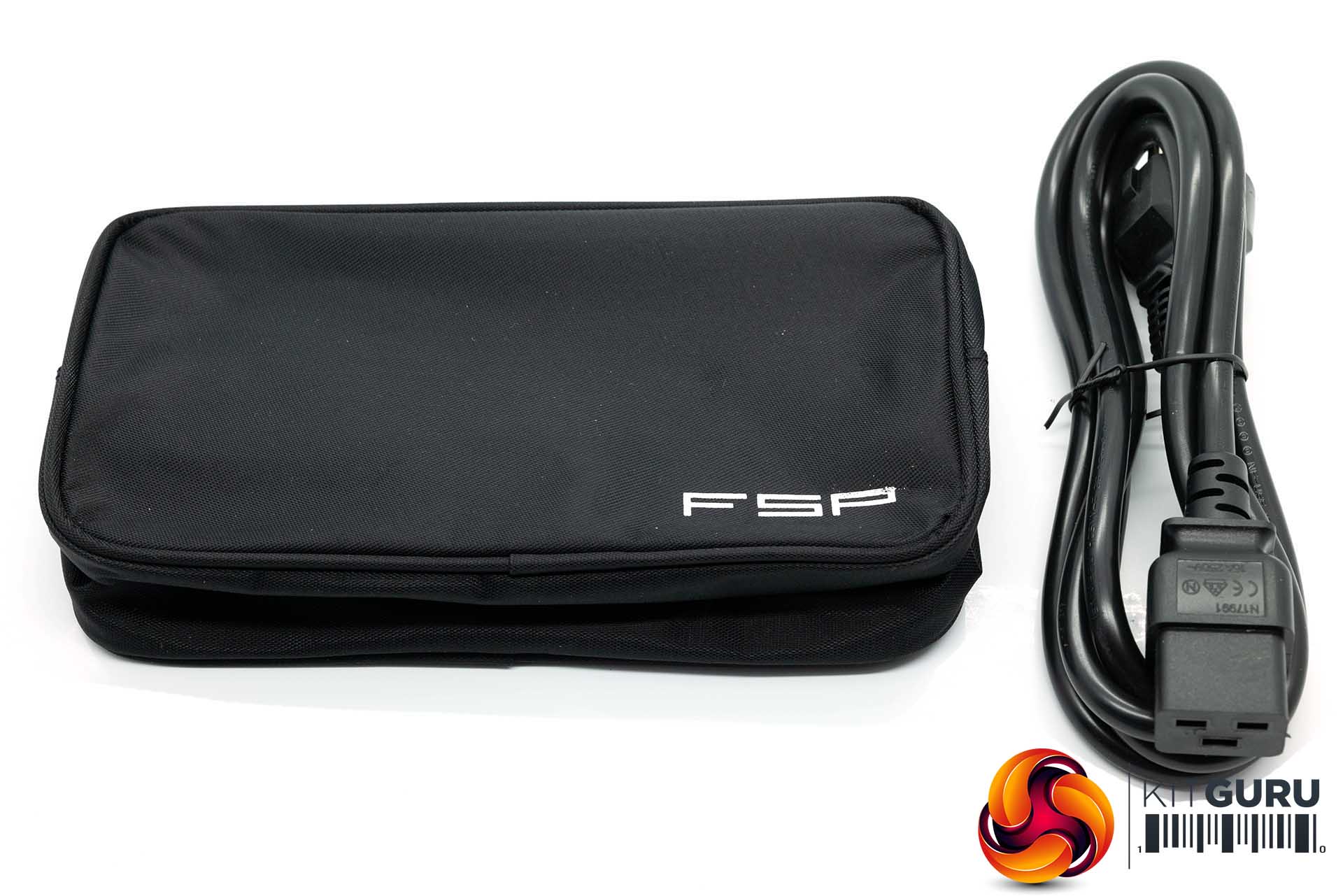
FSP include a little storage pouch, a big C19 power adapter cable, some literature on the product, a PSU testing and some cable ties.
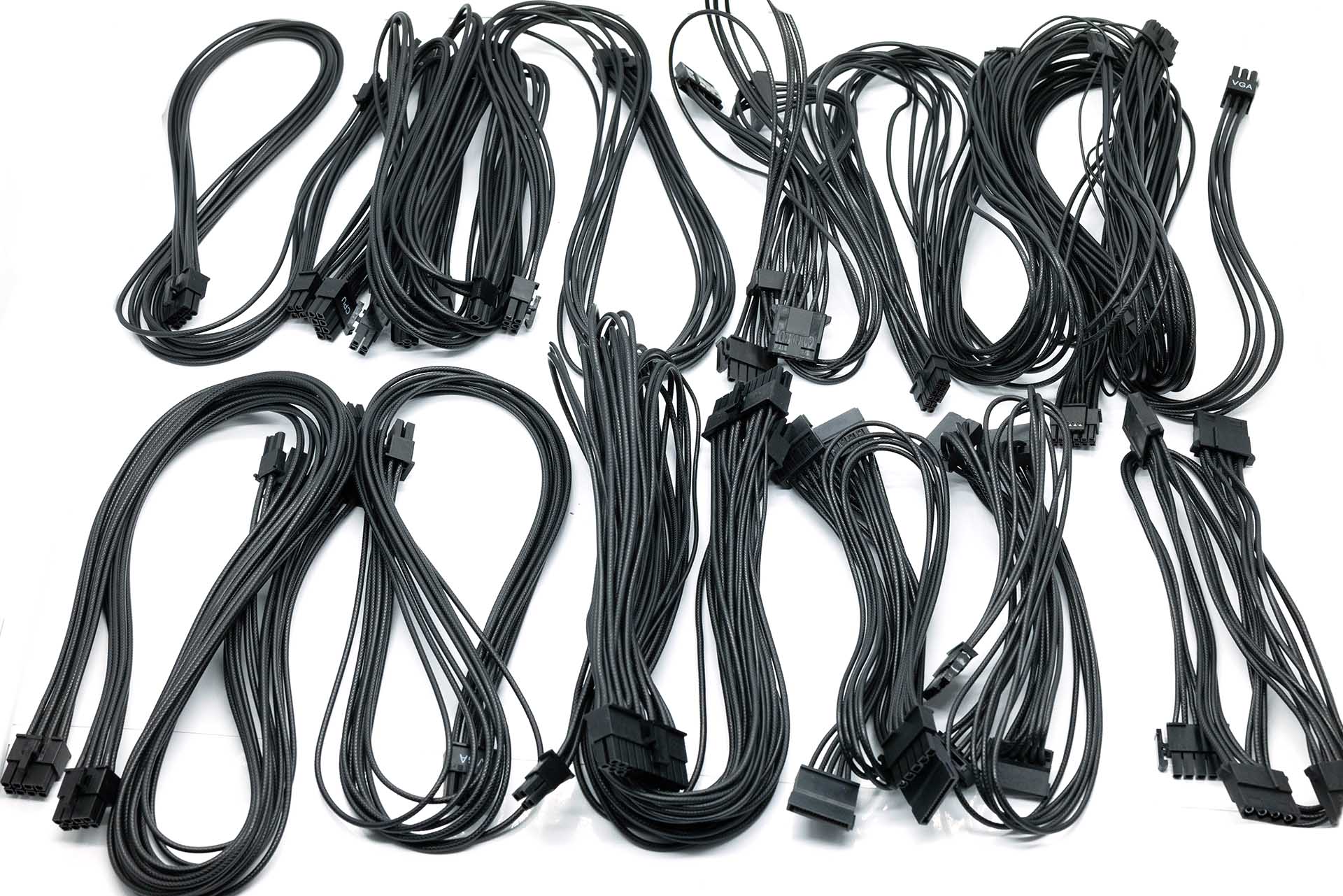
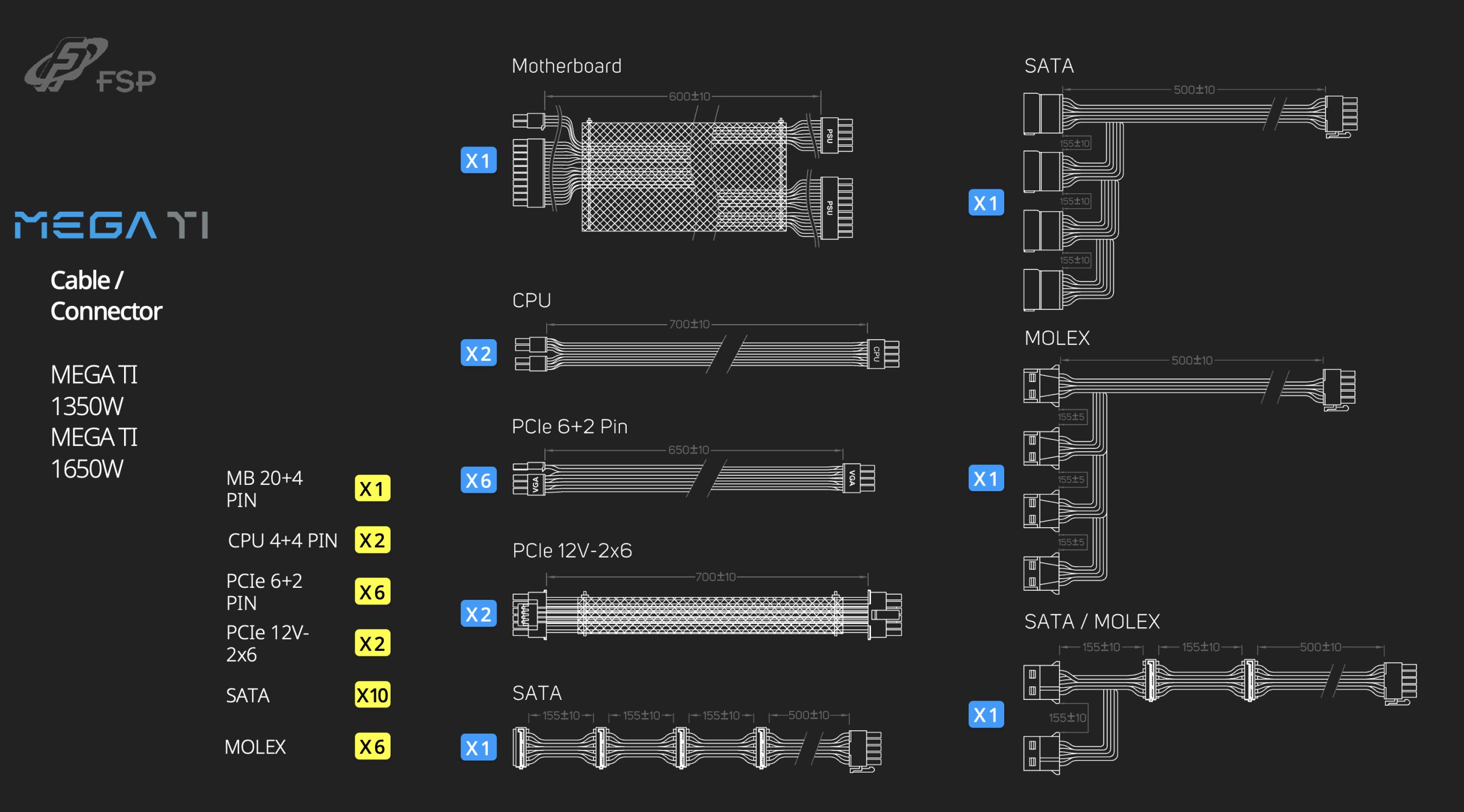
Both 1350 w and 1650 w versions of this power supply ship with a tremendous amount of cables to cover every eventuality we can think of. FSP also supply two EPS connectors and eight PCIe connectors. Additionally, they bundle a pair of 12V-2×6 cables to deliver 600 watts per cable.