KitGuru KitGuru.net – Tech News | Hardware News | Hardware Reviews | IOS | Mobile | Gaming | Graphics Cards


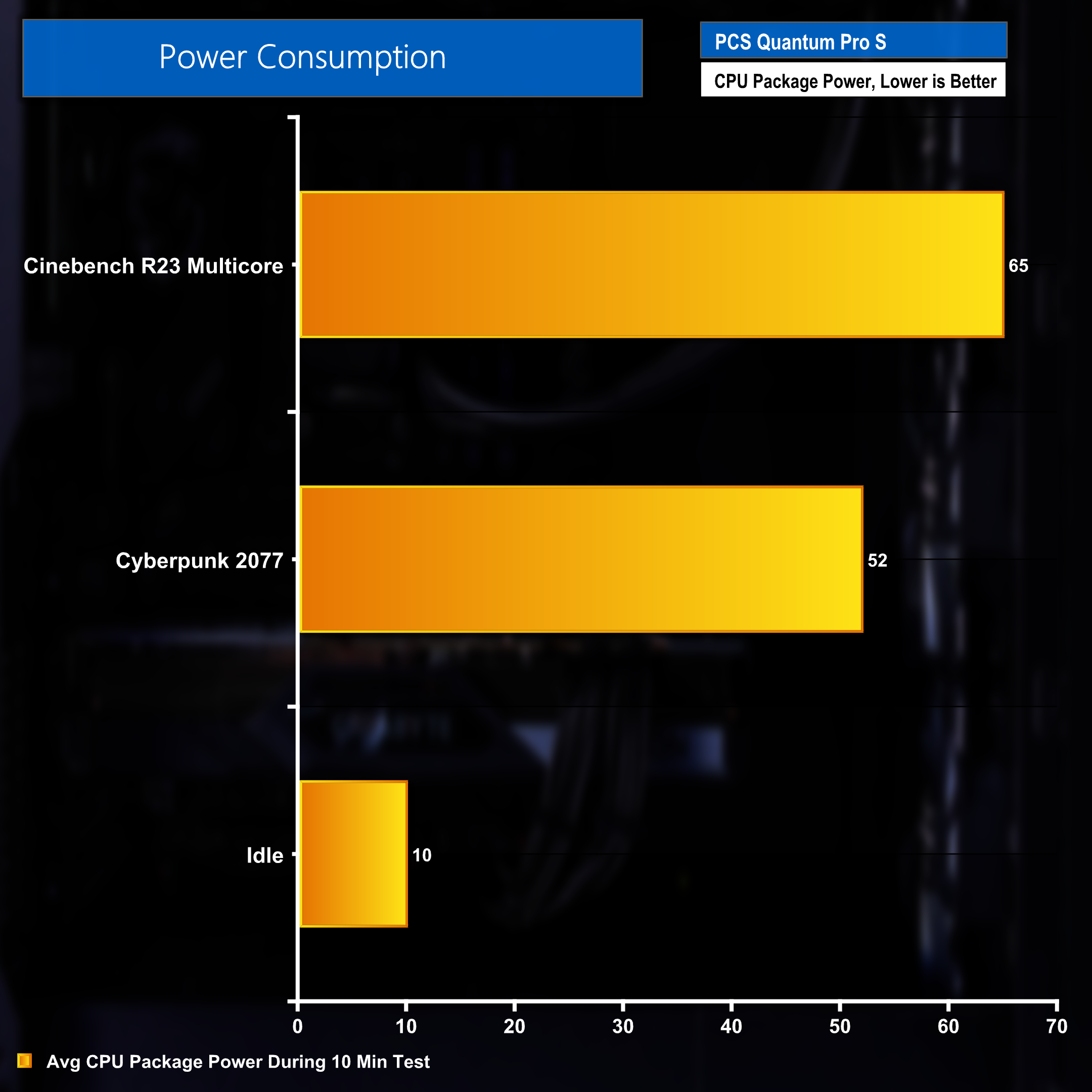
Out of the box, the ASUS Performance Enhancement 3.0 setting is disabled in BIOS. This applies default stock Intel power limits of 65W PL1 and 145W PL2 – which can be seen in the above CPU package power usage during a sustained 30 minute Cinebench benchmark,
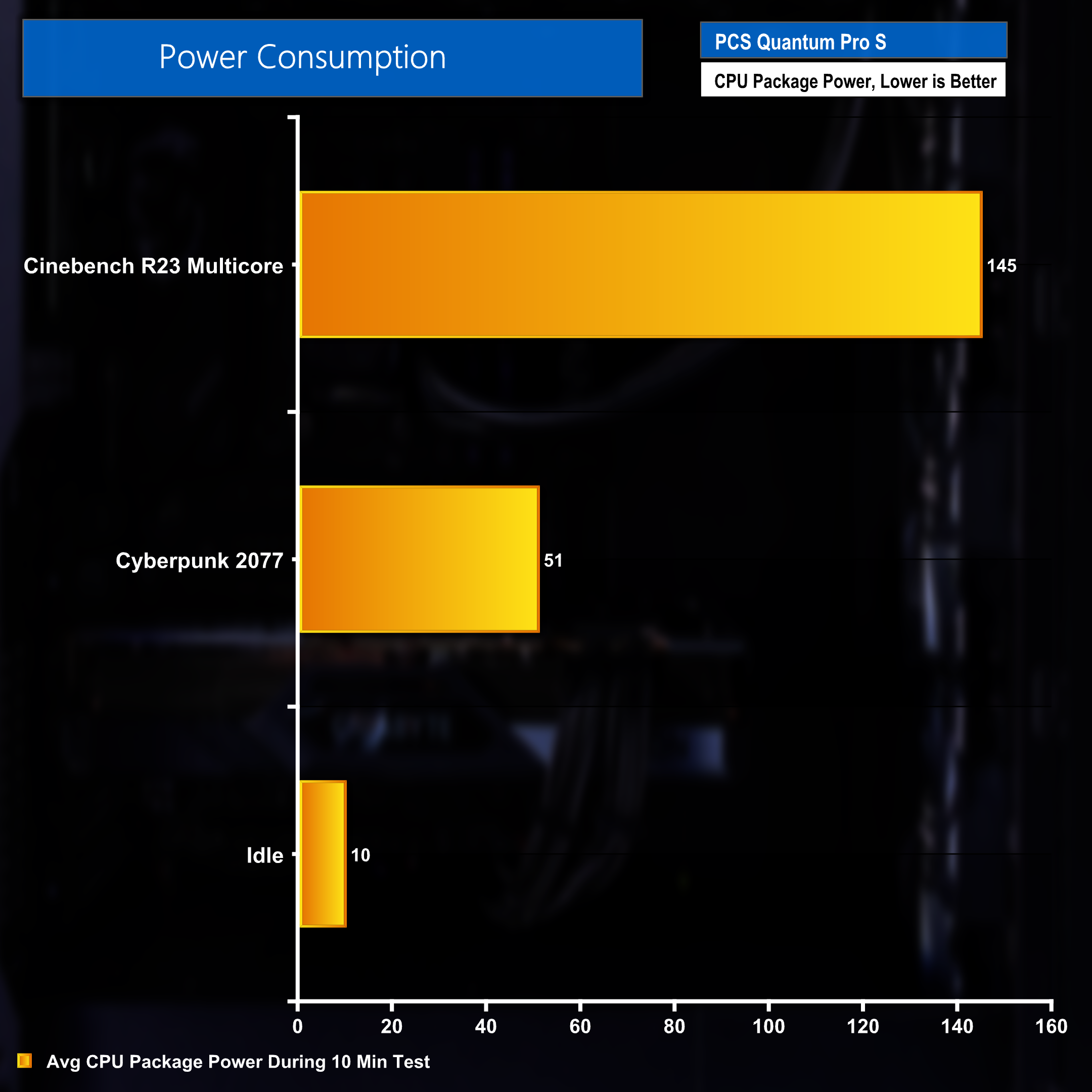
Turning this setting off allows the CPU to use much more power due to increasing PL1 and PL2 power limits to 253W. This is reflected in the much higher 145W CPU package power consumption in the same 30 minute Cinebench benchmark.
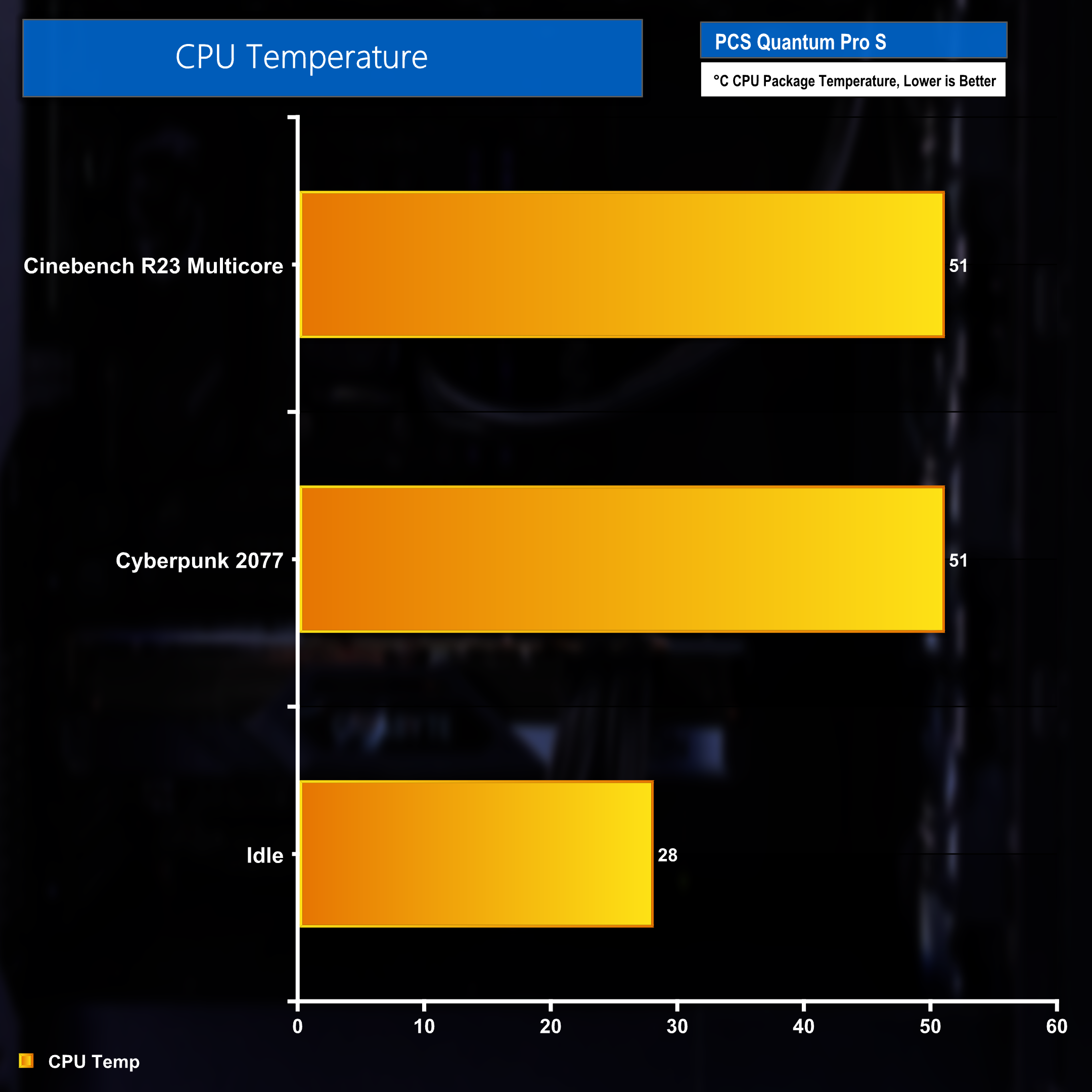
The power changes applied by the previously discussed setting, ASUS Performance Enhancement 3.0, are reflected in the heat generated by the processor. With the setting off, temperatures remained around 51 degrees during gaming and synthetic testing.
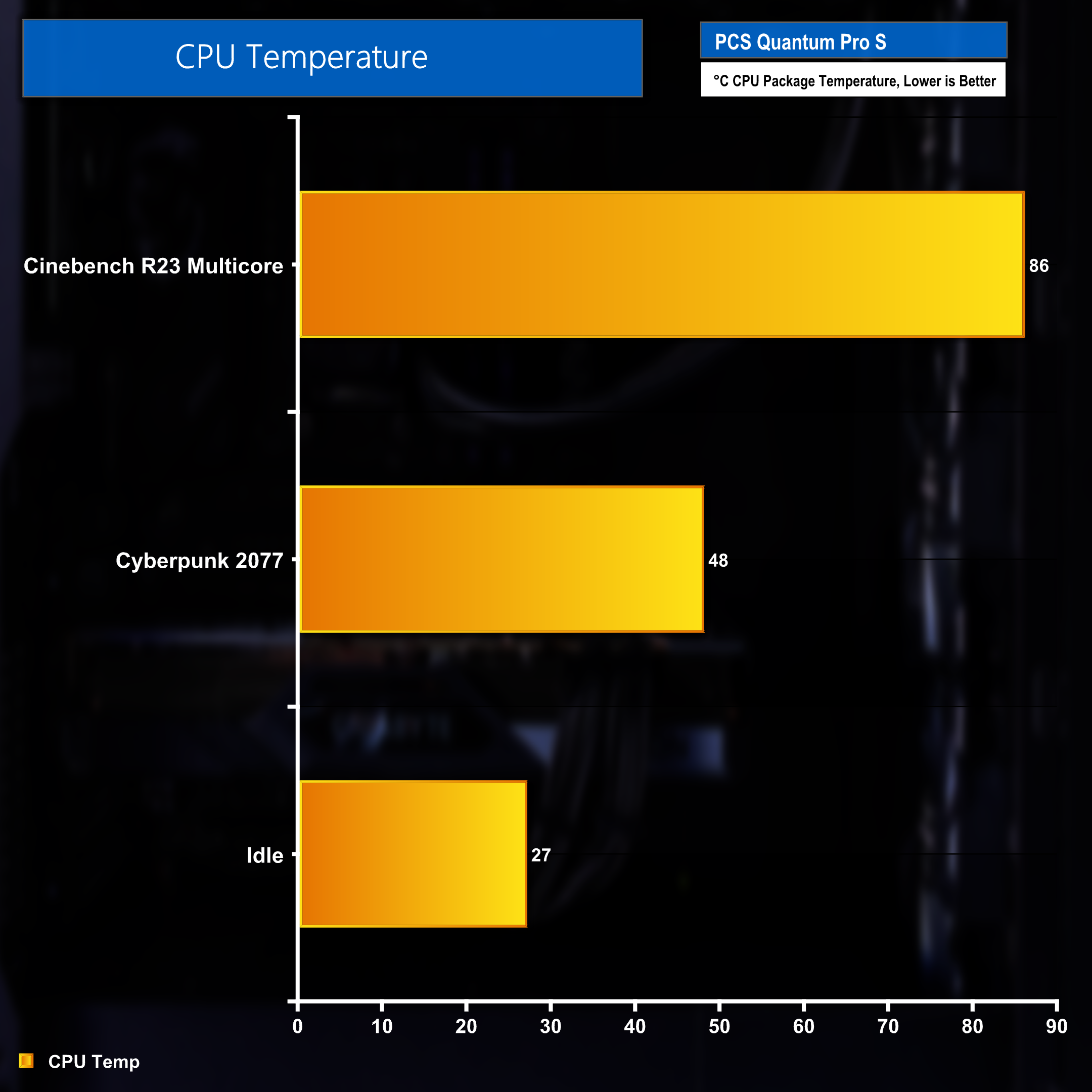
Pushing up the power limits and usage sees the CPU temperature rise to 86 degrees when running a Cinebench benchmark. Figures while gaming and idle remain relatively unchanged.
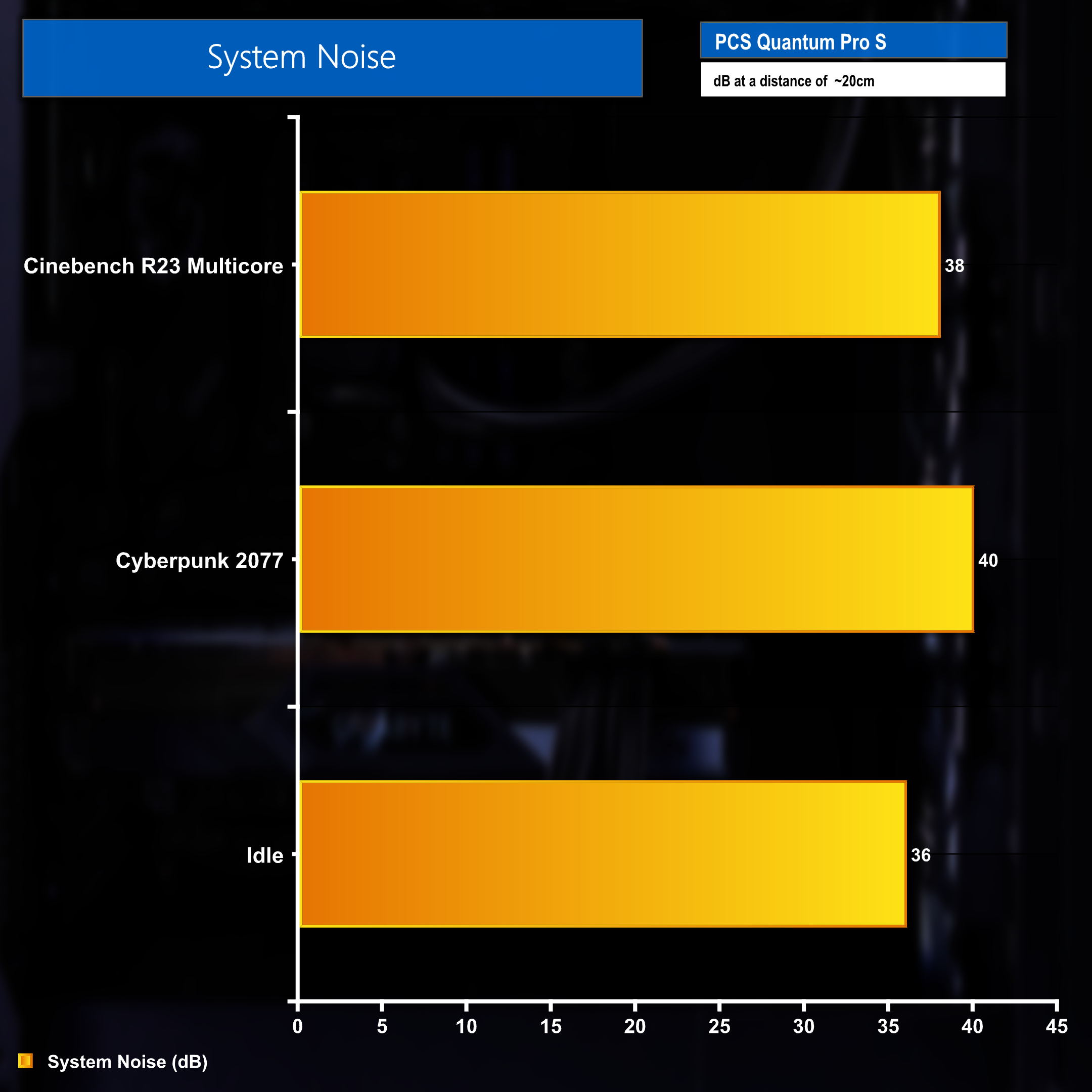
The pattern continues heading in to our system noise measurement. With stock Intel power limits the system remains quiet and cool.
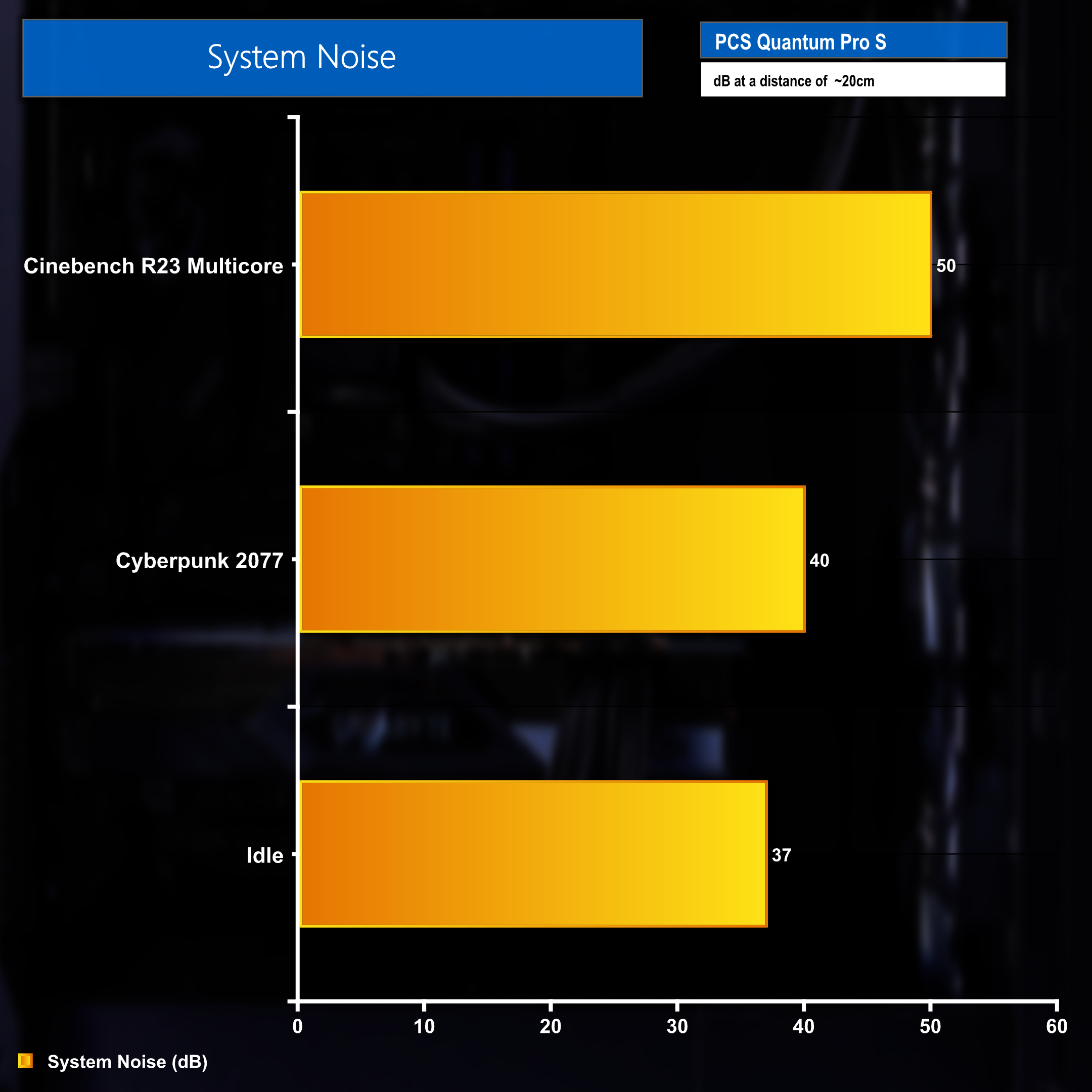
Again, pushing those limits and power usage upwards does result in an substantial increase in noise levels when running a Cinebench benchmark, however, just as we saw with the power usage and temperatures, system noise remains mostly the same whilst gaming and at idle.