KitGuru KitGuru.net – Tech News | Hardware News | Hardware Reviews | IOS | Mobile | Gaming | Graphics Cards


It was January 2022 when Microsoft first announced its plan to acquire Activision Blizzard. Now some 20 months later, the deal finally looks set to close next Friday.
According to “a source familiar with Microsoft's plans” speaking with The Verge, Microsoft is hoping to complete the transaction on Friday, the 13th of October. However, the likelihood of meeting this date does hinge on the UK's Competition & Markets Authority finalising its approval of the deal. Current rumours suggest a decision on that front will land next week.
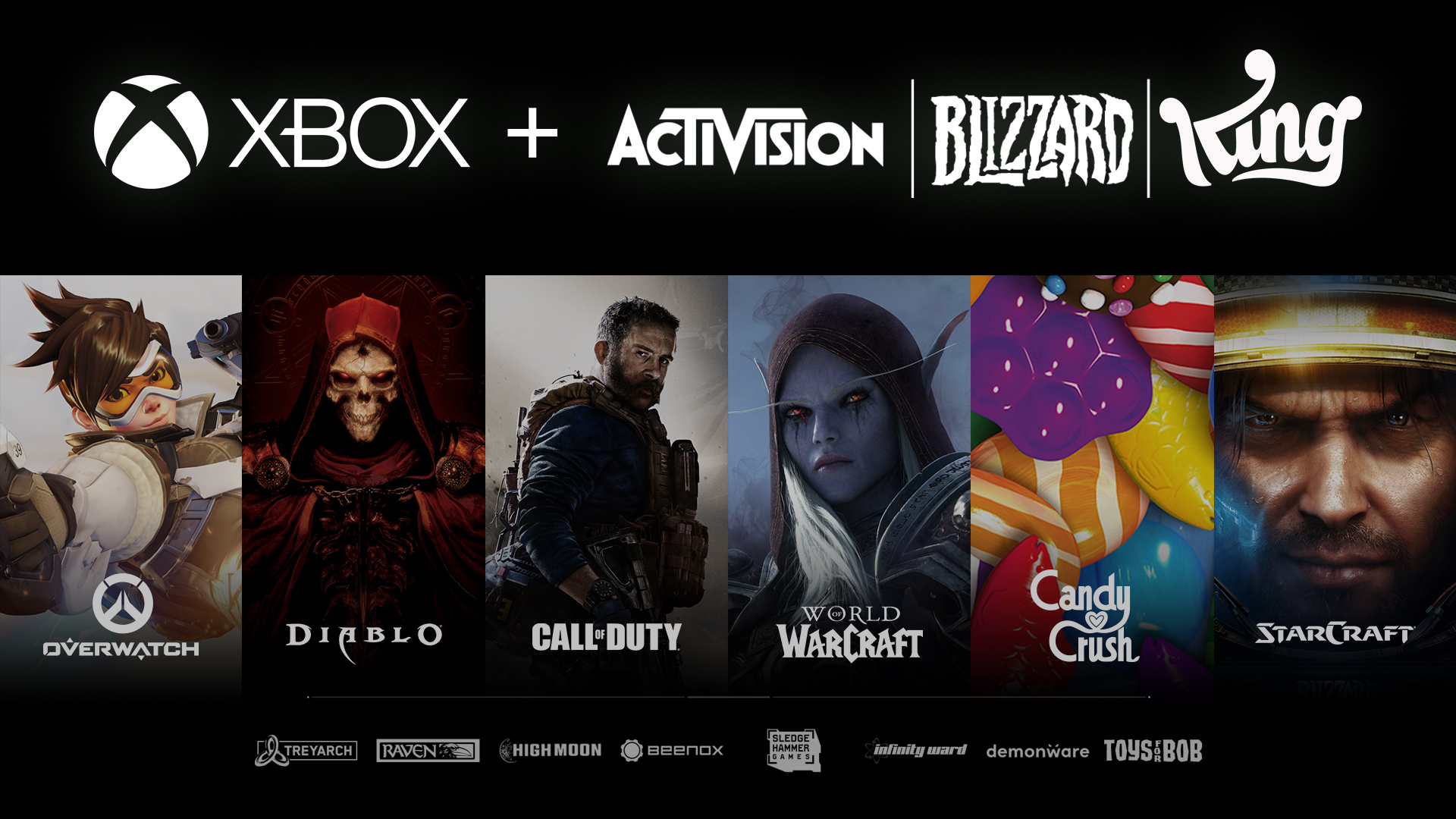
Microsoft was in the process of appealing the UK's block on the deal but both sides agreed to pause appeal proceedings to evaluate a new version of the deal. The tweaked transaction will see Ubisoft obtaining the cloud streaming rights to Activision Blizzard game with free reign to offer sub-licenses to any competitors and request ports for specific platforms from Microsoft at an additional cost. The CMA provisionally approved this new version of the acquisition a couple of weeks ago so a final decision should arrive soon.
Once the acquisition closes, Microsoft will own all of Activision Blizzard King, allowing Microsoft to benefit from worldwide sales of Call of Duty and bring a fresh injection of content to Game Pass.
Discuss on our Facebook page, HERE.
KitGuru Says: The Verge typically has good sources when it comes to Microsoft so this could very well be true, but the CMA has not been easy to predict during this process, so I wouldn't be surprised to see the deal slip into the following week. Either way, Microsoft has until October 18th to complete the transaction, or Activision will get to walk away with a few billion in breakup fees.