KitGuru KitGuru.net – Tech News | Hardware News | Hardware Reviews | IOS | Mobile | Gaming | Graphics Cards


We've already had some exciting announcements from Asus's ROG branch over the course of CES, but there is also a slew of new PCs on the way for the mainstream market too. Today at CES, we had the chance to take a look at the new X-series, Vivo and Zenbook systems from Asus.
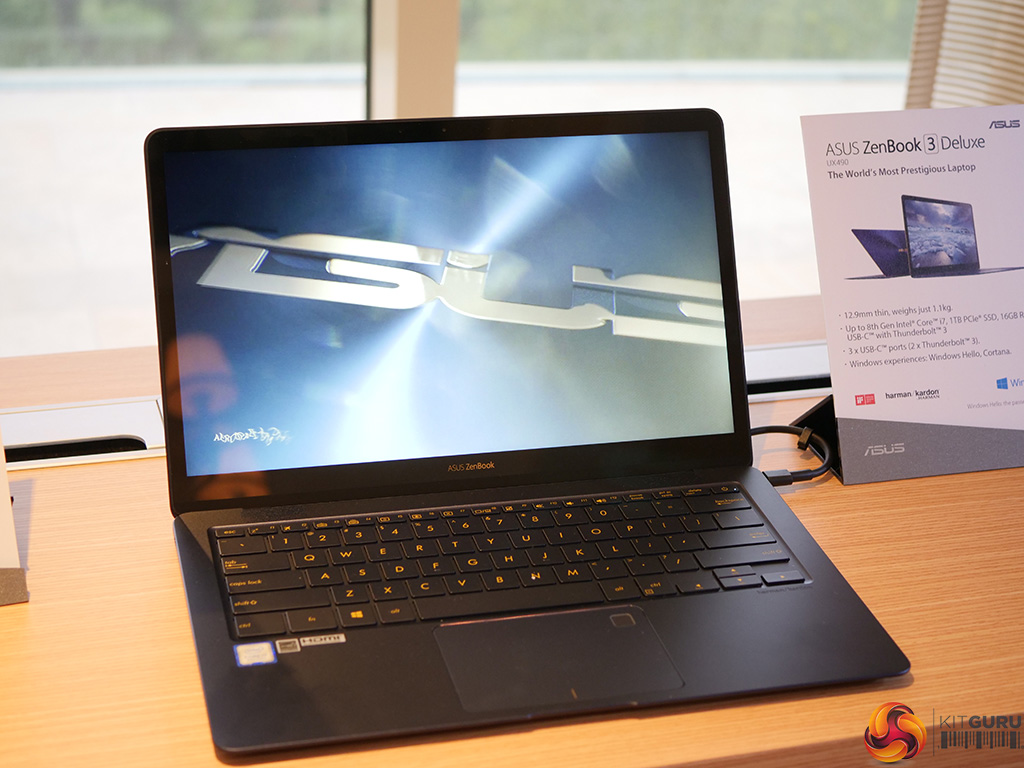
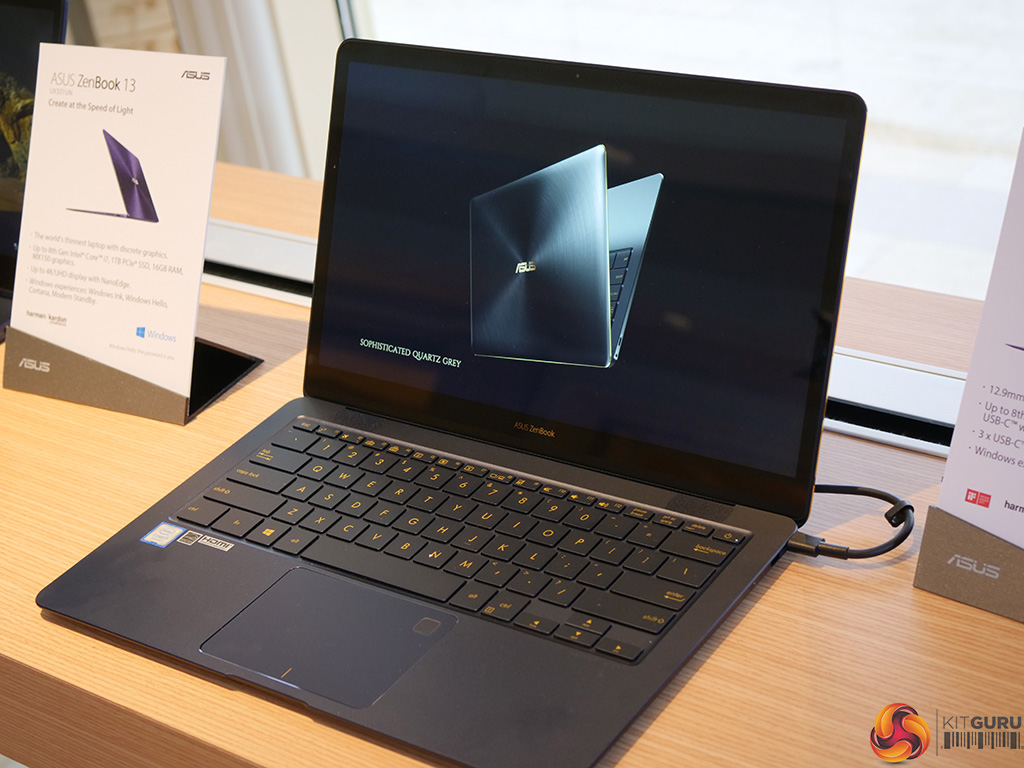
The ZenBook 13 is set to be a major step up for the ultra thin/light laptop market, weighing in at just 985g and offering a massive 15-hour battery life. Despite the compact design and huge focus on battery life, this little notebook doesn't skimp on power either, offering an Intel 8th Gen Core i7 processor, 16GB of RAM and a 1TB PCIe SSD. It seems like a very impressive work machine.
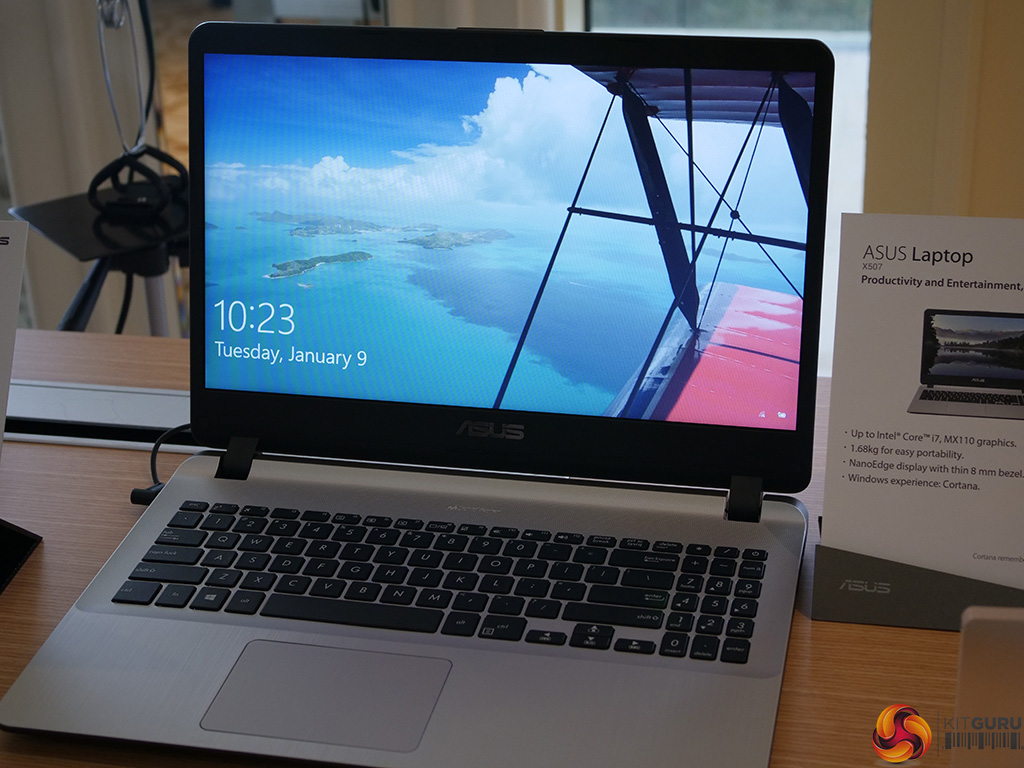
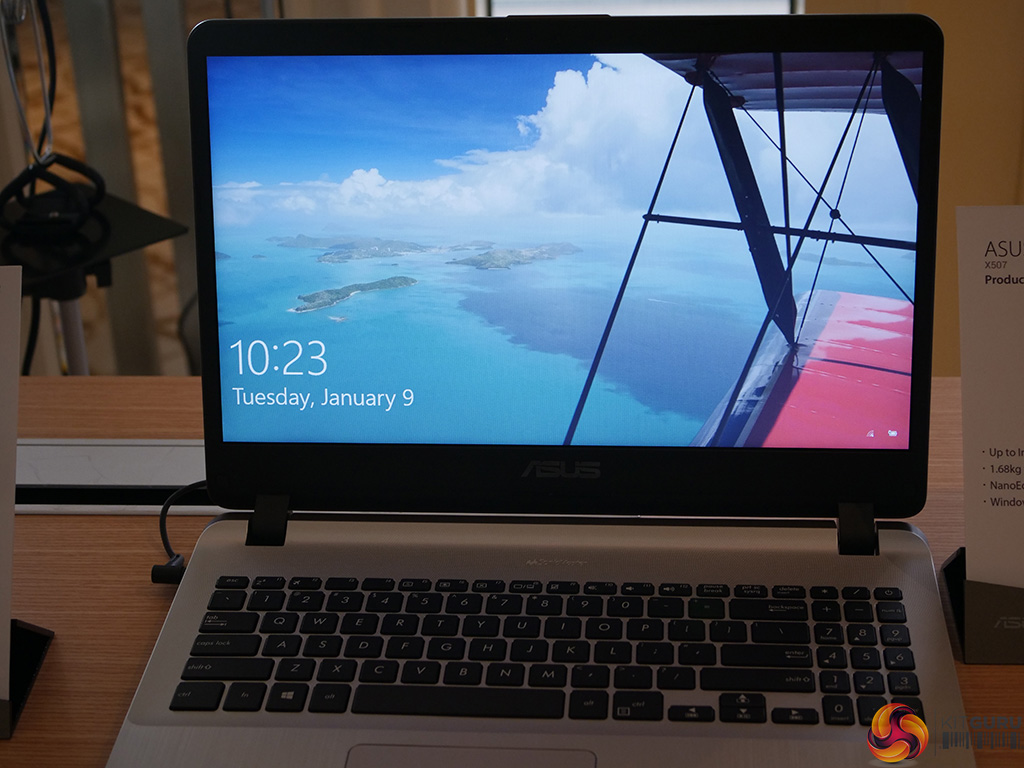
The star of the new X-series is Asus's new X507. It's not as light as the ZenBook, weighing in at 1.68kg but it should still be easy enough to carry around. This particular laptop comes with a ‘NanoEdge' display, which essentially means that the side bezels measure in at just 8mm. Under the hood you will find plenty of processing power thanks to the inclusion of a Core i7 CPU. There is also an Nvidia MX110 GPU in there for light graphical workloads.
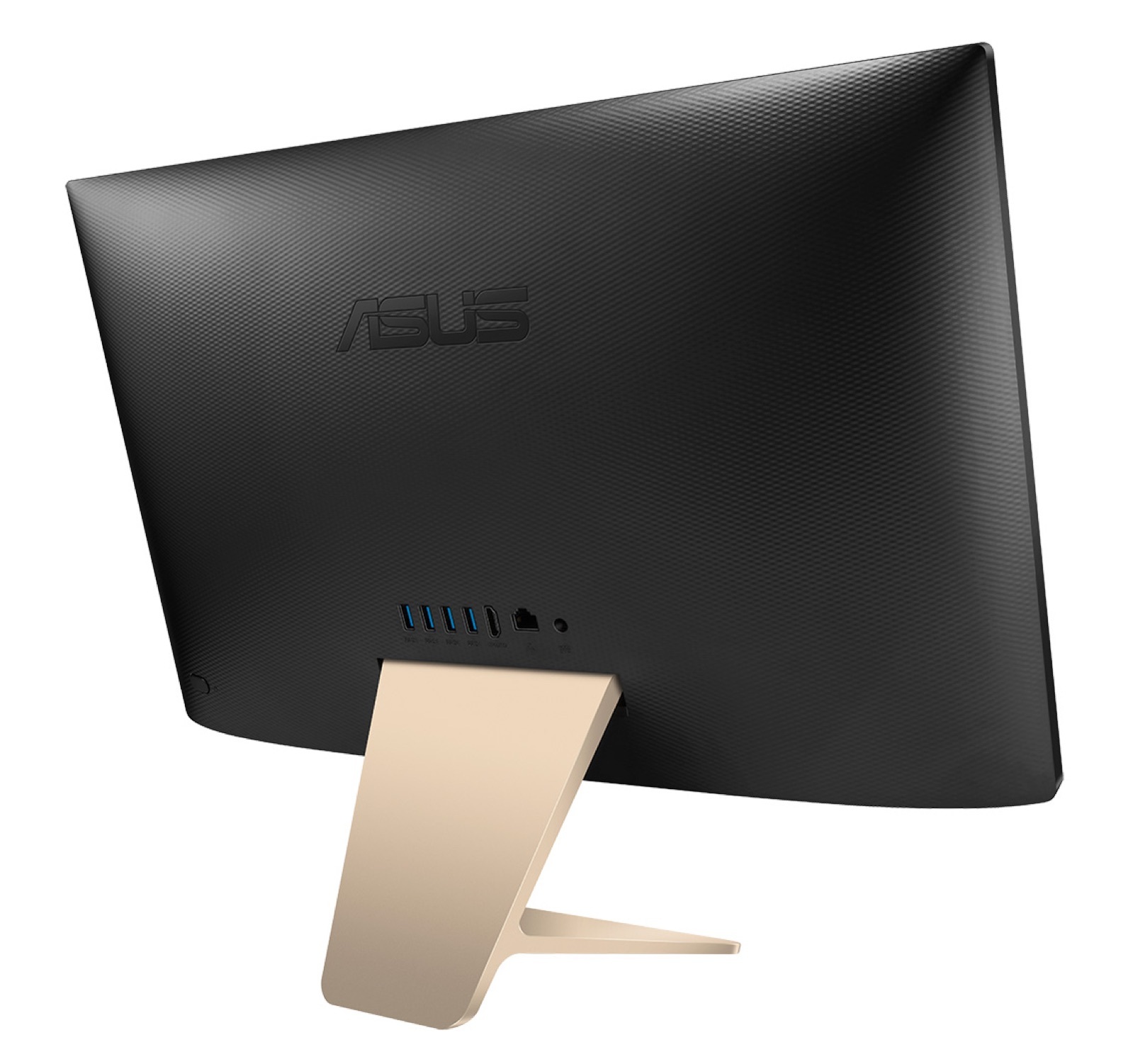
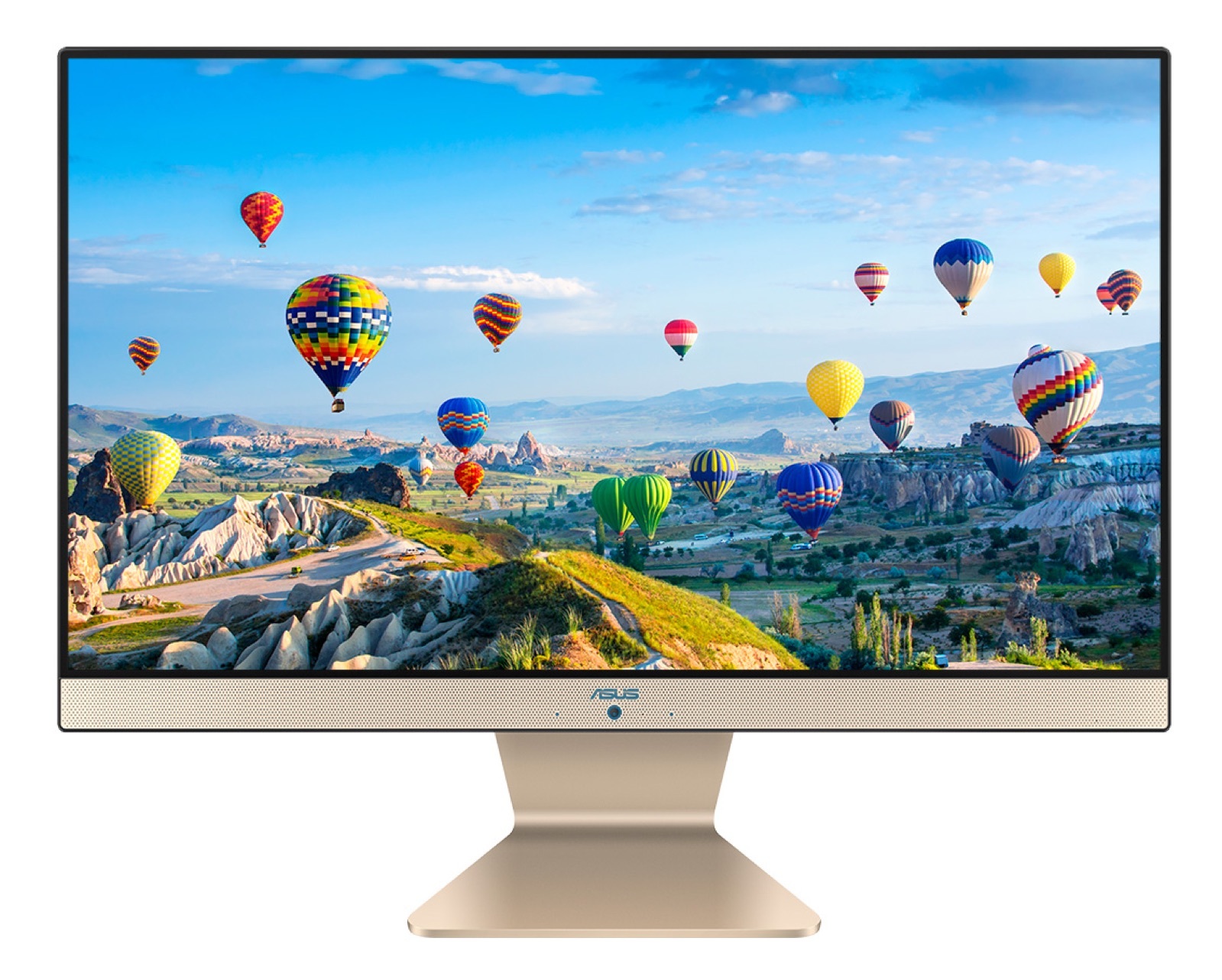
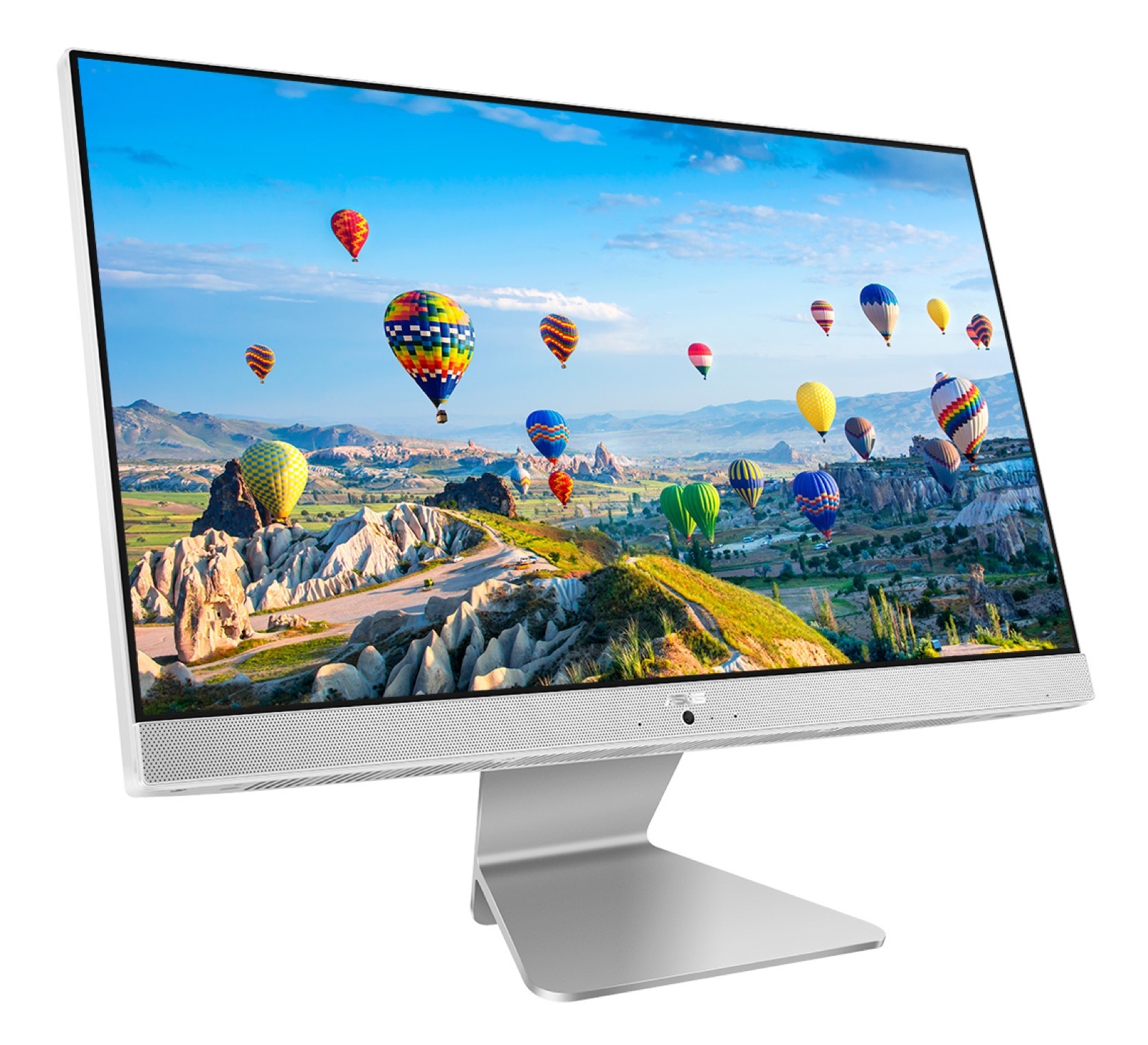
Now we are getting into Asus's new Vivo all-in-one PCs. The first is the Vivo V272, which features up to an Intel Core i7 processor and an Nvidia Geforce MX150 GPU for light graphical workloads. The panel is a 27-inch multitouch display with a 100 percent sRGB color gamut and 178 degree viewing angle. Using the Asus ZenAnywhere app, you can remote access your PC at any time if you need to grab important files while on the move. The Vivo V222 is a bit different. It comes with a 22-inch Full HD display with an 87 percent screen to body ratio but retains the same hardware options as the Vivo V272. Unfortunately, we didn't manage to get any of our own images for these two up close, but above you will find some of Asus's own images for these two systems.
KitGuru Says: Asus's mainstream lineup is looking pretty solid this year with a big push for thinner bezels and light but powerful laptops.