KitGuru KitGuru.net – Tech News | Hardware News | Hardware Reviews | IOS | Mobile | Gaming | Graphics Cards


Mouse Computer, a Japanese PC manufacturer, has introduced a unique addition to its NextGear EG-series of gaming desktops. Centred around a unique “Clear Shift” case, featuring dynamic dimming technology on its front and left-side glass panels.
According to PC Watch (via VideoCardz), a single button press on the top I/O panel can transition the glass from a completely transparent “clear mode” to a smoked “stealth mode” that effectively hides the internal components.
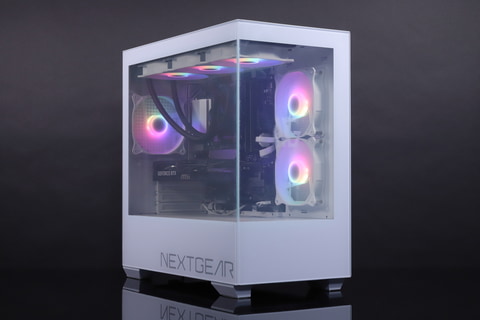
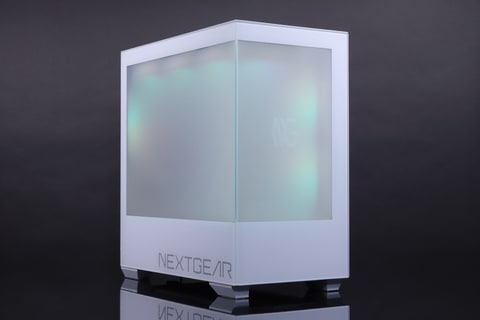
The stealth mode serves as a “hide your PC” feature for users who keep their towers on their desks. It allows a build to look like a plain black tower or to eliminate RGB light pollution during nighttime sessions. The switchable glass requires power to function, but when the PC is turned off, the panels automatically default to the opaque stealth mode. To complete the transformation, the case also features a separate LED button to toggle the ARGB fan effects, allowing the system to go from a vibrant showroom display to a muted aesthetic in seconds.
In terms of hardware, the NextGear EG-A7G60 configuration reviewed by PC Watch features an AMD Ryzen 7 5700X paired with an Nvidia GeForce RTX 5060. The system includes 16GB of DDR4-3200 memory and a 1TB NVMe SSD. While these specs target the mid-range market, the premium pricing (starting at over £1050) is probably due to the Clear Shift technology. The lineup is currently a Mouse Computer direct shop exclusive in Japan.
Discuss on our Facebook page, HERE.
KitGuru says: What do you think of the ‘Clear Shift' case? Would you like to see one of these outside of Japan?