KitGuru KitGuru.net – Tech News | Hardware News | Hardware Reviews | IOS | Mobile | Gaming | Graphics Cards


Baldur's Gate 3 has made a great debut this year, being regarded as one of the best games released so far. To our surprise, at launch, Baldur's Gate 3 only had support for DLSS 2 and FSR 1.0. Fortunately, the developer is now addressing this issue, adding FSR 2.2 support with the latest patch.
Larian Studios has launched various game-changing patches for Baldur's Gate 3. These brought thousands of improvements and bug fixes to the GOTY contender, but there was still room for improvement. Despite the enhancements, gamers continued to express their desire for game optimisations, including the implementation of performance-enhancing technologies like AMD FSR 2. That has now happened with Patch 4, which added support for FSR 2.2.
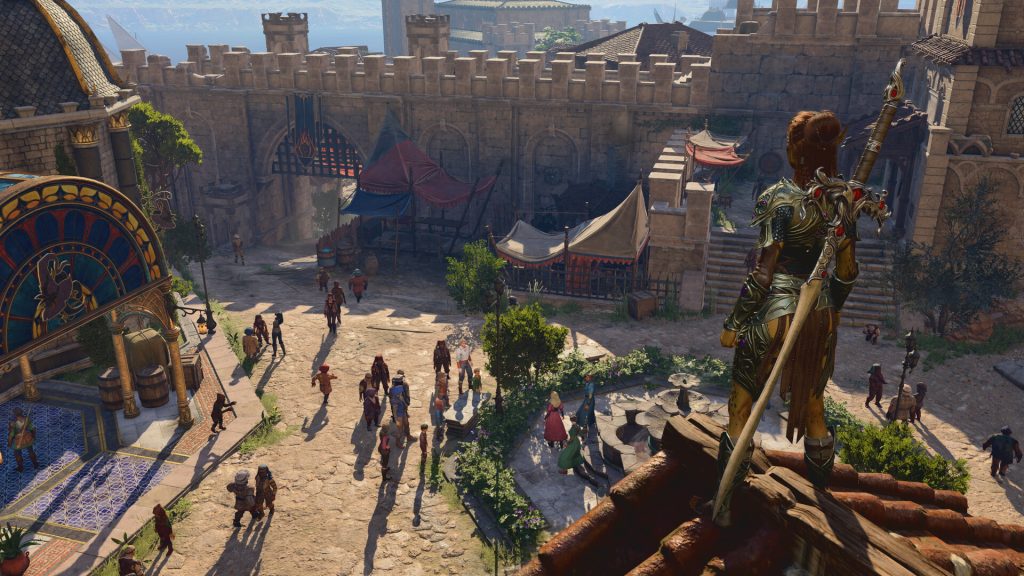
Previously, the game exclusively featured DLSS 2 and FSR 1.0, restricting the better upscaling technology to Nvidia RTX graphics card owners. With FSR 2.2, whether you have a system equipped with an AMD or Intel GPU, a Steam Deck, or Asus ROG Ally, you'll most likely notice the visual difference once you choose FSR 2.2 in the video settings.
Currently, no information is available regarding the upcoming frame generation support for the game. The game lacks DLSS 3 support, and there is no indication that it will support FSR 3.
Discuss on our Facebook page, HERE.
KitGuru says: Have you played Baldur's Gate 3 with FSR 1.0 enabled? Did you try it with FSR 2.2 to see the difference between the two versions?