KitGuru KitGuru.net – Tech News | Hardware News | Hardware Reviews | IOS | Mobile | Gaming | Graphics Cards


ASRock recently announced the Jupiter 600 series of mini PCs. There are two versions, one based on the H610 platform and another for B660, both offering flexibility and expandability in a small package that is suitable for a wide variety of applications, including office, retail, healthcare, transportation, and industry.
Both Jupiter 600 series models are compatible with the latest 13th and 12th Gen Intel Core non-K CPUs (up to 65W TDP) and support up to 64GB DDR4-3200 memory. For storage, there are two M.2 slots for SSDs, with one being PCIe Gen3x4 and the other PCIe Gen4x4. Moreover, there's a 2.5-inch drive slot for SATA SSDs or a small HDD.
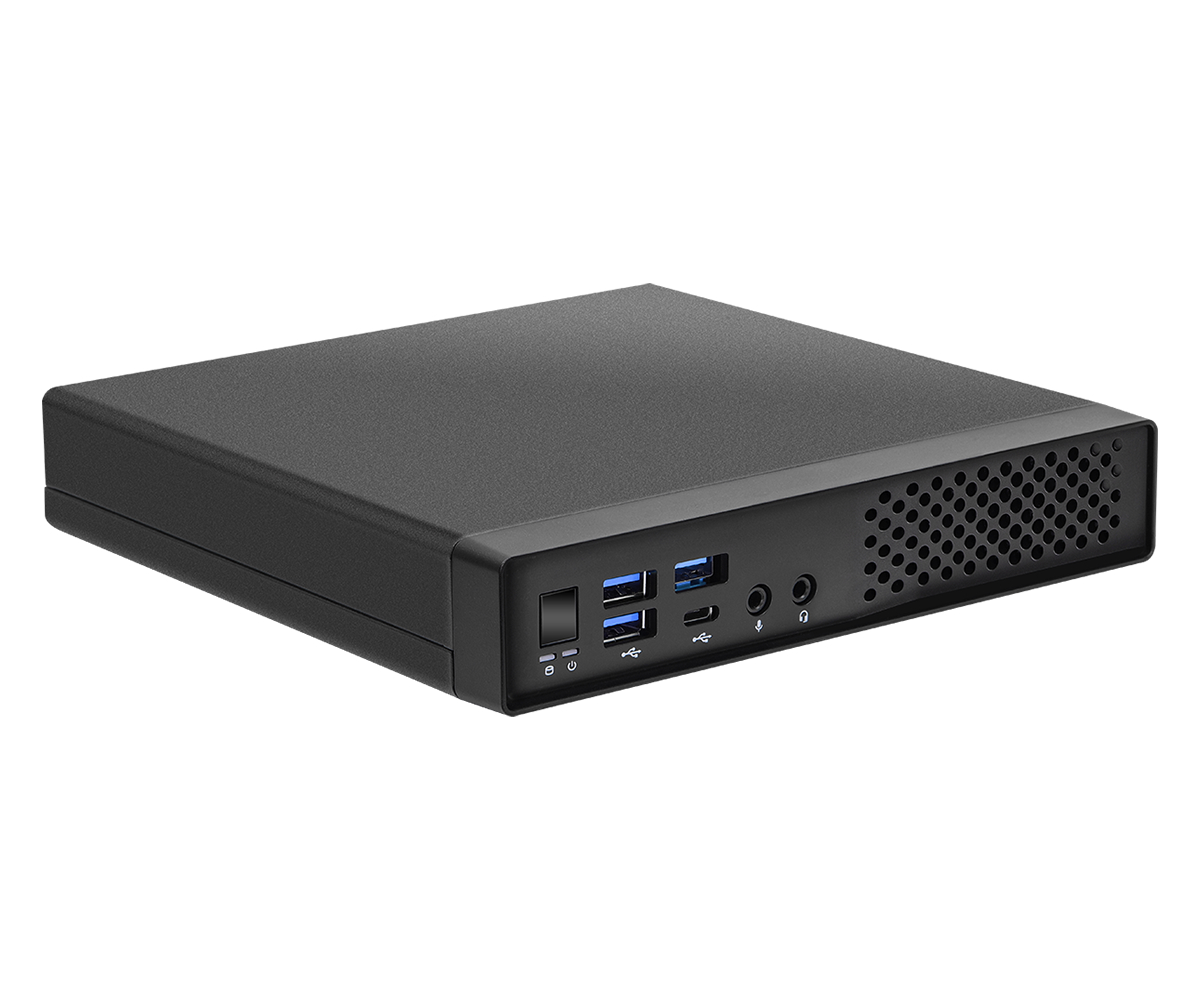
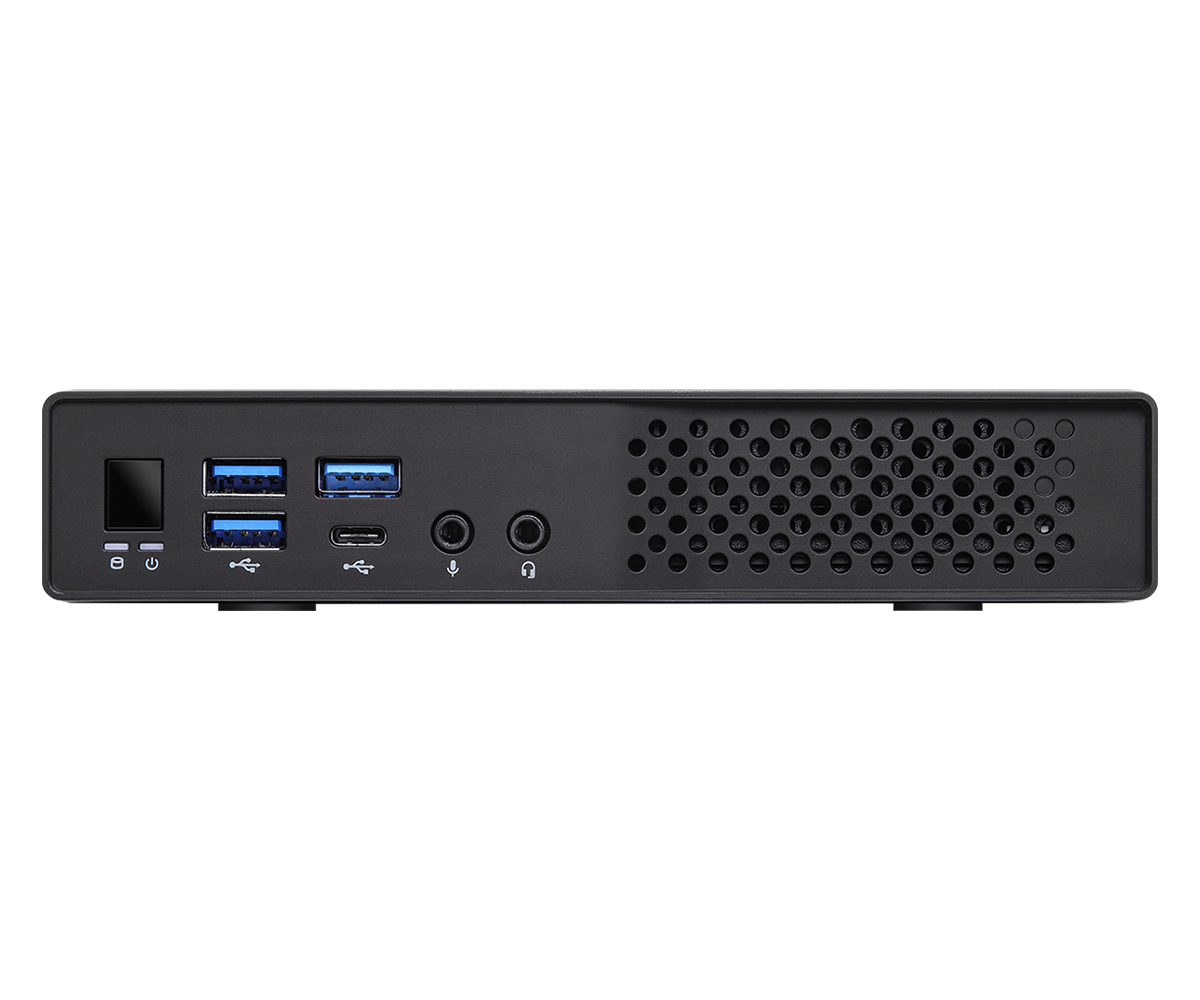
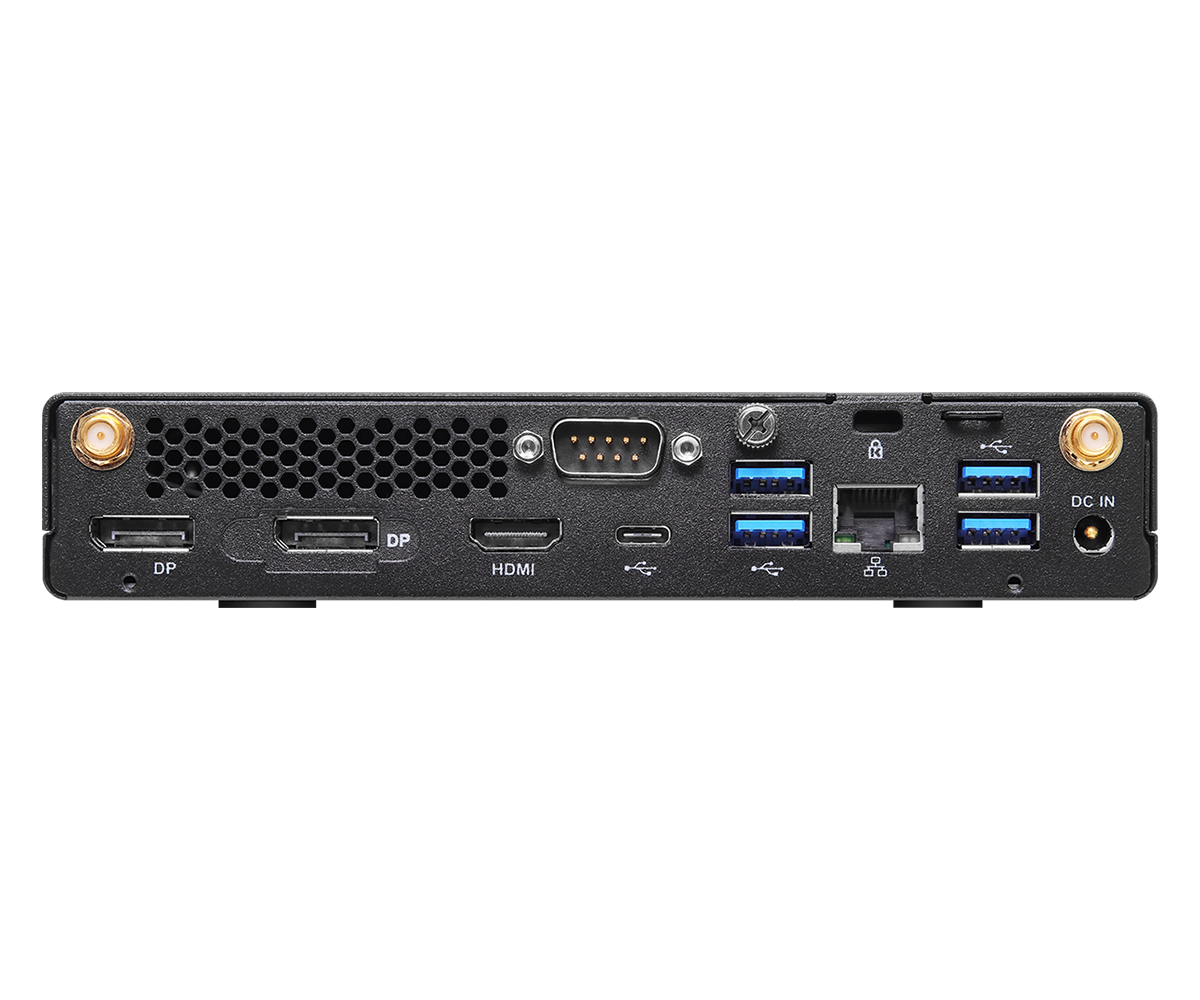
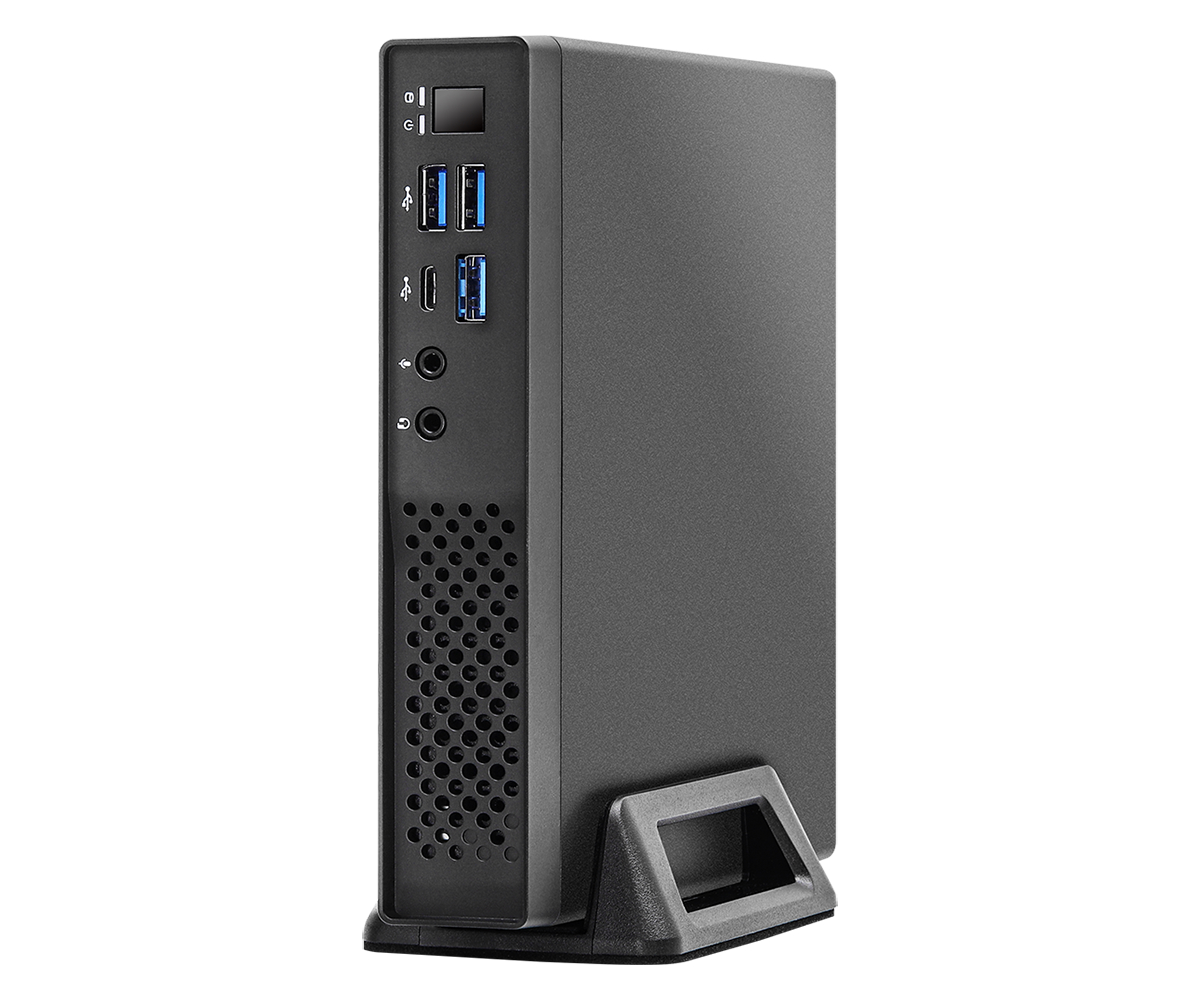
Although the Jupiter 600 PCs have similar specifications, there are a few key differences. These would be the motherboard chipset and the USB port layout. The Jupiter H610 model comes with an H610 motherboard with 2x USB-C 3.2 Gen1, 5x USB-A 3.2 Gen1, and 2x USB 2.0 ports. As for the Jupiter B660, it features a B660 motherboard with 2x USB-C 3.2 Gen1 and 7x USB-A 3.2 Gen1 ports.
Other connectivity options of the Jupiter 600 series include two DisplayPorts (one is 1.2 and the other is 1.4), an HDMI port, and a COM port. Additionally, the Jupiter B660 is equipped with DASH LAN and a TPM 2.0 IC (optional for the H610 model) to safeguard company information.
Discuss on our Facebook page, HERE.
KitGuru says: What CPU, storage and memory combo would you put in the ASRock Jupiter 600 mini PC?