KitGuru KitGuru.net – Tech News | Hardware News | Hardware Reviews | IOS | Mobile | Gaming | Graphics Cards


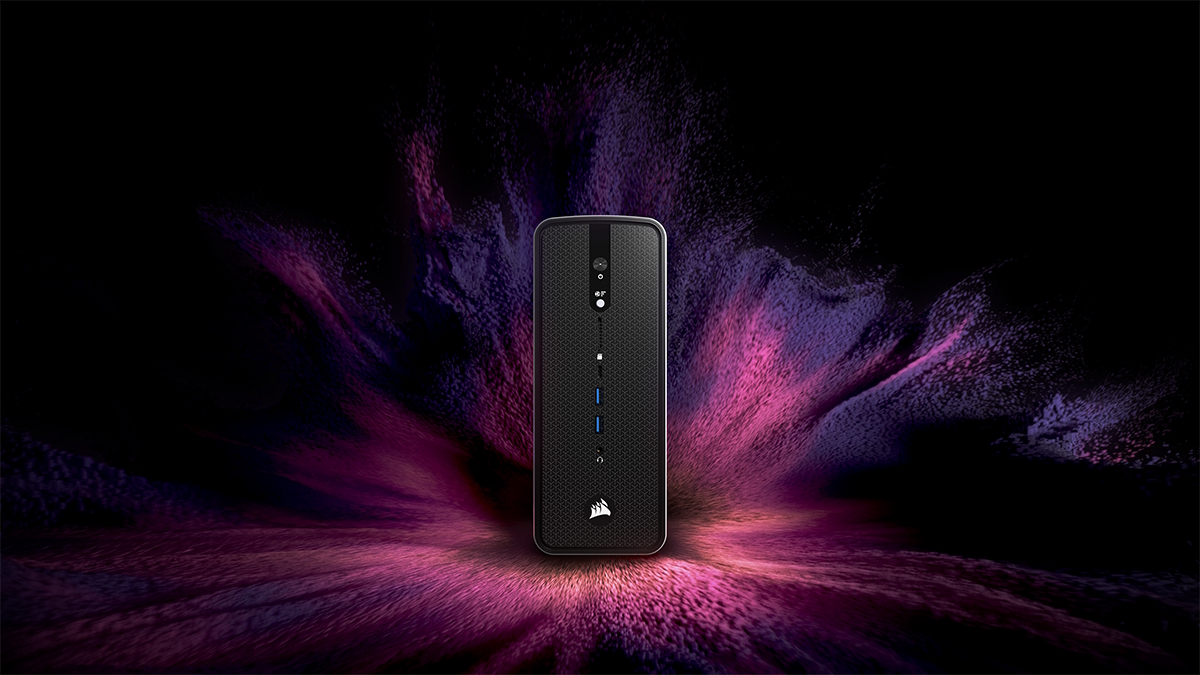
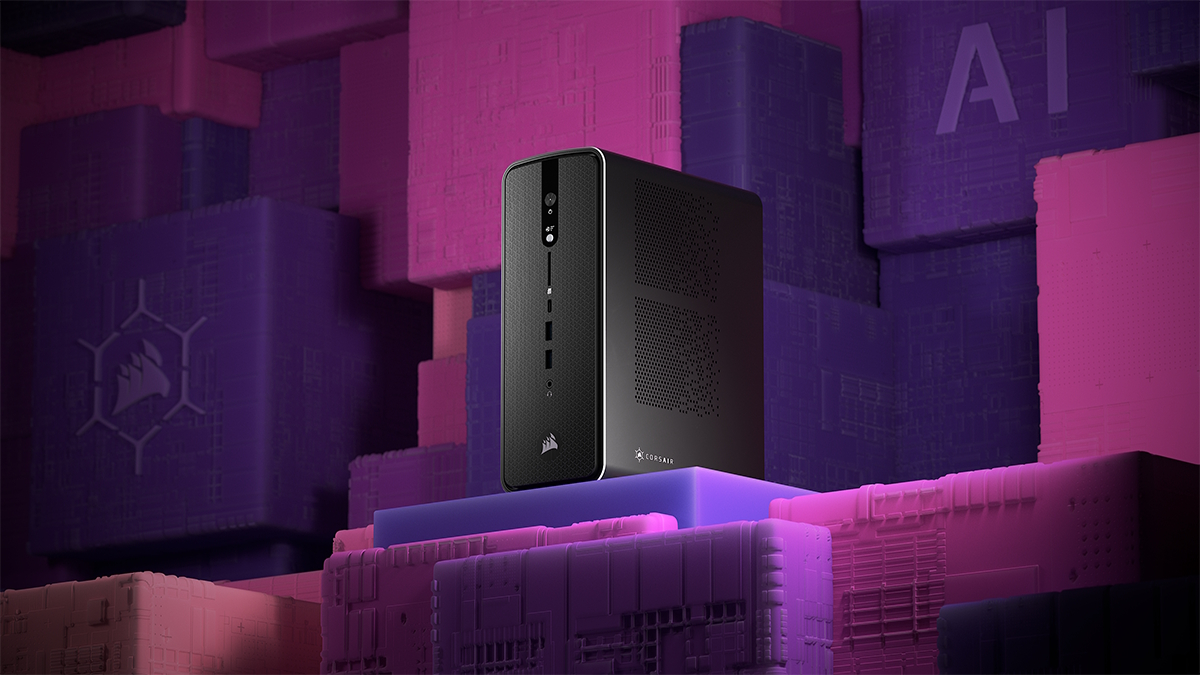
Corsair has today launched the AI Workstation 300, a compact PC that packs an incredible amount of power into a tiny 4.4-litre chassis. This new system is one of the first from a major manufacturer to be built around AMD's Ryzen AI Max 300 Series processor, bringing a mighty CPU/GPU combo in a single chip.
The top configuration of the AI Workstation 300 features the Ryzen AI Max+ 395, which combines Zen 5 CPU cores with an RDNA 3.5 integrated GPU boasting 40 CUs, and an XDNA 2 NPU capable of delivering up to 50 TOPS for AI acceleration. Alternatively, you may go for the cheaper Ryzen AI 385 model, which still packs quite a punch.
The real game-changer for AI developers, however, is the memory subsystem. The system utilises up to 128 GB of unified LPDDR5X memory, and thanks to the Strix Halo architecture, a massive 96 GB of that can be dynamically allocated as VRAM. This dwarfs the memory capacity of almost all consumer and even many professional desktop GPUs, opening the door for new possibilities in local AI.
Users may now install OpenAI's open-weight models, gpt‑oss‑120B and gpt‑oss‑20B, using the most recent version of LM Studio installed locally. Released under the Apache 2.0 license, these high-performance models allow for local deployment that is not possible with the majority of gaming-class GPUs. The Corsair AI Workstation 300 is now launching in Europe, starting at £1,599.99/$1,599.99, featuring a Ryzen AI Max 385 with a Radeon 8050S iGPU, a 1 TB M.2 SSD, and 64 GB of LPDDR5x.
KitGuru says: By packing this much power into a 4.4-litre chassis, Corsair is offering a unique solution for AI developers and professionals who need flexible, on-premise AI performance without a massive server rack.