KitGuru KitGuru.net – Tech News | Hardware News | Hardware Reviews | IOS | Mobile | Gaming | Graphics Cards


As the Nintendo Switch 2 uses an Nvidia GPU, we were all expecting the console to support features like DLSS and even G-Sync for Variable Refresh Rate. At first, Nintendo did state that the Switch 2's display was VRR capable, but mentions of the feature have since been scrubbed from the website.
Variable Refresh Rate comes in handy on consoles when running games at up to 120FPS. Getting a locked 120FPS is a challenge even on PC, so utilising VRR removes issues like screen tearing, keeping the image stable and fluid. With titles like Metroid Prime 4 set to feature 120Hz modes, fans were pleased to see that VRR was supported. Unfortunately, the situation has now taken a turn.
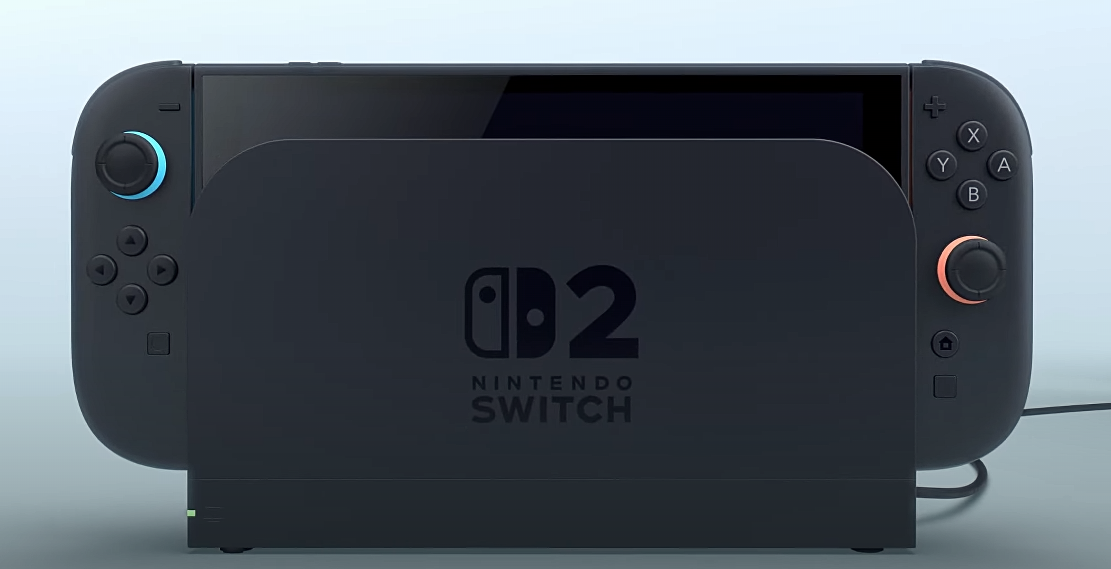
Oliver Mackenzie on X noticed that mentions of VRR have been removed from the Nintendo Switch 2 pages in several regions, including the US, Canada and Japan.
Nintendo has not yet commented publicly on this. Interestingly, the change coincides with another site update, revealing more details on Mario Kart World, which is set to be the Switch 2's major launch title in June.
Discuss on our Facebook page, HERE.
KitGuru Says: It would be a big shame if the 120Hz Switch 2 display did not support VRR. There is no reason it shouldn't, as the Nvidia chip at the centre of the console almost certainly does and nowadays, most displays on the market are VRR capable.