KitGuru KitGuru.net – Tech News | Hardware News | Hardware Reviews | IOS | Mobile | Gaming | Graphics Cards


Yesterday was the last day of CES, so we have been doing the rounds and wrapping up any interesting bits we didn't get to see earlier in the week. Today Briony takes a look at the new InWin 928 SuperTower case- a new high end option for the extreme enthusiast. To give you an idea of just how high-end we are talking, the system we saw on show was built around the ROG Dominus motherboard, which throws all price considerations out of the window in favour of pure performance.
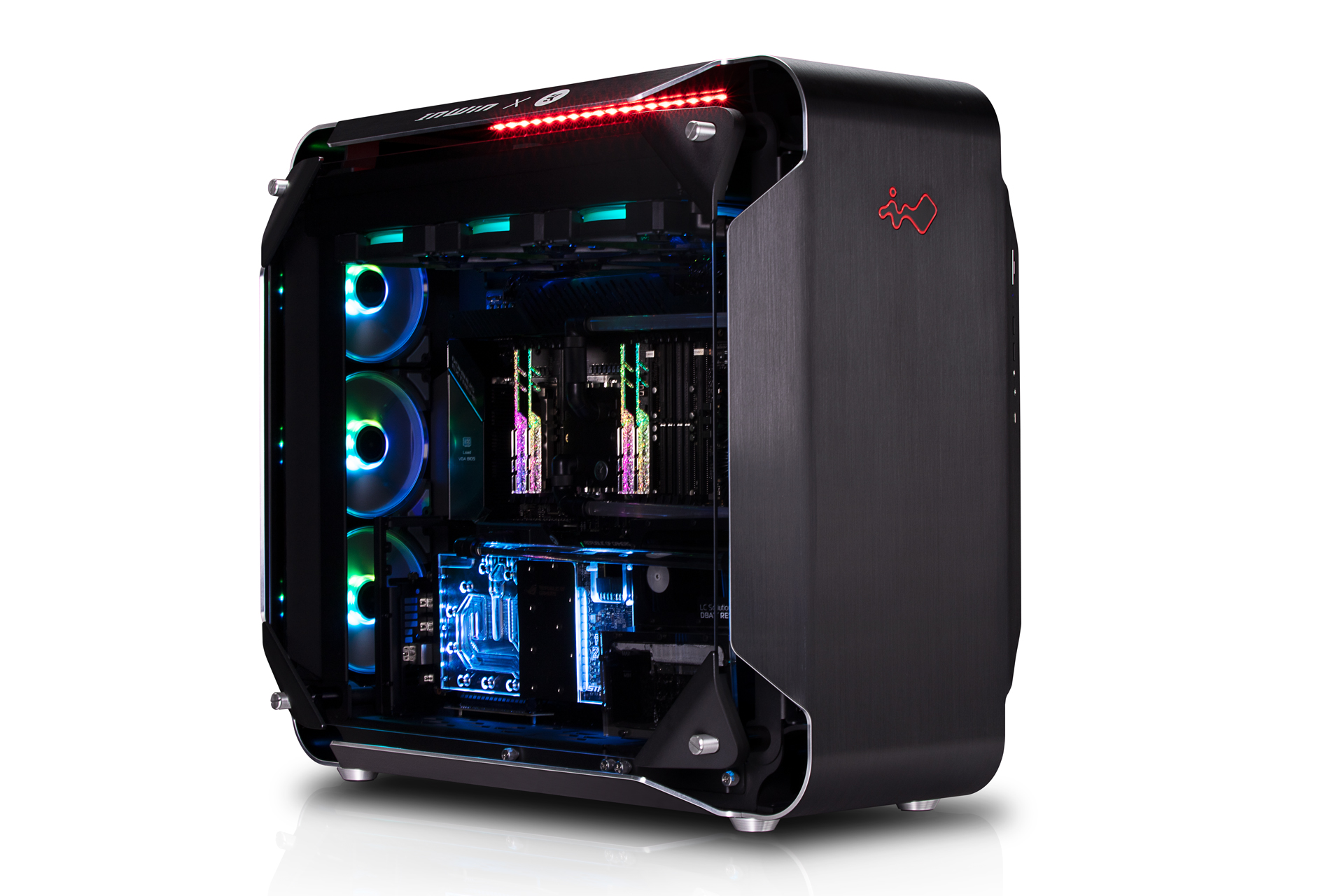
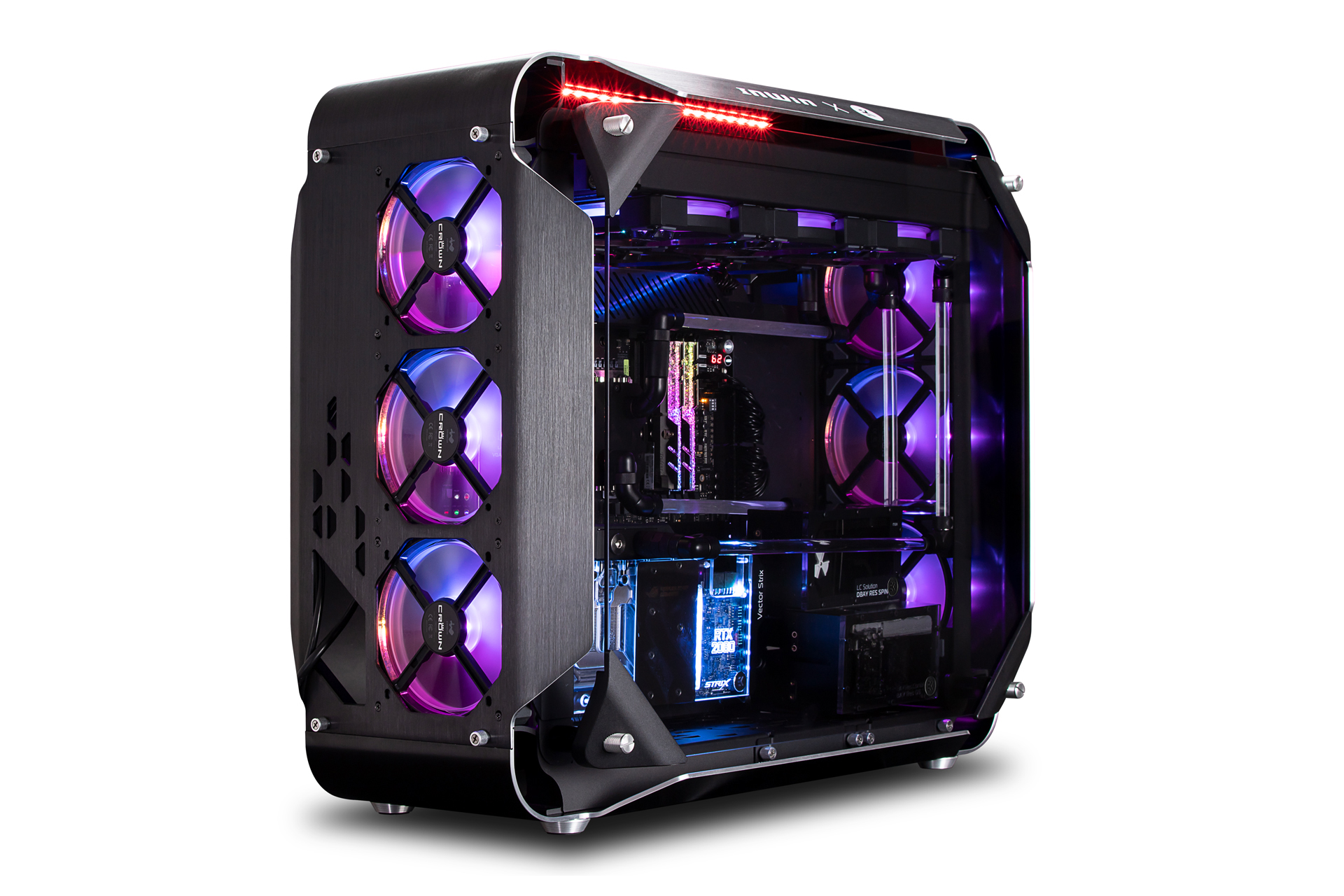
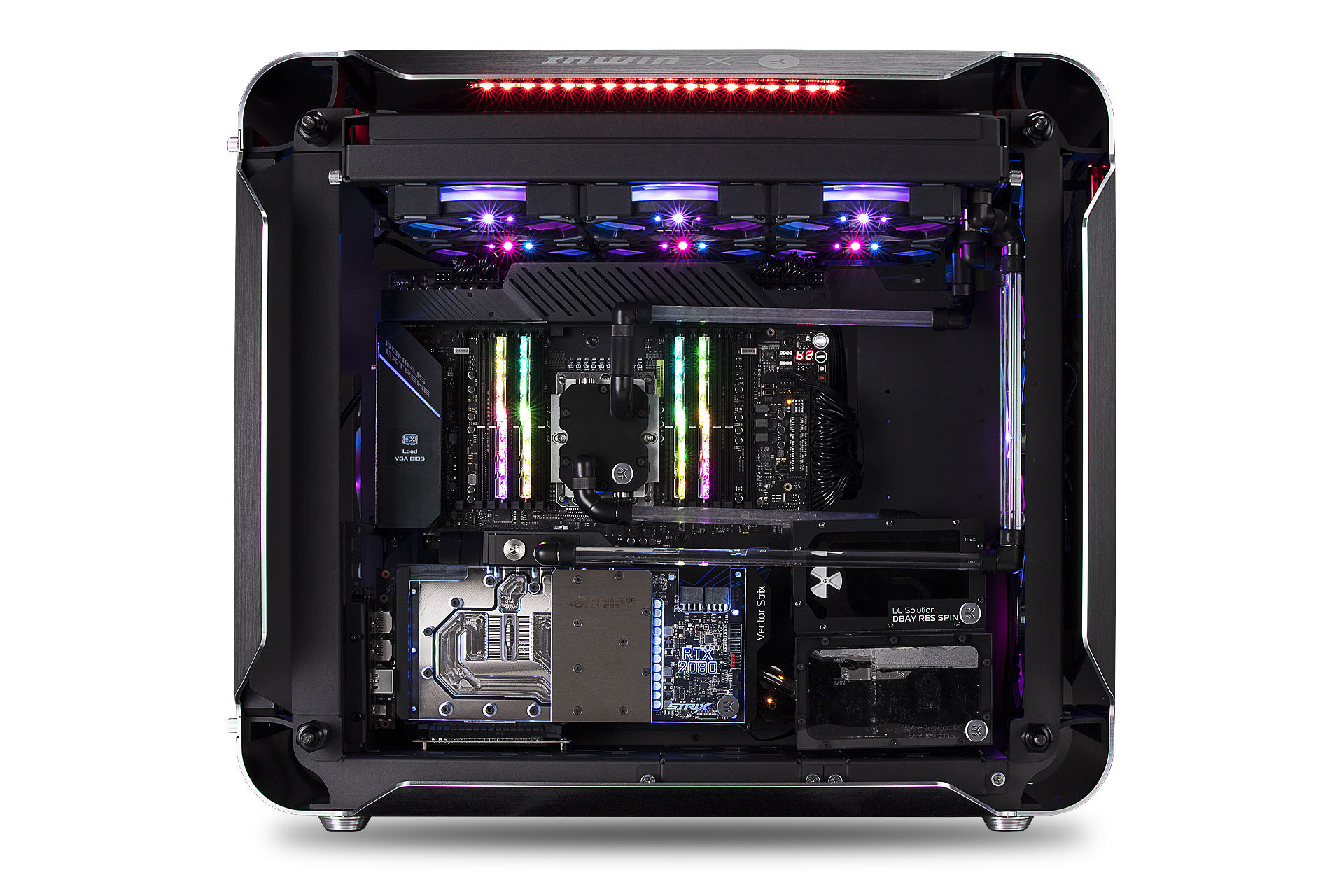
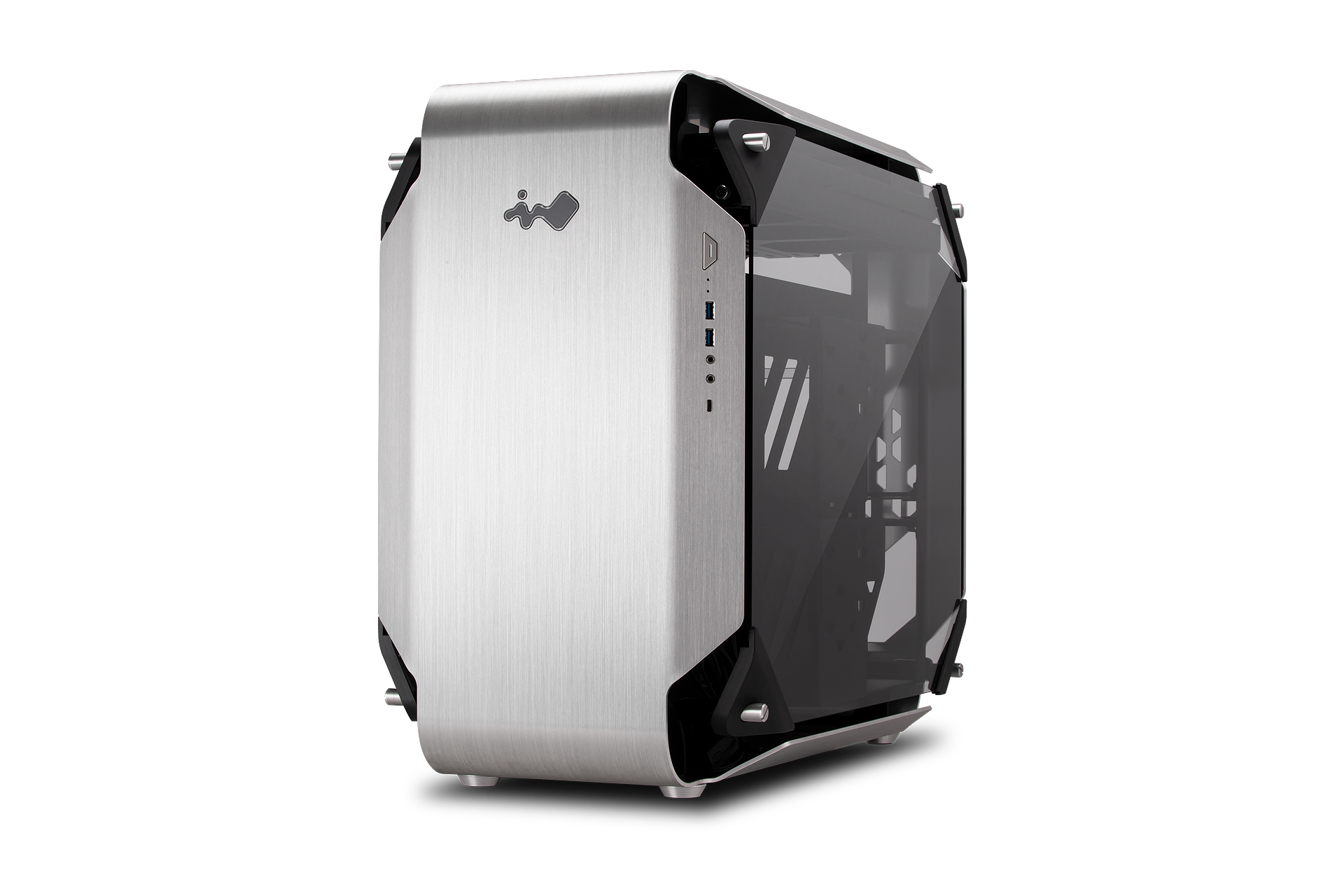
Here is a list of some of the features you can expect from this case:
- 2-4mm Aluminum, Tempered Glass
- 14×14 inch motherboard support, EATX, ATX, Micro ATX, Mini ITX
- PCIE x 8, Vertical PCIe x 4 (1 PCI-E Riser Card included with case)
- VGA card length 480mm maximum
- VGA card width 190mm maximum
- CPU heatsink height 185mm maximum
- Front panel: USB 3.1 Gen 2 Type-Cx1. USB 3.0X2, HD audio
The InWin 928 super tower is due to launch later this year at around the $900 mark.
KitGuru Says: The InWin 928 is a lovely looking case but it is certainly built for the 1%. We'll be looking forward to seeing more later in the year as we get close to launch.