KitGuru KitGuru.net – Tech News | Hardware News | Hardware Reviews | IOS | Mobile | Gaming | Graphics Cards


The next-generation X670 chipset from AMD will be produced by a third-party, according to insider sources. These same sources also revealed that X670 would release in late 2020, alongside the 7nm+ Ryzen 4000 CPUs.
The current X570 platform is manufactured in-house, by AMD, unlike the previous 300-series and 400-series motherboards. With X670, AMD will be relying on a third-party to produce its chipset. The third-party mentioned in the original leak is Xiang Shuo Technology, also know as ASMedia (an Asus subsidiary).
ASMedia previously had some limitations regarding PCIe 4.0. Those limitations were the reason why AMD had to produce its own X570 platform. With ASMedia preparing itself to support PCIe 4.0 on its produced motherboards, AMD will reportedly trust the chipset production back to ASMedia.
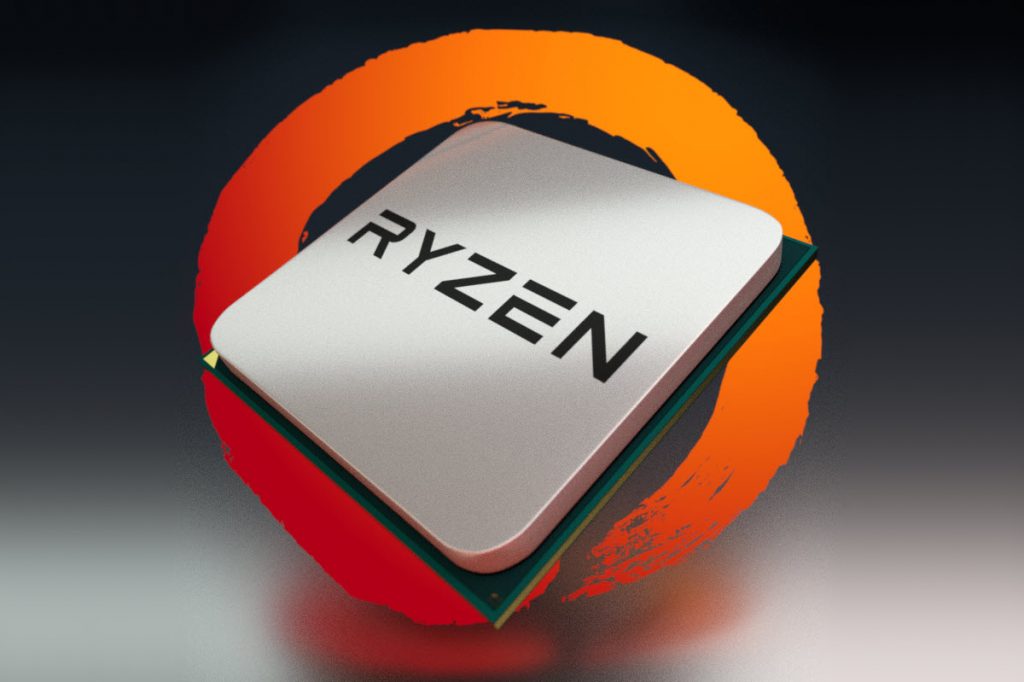
The next-gen X670 platform might use PCIe 4.0 on both general purpose lanes and the chipset bus. Other changes include upgrades to the USB 3.2, SATA, and M.2 interfaces, and a reduction of the chipset's TDP. If the TDP is indeed reduced, there would be no need for active cooling the motherboard, which would also reduce the manufacturing costs.
According to MyDrivers, the B550 chipset is already being produced by ASMedia, and it will launch in February 2020.
Discuss on our Facebook page HERE.
KitGuru says: Are you waiting for the new Ryzen 4000 processors?