KitGuru KitGuru.net – Tech News | Hardware News | Hardware Reviews | IOS | Mobile | Gaming | Graphics Cards


Due to the COVID-19 outbreak, many businesses are having to re-evaluate their plans for the year. This includes game studios with planned release dates this year. Sony has recently spoken out on the potential for impact to its own business, closely monitoring the risk for delays in game production.
“In accordance with mandates from national and local governments, Sony has closed a portion of its offices, mainly in Europe and the U.S., where employees are now working from home. Additionally, at Sony's offices in Japan and other areas, employees must work from home, excluding a small number of essential employees.”
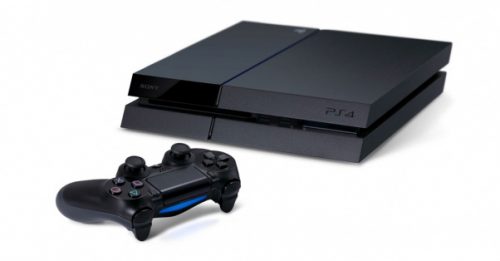
Sony has also shut down a manufacturing plant in the UK, but says its four facilities in China are now re-opening and ramping back up. However, due to restrictions on travel across various countries, it is difficult for Sony to “send engineers to manufacturing hubs” like those found in Asia.
As far as game and network services are concerned, Sony estimates that “there will be no material impact” for the current financial year. While there have been “no issues so far”, Sony is also “carefully monitoring the risk of delays in production schedules for game software titles at both first-party studios and partner studios, primarily in Europe and the U.S”.
Discuss on our Facebook page, HERE.
KitGuru Says: A lot of studios have had to shift to working from home, which would certainly come with an adjustment period before productivity gets back to normal. With that in mind, I wouldn't be surprised if a couple of delays ended up creeping in. For now though, there is nothing specific to announce on that front.