KitGuru KitGuru.net – Tech News | Hardware News | Hardware Reviews | IOS | Mobile | Gaming | Graphics Cards


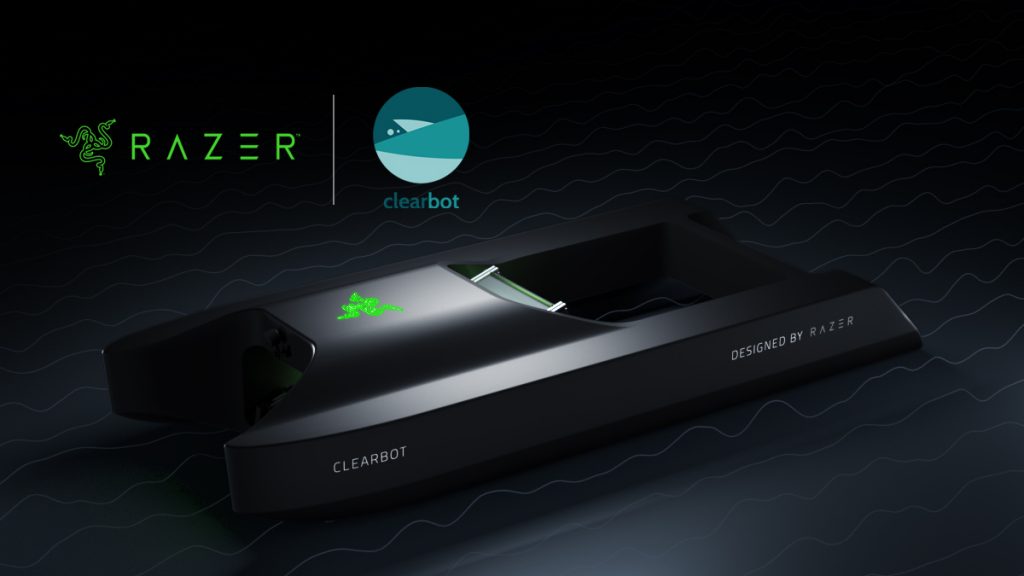
Following its 10-year sustainability roadmap, Razer has partnered up with ClearBot to design a new ocean cleaning robot. In related news, Razer also announced more Sneki Snek merchandise because it reached two more tree planting milestones.
ClearBot's robot uses AI-vision to detect plastic in the ocean and collect it to be disposed of. Now thanks to Razer's team of designers and engineers, it not only does cool stuff, but it looks good while doing it. The new scalable and mass-marketable automated robot will detect plastic waste within two meters in rough waters and carry up to 250Kg of plastic, all while being powered by solar energy.
Razer's other environmental missions are also going very well. Back in March 2021, when it announced the #GoGreenWithRazer movement with Sneki Snek at the helm, Razer promised it would launch new merchandise for every 100,000 trees planted. At the start, it launched the Sneki Snek plushie, and at the first 100,000, it released a head pillow.
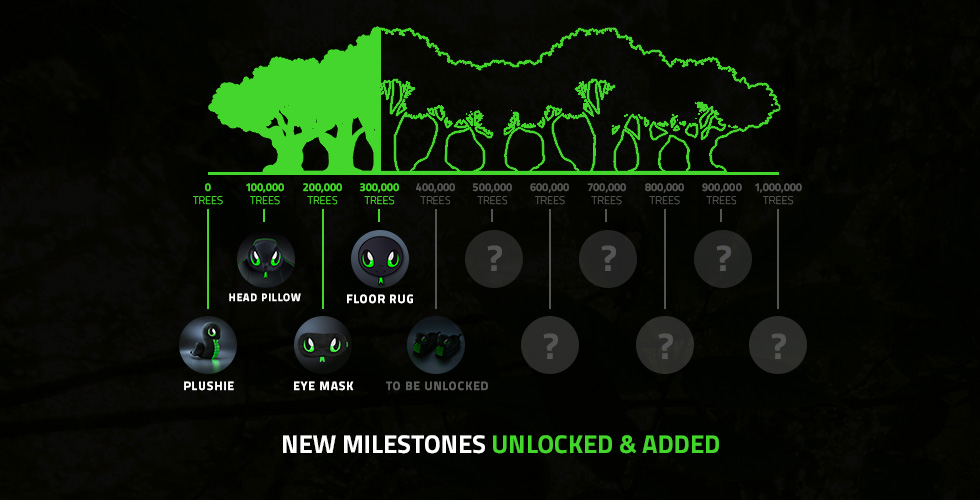
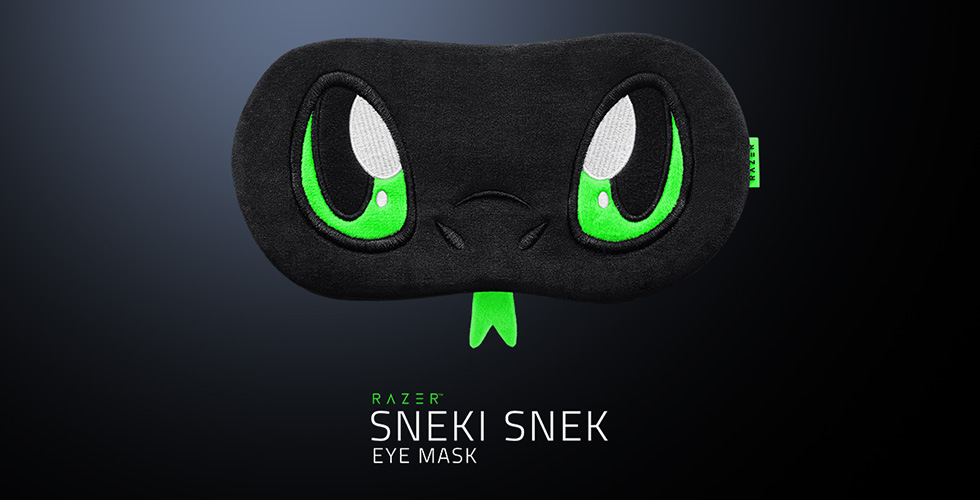
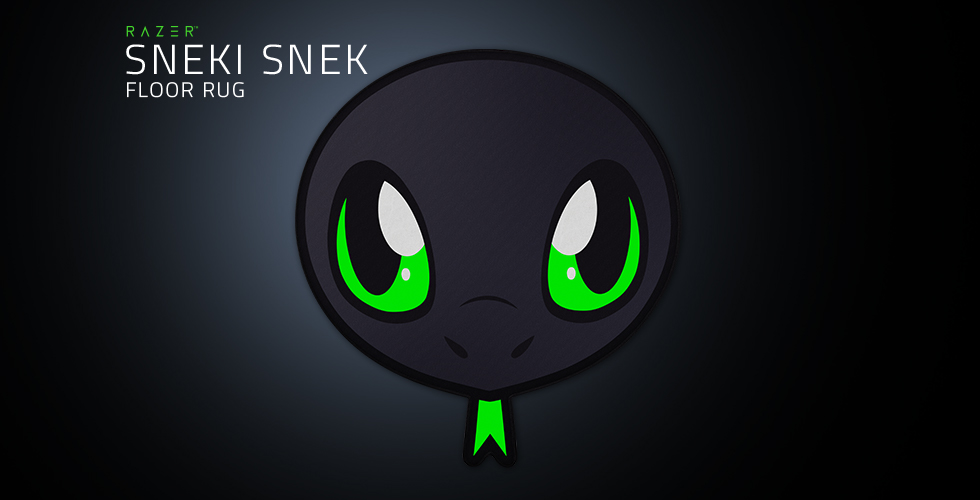
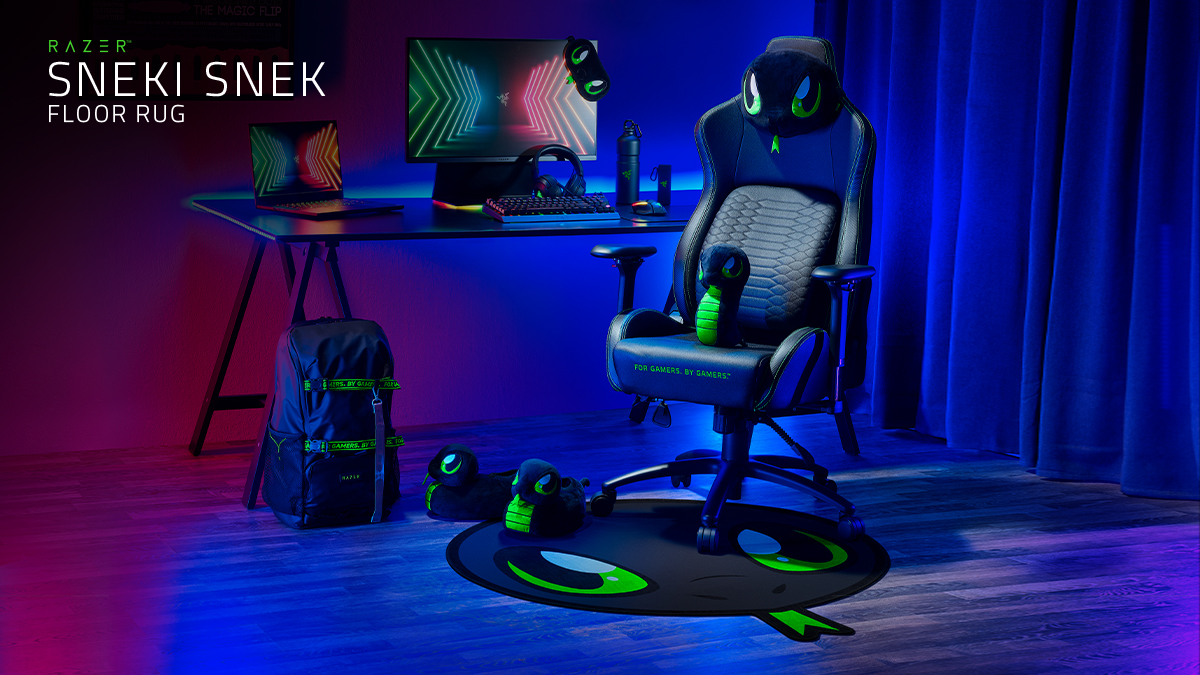
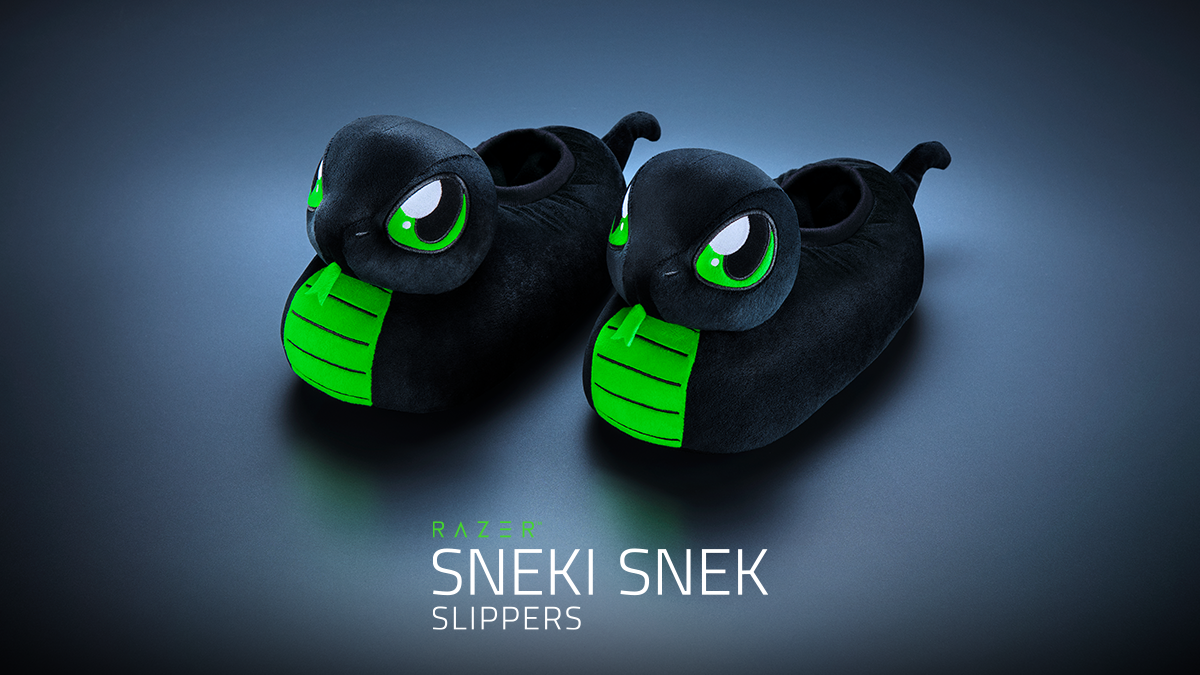
Since then, Razer has already reached two other milestones: the 200,000 trees and the 300,000 trees. For crossing the 200,000 mark, Razer released a Sneki Snek eye mask, and for the 300,000 mark, a floor rug. The next milestone will be at the 400,000, where the peripheral manufacturer will release a pair of Sneki Snek slippers. There will be new Sneki Snek gear for every 100,000 trees planted all the way up to 1 million trees.
If you want to support Razer's cause, for every Sneki Snek merchandise sold, Razer will save ten trees. Anyone interested in the campaign can check more about it on the official page.
Discuss on our Facebook page, HERE.
KitGuru says: What do you all think of Razer's green movement? Are you thinking about supporting the cause?