KitGuru KitGuru.net – Tech News | Hardware News | Hardware Reviews | IOS | Mobile | Gaming | Graphics Cards


Somewhere during one of several reboots for Skull and Bones, the game transitioned into a multiplayer-first title. Now, the game's director, Ryan Barnard, has given us more insight into what that means, noting that while the game has an ‘underlying story', narrative is not a focus of the game.
Speaking in an interview with True Achievements last week, Barnard said confirmed that “Skull and Bones is not a narrative-driven game”. Instead, there will be multiple NPC characters in the world that give you missions and there will be some story tied to that, but what really drives progression in the game is “Infamy”. Increasing your Infamy level will unlock new ships, weapons, armour and more to help you gear up for harder content.
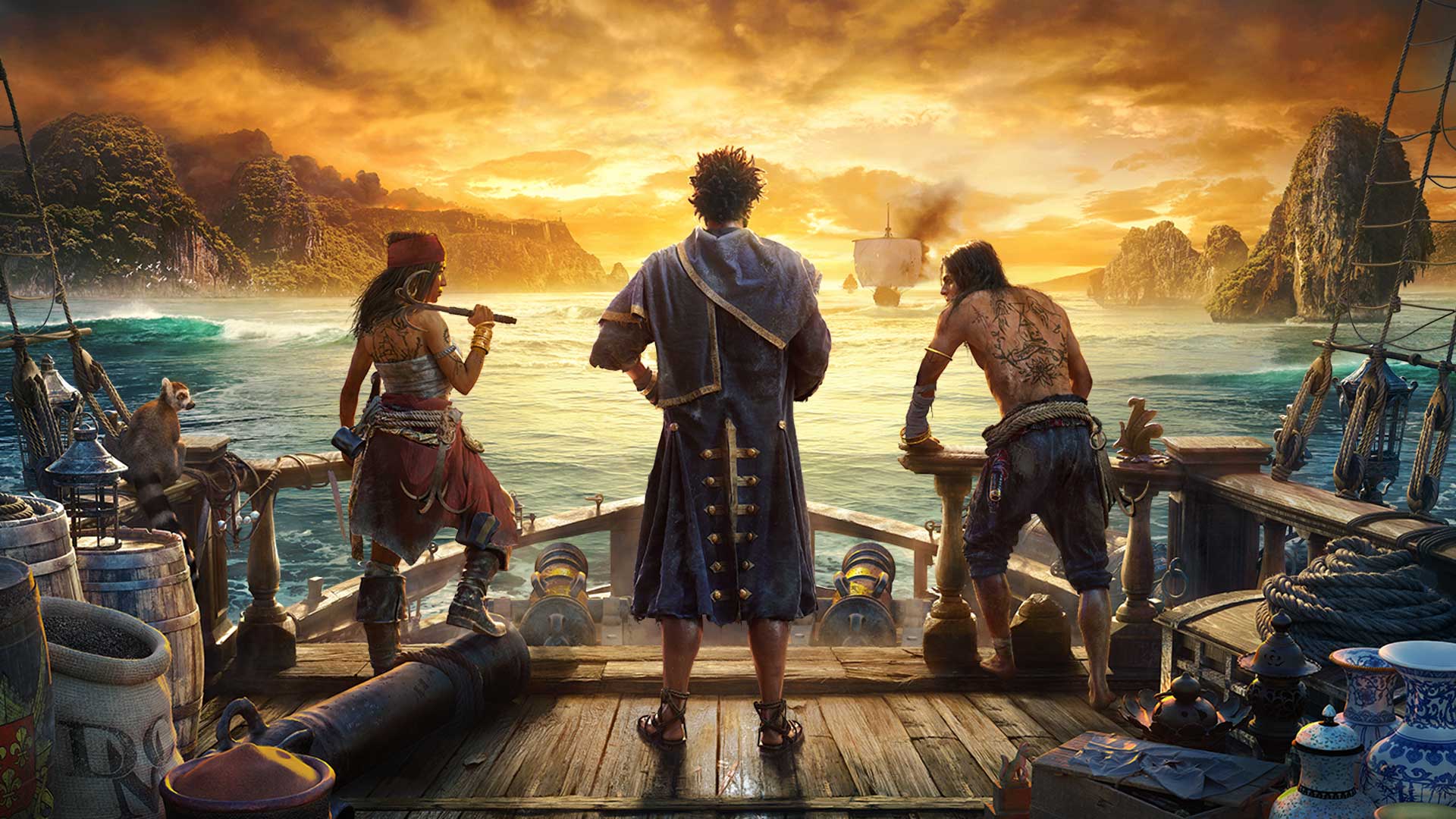
Here is the full quote: “Skull and Bones is not a narrative-driven game, we have narrative pieces in the game, you'll meet important NPCs called Kingpins which have their own stories that you'll learn as you develop rapport with them by taking on contracts with them. There is an underlying story to the game with which we build the entire world lore, but that's not the main focus.”
Bernard adds that the team wants players to ‘create their own stories', a line often mentioned in the marketing for long-running multiplayer and live-service style games.
The full interview reveals more about gameplay, combat and exploration so it is worth reading if you are looking forward to Skull and Bones. The game will release on the 8th of November for PC, Xbox Series X/S, PS5, Stadia and Luna.
Discuss on our Facebook page, HERE.
KitGuru Says: Are you still looking forward to Skull and Bones or will you be skipping this one?