KitGuru KitGuru.net – Tech News | Hardware News | Hardware Reviews | IOS | Mobile | Gaming | Graphics Cards


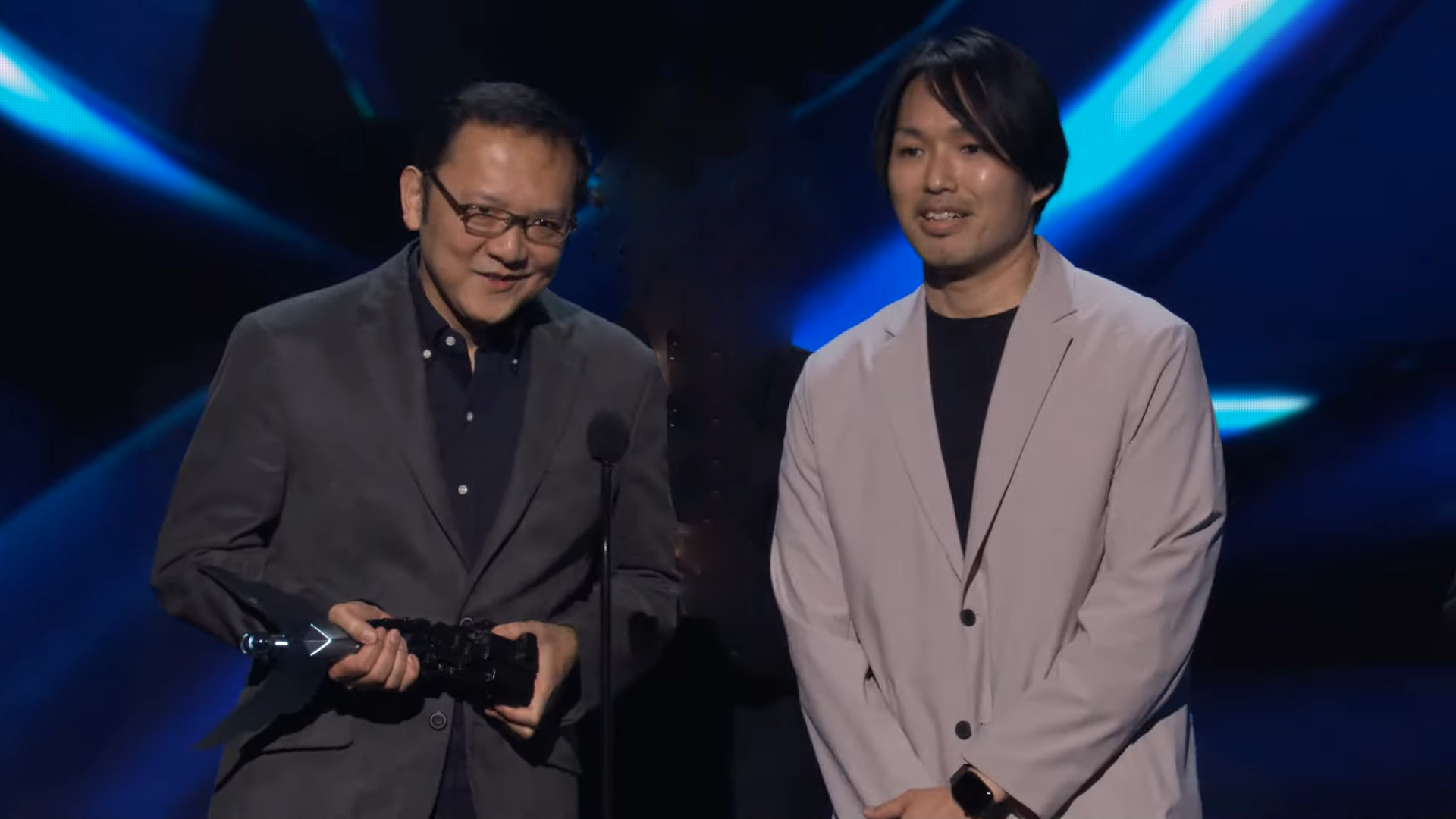
The 2022 Game Awards has now concluded, and while God of War finished the night with the greatest number of Awards won, it was in fact Elden Ring which took home the prestigious Game of the Year – the second FromSoftware game in a row to do so.
As mentioned, the two biggest winners at the 2022 Game Awards were Elden Ring and God of War. The former took the highly coveted Game of the Year award, as well as the awards for ‘Best Game Direction,’ ‘Best Art Direction’ and ‘Best Role Playing Game.’
God of War was nominated for 11 categories and won 6 in total, taking the awards for ‘Best Narrative,’ ‘Best Score and Music,’ ‘Best Audio Design,’ ‘Best Performance (Christopher Judge as Kratos),’ ‘Innovation in Accessibility,’ and last but not least ‘Best Action/Adventure Game.’
Stray and Final Fantasy XIV both won two awards each, with the former taking home ‘Best Independent Game’ and ‘Best Debut Indie Game’. FFXIV meanwhile was awarded ‘Best Community Support’ and ‘Best Ongoing Game’.
The rest of the awards were as follows:
- Games for Impact – As Dusk Falls
- Best Mobile Game –Marvel Snap
- Best VR/AR Game – Moss: Book II
- Best Action Game – Bayonetta 3
- Best Fighting Game – Multiversus
- Best Family Game – Kirby and the Forgotten Land
- Best Sports/Racing Game – Gran Turismo 7
- Best Sim/Strategy Game – Mario + Rabbids Sparks of Hope
- Best Multiplayer Game – Splatoon 3
- Most Anticipated Game – The Legend of Zelda: Tears of the Kingdom
- Best Adaptation – Arcane
- Players' Voice – Genshin Impact
Discuss on our Facebook page HERE.
KitGuru says: What did you think of this year’s Game Awards? What is your game of the year? Let us know down below.