KitGuru KitGuru.net – Tech News | Hardware News | Hardware Reviews | IOS | Mobile | Gaming | Graphics Cards


Summer Game Fest is just a couple of weeks away. With E3 now officially cancelled for good, Summer Game Fest has cemented its position as the new go-to summer event for game announcements. This year's show will see over 55 partners being involved, ranging from smaller indie companies and gaming-adjacent software makers, to the biggest publishers in the industry.
As far as the big names go, Summer Game Fest will have involvement from many major publishers, including 2K Games, Amazon Games, Capcom, Bandai Namco, Epic Games, Devolver Digital, EA, Sega, Riot, Meta, WB, Ubisoft, PlayStation and Xbox.
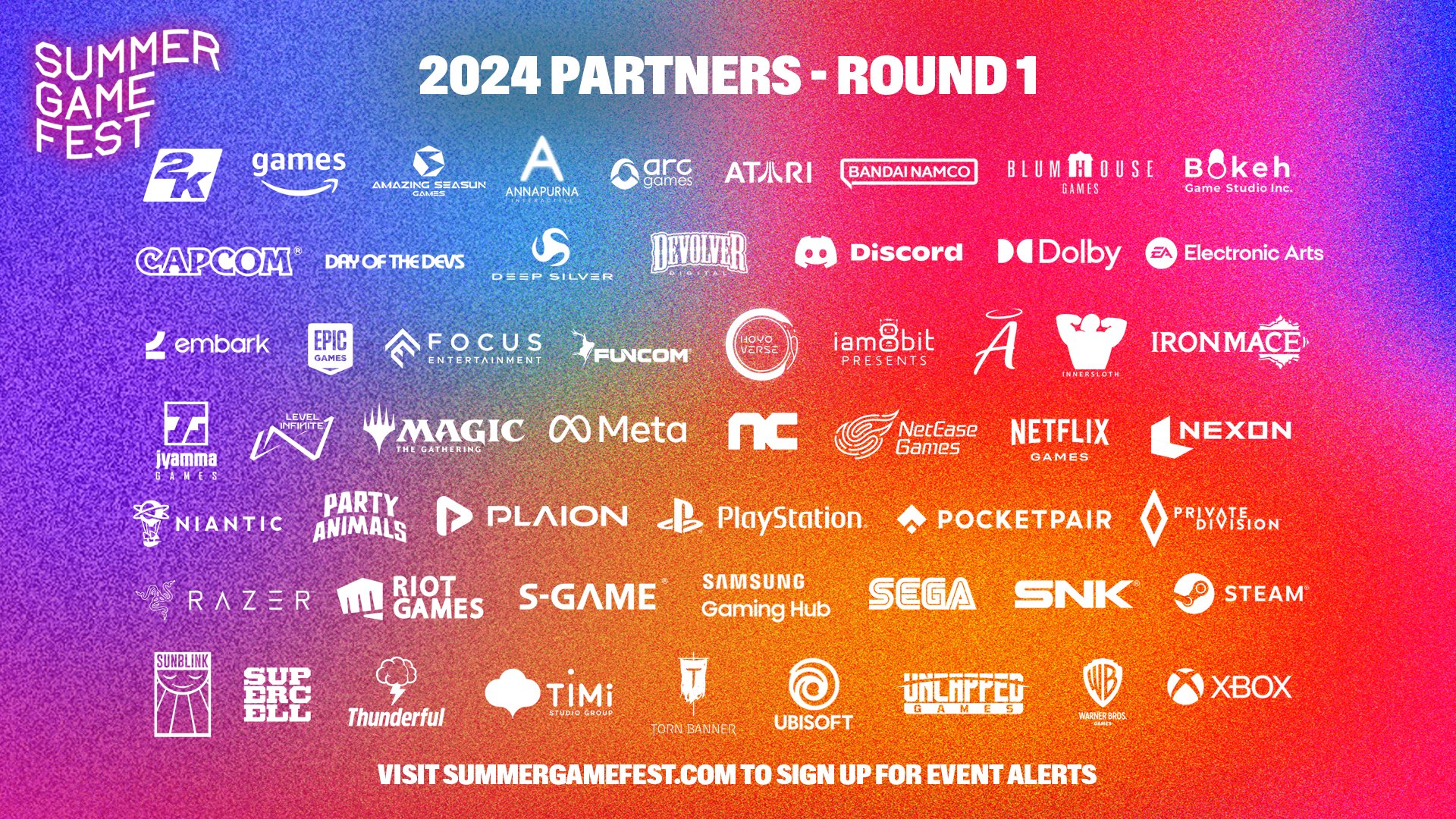
On the gaming accessories and software side, we have companies like Discord, Samsung, Steam, Razer and more.
With such a big list of partners the possibilities for new game announcements are practically endless. Riot could potentially announce launch details for its new fighting game, Bandai Namco could return with a new trailer for Elden Ring: Shadow of the Erdtree and Amazon could potentially reveal the next Tomb Raider game, as the tech giant has signed a deal to publish the next game from Crystal Dynamics.
Capcom has new Resident Evil and Monster Hunter games on the way too. No matter what, it seems that we can expect some exciting announcements for new games, alongside updates for on-going or previously announced titles. With 2K Games being present, I think BioShock fans in particular should keep an eye out, as recent rumours suggest that BioShock 4 may finally be heading for a reveal.
Discuss on our Facebook page, HERE.
KitGuru Says: Will you be watching the Summer Game Fest showcase on June 7th? Is there anything you are hoping to see announced?