KitGuru KitGuru.net – Tech News | Hardware News | Hardware Reviews | IOS | Mobile | Gaming | Graphics Cards


We know a Ryzen Z2 Extreme is already in the works, but besides the name and the fact that it's coming in 2025, not much is known about it. However, a recent shipping manifest has revealed a couple of new details, including CPU core count.
The shipping manifest shared by Olrak29 has provided insights into the APU's configuration, revealing a “Z2X” laptop CPU designed for the FP8 socket with a 28W TDP. Notably, the processor is expected to feature 64-bit memory and is speculated to be based on the Kraken or Strix Point architecture, packing eight cores.
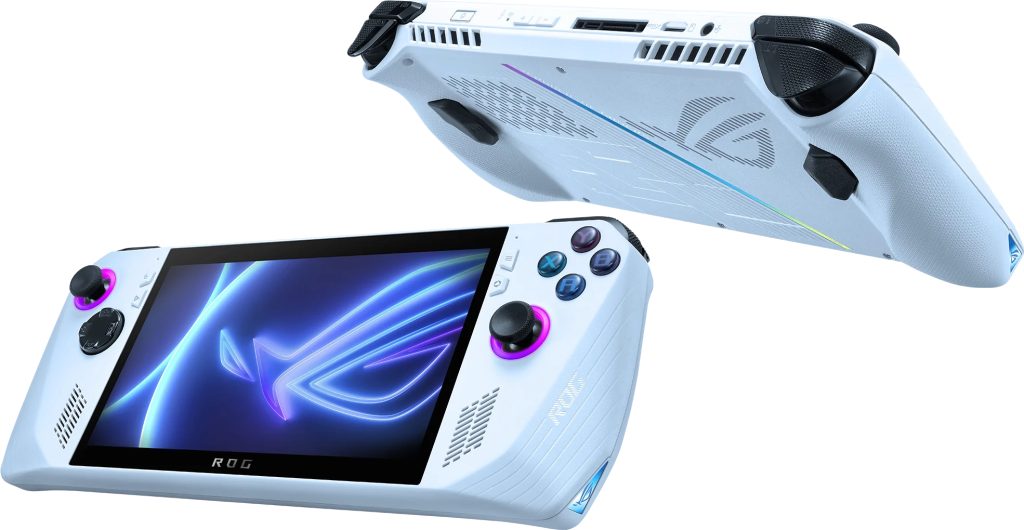
The revelation of an 8-core configuration has surely caught some by surprise. Still, AMD's decision to go for an 8-core configuration hints at a potential emphasis on graphics performance within the mobile processor, possibly allowing AMD to use the full 16-CU RDNA 3.5 iGPU.
Although we don't know much about the Z2 Extreme, there are a few things one can assume, like using Zen 5 CPU cores and RDNA 3.5 integrated graphics. While no vendors have officially announced products featuring the Ryzen Z2, Asus and Lenovo are expected to use these APUs on their next generation gaming handhelds.
KitGuru says: Considering the performance of the Z1 Extreme, it makes sense for AMD to focus on improving graphics over CPU. The jump from a 12-CU RDNA iGPU to a 16-CU RDNA 3.5 iGPU should provide a much bigger improvement in games compared to additional CPU cores.