KitGuru KitGuru.net – Tech News | Hardware News | Hardware Reviews | IOS | Mobile | Gaming | Graphics Cards


When Hideo Kojima first left Konami and formed his own studio, he quickly signed a deal with Sony to publish their first game, Death Stranding. This title has gone on to become a huge global success. Now, Kojima Productions has bought out the rights to the game, and as a result, it is heading to new platforms for the first time.
Now with full ownership of the Death Stranding IP, Kojima Productions is looking to bring the game to more people. As of today, Death Stranding is no longer a PlayStation console exclusive and is now available to buy and play on Xbox Series X/S consoles. The game is also available through Amazon's cloud gaming service, Luna.
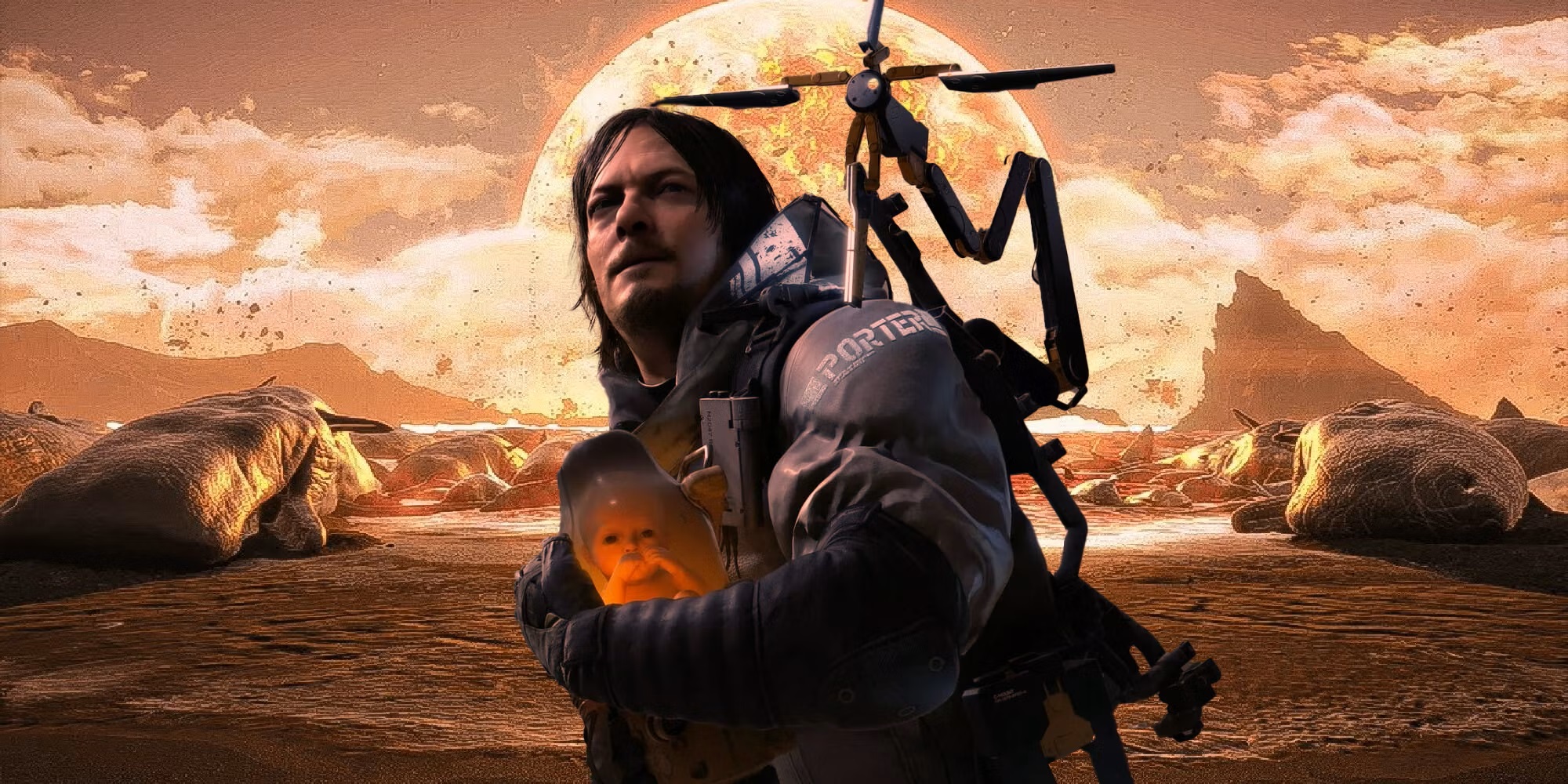
It is unclear exactly what this means for Death Stranding 2, which was announced during a PlayStation showcase last year. The game, titled Death Stranding 2: On the Beach, has only been announced for release on PS5 and is expected to arrive in 2025. However, with Kojima Productions obtaining the IP rights and moving towards multi-platform development, it is possible that the sequel will also land on Xbox and PC alongside PS5.
Like the PC version of Death Stranding, the new Xbox version is being published by 505 Games.
KitGuru Says: I'm sure Death Stranding will be great on Xbox but a lot of that game's magic was unlocked on PS5 thanks to the DualSense controller, which adds that extra tactile depth to the gameplay.