KitGuru KitGuru.net – Tech News | Hardware News | Hardware Reviews | IOS | Mobile | Gaming | Graphics Cards


Firepower Technology, a little known company, has acquired the power supply unit assets of the bankrupt OCZ Technology Group. It is not completely clear what exactly has been purchased, but it is likely that Firepower will be able to continue making power supplies using intellectual property (IP) from the insolvent firm.
OCZ Technology Group got it PSU business when it acquired PC Power and Cooling company back in 2007. Along with a brand-name of a renowned power supply maker and manufacturing capacities, OCZ got intellectual property and a lot of know-how regarding PSUs. As a result, of OCZ’s bankruptcy, its assets are now sold to interested parties.
According to a filing with the U.S. Securities and Exchange Commission (SEC), Firepower got OCZ’s PSU-related assets mainly consisting of its power supply and power management technologies for $850 thousand (£518 thousand).
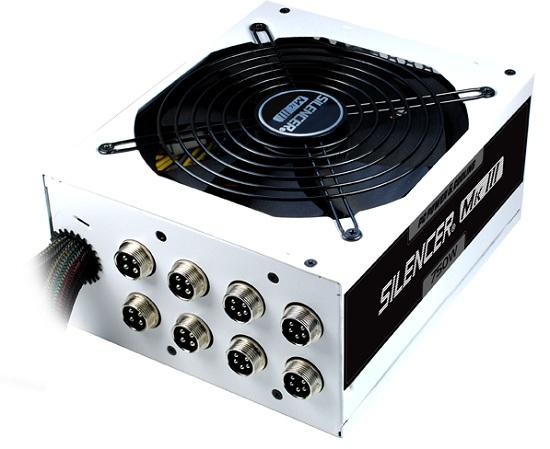
Firepower has not announced its plans about how to use the assets of OCZ, but it is logical to assume that it will try to develop and sell its own PSUs with technologies developed by PC Power and Cooling as well as OCZ.
Earlier this year Toshiba Corp. acquired SSD-related assets of OCZ Technology Group. With the sale of effectively all OCZ’s assets, the legendary company ceases to exist.
KitGuru Says: PSU manufacturing is not a highly-profitable business that a newcomer could acquire. Perhaps, Firepower is company that belongs to a well-established player who just decided to expand its IP and products portfolio…