KitGuru KitGuru.net – Tech News | Hardware News | Hardware Reviews | IOS | Mobile | Gaming | Graphics Cards


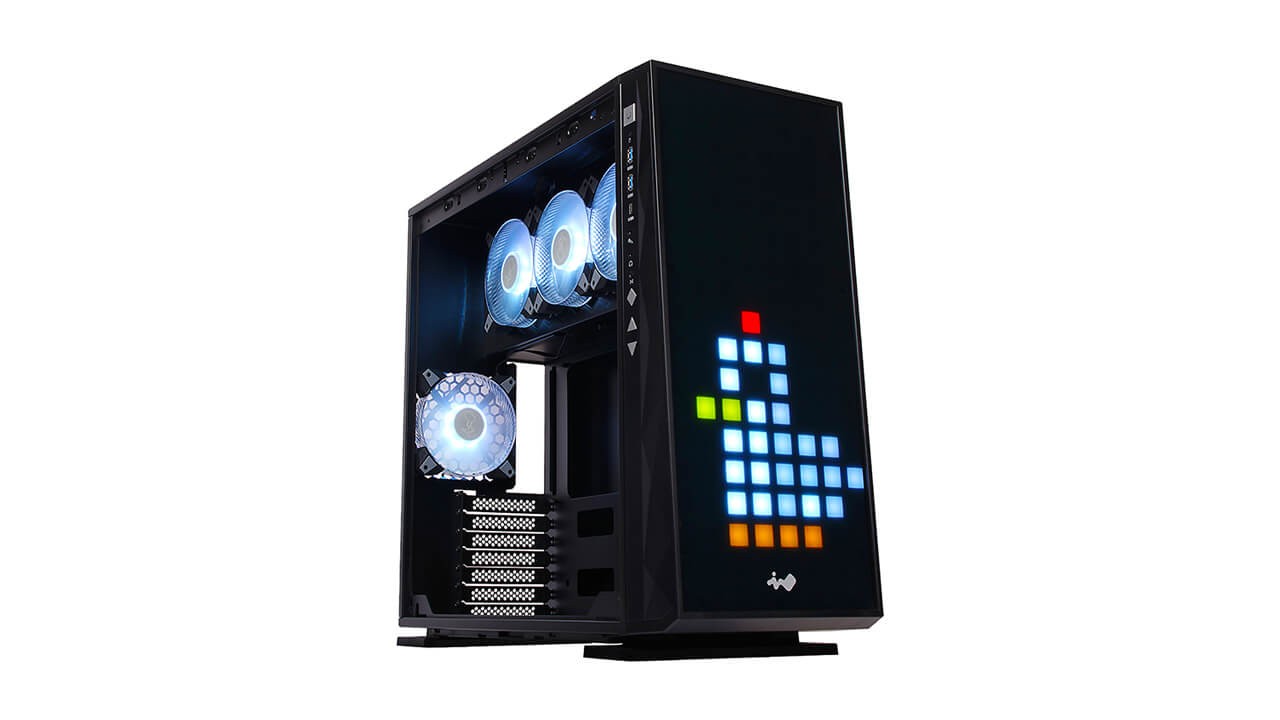
InWin is back with another unique case – the 309 Gaming Edition. As the name suggests, it's very similar to the original InWin 309, but there's a big difference – it features a full LED front panel that lets you play games on it.
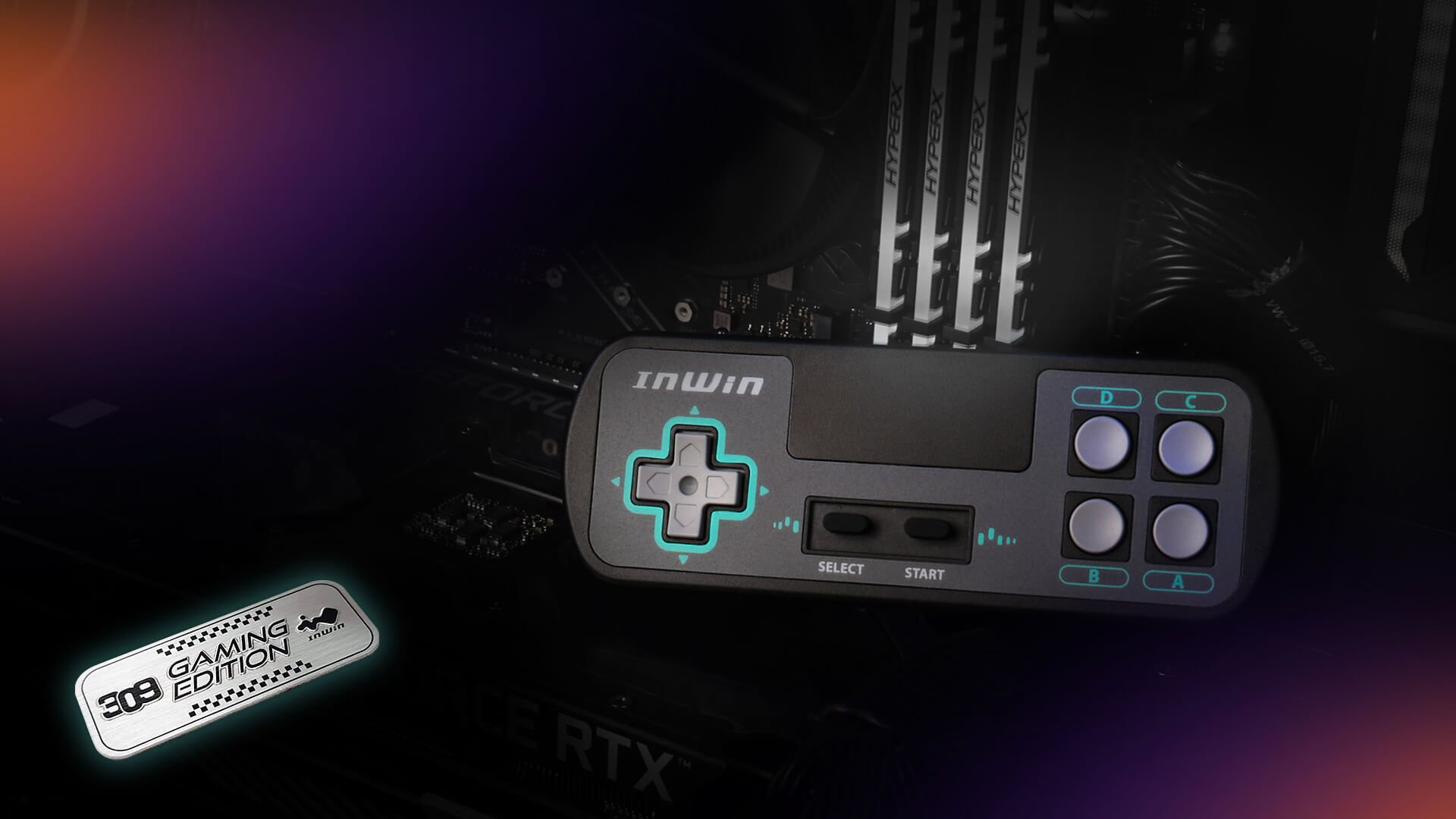
Featuring 144 ARGB LEDs in the front panel, users can play three different games: Magi Jump (Flappy Bird), 309 Racing, and Blox (Tetris). The front panel has a built-in sound receiver that makes the front panel react to sound. Users can configure the front panel LEDs through Glow X, which allows them to create profiles, pixel art, and animations. Moreover, InWin has included a gamepad with the case, featuring a retro design reminiscent of 80s gaming.
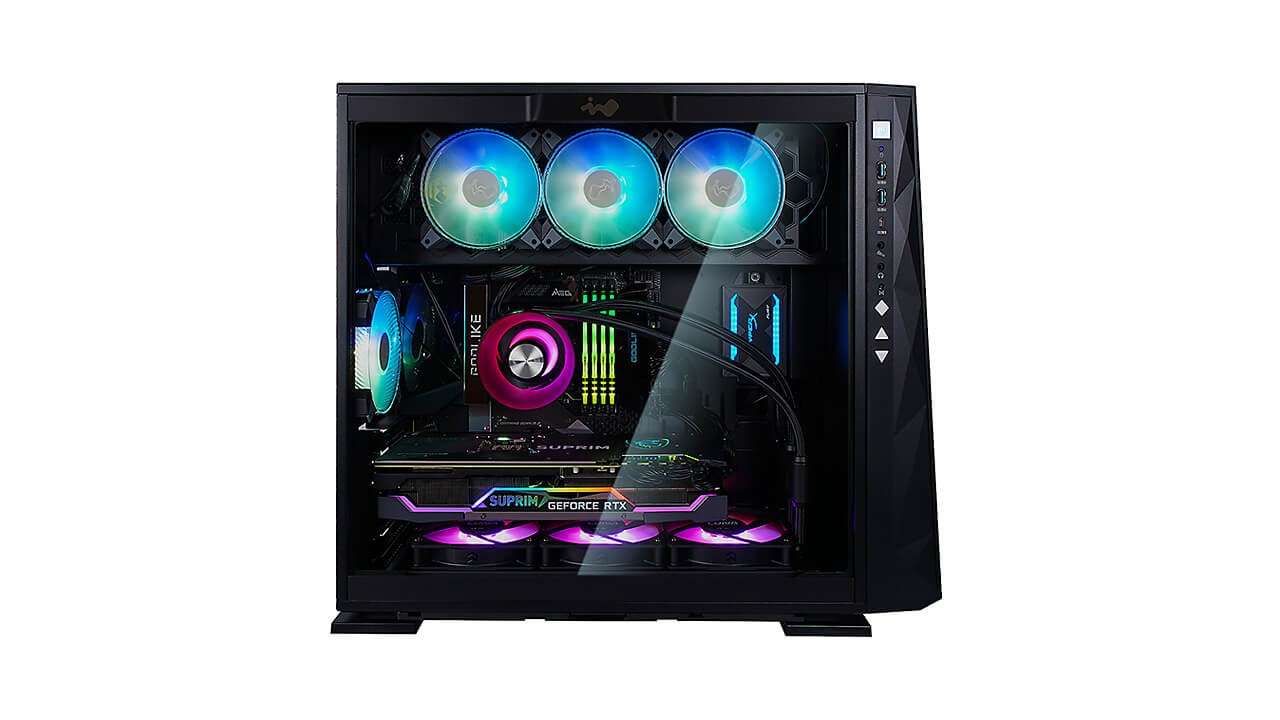
Besides the controller, the case also includes 4x Saturn ASN120 fans, featuring a transparent frame and a modular design. By default, there's 3x fans on top and 1x on the rear, but users can add another 3x 120mm fans to the bottom. Radiator support is also good, allowing users to mount up to a 360mm radiator on top, a 120mm radiator on the rear, and a 360mm radiator on the bottom.
The InWin 309 Gaming Edition has 7x PCIe expansion slots and supports E-ATX, ATX, Micro ATX, and Mini-ITX motherboards. Inside the case, users can also mount 350mm long graphics cards, a 200mm long PSU (top-mounted), a 160mm tall CPU cooler, and 4x 2.5-inch drives or 2x 2.5-inch drives and 2x 3.5-inch drives.
KitGuru says: What do you think of InWin 309 Gaming Edition's innovative front panel? Would you buy a case for a feature like this?