KitGuru KitGuru.net – Tech News | Hardware News | Hardware Reviews | IOS | Mobile | Gaming | Graphics Cards


Xigmatek has announced its new open frame chassis, known as Perseus. This case is aimed at gamers that want to showcase and customise their systems while keeping it cool, thanks to the open nature of the case and its support for up to 6x fans.
Featuring a 1mm thick chassis structure and 4mm tempered glass panels on both sides, the Perseus is crafted using the “sophisticated CNC & NCT production” method and is designed to offer superior airflow and ventilation.
According to TechPowerUp, this case supports up to 2x 120mm fans on the front, 2x 120mm fans on the top, and 2x 120mm fans on the back. Radiators are supported too: one 120mm radiator on the back and one 120/240mm radiator on the top. No fans come included with this case.
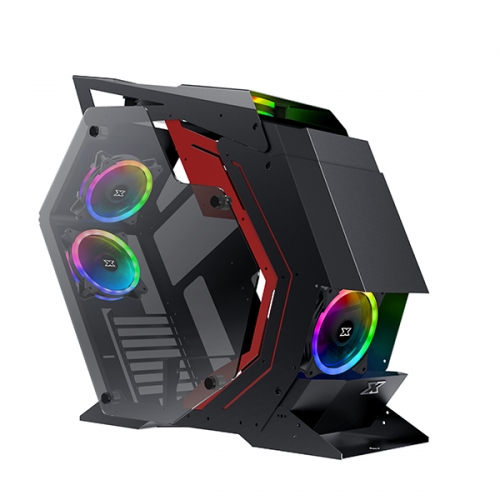
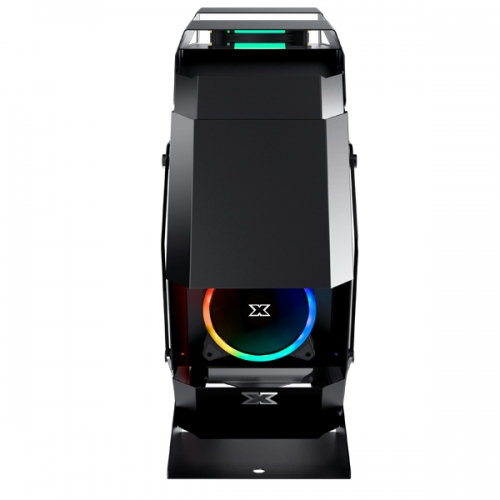
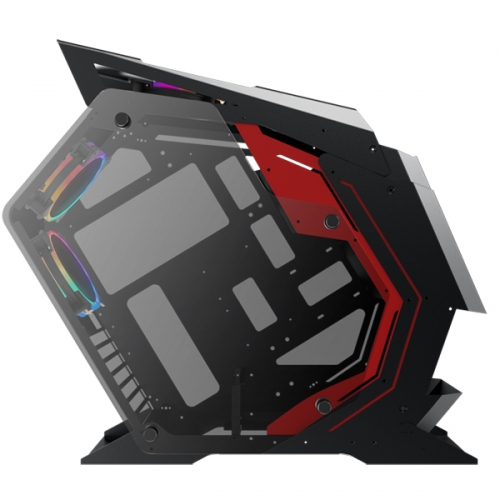
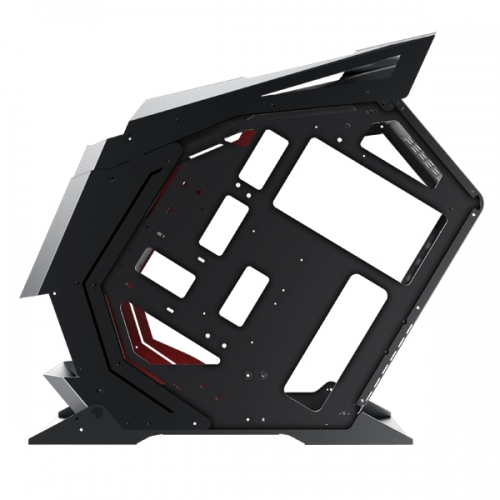
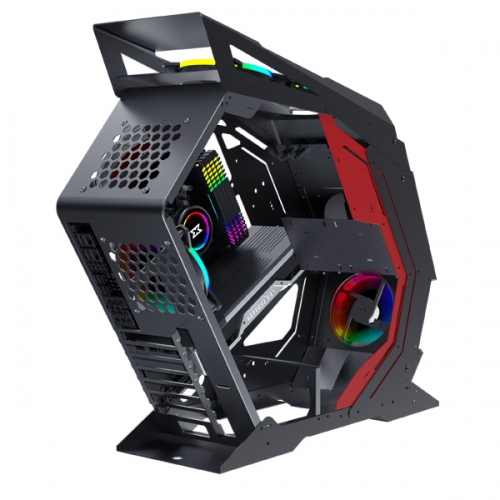
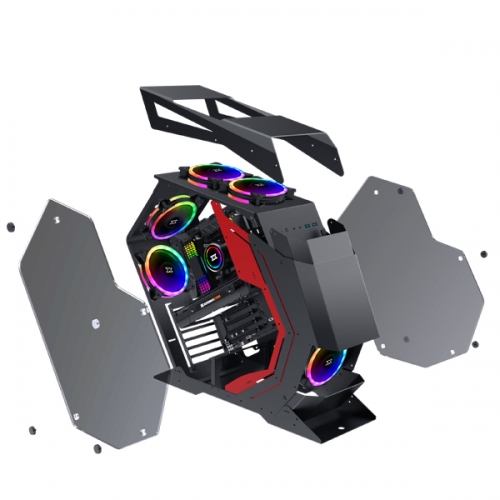
Measuring 610x230x540mm (LxWxH), the Perseus supports 1x 2.5-inch drive on the motherboard panel, and 2x 2.5-inch drives or 1x 3.5-inch drive on the case's central bay, located behind the front panel. Additionally, there are 7x PCI expansion slots and the I/O panel has 2x USB 3.0 Type-A ports, 1x Power button, 1x LED button and 1x HD Audio jack. Motherboard support includes ATX, M-ATX and Mini-ITX formats, while the GPU's maximum length is 400mm, a CPU cooler's maximum height is 170mm, and a PSU's maximum length is 180mm.
There are no details regarding price or availability of the Perseus, yet. If you want to learn more about the Xigmatek Perseus, visit the official product page.
Discuss on our Facebook page HERE.
KitGuru says: Have you ever built a PC in an open frame chassis? Would you like to built with the Xigmatek Perseus?