KitGuru KitGuru.net – Tech News | Hardware News | Hardware Reviews | IOS | Mobile | Gaming | Graphics Cards


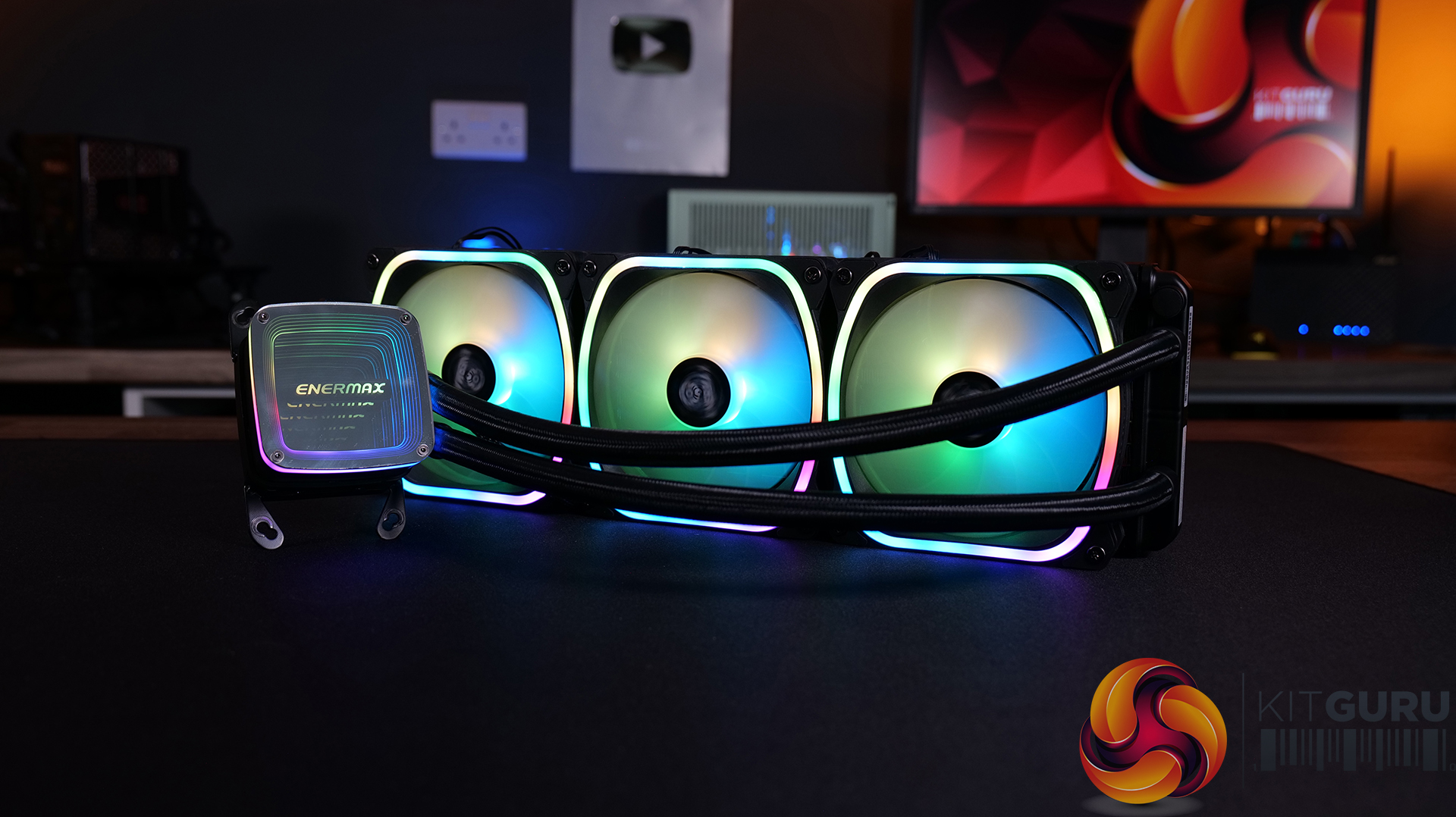
A name you will not have heard much on the channel recently is Enermax, but that's about to change today as we have two of their Aquafusion ADV series AIO coolers in for review. Both the 240mm and 360mm Aquafusion ADV coolers offer 120mm PWM fans, ARGB lighting effects and an infinity mirror CPU block design. They also come in with very competitive pricing which makes them direct competitors to the likes of DeepCool, Arctic and Endorfy. But how will the Enermax Aquafusion ADV compare in terms of performance? Let’s take a look.
Timestamps:
00:00 Start
00:52 Overview / availabilty / pricing
02:06 Features / support
02:52 In the box / fan details
06:03 Radiator / pump / cooler
09:25 Installation
13:40 Testing Methodology updates
14:13 Noise output
14:46 CPU Temp Manual OC, 100% fans
15:24 CPU Temp Manual OC (40dBa)
15:55 CPU Temp and Clocks – PBO
16:34 James Closing Thoughts
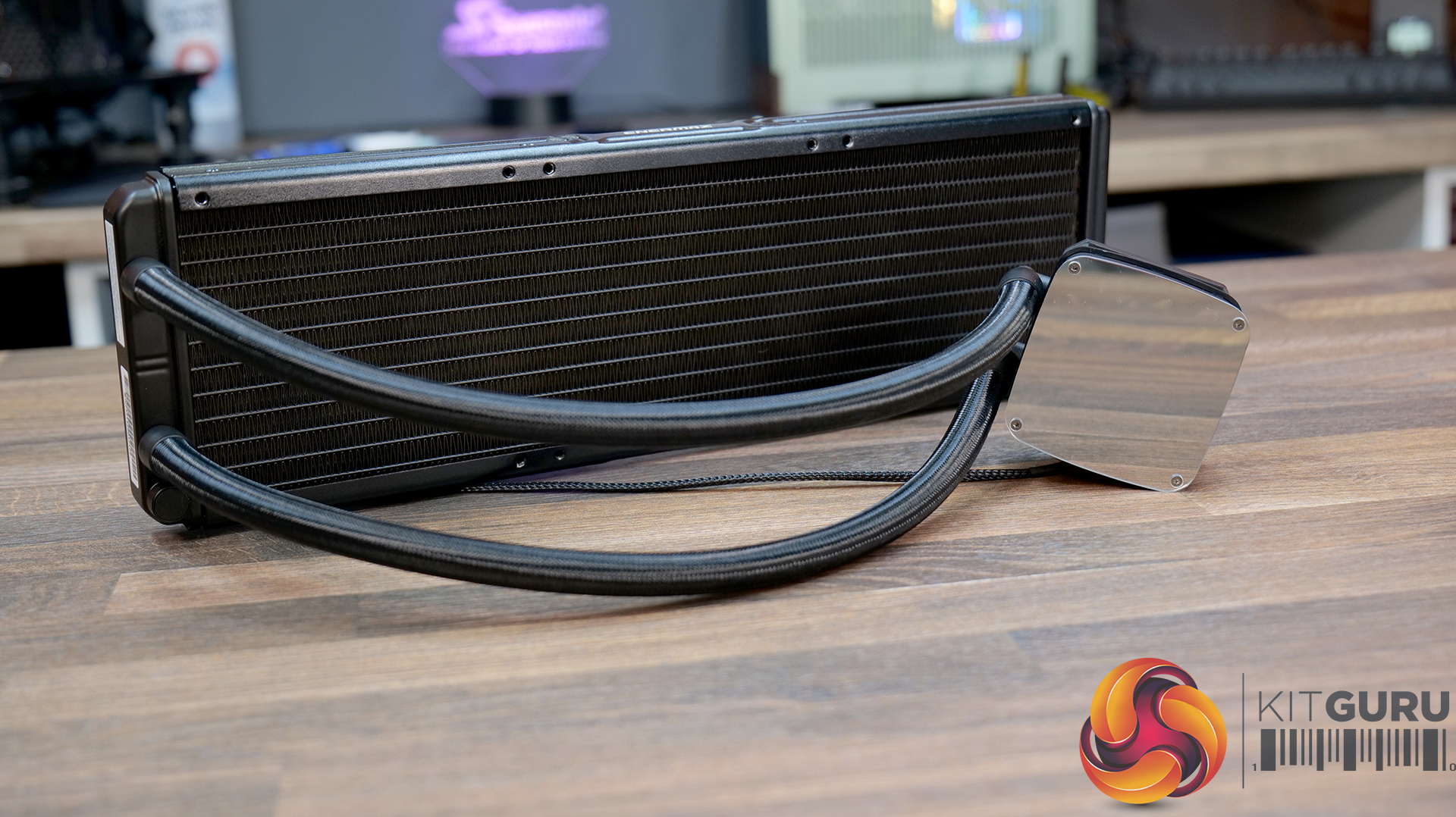
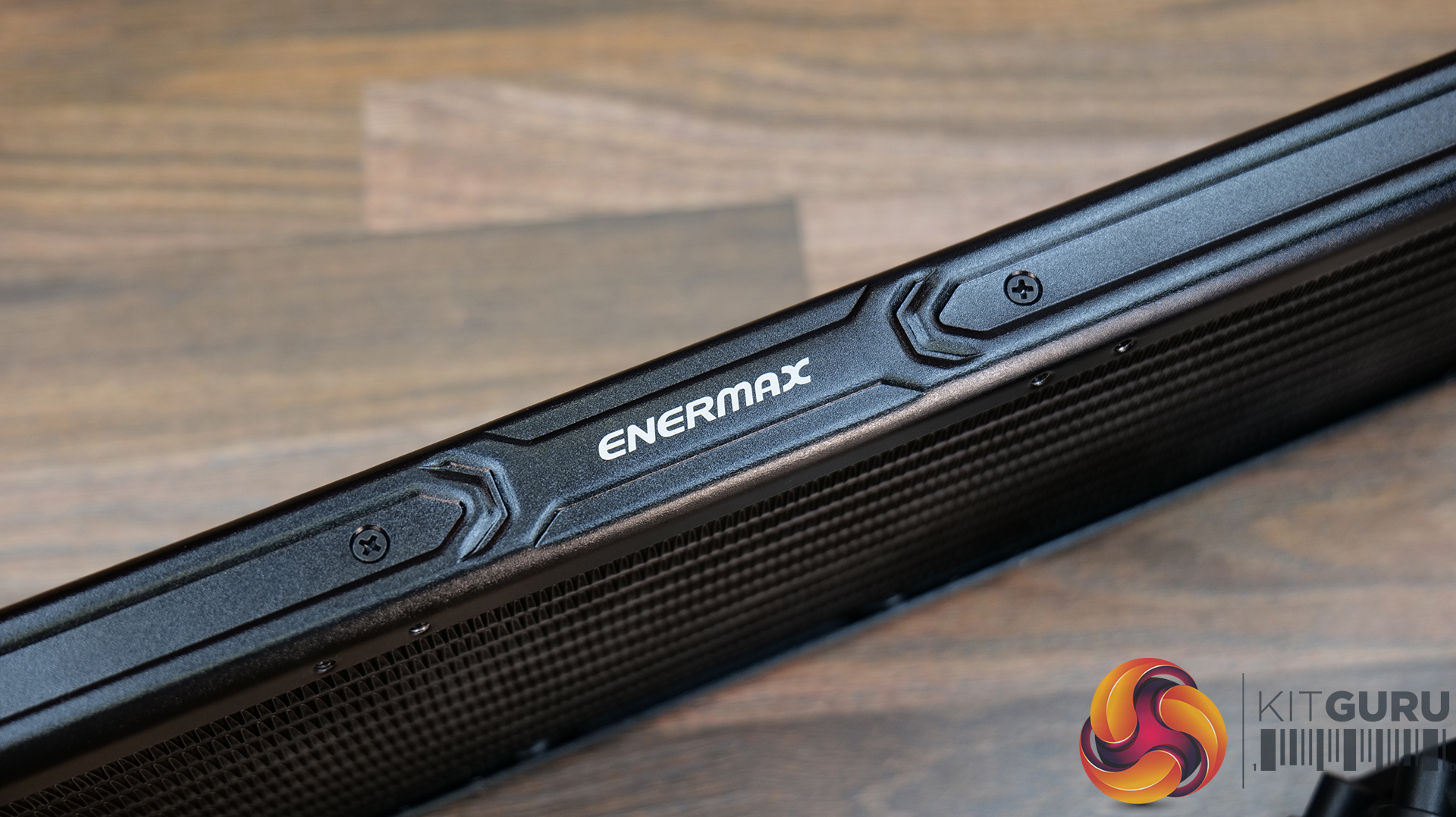
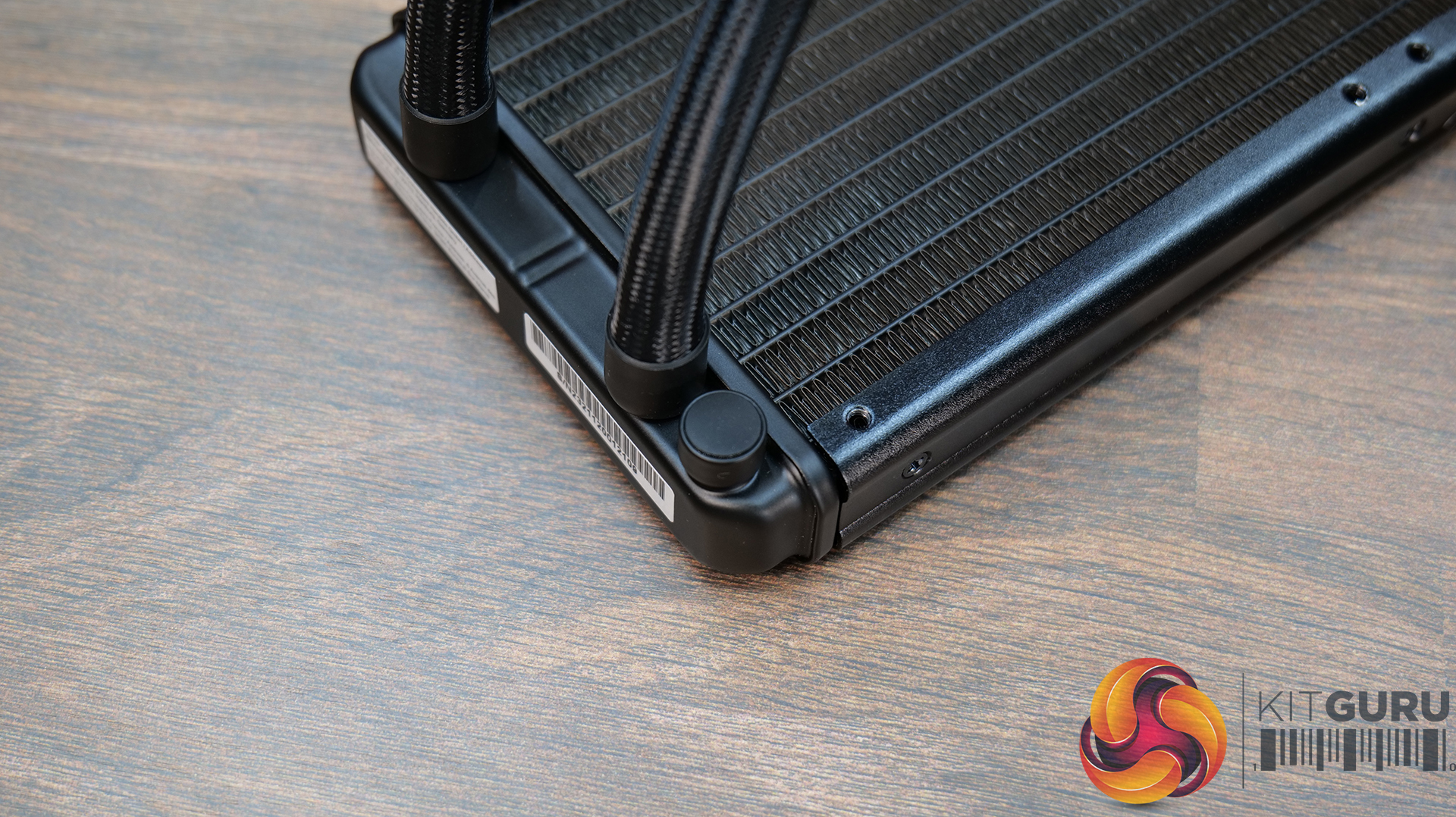
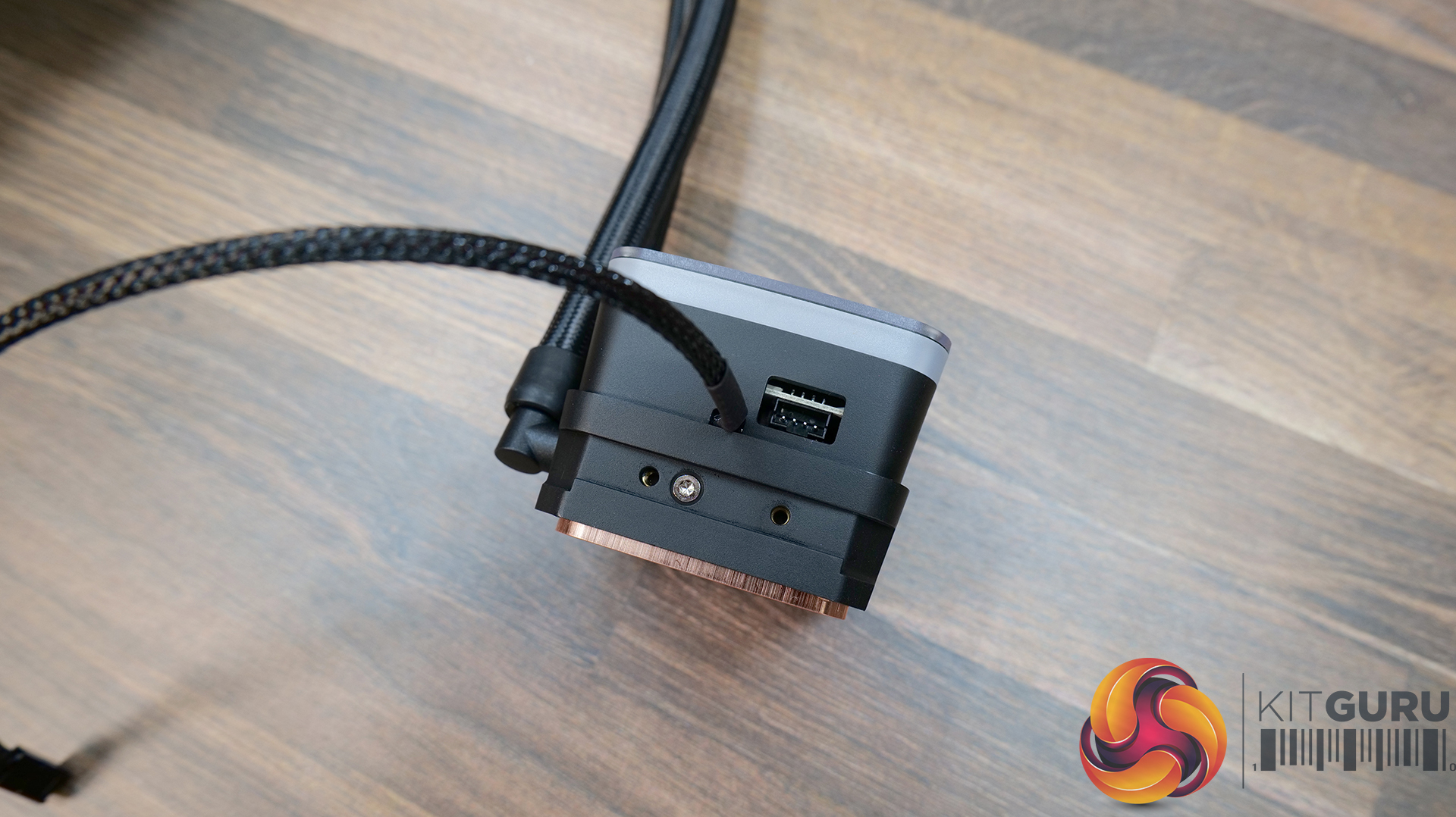
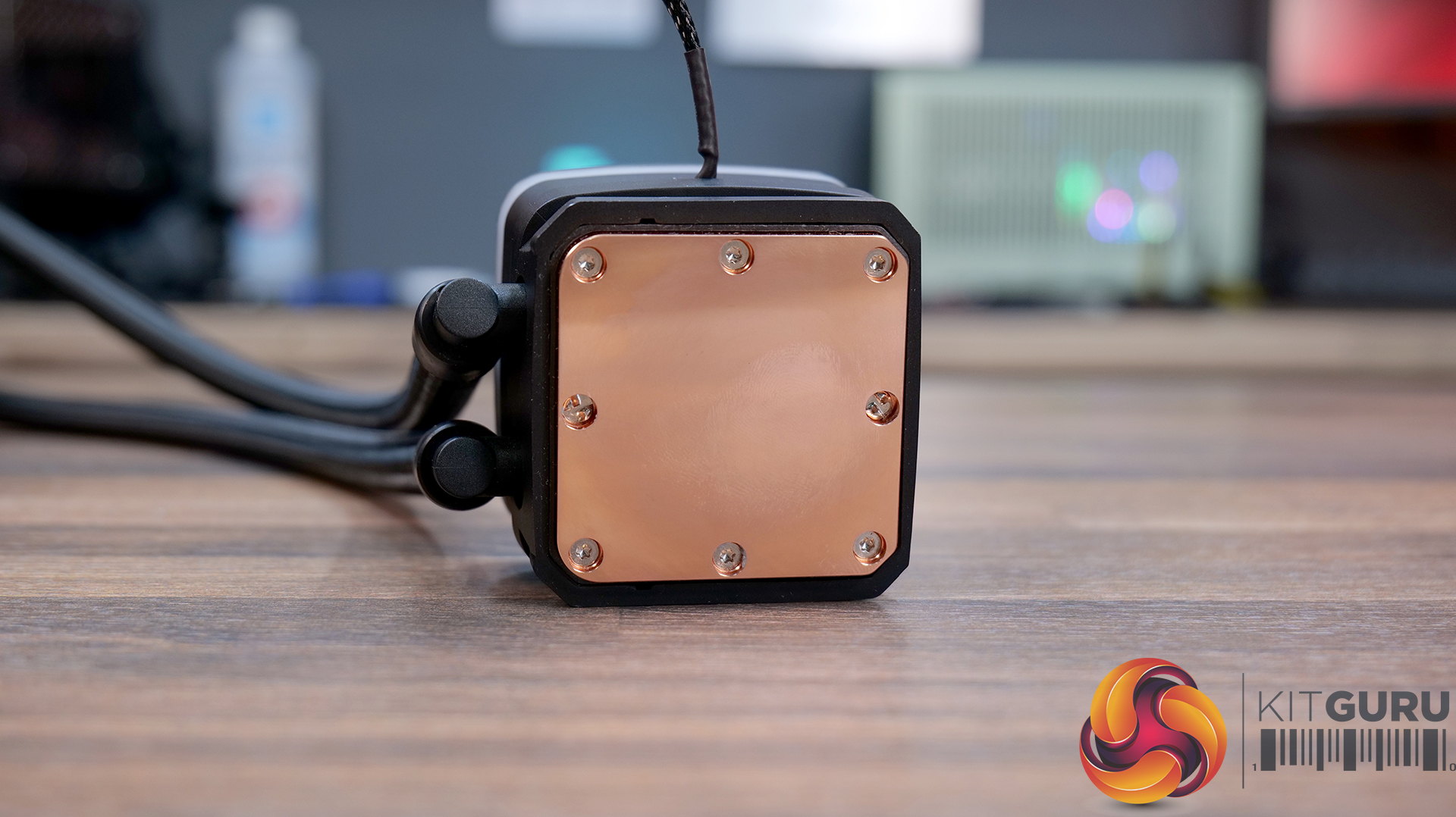
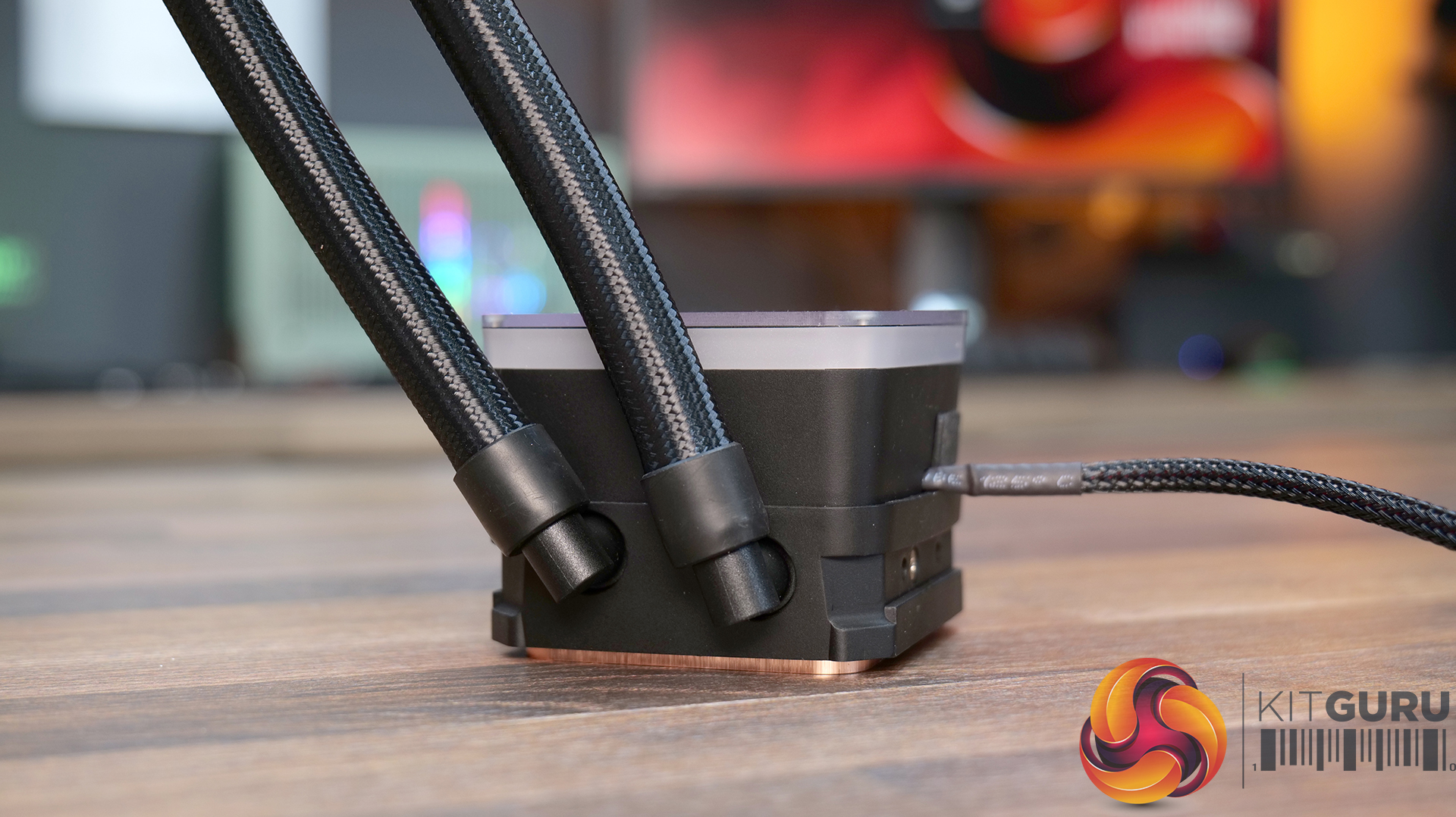
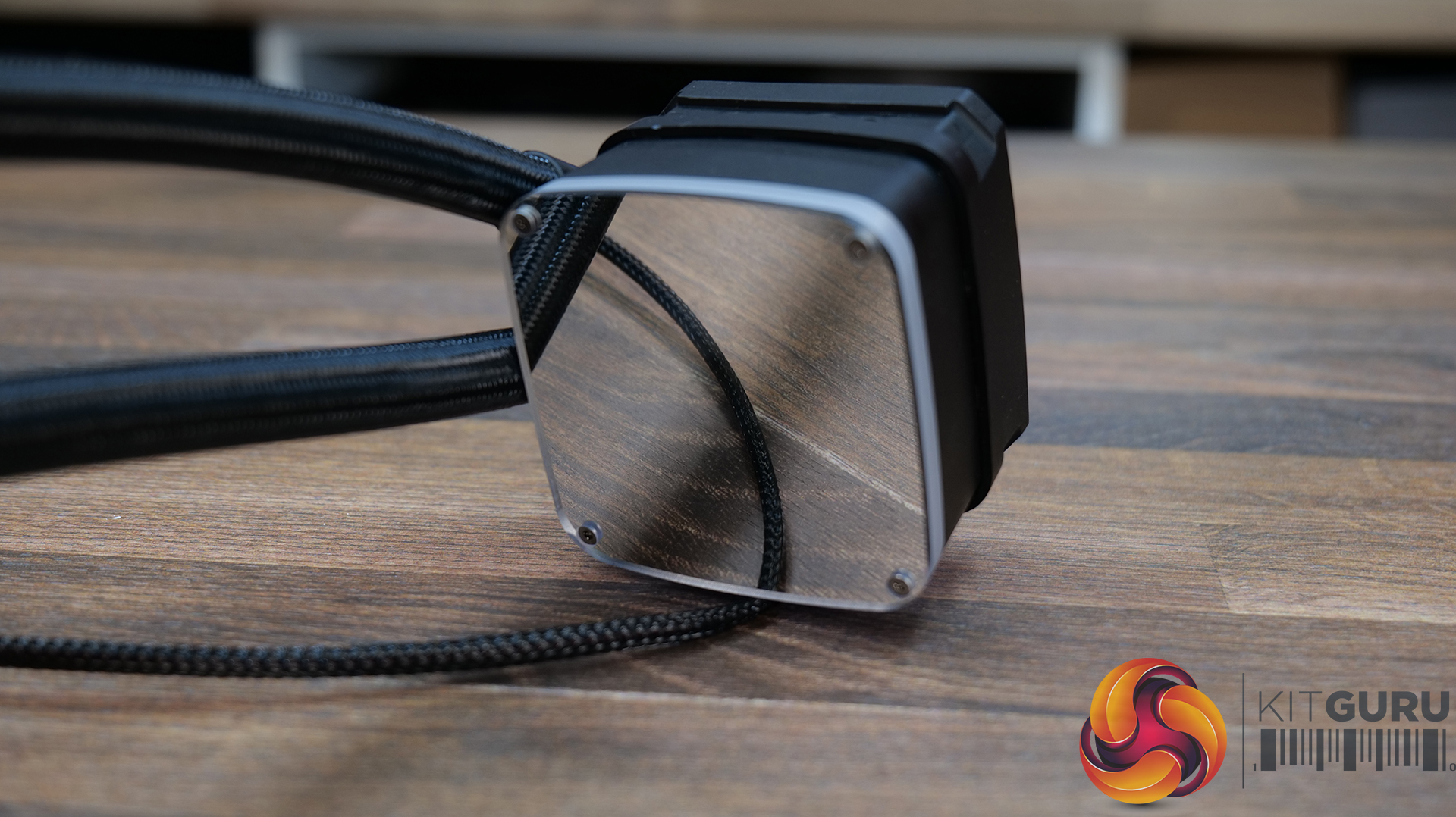
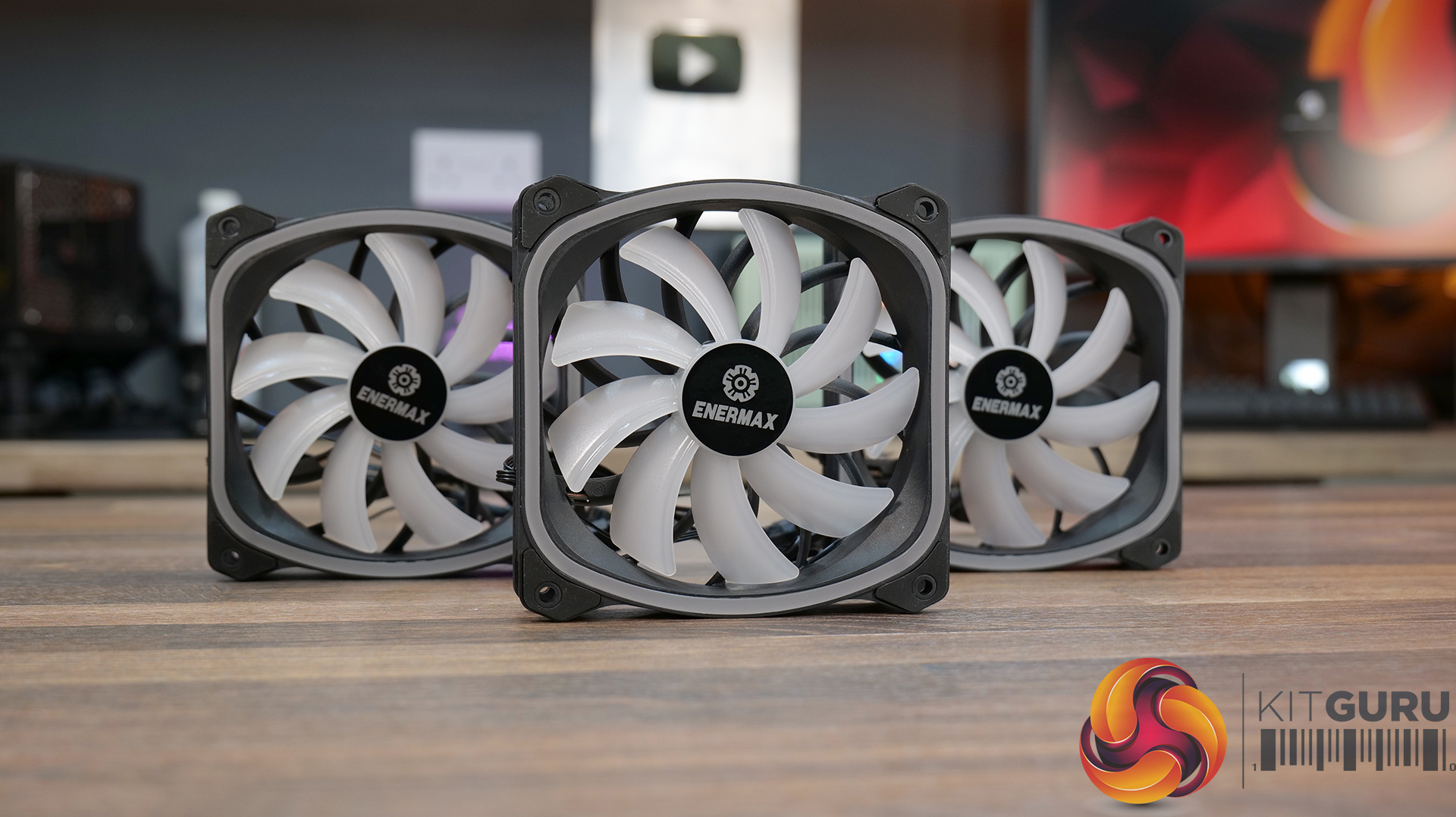
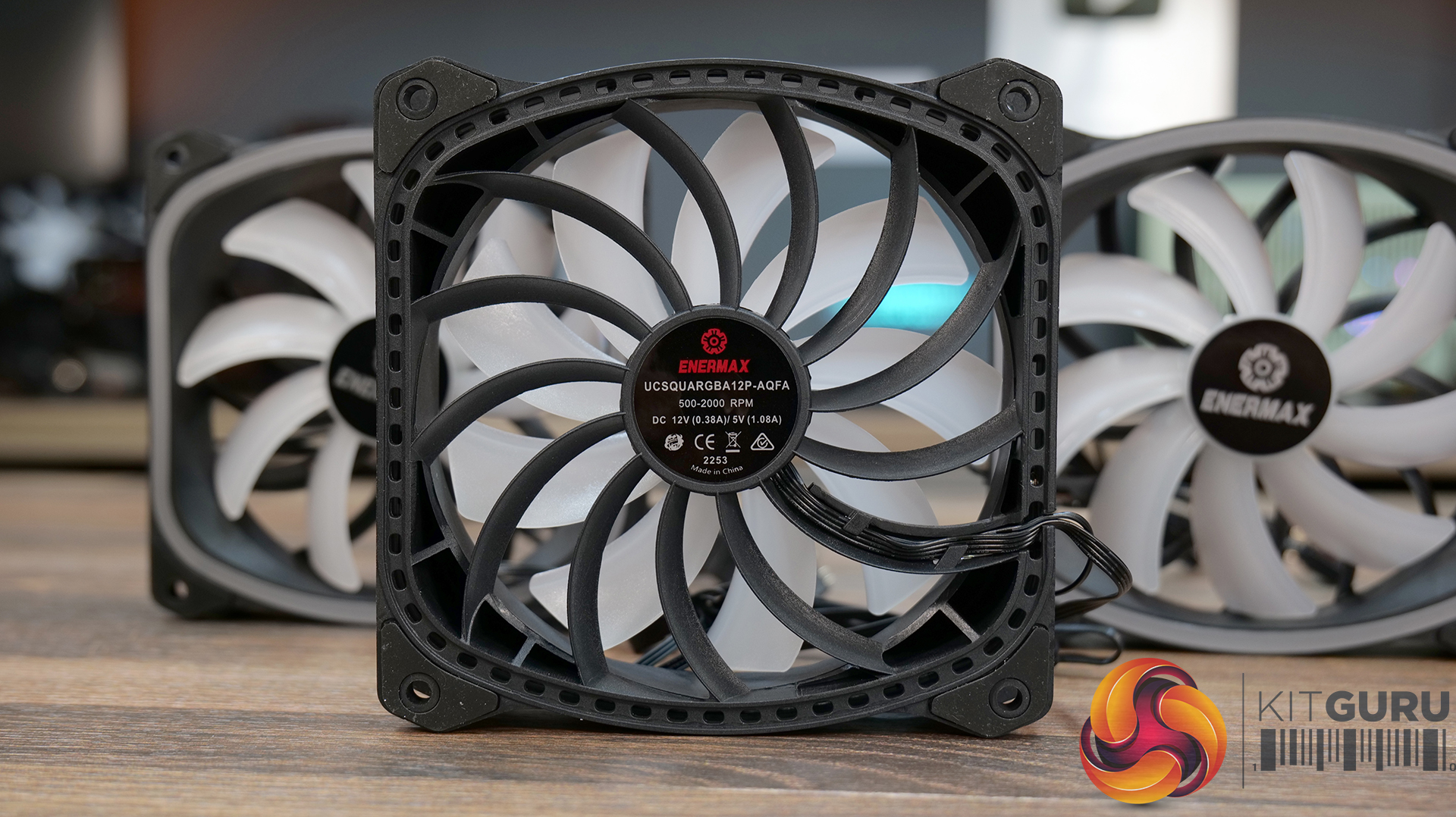
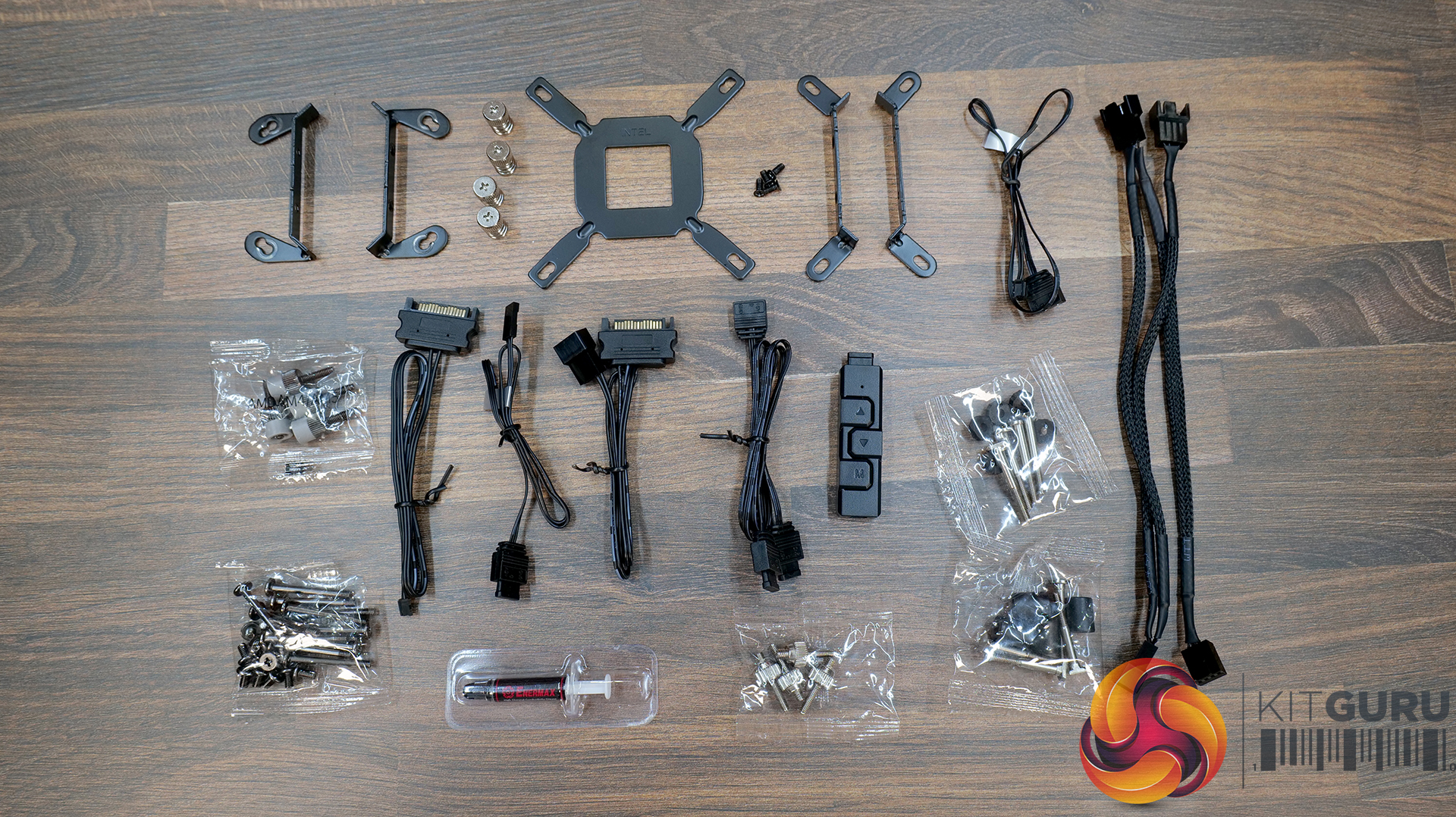
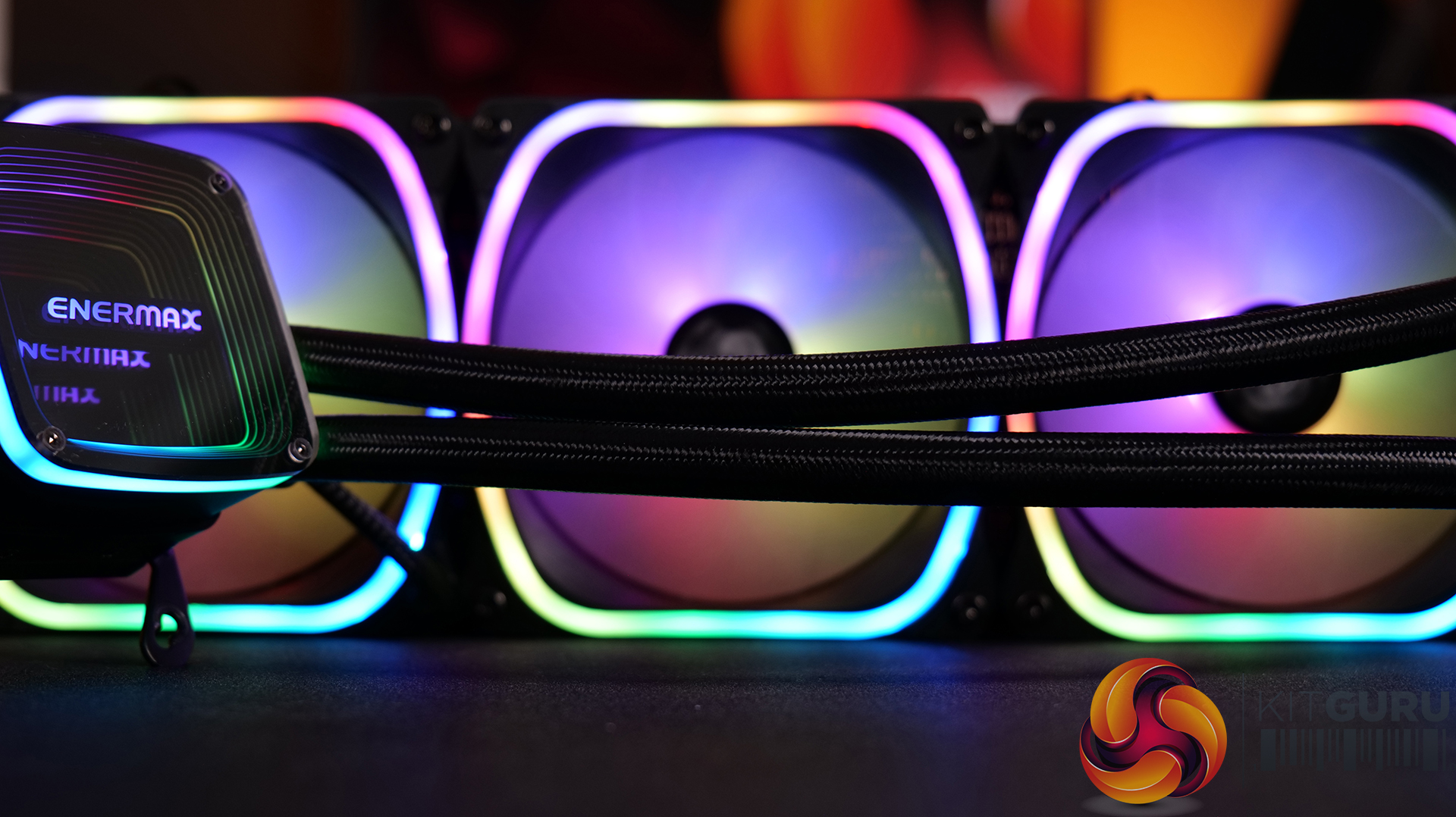
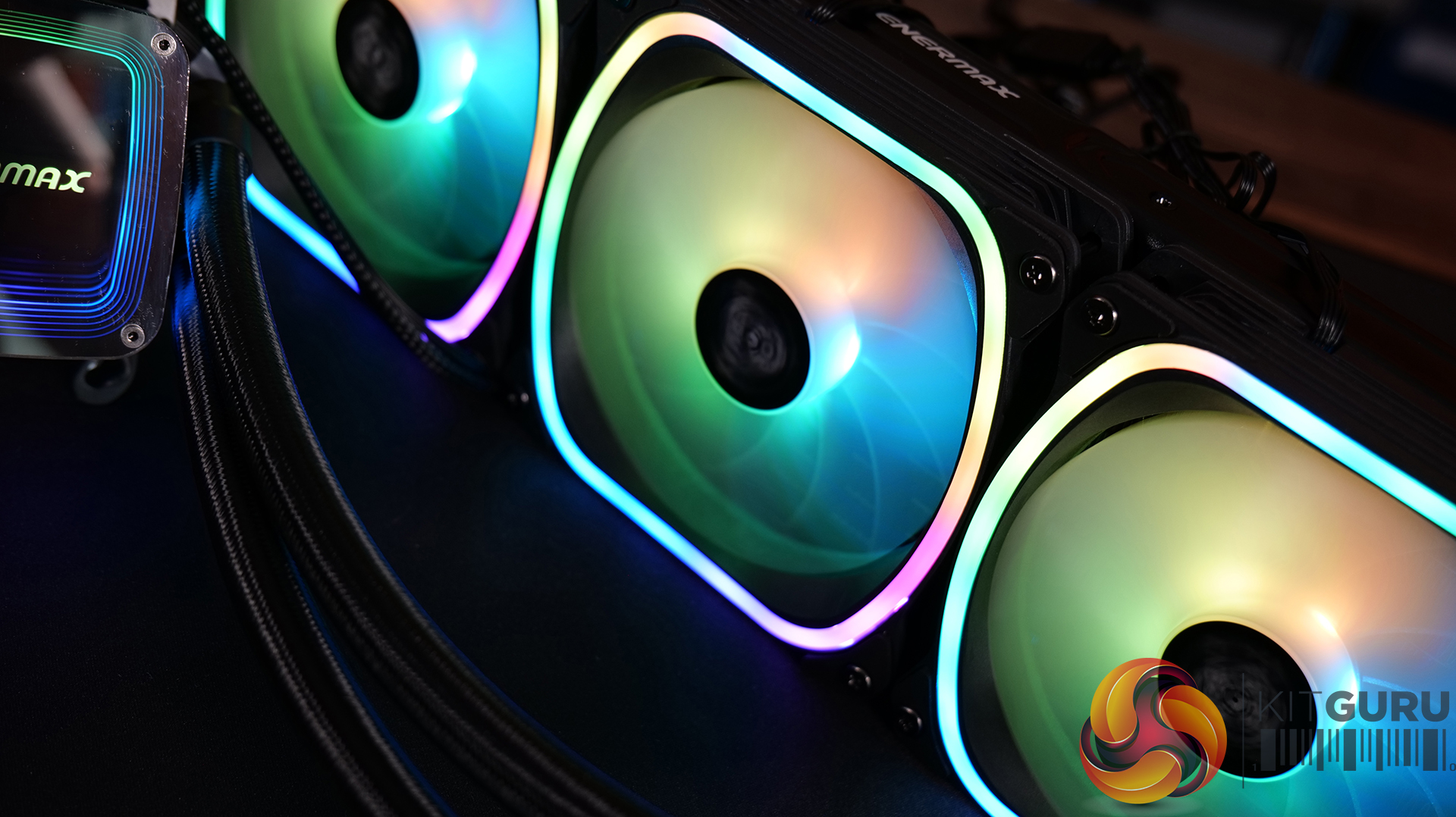
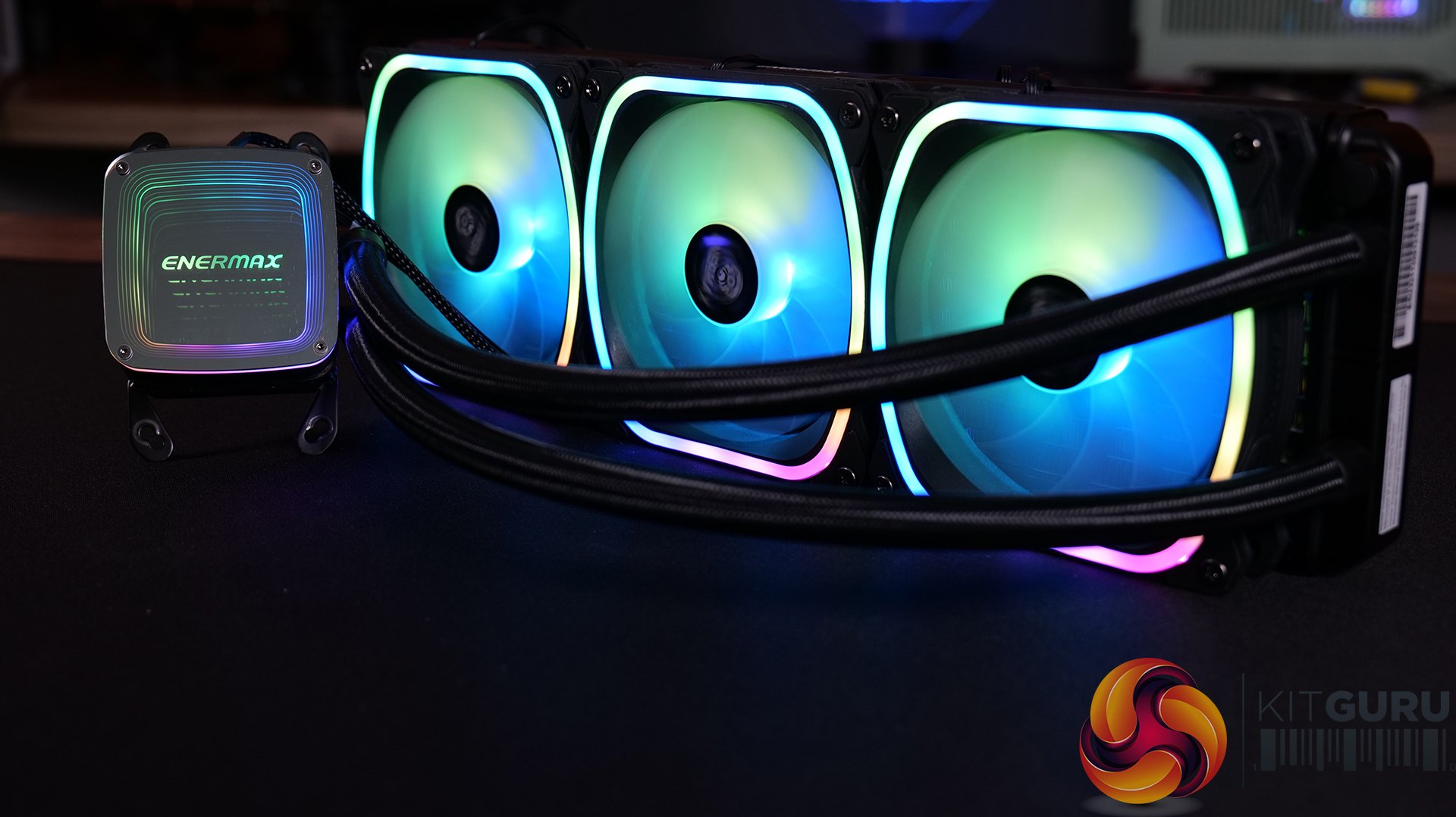
Enermax Aquafusion ADV series AIOs have been around for a while, the coolers launched around September 2022 but we thought they looked interesting enough to check out now as we have not seen any Enermax products for a while. Aquafusion AIOs are equipped with a dual chamber pump housing, ARGB lighting effects on both the pump block and fans, as well as a 3D infinity mirror style CPU block top design. The coolers are available in 120mm, 240mm and 360mm sizes to offer a solution for all CPU power ratings.
The most interesting thing about Aquafusion AIOs is the price. The range is available in the U.S. and across parts of Europe, the MSRP price of the coolers is very competitive with the 360mm coming in under $120, the 240mm at $99 and the 120mm version is just $79. However, if you shop around you will find them for sale even cheaper. For example, the 360mm version can be picked up on Amazon.de for €101.15 currently which sounds like an absolute bargain and put these coolers in direct competition with the likes of DeepCool, Arctic and Endorfy in our performance tests.
Enermax Aquafusion ADV Series features:
- A patented dual chamber water block design that isolates the pump from heat to prolong its lifespan.
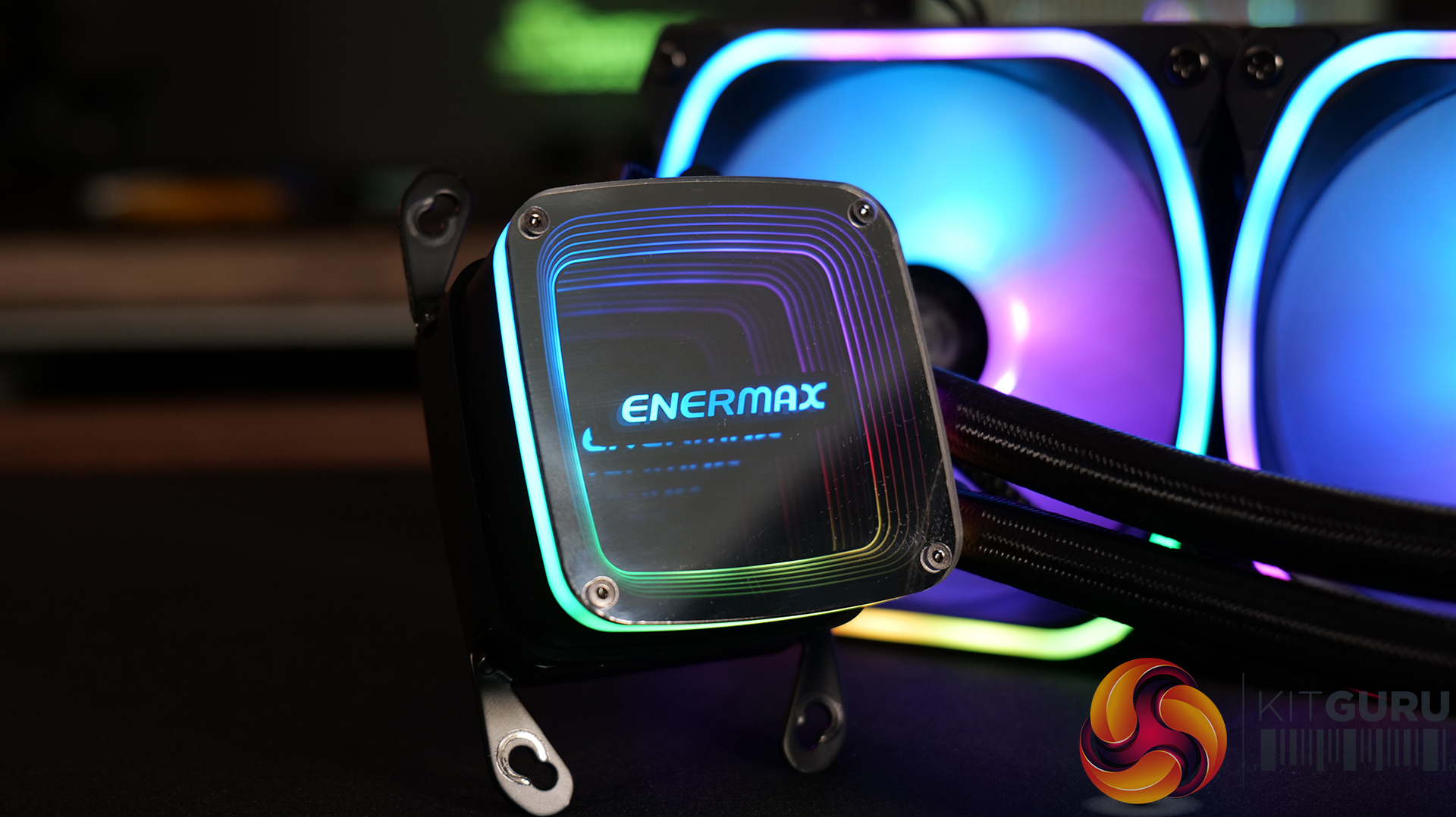
- Acrylic pump top cover with Enermax Luminous Aurabelt 3D layer design infinity mirror for unique RGB effects.
- The included 120mm SquA RGB fans feature PWM speed control, ARGB lighting and a vortex frame design to generate stronger air pressure.
Enermax Aquafusion ADV 360 Specifications:
- Compatible Sockets: Intel LGA 1700/1200/115x/2066/2011/2011-3/1366 AMD AM5/AM4/AM3+/FM2+/FM1
- Cold plate Material: Copper
- Radiator Material: Aluminium
- Radiator Dimension: 394 x 120 x 27 mm
- Pump Bearing: Ceramic Bearing
- Pump MTBF: 50,000 Hours
- Tubing length: 400mm
- Fan Connector: 4-pin PWM + 3 Pin ARGB connection
- Fan Speed: 500-2000 (±10 %) rpm
- Fan Airflow: 39~79.8 CFM
- Fan static Pressure:67~3.6 mm-H2O
- Fan Max Noise: 15~32.6 dBA
- Fan MTTF: ≧ 100,000 hrs
- Fan Dimensions: 120 x 120 x 26 mm
- Warranty: 5 years
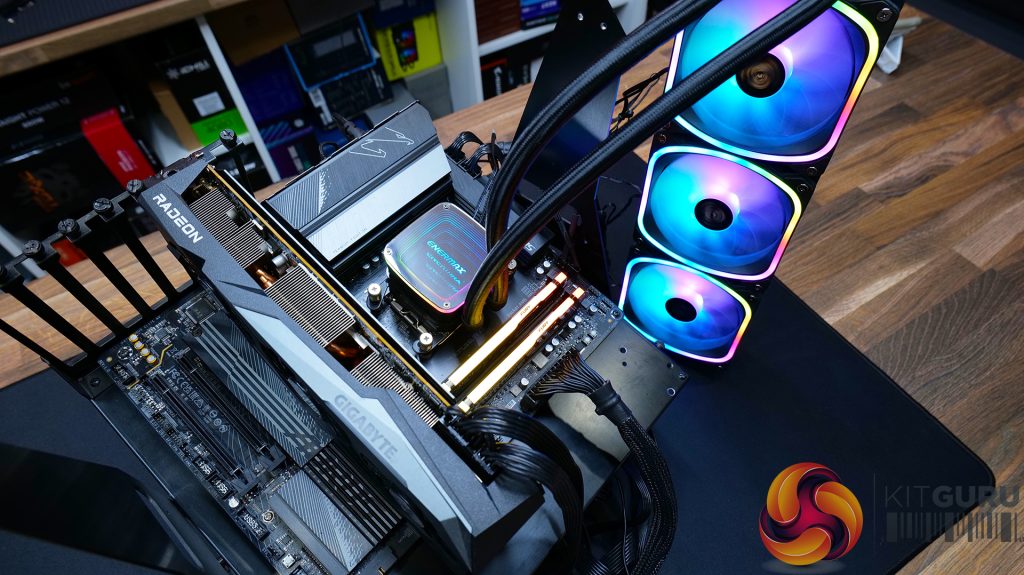
Test System Specifications:
- CPU: AMD Ryzen 9 7950X
- Motherboard: Gigabyte X670 Aorus Elite AX
- Memory: 32GB Kingston Fury FK560C36BBEAK2-32 DDR5-6000
- Graphics card: Gigabyte RX 6700 XT Gaming OC
- Storage: 500GB Corsair MP600 PCIe Gen4 NVME M.2 SSD
- Power Supply: Seasonic Prime TX-1000
- Chassis: Open Test Bench
- Thermal Compound: Arctic MX-6
- O/S: Windows 11 Version 22H2
Testing Methodology:
We are primarily focussing on the performance of each cooler at 100% fan speed and also when locked to 40dBA noise output. We will focus on cooling performance using a manual overclock with all-core frequency and VCORE locked to 5.2GHz/1.3v and Precision Boost Overdrive performance.
- The test data is logged using HWINFO and the final 10 minutes of the data is calculated to find the average CPU temperature and CPU clock multiplier (PBO Test) and then plotted in the charts.
- For testing, we use a 30-minute looped run of Cinebench R23 and record the steady-state CPU temperature at the end of the test. This ensures that the CPU has had ample time to warm up and reach a steady state under all of the coolers.
- The ambient is maintained at 19-21 degrees Celsius. Where there is variation beyond this temperature range, we add extra repeated tests to ensure consistency. However, this is well controlled now with A/C.
- We also test each cooler with at least two fresh installs (typically three) to mitigate the likelihood of poor mounting spoiling results.
- Ambient temperature and humidity are controlled via a mini split air conditioning system inside the test room. Ambient temperature is maintained between 19-21C, Temperature delta figures are shown in the charts (ambient temperature is deducted from the measured component temperature).
Test Results:
Acoustics
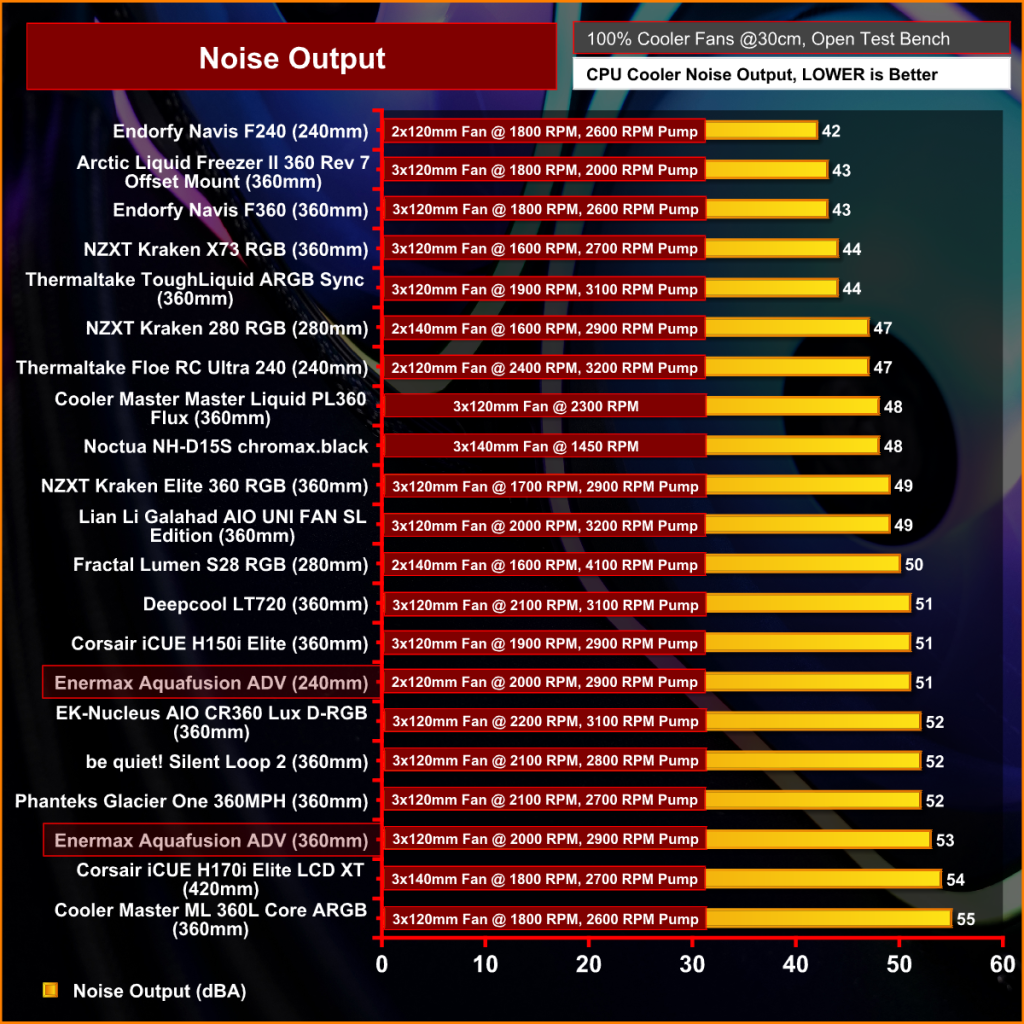
Let's start by looking at noise output as this will provide a good indication of performance based on noise.
With fans running maximum RPM the Aquafusion ADV coolers are loud. At 100% duty cycle the Gigabyte BIOS reported a maximum fan speed of 2000RPM. At 53dBA the 360mm Aquafusion ADV is producing noise output that is very distracting. With one less fan, the 240mm has a marginally lower noise output but at 51dBA it is still very loud for a 240mm unit.
Thermal Performance

With the fans operating at maximum RPM the 360mm Aquafusion ADV produces mid-range performance. Other coolers in a similar price range such as the DeepCool LT720 and Endorfy Navis F360 and the Arctic Liquid Freezer 2 all outperform the Aquafusion, but it still performs on par with some other more expensive 360mm AIOs.
At max fan speed, the 240mm Aquafusion is towards the bottom end of the chart which is to be expected on this high-performance CPU and it seems to be performing on par with other 240mm coolers.
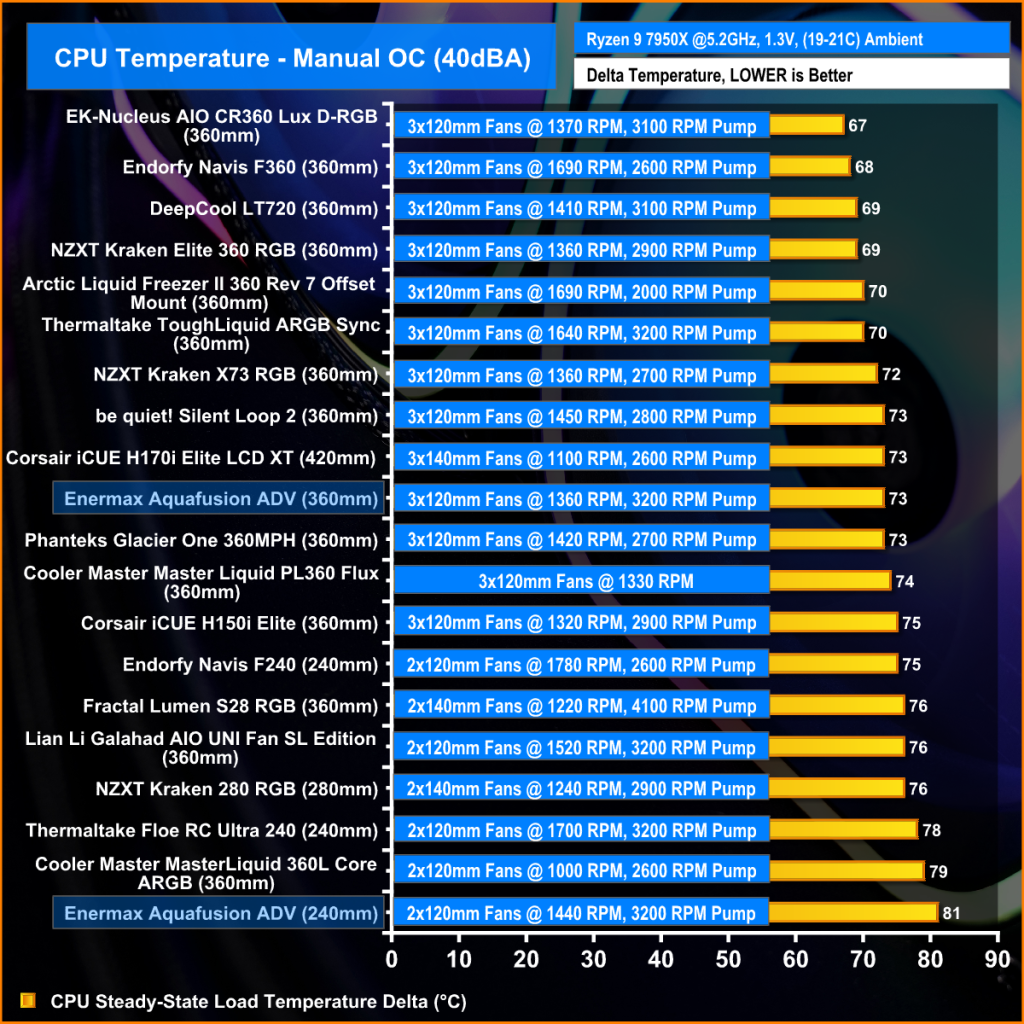
Tuning fan speed down to 40dBA noise output reduces the thermal performance of the 360mm Aquafusion only slightly, so it retains its middle-of-the-road performance but the 240mm unit is affected significantly by the reduction in fan RPM and thermal performance on the 7950X drops off the cliff with an average delta of 81°C means the actual CPU temperature hit upwards of 105°C which is at the point where the system would shut down to prevent damage to the CPU.
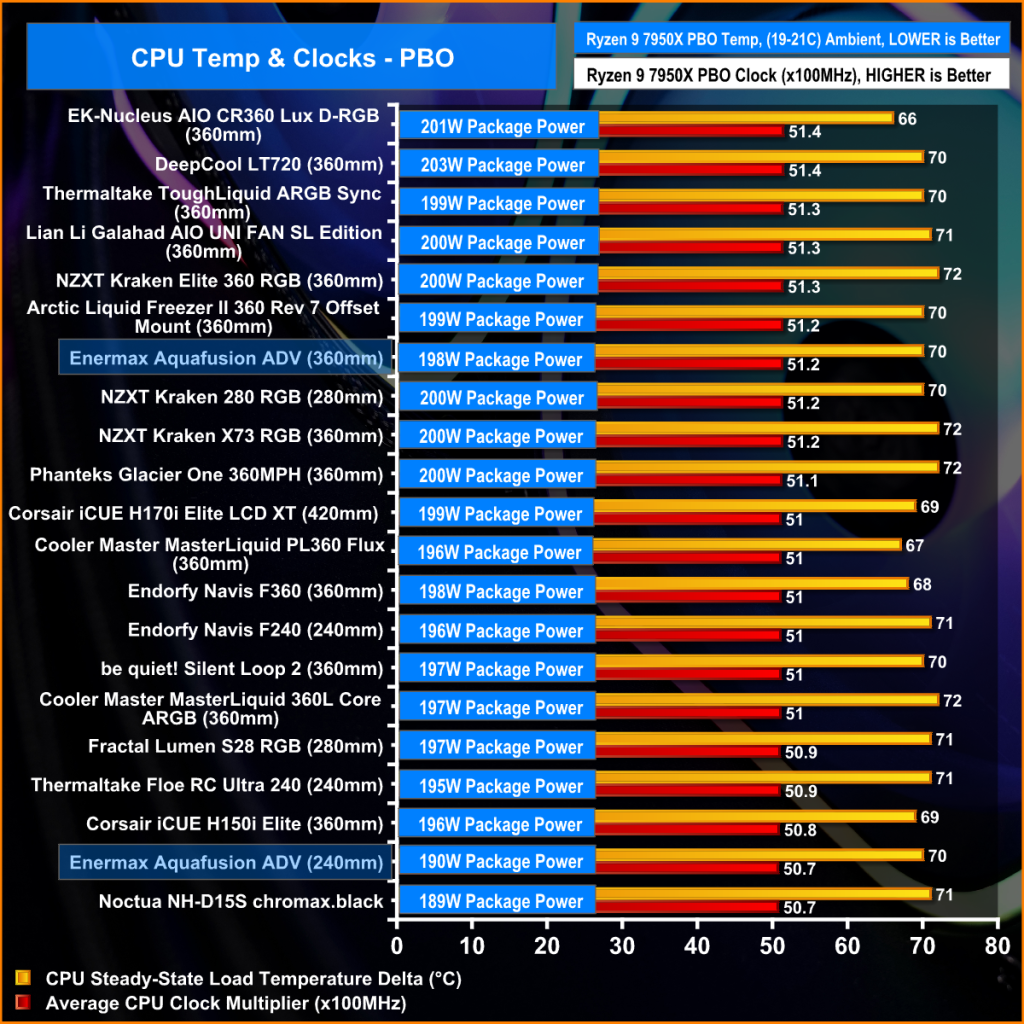
CPU temperature isn’t the main point of interest in the PBO test as the delta will be within a few degrees between all coolers.
The important metric is the CPU clock multiplier. The Aquafusion 360 holds on to a 51.2x average clock multiplier while cooling just under 200W of package power which is solid performance. With fans at maximum RPM in the PBO test the Aquafusion 240 performance is again trading blows with other coolers with an average clock multiplier of 50.7x, however some similar-priced coolers are still outperforming the Aquafusion 240 by a few hundred MHz clock speed which means CPU performance is lost.
In terms of value for money, the Eneramax Aquafusion ADV series is a decent proposition, even at MSRP the series represents good value, but if you look hard enough you will find the coolers going for significantly less than the MSRP price, which turns them into a bit of a bargain. Thermal performance may not be hitting the heights of some similarly priced coolers but the 360mm unit at least isn’t far off at all. If you use the cooler on a lesser-powered CPU the performance difference will be marginal.
Aquafusion ADV offers some useful features such as ARGB lighting and daisy-chainable fans. The included ARGB controller is basic but functional and it does not rely on any complicated software to control lighting effects which is something I like. All cables use standard connections so there's no worry about compatibility with motherboard headers and other ARGB hardware as there would be with a proprietary connection which again is a good feature.
Granted the coolers don’t offer anything groundbreaking or unique, there's no LCD screen or any other bells and whistles but that’s not something to expect at this price point. They are basic but that works in their favour as it makes them quick and easy to install, you don’t have to spend hours faffing around with configuration just install the hardware, plug the cables in and away you go.
The installation process is straightforward, installing the cooler should only take experienced enthusiasts 15 minutes or so and for novice users the installation manual/user guide covers installation on all platforms very clearly. If you want to control the cooler's ARGB lighting via motherboard headers then it’s a very basic install. Using the included RGB controller requires a little more wiring but nothing difficult.
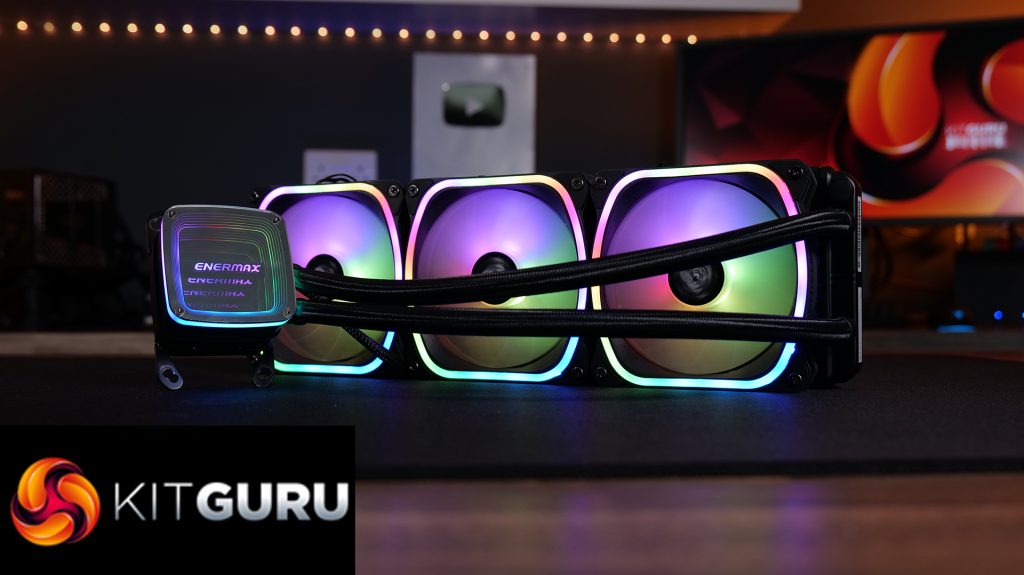
In terms of performance, the 360mm unit did OK on our AMD Ryzen 9 7950X test system, there are other coolers in the same price range that perform better such as the DeepCool LT720, Arctic Liquid Freezer 2 and the Endorfy Navis so if outright performance is what you need then it might be worth looking at one of those alternatives but for RGB Lighting and aesthetics, the Aquafusion ADV excels in those areas.
The Enermax SquA RGB fans that come with the coolers are very loud at high RPMs which meant that during our 40dBA thermal testing, the 240mm unit suffered compared with some other similar coolers. At max fan speed, the thermal performance of the 240mm unit kept up with the rest but the noise output is significant, the same can be said for the Aquafusion ADV 360. Both coolers are quite distracting at high fan RPM, noise output is over 50dBA so if low noise is a priority these coolers will not be for you.
However, if you are in the market for a cheap 360mm AIO, you are not too concerned about premium features or high noise levels and can find them at reduced prices, then the Aquafusion ADV series might be a good option for you. Just be aware the 240mm unit seems excessively loud for the performance that it provides.
Enermax Aquafusion ADV Series is available to purchase from Amazon.de priced at €101.15 for the 360mm version HERE and the 240mm unit is available for €84.54 HERE.
Discuss on our Facebook page HERE.
Pros:
- Competitive Price.
- RGB lighting on the fans and CPU Block.
- Easy installation process.
Cons:
- Average thermal performance from the 240mm unit.
- Loud with fans at max speed.
- OEM supplier is unknown.
KitGuru says: Enermax Aquafusion offers reasonable thermal performance at bargain basement prices but there are some coolers that can offer better performance at a similar price and at lower noise levels.