KitGuru KitGuru.net – Tech News | Hardware News | Hardware Reviews | IOS | Mobile | Gaming | Graphics Cards


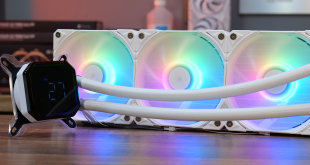
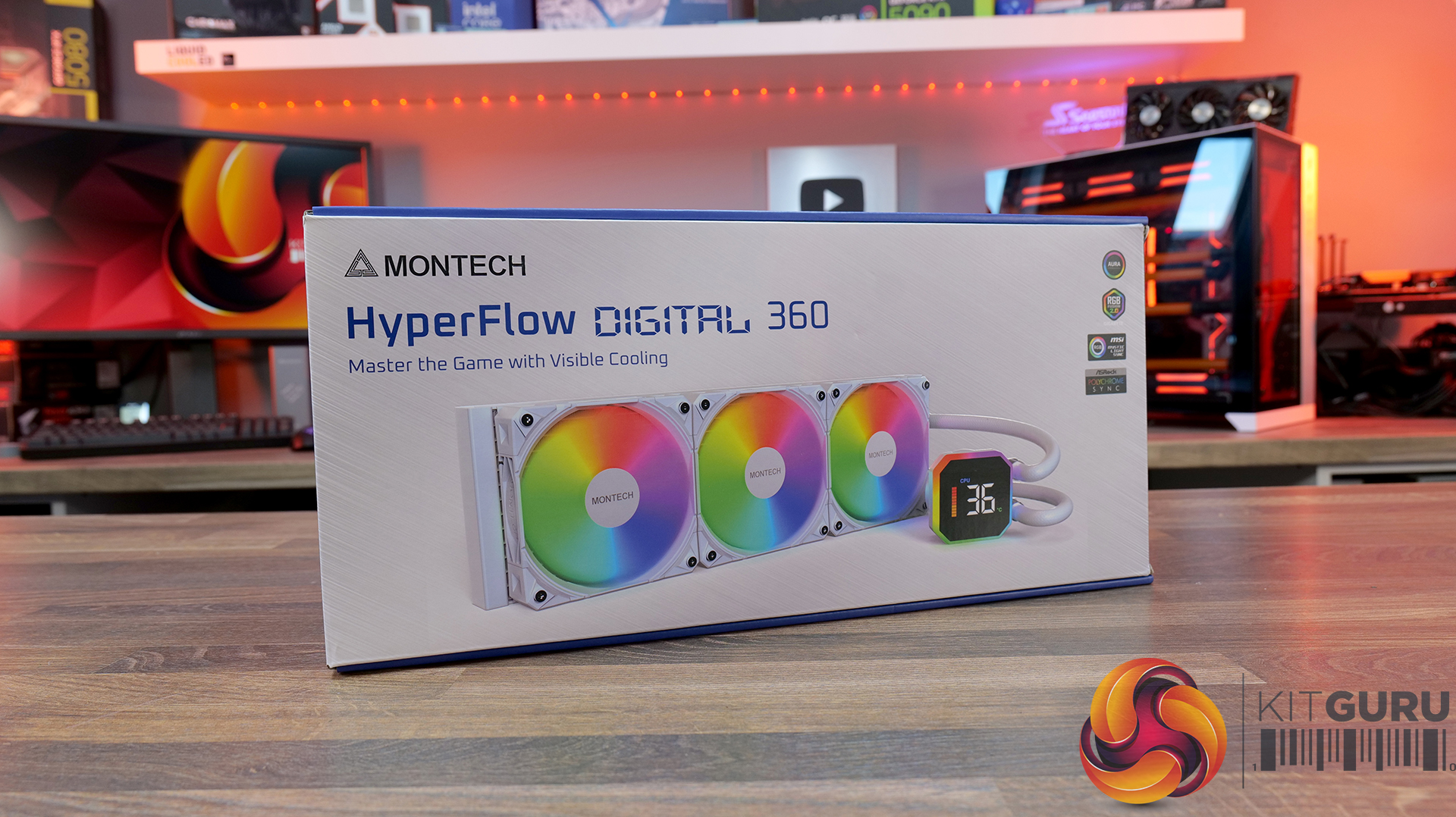
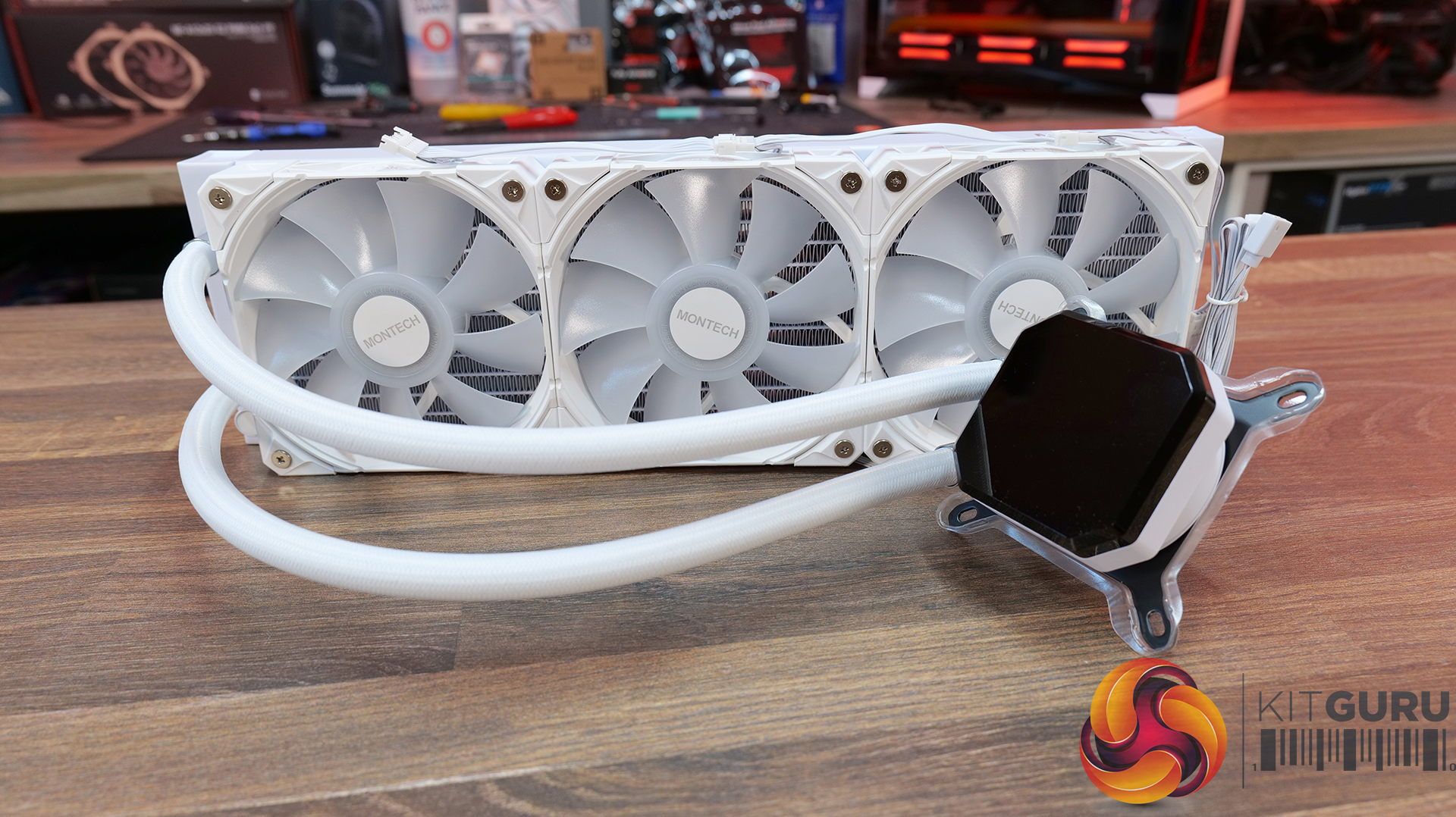
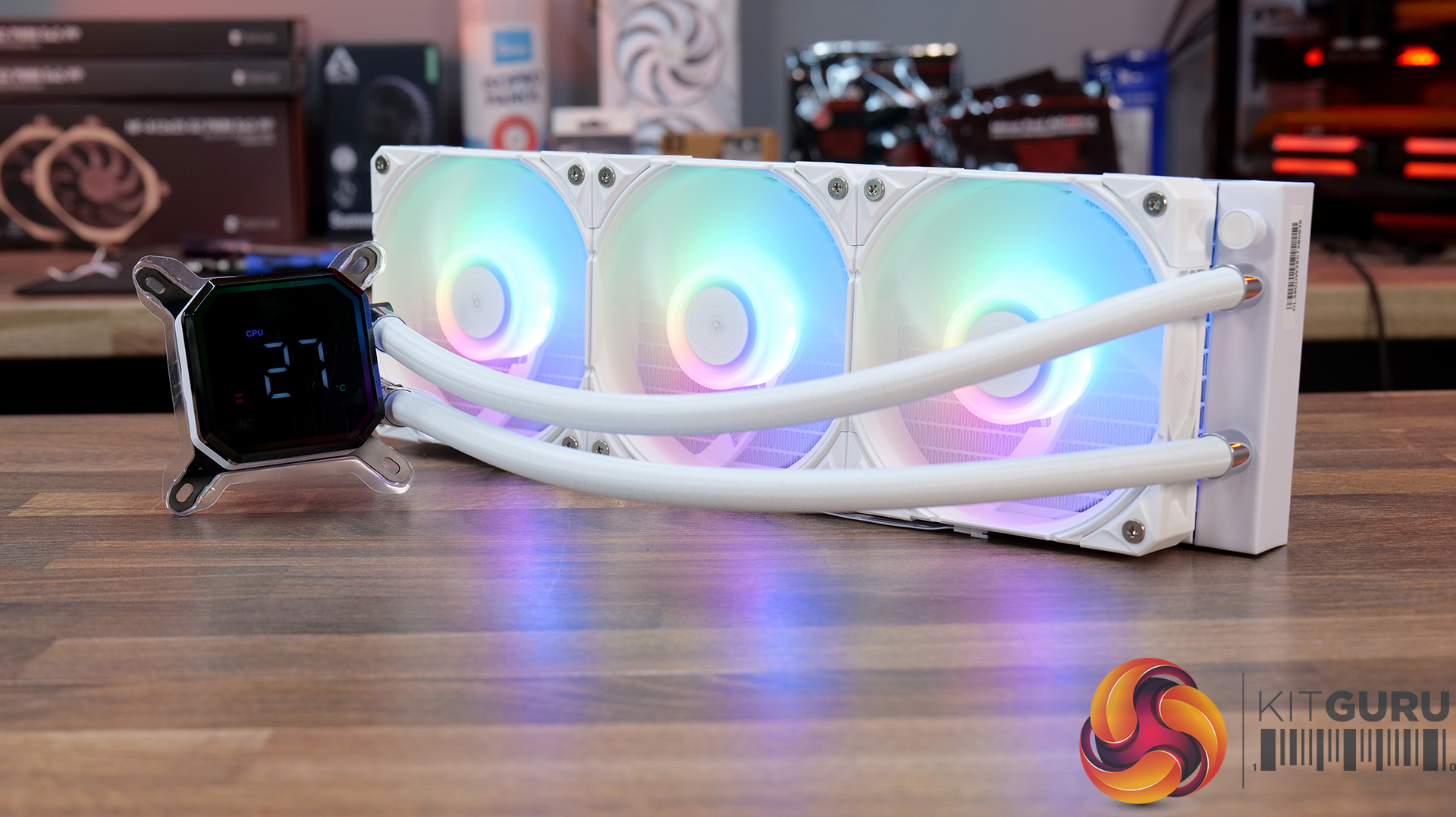
This is the Montech HyperFlow Digital – a 360mm AIO cooler with a digital display, RGB lighting, and black or white colour options. In this review, we’ll take a look at the design, ease of installation and test how it performs in terms of thermals and noise. So if you're considering this £90 cooler for your next build, here’s all you need to know before making a decision…
Timestamps:
00:00 Start
00:37 Sizes and Prices
01:09 Some Features / Overview
03:13 CPU block
03:48 Radiator / Pump / Tubing
04:15 Digital Display
04:53 Fans
06:15 Accessories
07:16 Test System and Installation Process
10:05 Thermal Performance and Noise output
11:57 Is it worth buying?
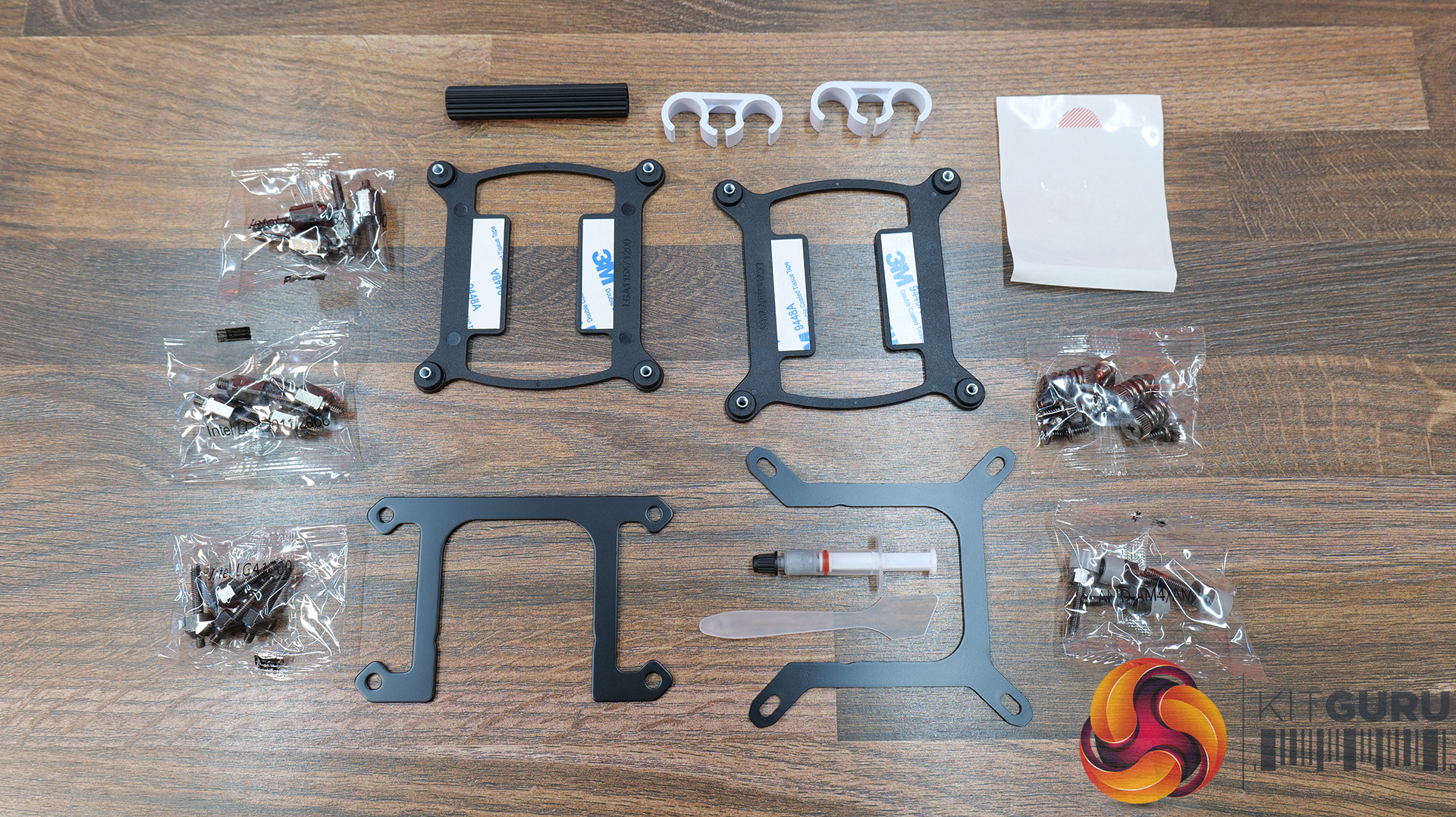
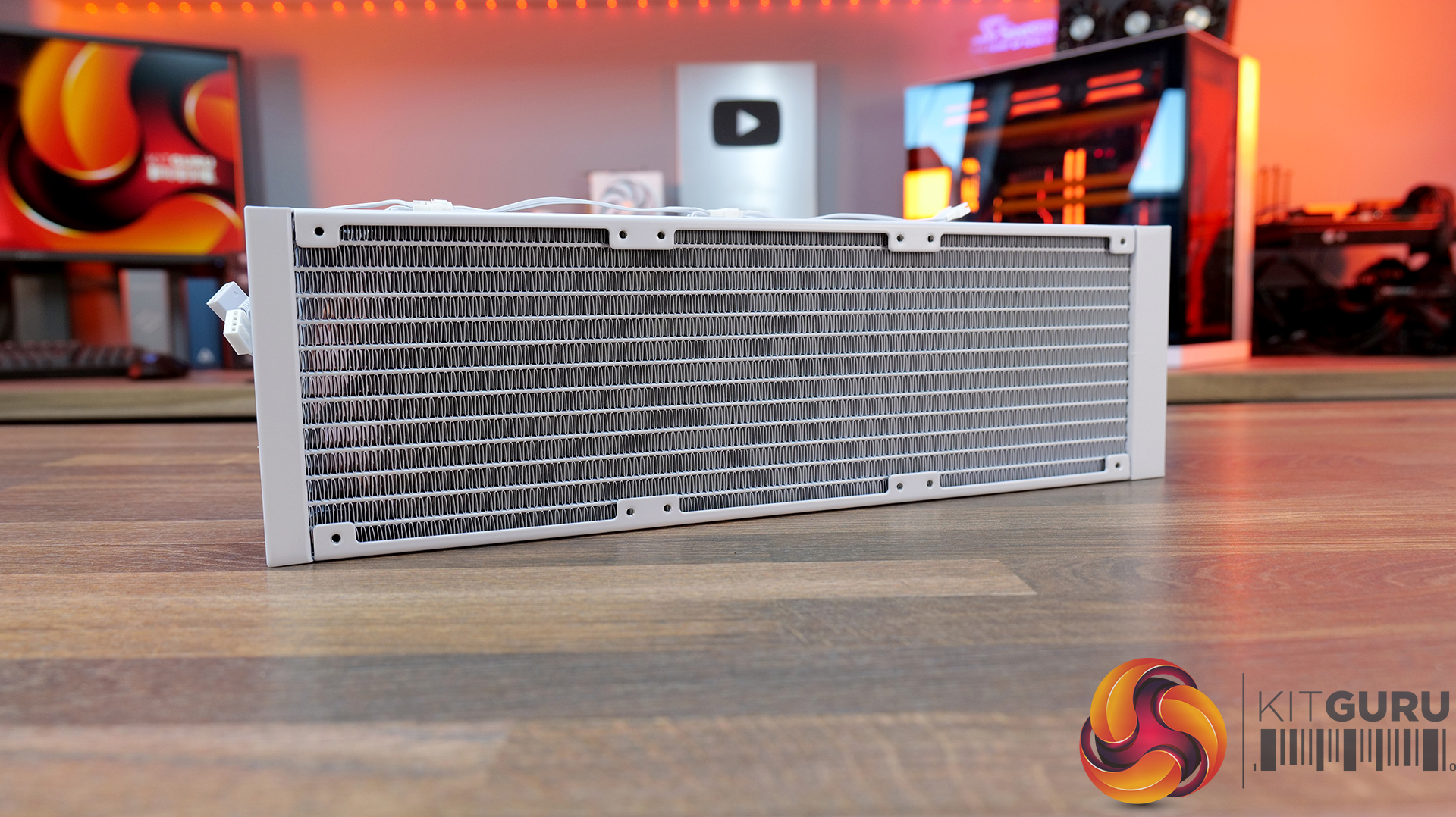
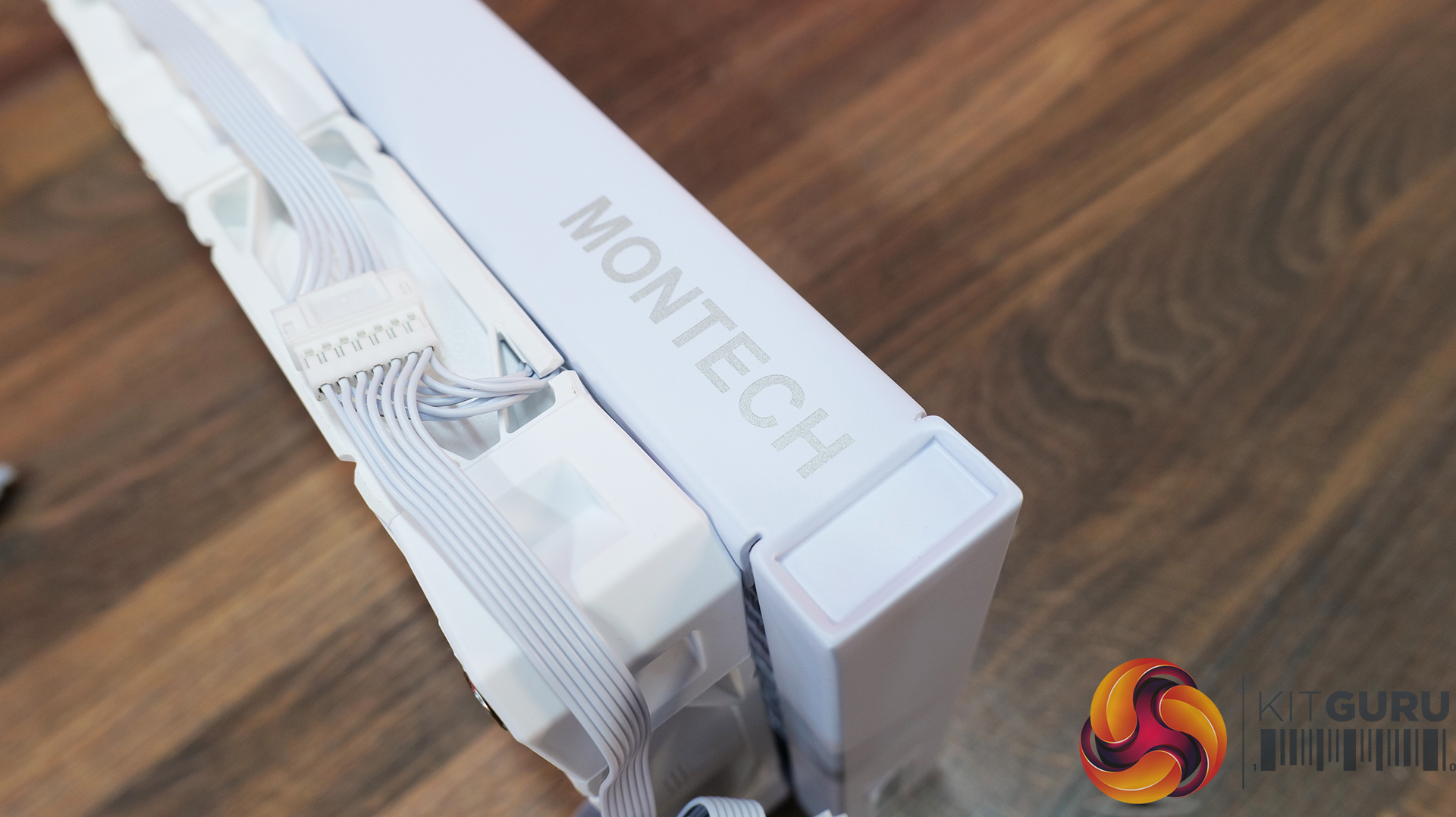
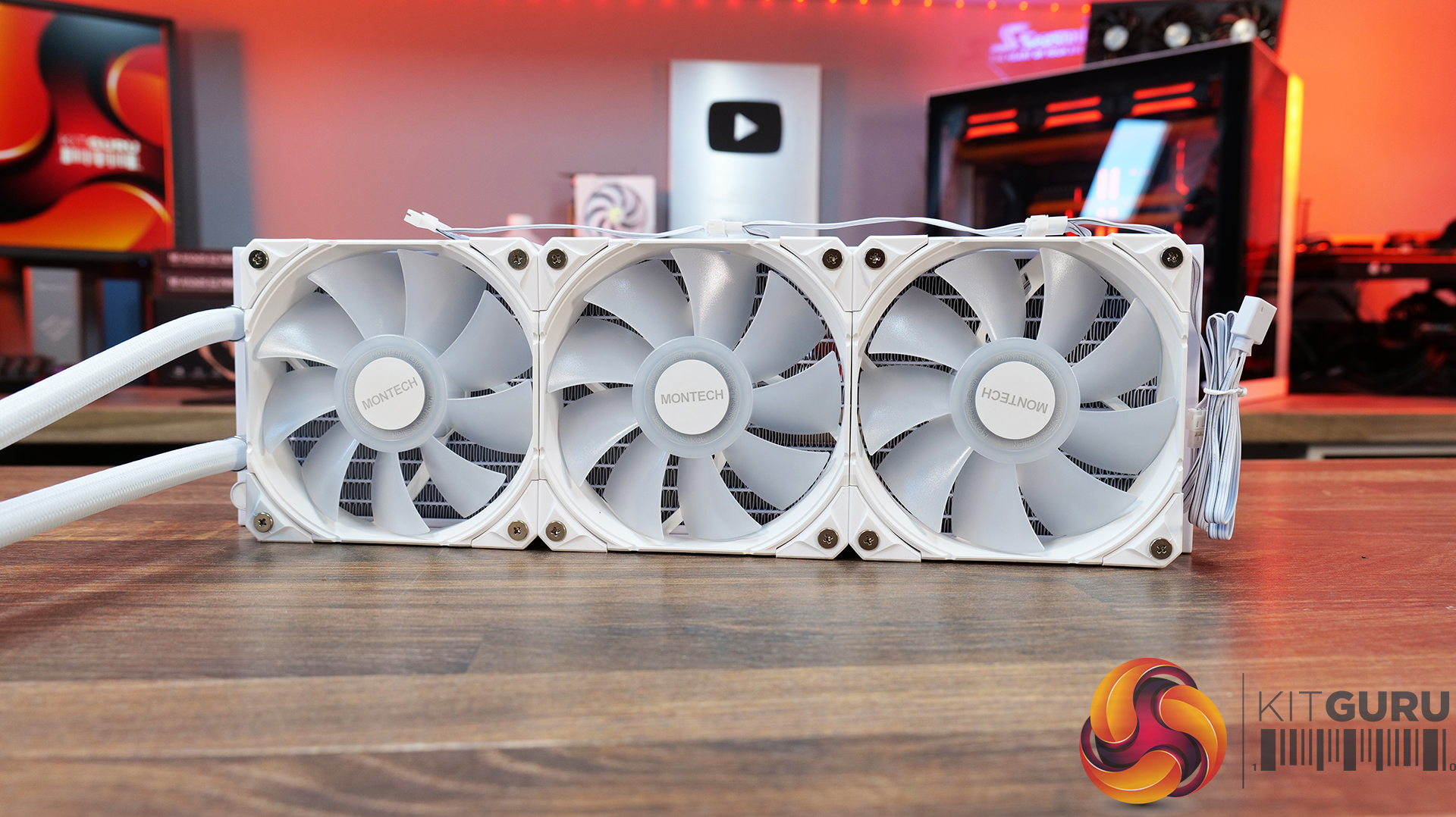
Features:
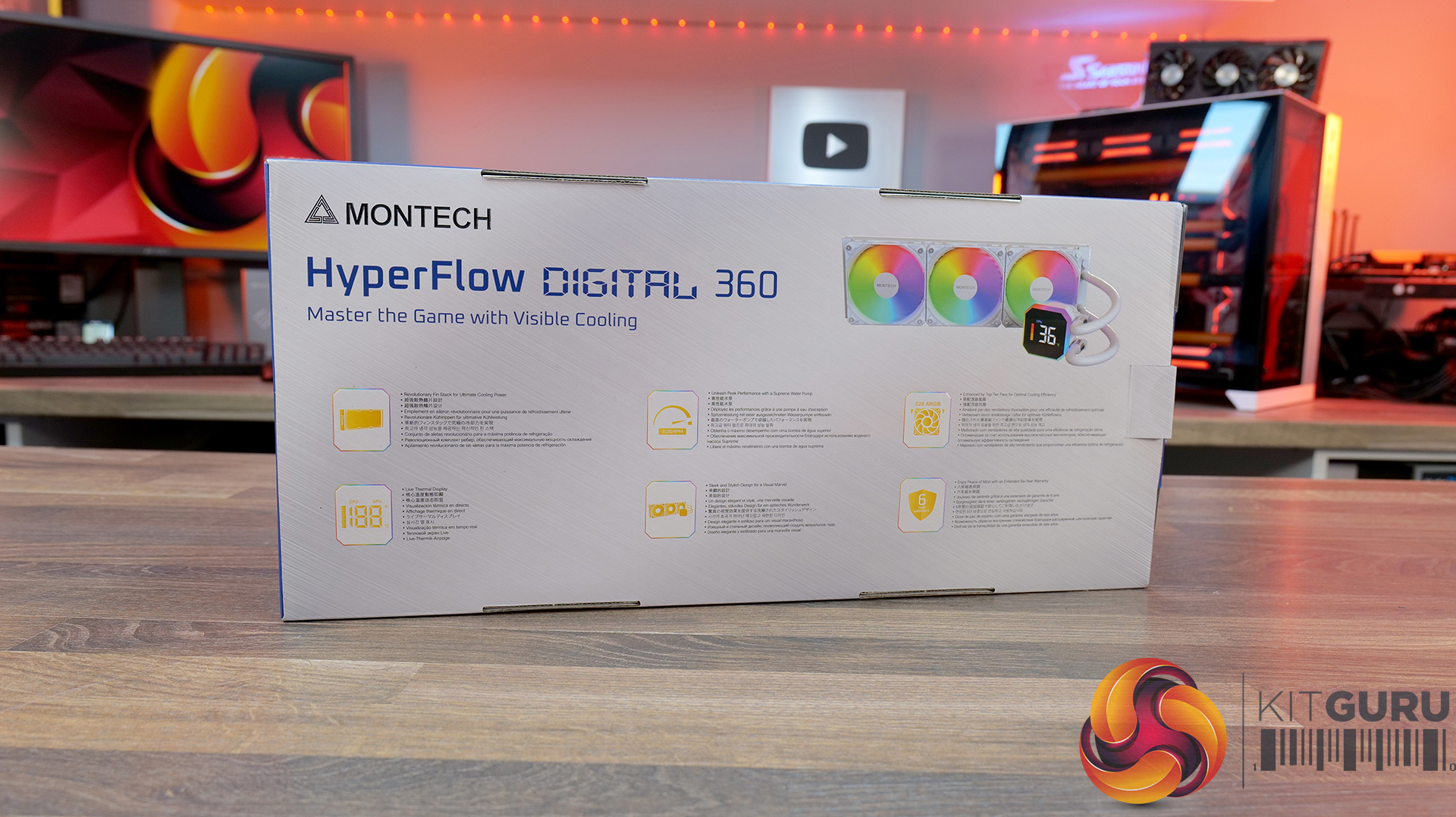
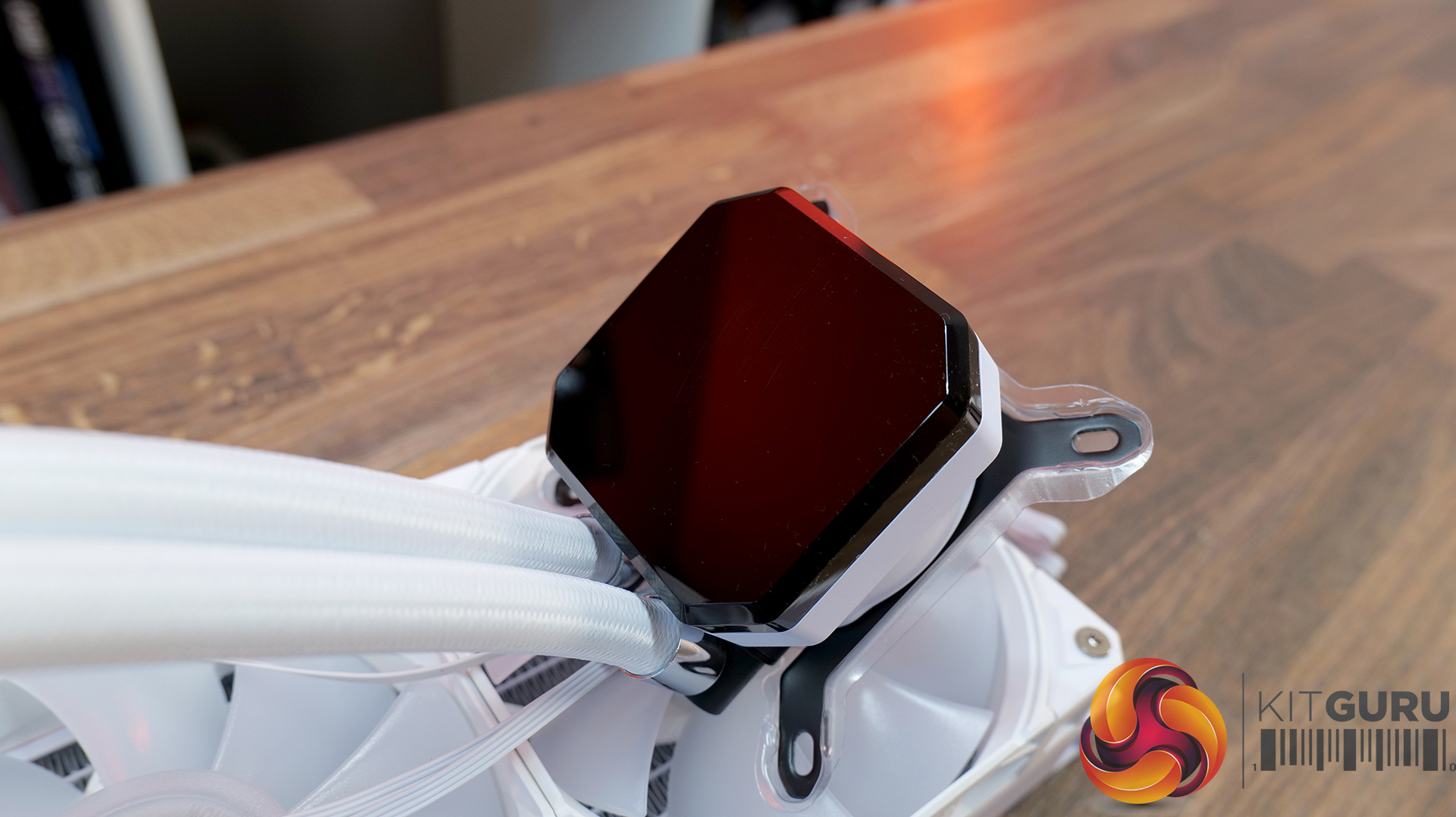
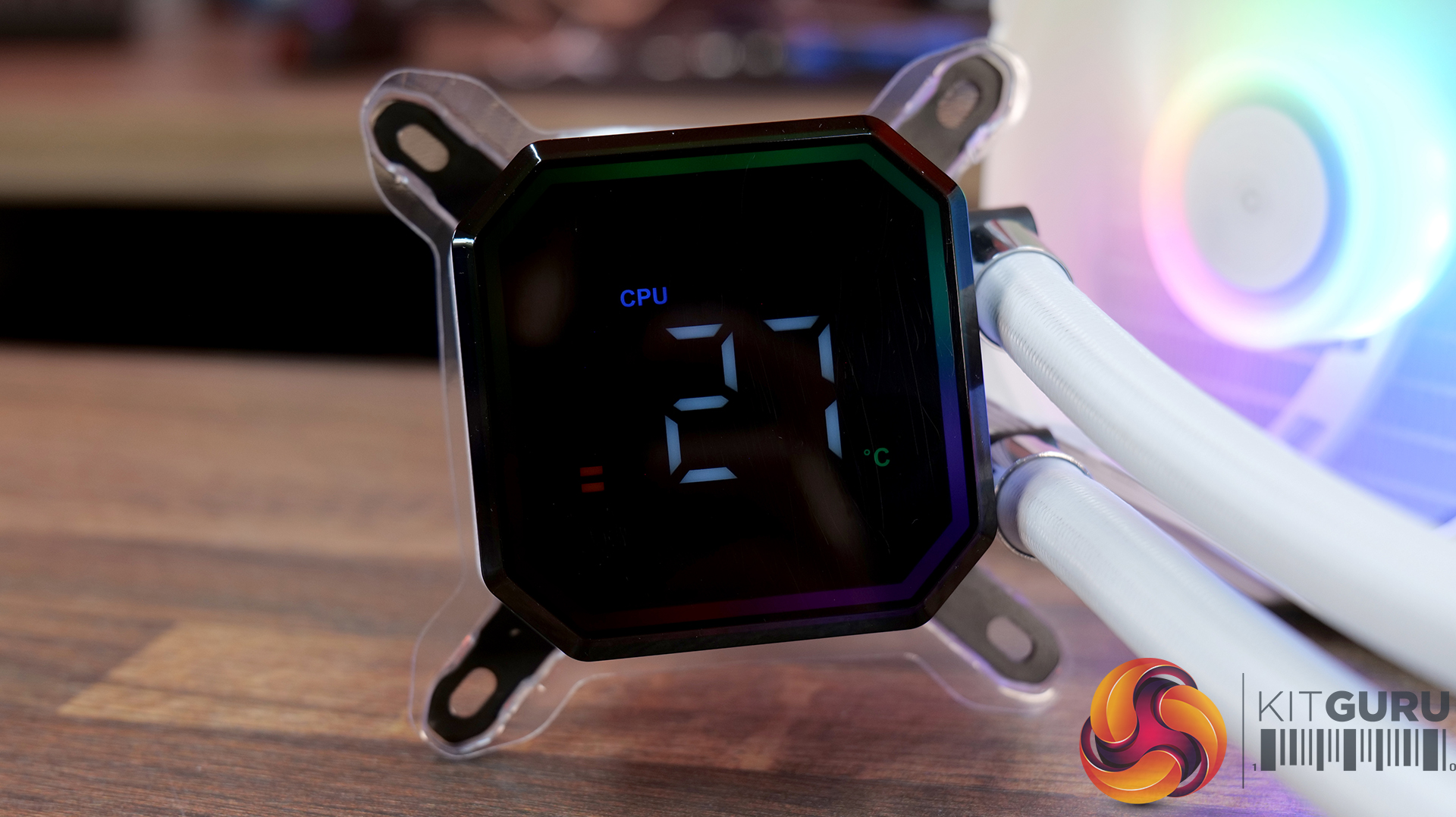
- HyperFlow Digital features an Integrated 7‑segment digital display that shows real‑time CPU and GPU temperature. E28 ARGB performance fans (120 mm) with 800 ~2200 RPM PWM Speed range, offering strong airflow & static pressure.
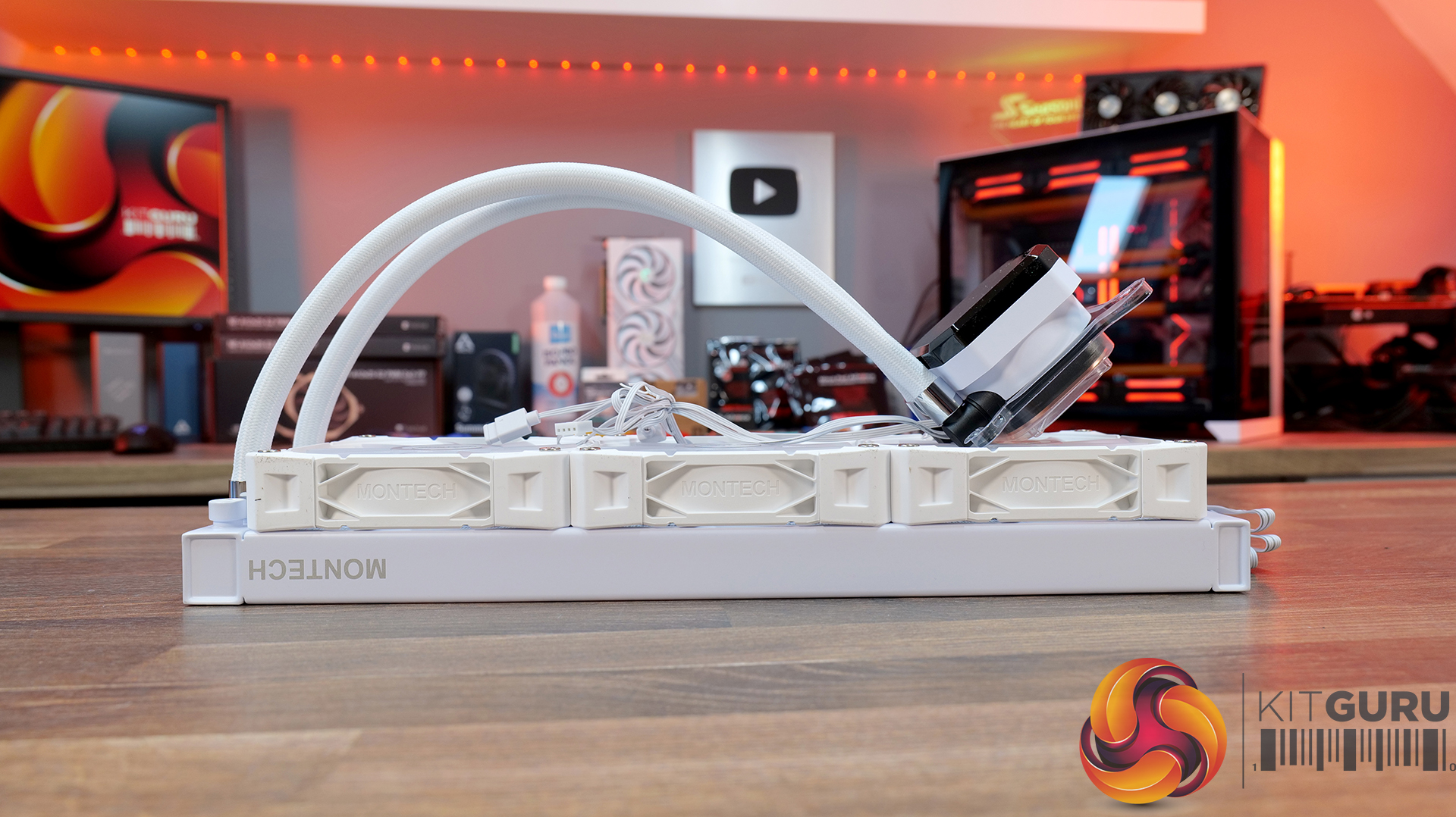
- It's equipped with a slim 27 mm thick, high‑density radiator with 20 fins per inch fin array, 12 waterways and it's available in 240mm and 360mm form factors, plus black and white colour options.
- HyperFlow Digital supports wide socket compatibility (Intel & AMD), pre‑installed fans & thermal paste for easier installation, plus a 6‑year warranty.
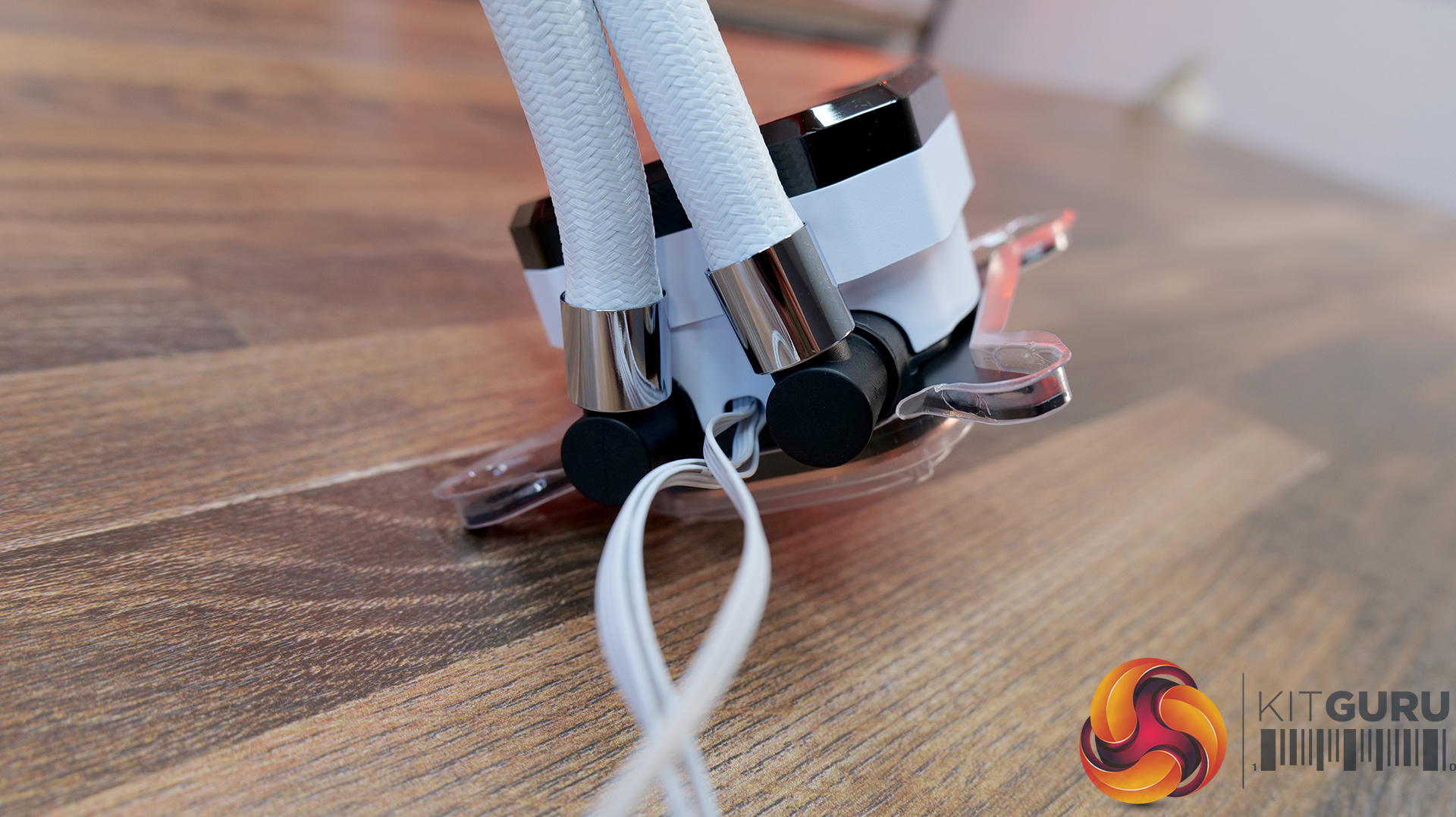
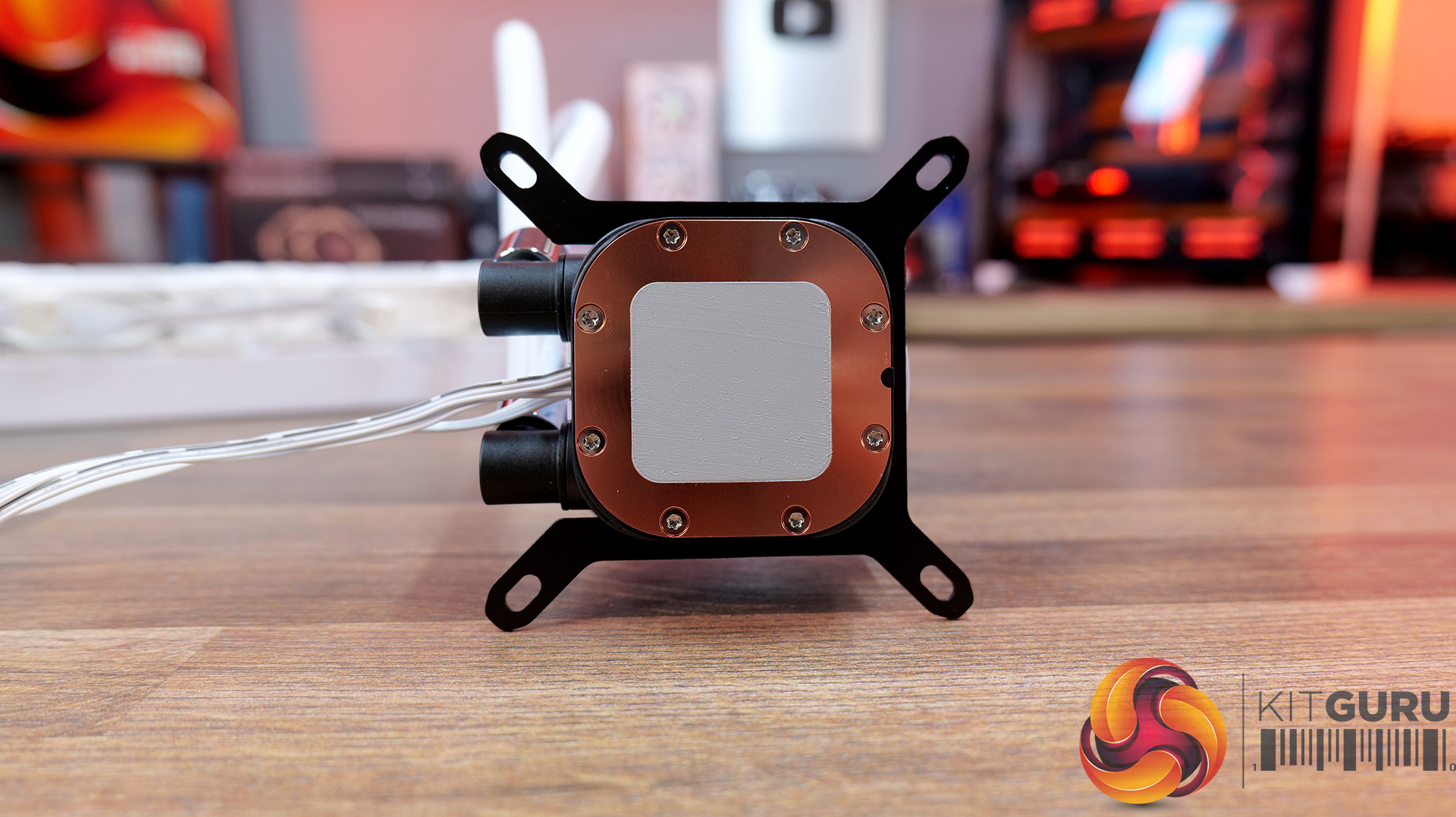
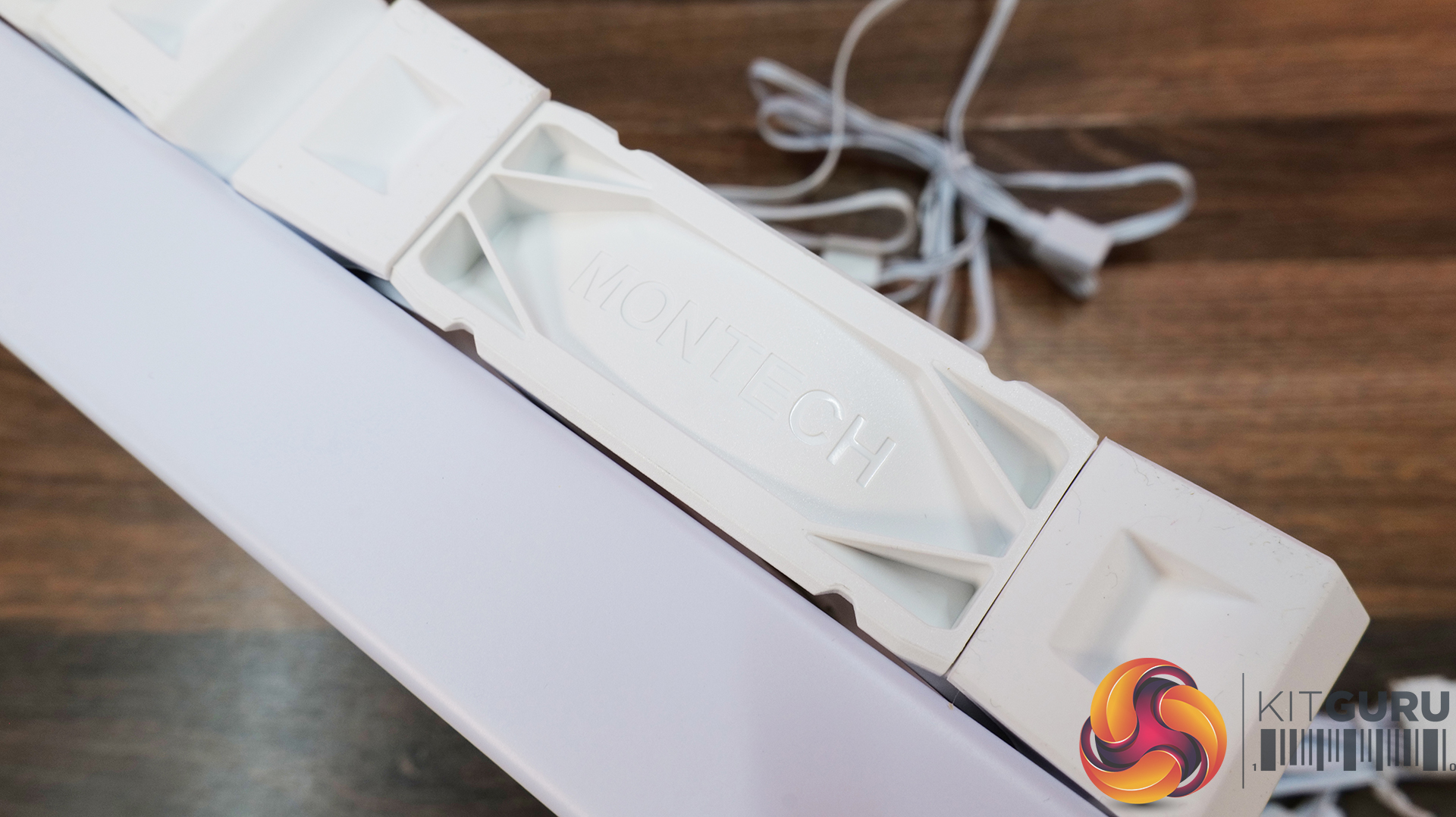
Specifications:
- CPU Socket Compatibility: Intel LGA115X / 1200 / 20XX / 1700 / 1851, AMD AM3 / AM4 / AM5
- Radiator Material: Aluminium
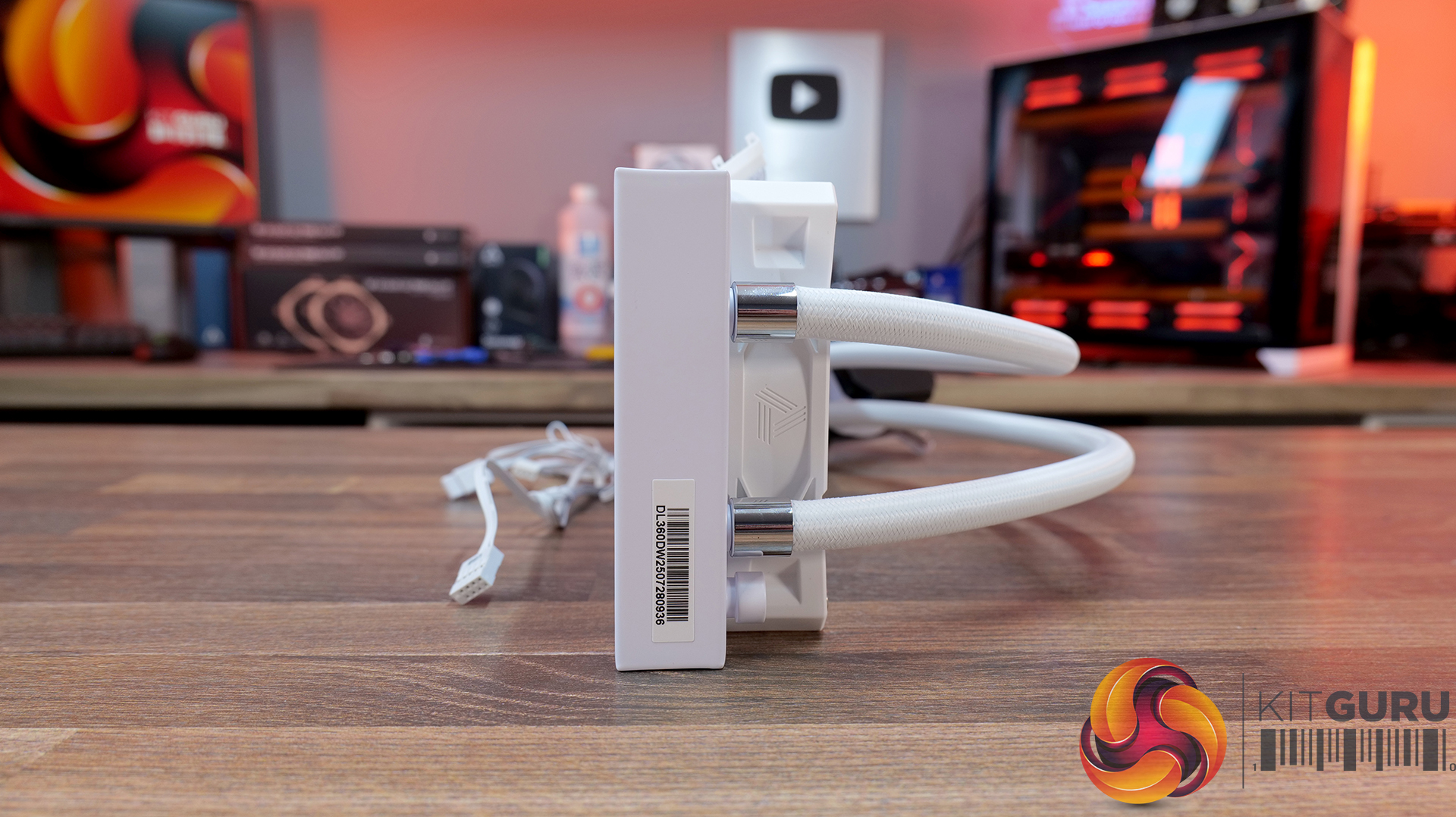
- Radiator Dimensions: 397 x 120 x 27mm
- Radiator Tube Length: 400mm
- CPU Block/Pump Dimensions: 67.2 x 67.2 x 52.3mm
- Pump Speed: 3100RPM±10%
- Cold Plate Material: Micro-Skived Copper
- Pump Connector: 4-Pin PWM
- VRM Fan: N/A
- Fan Dimensions: 120 x 120 x 28mm
- Fan Speed (PWM): 800~2200 RPM ±10%
- Fan Max Airflow: 96.27CFM
- Fan Max Static Pressure: 4.13mmH2O
- Fan Noise: 36.25dBA
- Fan Bearing: Fluid Dynamic Bearing
- Fan Connector: 4-Pin PWM
- LCD Screen: Digital Display
- Warranty: 6 Year
Test System Specifications:
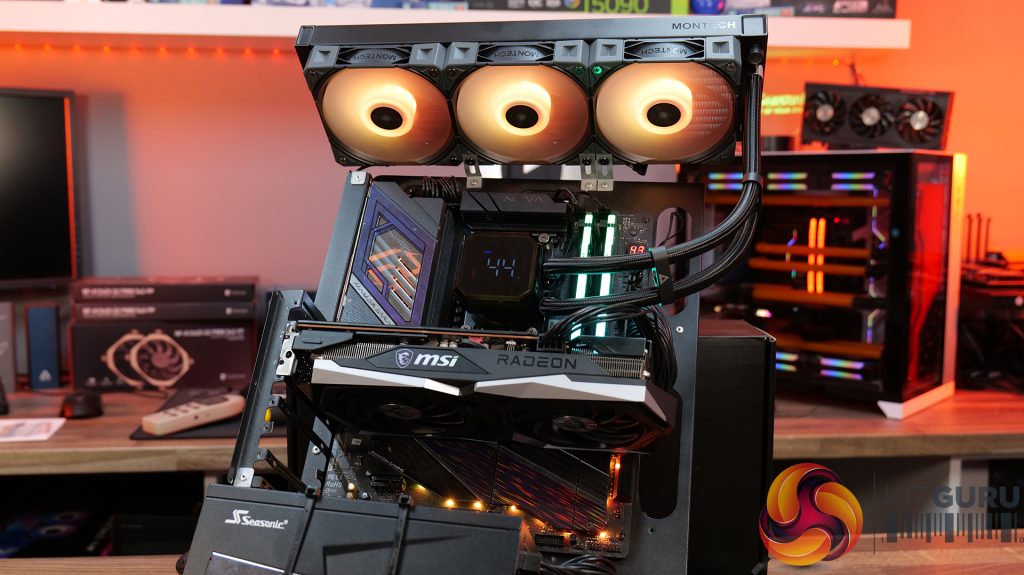
- CPU: AMD Ryzen 9 9950X
- Motherboard: ASRock Phantom Gaming X870E Nova WiFi
- Memory: 32GB (2 x 16GB Modules) Kingston Fury DDR5-6000
- Graphics card: MSI Radeon RX 6600 XT Gaming X
- Storage: 1TB Corsair MP600 Elite PCIe Gen4x4 NVME M.2 SSD
- Power Supply: Seasonic Prime TX-1600
- Chassis: Open Test Bench
- Thermal Compound: Arctic MX-6
- O/S: Windows 11 Version 24H2
Testing Methodology:
We are primarily focusing on the performance of each cooler at 100% fan speed and also when locked to 40dBA noise output. We will focus on cooling performance using a manual overclock with all-core frequency and VCORE locked to 5.2GHz/1.3V (AMD) and 5.5GHz/1.3V (Intel) and Precision Boost Overdrive performance.
- The test data is logged using HWINFO and the final 10 minutes of the data is calculated to find the average CPU temperature and CPU clock multiplier (AMD PBO Test) and then plotted in the charts.
- For testing, we use a 30-minute looped run of Cinebench R23 and record the steady-state CPU temperature at the end of the test. This ensures that the CPU has had ample time to warm up and reach a steady state under all of the coolers.
- The ambient is maintained at 19-21 degrees Celsius. Where there is variation beyond this temperature range, we add extra repeated tests to ensure consistency. However, this is well controlled now with A/C.
- We also test each cooler with at least two fresh installs (typically three) to mitigate the likelihood of poor mounting spoiling results.
- Ambient temperature and humidity are controlled via a mini split air conditioning system inside the test room. Ambient temperature is maintained between 19-20°C; temperature delta figures are shown in the charts (ambient temperature is deducted from the measured component temperature).
Test Results:
Acoustics
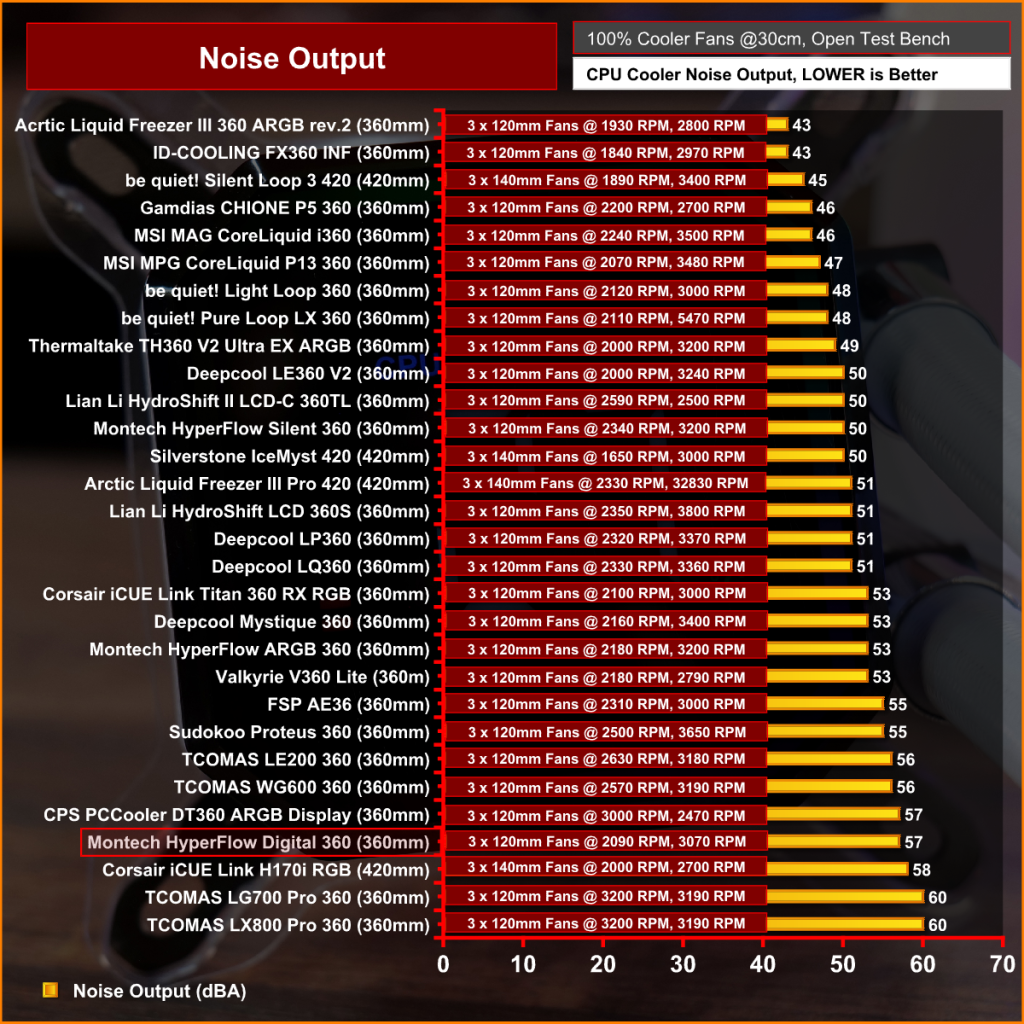
We’ll start by looking at noise output, as it provides a strong indication of overall performance.
The 360mm HyperFlow Digital is exceptionally loud at maximum fan speed, producing a recorded peak noise level of 57 dBA. This places it near the bottom of our charts and makes it quite distracting to use at full speed. To achieve a more comfortable balance between noise and cooling performance, users will need to fine-tune the fan curve.
Thermal Performance: AMD Ryzen 9 9950X
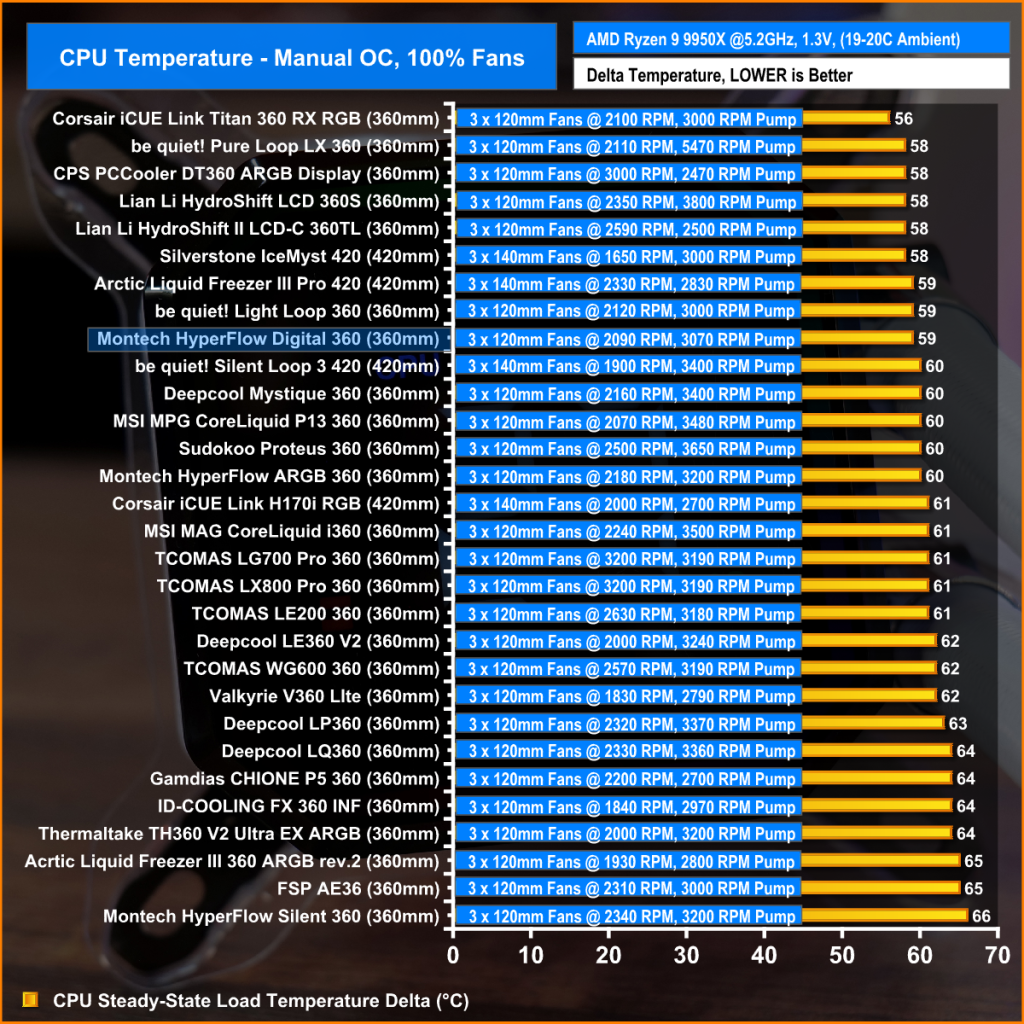
At maximum fan speed, the HyperFlow Digital delivers solid thermal performance, with an average recorded CPU temperature of 59°C. This result places it among the top-performing coolers in our testing. However, it achieves this at the cost of significantly higher noise levels compared to similarly performing coolers such as the Arctic Liquid Freezer III Pro 420 and the be quiet! Light Loop 360.

Reducing fan speed to meet the 40 dBA noise target requires lowering the PWM duty cycle by almost 50%, resulting in a fan speed of just over 1000 RPM.
This adjustment has a noticeable impact on thermal performance, raising the average temperature to 64°C. Even so, it remains competitive with other budget AIOs, including those from DeepCool, and still offers sufficient cooling capacity for high-performance CPUs such as the Ryzen 9 9950X.
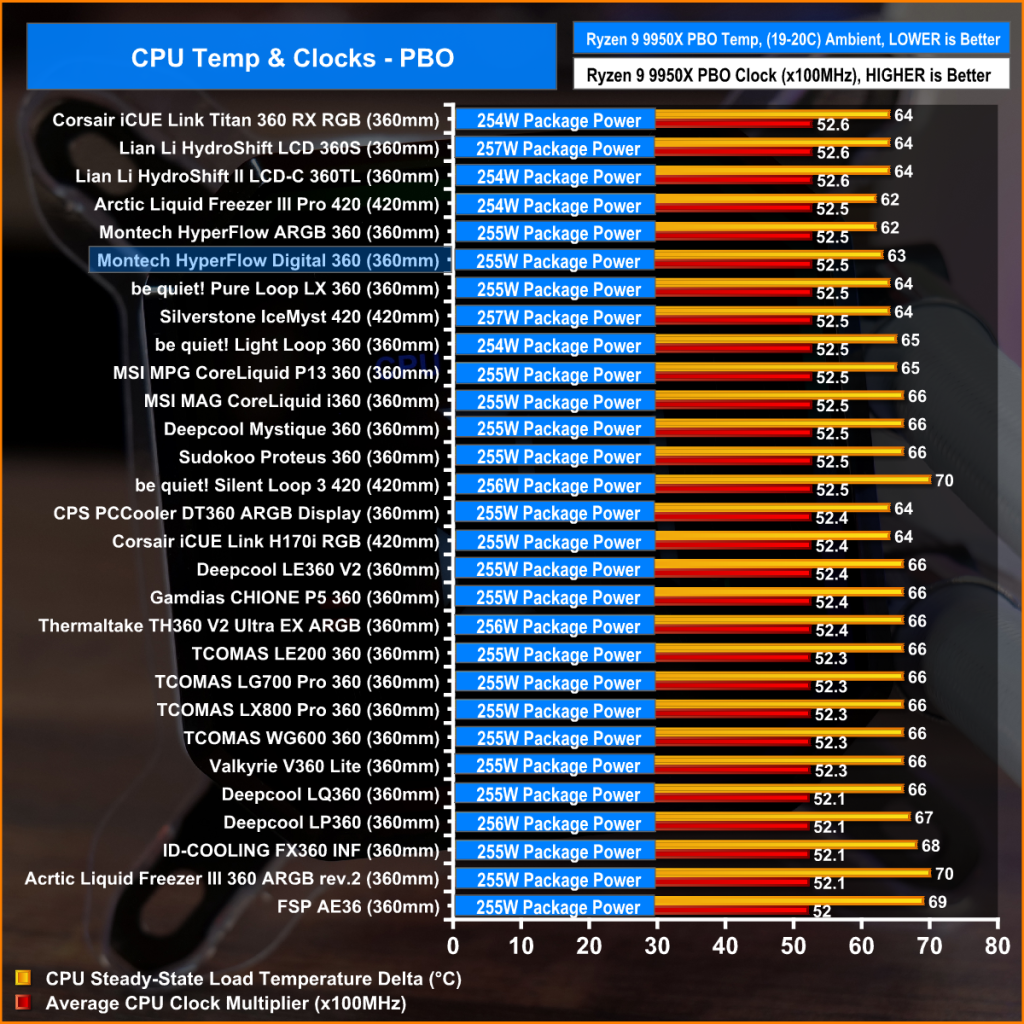
In the Precision Boost Overdrive (PBO) test, CPU frequency is automatically adjusted based on a target temperature, so the temperature differences between coolers are relatively small. In this scenario, the key metric is the clock multiplier.
With the test running at maximum fan speed, the HyperFlow Digital performs admirably, maintaining an average clock multiplier of 52.5 while handling a 255W power package. This puts it on par with several larger 420mm coolers, though it remains considerably louder than many of them.
The Montech HyperFlow Digital proves that Montech is serious about upping its cooling game. In terms of raw thermal performance it delivers, but at a cost. During testing it kept the Ryzen 9 9950X temperature well under control under heavy sustained load. In fact, its results are comparable to some larger 420mm units, which is impressive given the price point. Plus, it's available in 240mm or 360mm sizes and black or white colour options.
The trade-off for that strong thermal performance is noise. At full speed the HyperFlow Digital registers 57 dBA max noise output, putting it among the loudest coolers we’ve tested. That said, reducing fan speed to target 40 dBA still provides respectable cooling, so with a bit of fan curve tuning you can find a reasonable balance between temperature and acoustics. It’s certainly not a silent cooler, but performance remains competitive once noise levels are tamed.
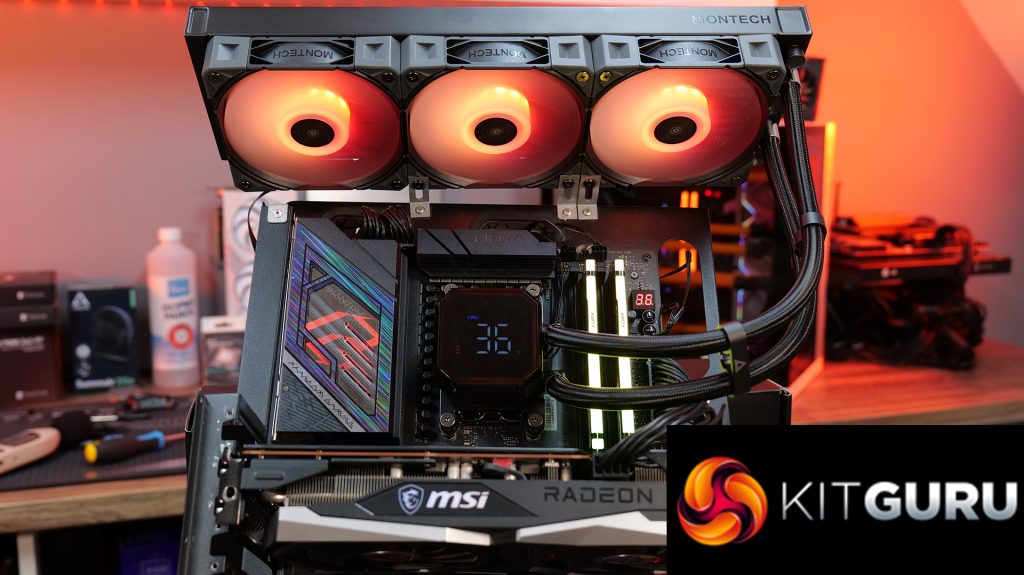
Build quality is solid overall, and the design is tidy and modern. The integrated digital display adds some visual appeal, though it’s not without issues. The screen and RGB lighting are quite dim and there’s no way to adjust the display brightness, which limits its visibility. The display’s functionality is also fairly basic – it only shows CPU and GPU temperatures, with no extra features or customisation options possible. It’s a nice addition in principle, but it feels somewhat limited in execution.
Overall, the Montech HyperFlow Digital 360 is a capable AIO that offers solid thermal performance for the money but falls short in acoustic refinement and display functionality. If you’re focused on cooling efficiency above all else, it’s a good option. However, users wanting a quieter or more feature-rich solution may find better-rounded alternatives from the likes of Arctic or be quiet!. Even so, as a first serious push into the high-end AIO market, the HyperFlow Digital is a good attempt from Montech, and it will be interesting to see how it's refined in future iterations.
We found it listed on Scan for £90 HERE.
Pros:
- Quick and easy install.
- Decent thermal performance.
- Good value for money.
Cons:
- The digital display screen has basic functions and isn't very bright.
- RGB on the CPU Block is barely visible.
- Very loud at max fan speed.
KitGuru says: If you're looking for a cost-effective, high-performance 360mm AIO with a screen, then the Montech HyperFlow is worth looking at. But just don't expect too much from the screen and prepare for some fan curve tuning to tame the noise.