KitGuru KitGuru.net – Tech News | Hardware News | Hardware Reviews | IOS | Mobile | Gaming | Graphics Cards


EK has launched the 2nd generation of QuantumX Delta TEC blocks – the QuantumX Delta TEC Evo. This is a thermoelectric cooling block, utilising Intel Cryo technology and thanks to some tweaks over the first generation, the Evo can handle an extra 50W of heat dissipation.
Not long ago, CoolerMaster launched its first TEC AIO, delivering sub-ambient cooling to Intel 10th and 11th Gen processors. Following the same footsteps, EK decided to update its thermoelectric cooling block design to the new standards. Unlike the previous version, the TEC plate is soldered to the bottom of the water block that sits on top of the CPU to improve heat transfer, allowing it to reach sub-zero temperatures.
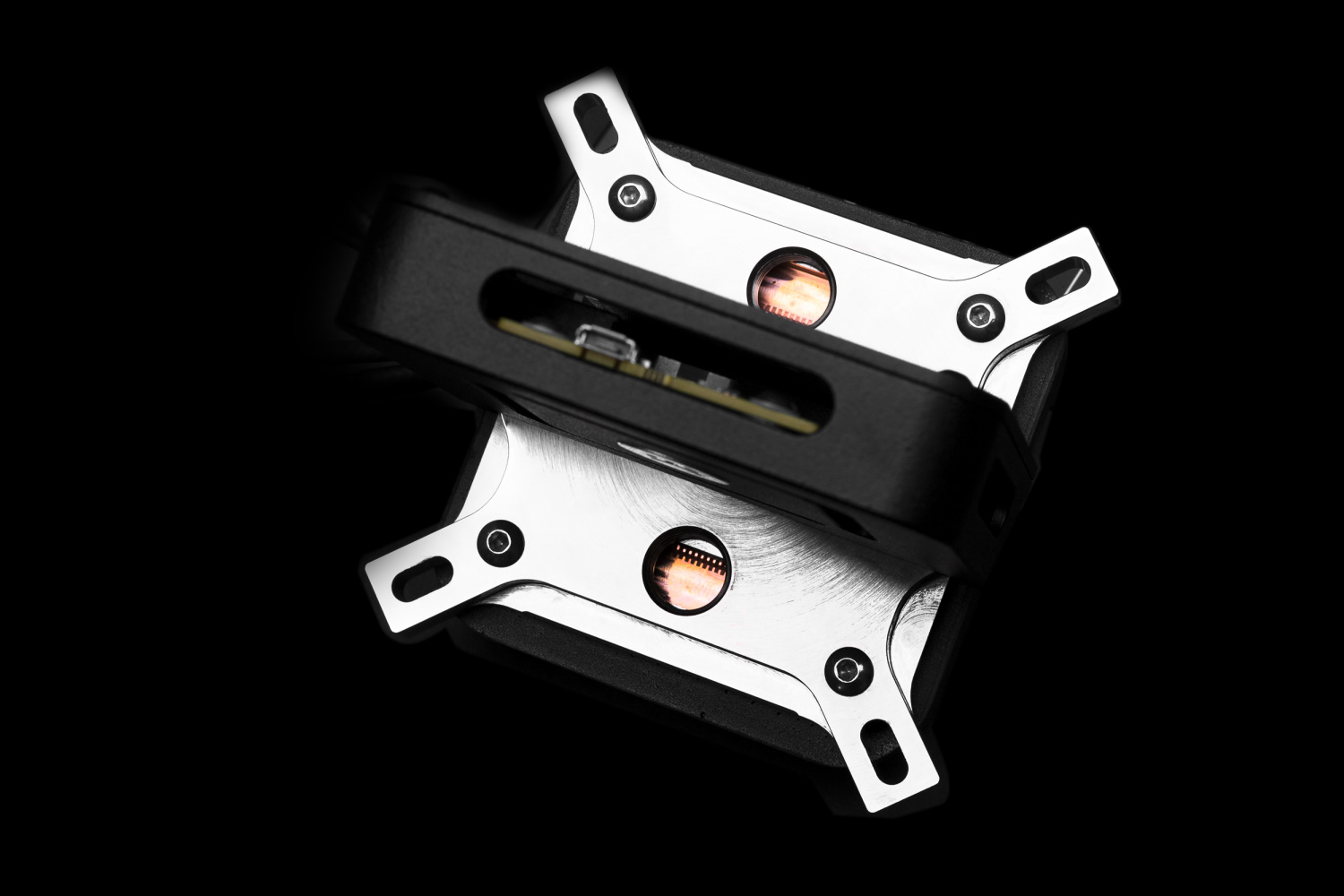
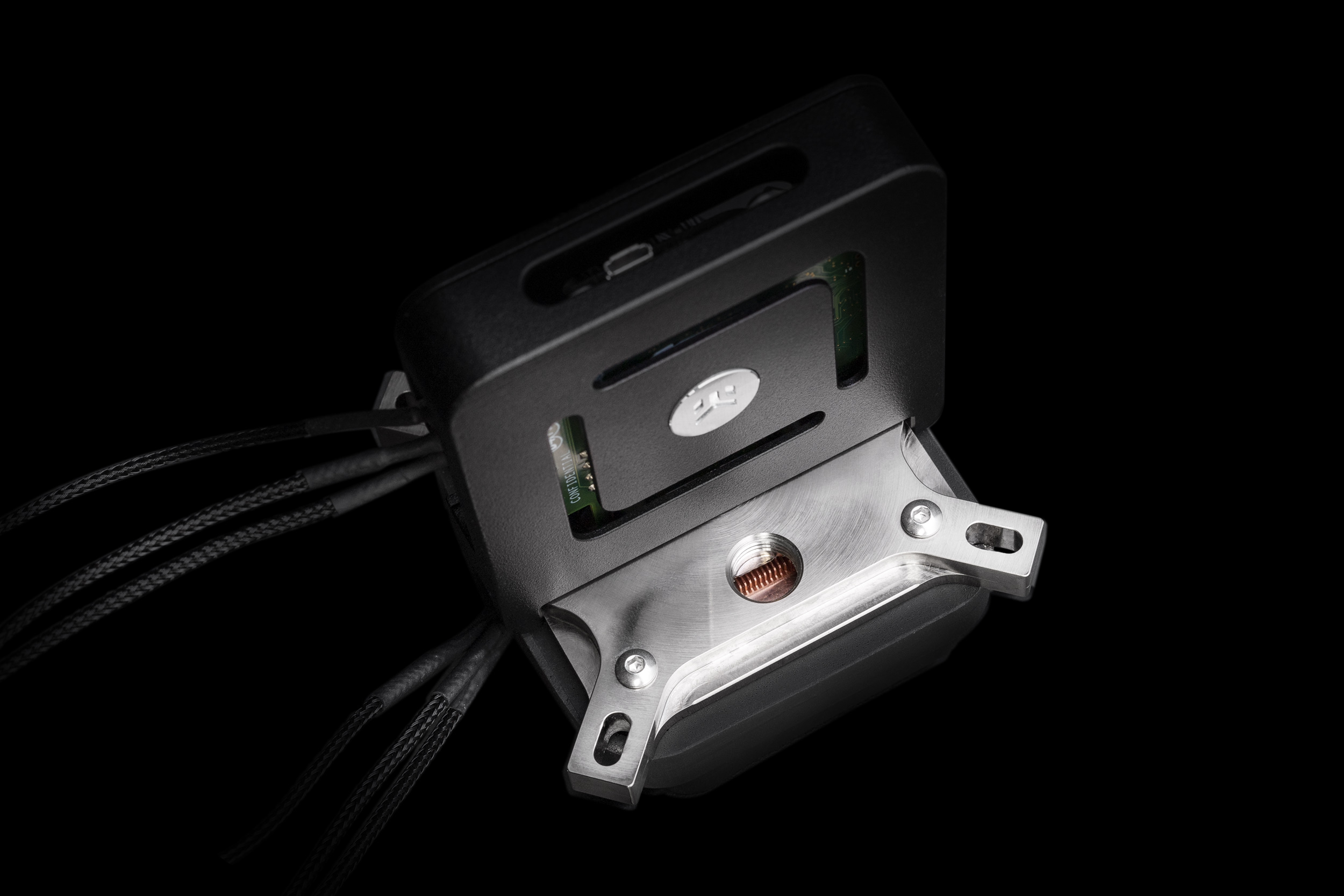
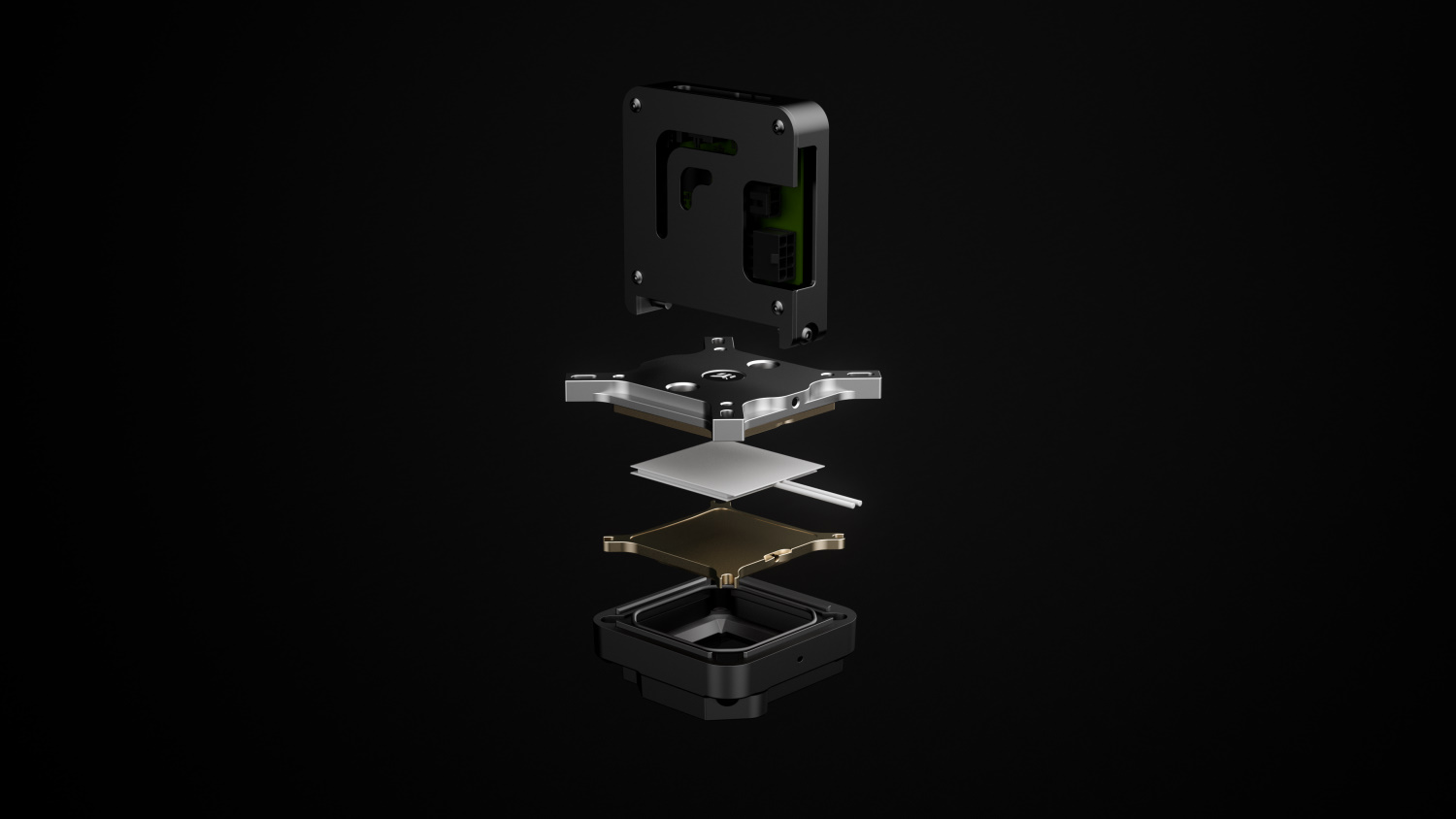
EK explains this block shines when a single-core is heavily loaded or on lighter loads across multiple cores and recommends not to use it in heavy synthetic load across all cores like the Prime95 multi-core tests. Thanks to the Intel Cryo Cooling Technology, the block monitors the CPU temperature at all times, allowing it to automatically adjust cooling performance while trying to maintain a near-silent operation.
Unlike most other sub-zero coolers, the QuantumX Delta TEC Evo uses a “two-pronged approach” to reduce thermal condensation and a compact integrated insulation shroud to isolate any exposed cold surfaces. Intel Cryo Cooling Technology also plays a role in protecting a PC with this cooler, monitoring conditions and adapting accordingly to prevent condensation.
To use the QuantumX Delta TEC Evo, users will have to pair a radiator, fans, tubing, and fittings, as these are not included. The QuantumX Delta TEC Evo is now available for purchase, priced at €379.90.
Discuss on our Facebook page, HERE.
KitGuru says: Have you ever tried a sub-ambient cooling solution? Would you use the QuantumX Delta TEC Evo block in a custom liquid loop?