KitGuru KitGuru.net – Tech News | Hardware News | Hardware Reviews | IOS | Mobile | Gaming | Graphics Cards


In recent weeks, DDR5 memory prices have begun skyrocketing due to a shortage brought about by AI companies buying up the majority of available DRAM supply. Gamers may be able to work around the shortages with a little ingenuity though, as desktop RAM can be replaced by SODIMM modules with the use of an adapter.
Hardware Canucks (via Videocardz) put this idea to the test in a recent video to see how viable it is. By going to the used SODIMM memory market, PC builders can save a decent amount of money compared to current desktop RAM prices. As 3DCenter points out, these adapters are currently very cheap as well, so an end user would be looking at a 30% saving when buying 16GB of DDR5 SODIMM memory, plus an adapter, versus buying the equivalent amount of desktop memory at current prices.
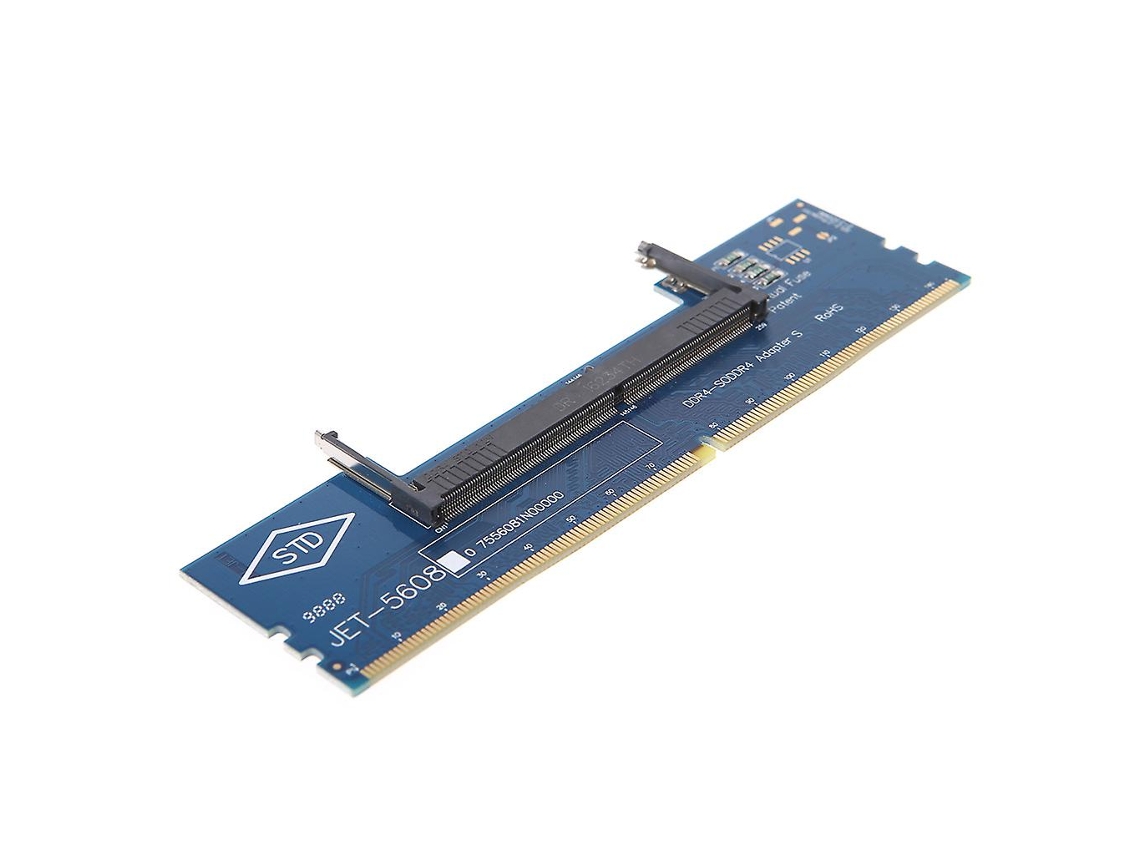
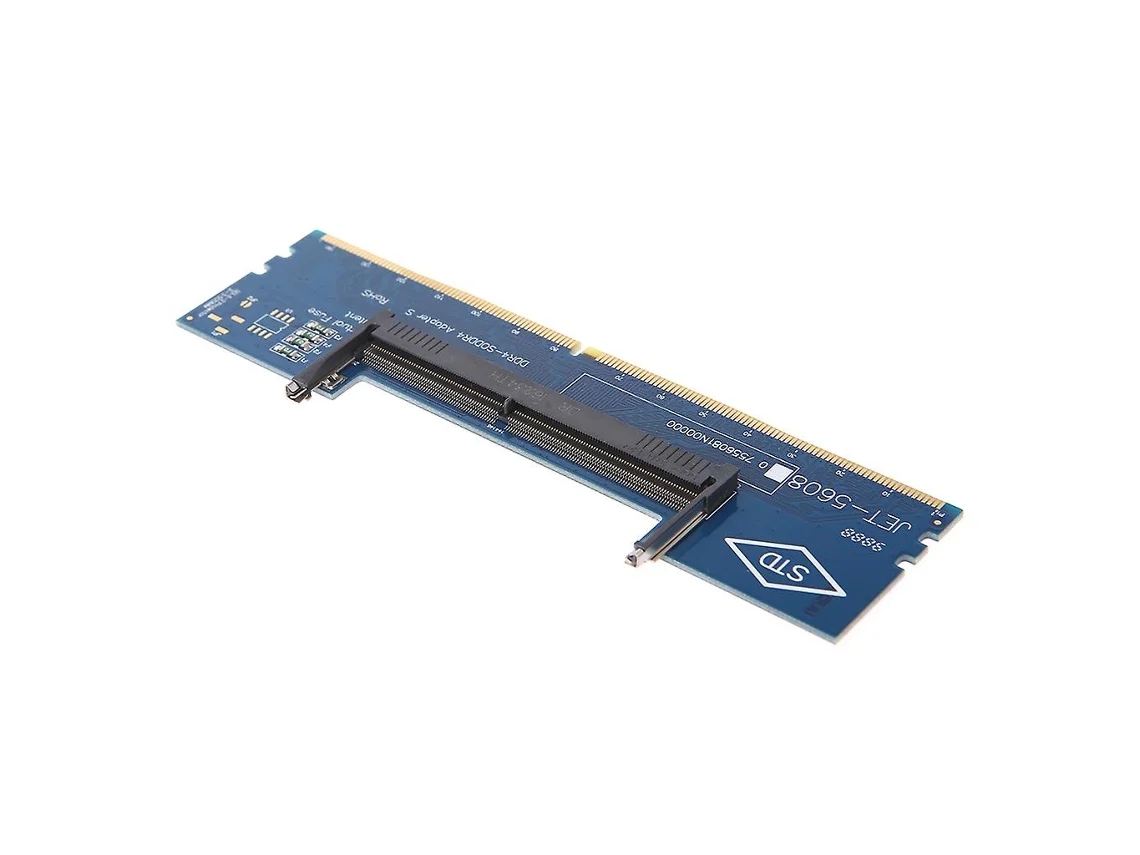
However, this cost-saving measure is not without technical caveats. These adapters are fundamentally a hack, designed for repurposing spare hardware. Desktop motherboards are engineered for specific trace lengths and signal integrity, and introducing an additional physical interface via a passive adapter inherently degrades the quality of that signal path. Consequently, users should expect to lose some performance. Laptop modules typically operate with much looser timings and lower clock speeds than desktop kits from the likes of Corsair or G.Skill. To maintain system stability, further downclocking may be necessary to compensate for the electrical noise introduced by the adapter's additional circuitry.
This trend follows other DIY measures we've seen, such as the rise of “solder-it-yourself” memory kits. While these SODIMM adapters are a far more accessible solution that doesn't require specialised electronics knowledge, they represent a similar level of desperation in the current market. For gamers who have spare SODIMM sticks from an old gaming laptop or access to cheaper mobile stock, the adapter offers a viable bridge to a functional PC, even if it means sacrificing the low-latency performance of desktop modules.
KitGuru says: This may be a good workaround in a pinch, but we wouldn't necessarily recommend running your PC this way.