KitGuru KitGuru.net – Tech News | Hardware News | Hardware Reviews | IOS | Mobile | Gaming | Graphics Cards


It has been some time since we tested a be quiet! power supply, so today is quite exciting as we just received a sample of the new Power Zone 2 1000 watt unit. This power supply is a follow on from the original units which released back in 2013, which were incidentally the companies first single rail units. This new fully modular power supply has also adopted a semi passive cooling configuration. It also ships with a 10 year warranty. Time to dive in and see what else has changed.
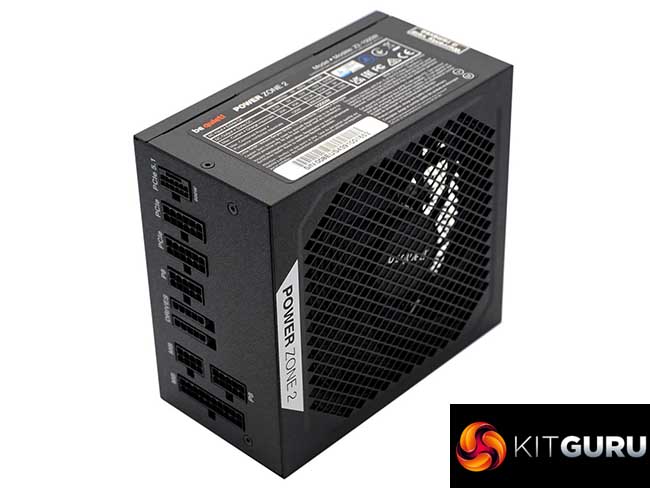
We have appreciated be quiet! products over the years, they have a certain attention to detail and a focus on engineering quality. Not to say they always get it right, but generally they are a brand we would consider to be in the higher end of the quality bracket. Also, they tend to make some of the best fans on the market which helps massively with coolers and power supplies. This unit adopts one of their new Pure Wings 3 140mm fans.
There are three models in this new Power Zone 2 category. A 750 Watt, an 850 watt and a 1000 watt model. Retail availability of Power Zone 2 is scheduled for January 28th, at a recommended retail price of $189.90/€189.90/£179.99 (1000W), $169.90/€169.90/£159.99 (850W), or $149.90/€149.90/£139.99 (750W). More on this later in the review.
Power Zone 2 1000W Features:
- 80 Plus Platinum and Cybenetics Platinum efficiency.
- Semi Passive zero RPM cooling.
- Pure Wings 3 140mm fan.
- 90 degree angled 12V-2×6 connector and PCIe 5.1/ATX 3.1 compatibility.
- Unique look with mesh design.
- Single +12V rail.
- 10 year manufacturers warranty.
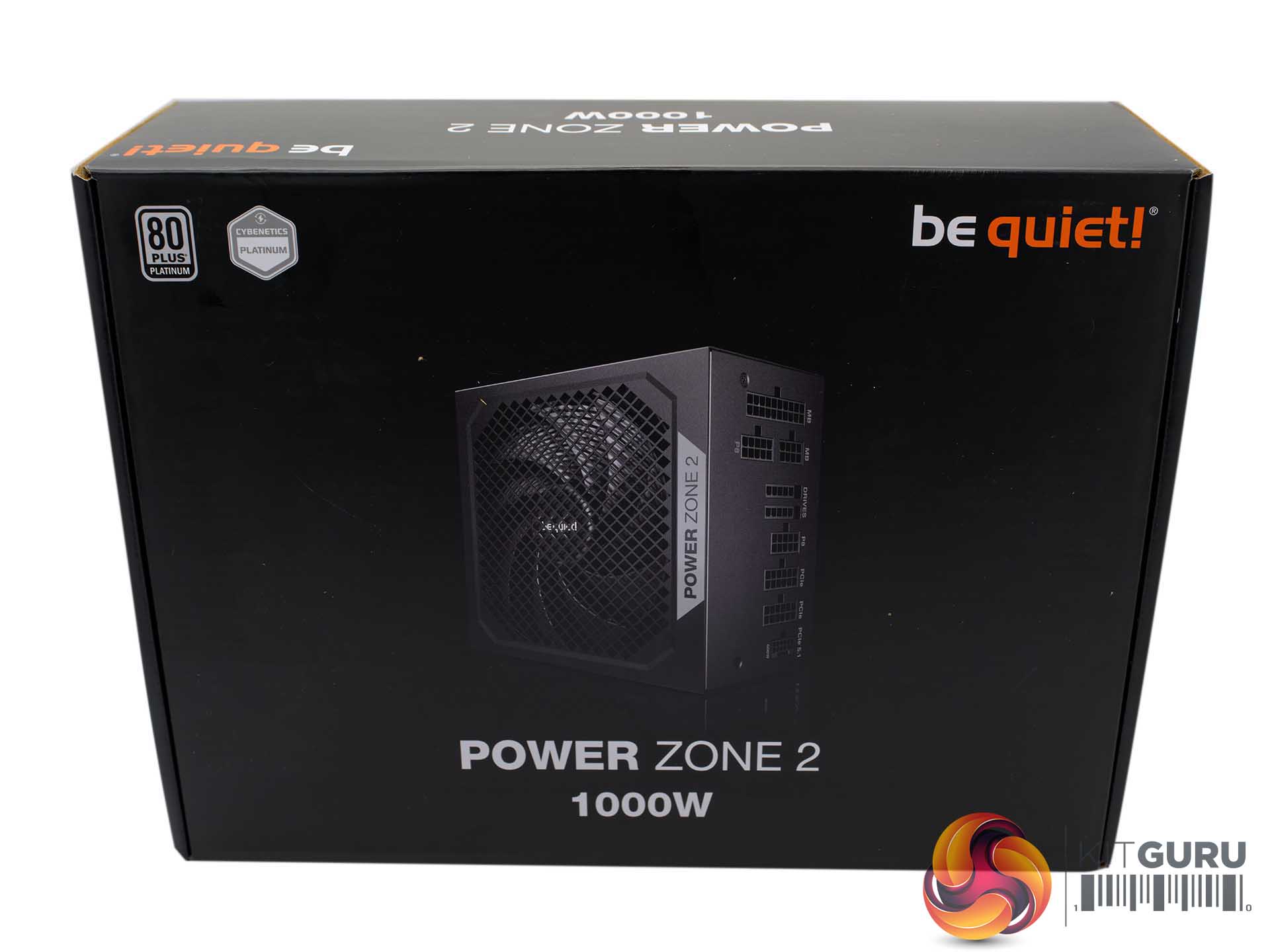
The Power Zone 2 1000W ships in a dark box highlighting an image of the power supply on the front. I appreciate the minimalist design with only an 80 Plus Logo and a Cybenetic Platinum certification showing top left. Good to see be quiet! adopting the new Cybenetics standards – they are the ones that make the most technical sense now.
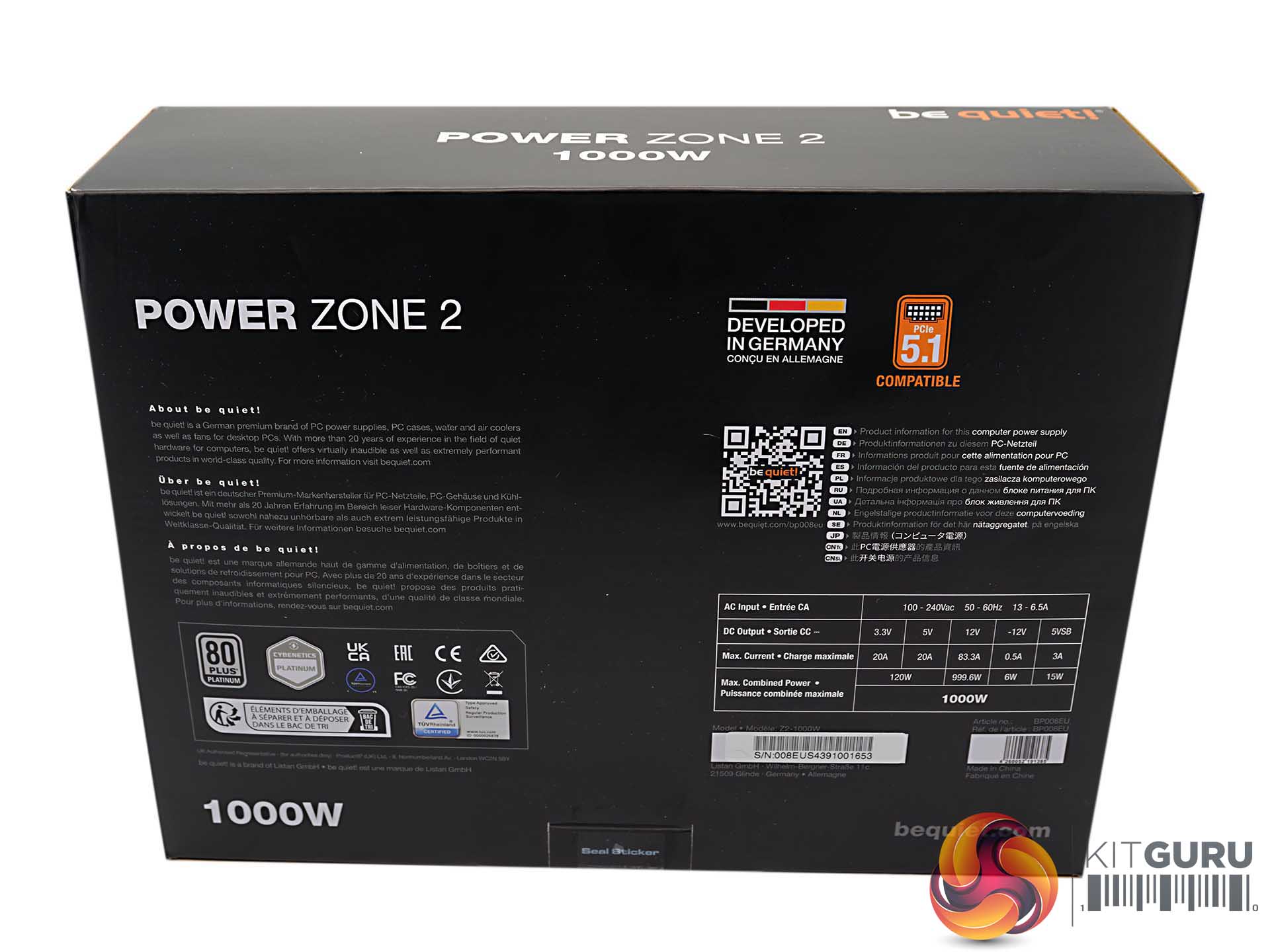
The rear of the box has more detail on the ‘developed in Germany' badge along with some key specifications and a power output table.
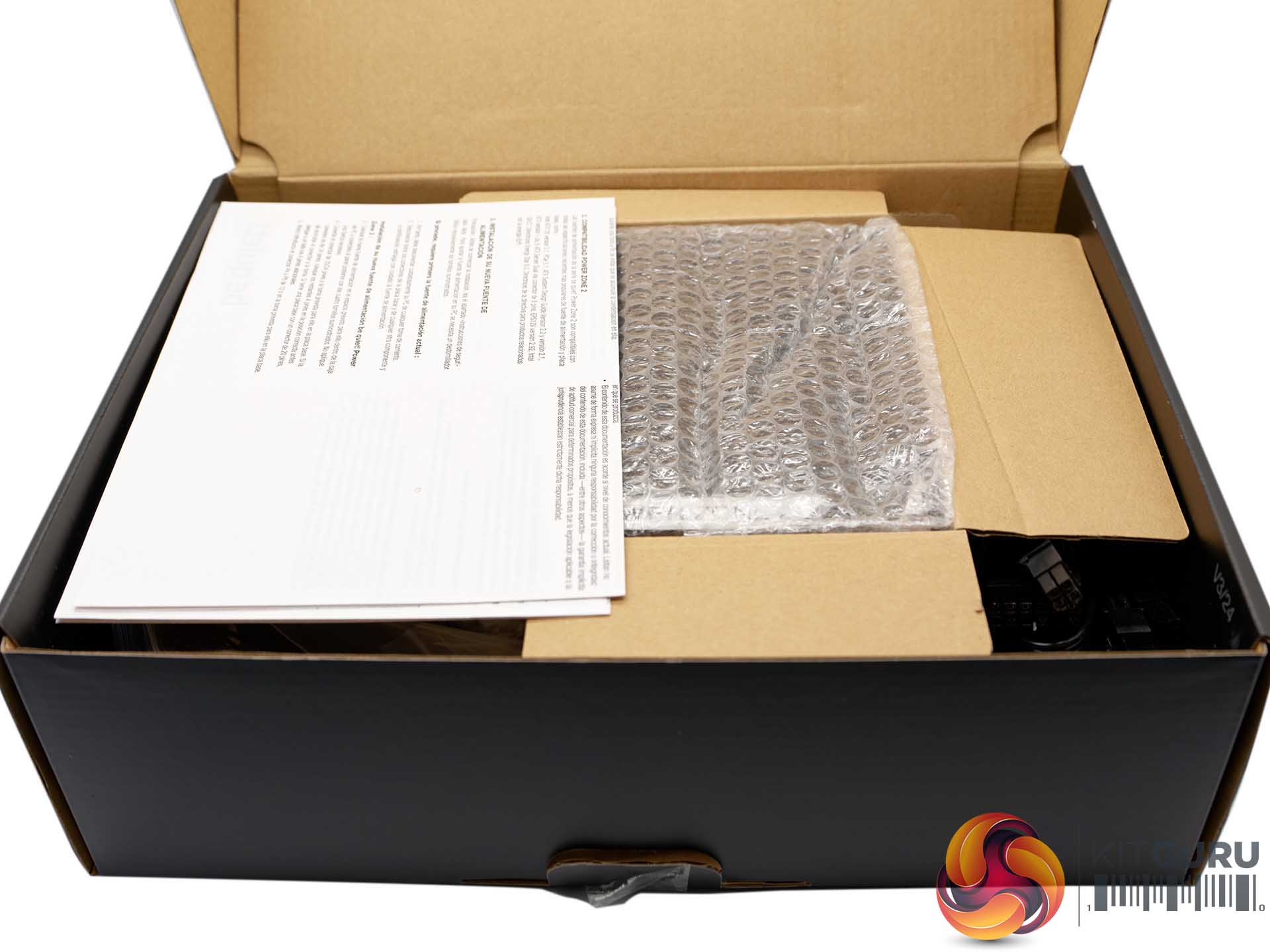
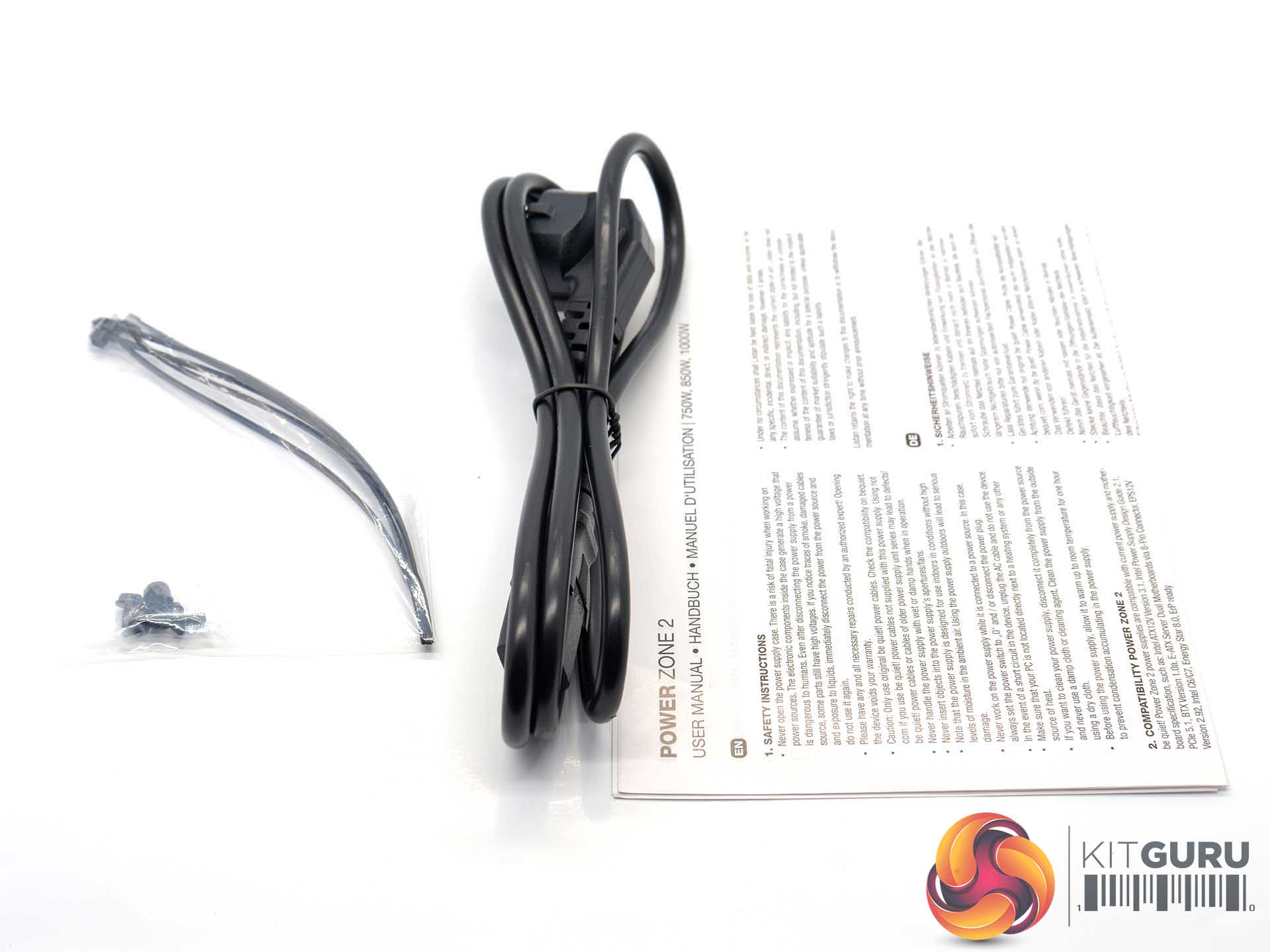
Inside the box are the accessories along with some literature, a power cable, cable ties and mounting screws.
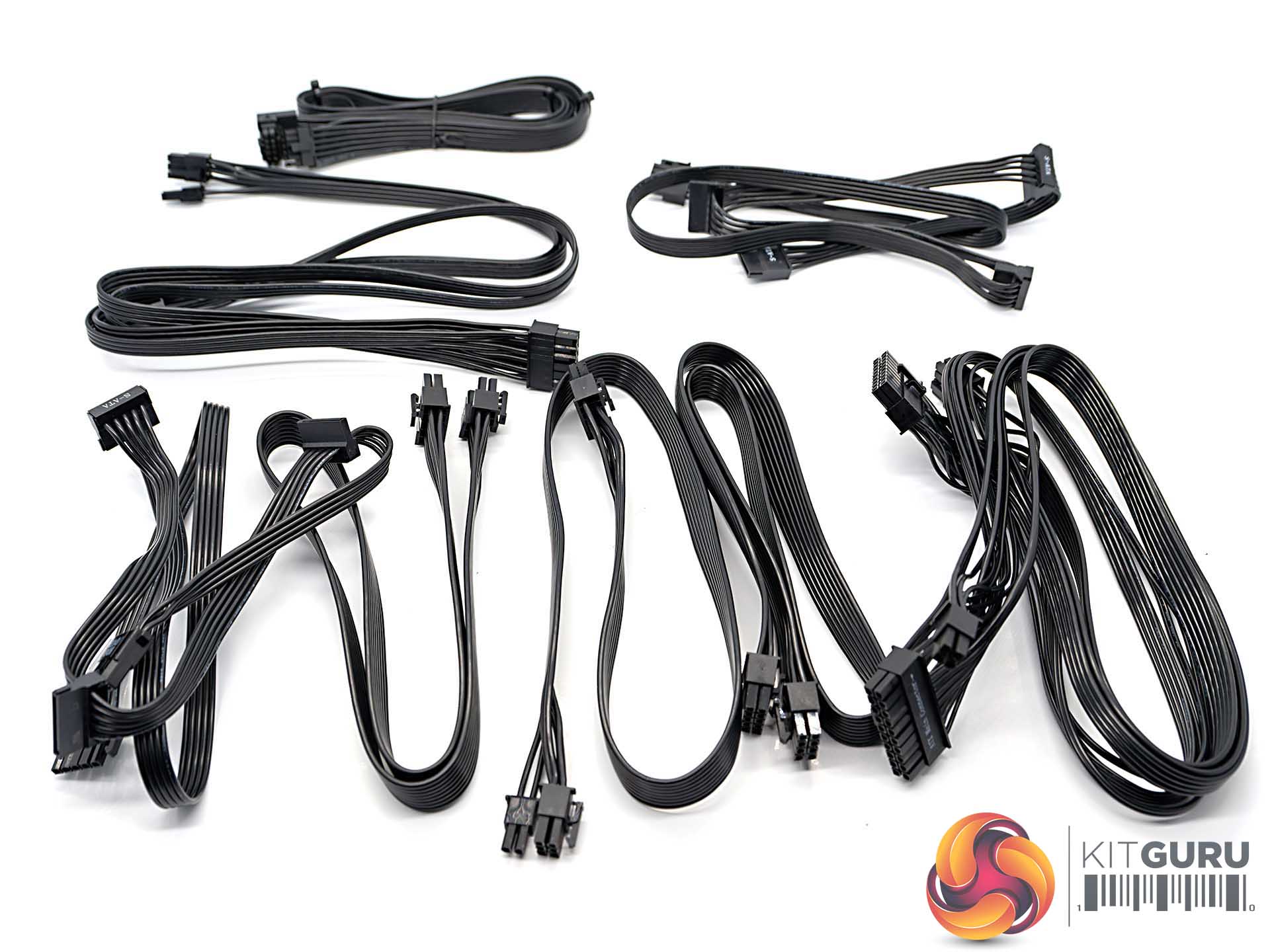
The modular cables are all ribbon style, for ease of routing.
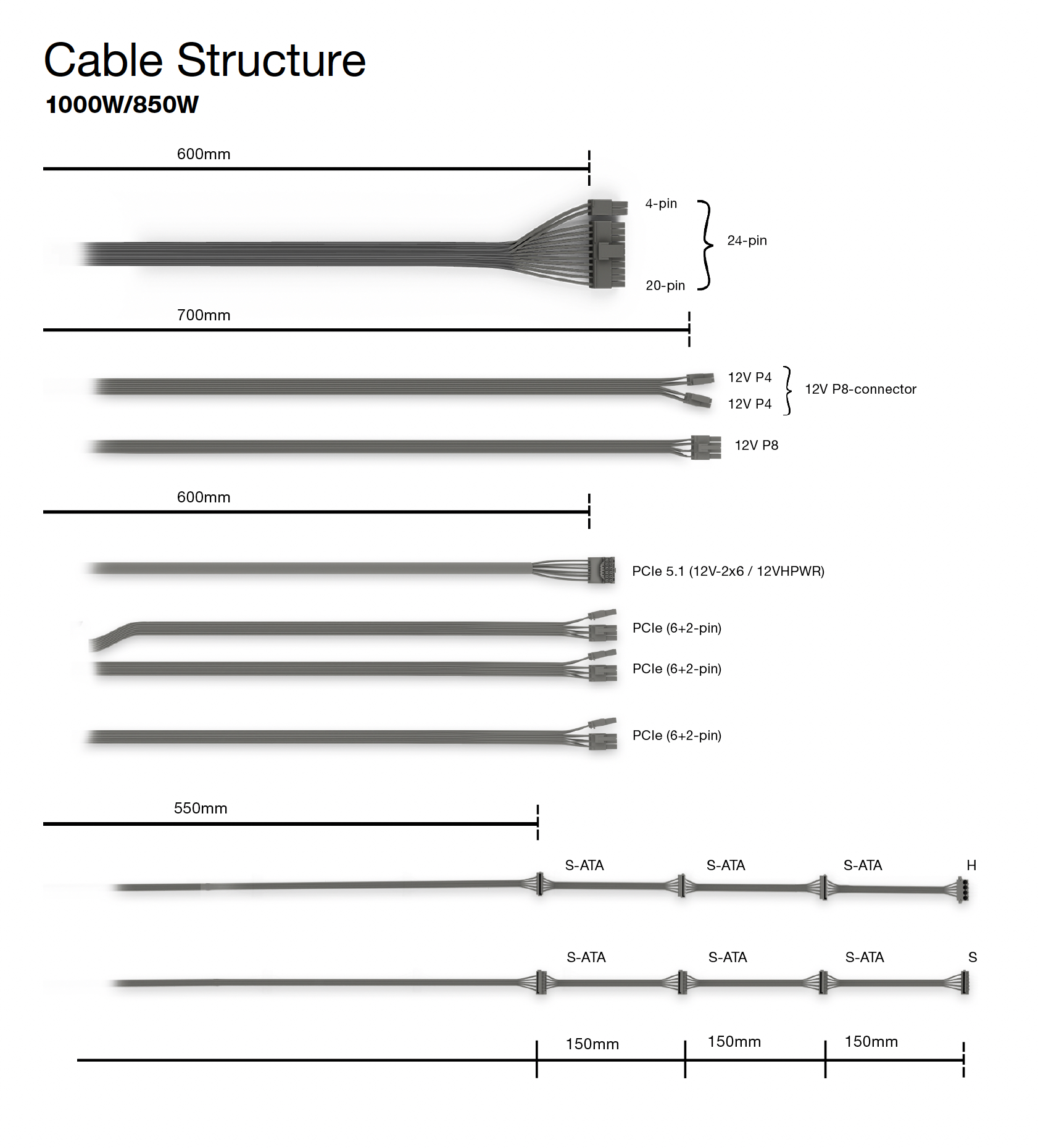
The cable quality is good and there are no in cable capacitors either. The gauge varies between 15-18AWG for the SATA and EPS12V cables. With the ATX connector a 16-22AWG gauge. The 12+4 Pin PCIe connector is 600mm long with a 600 watt rating and its 16-26AWG Gauge.
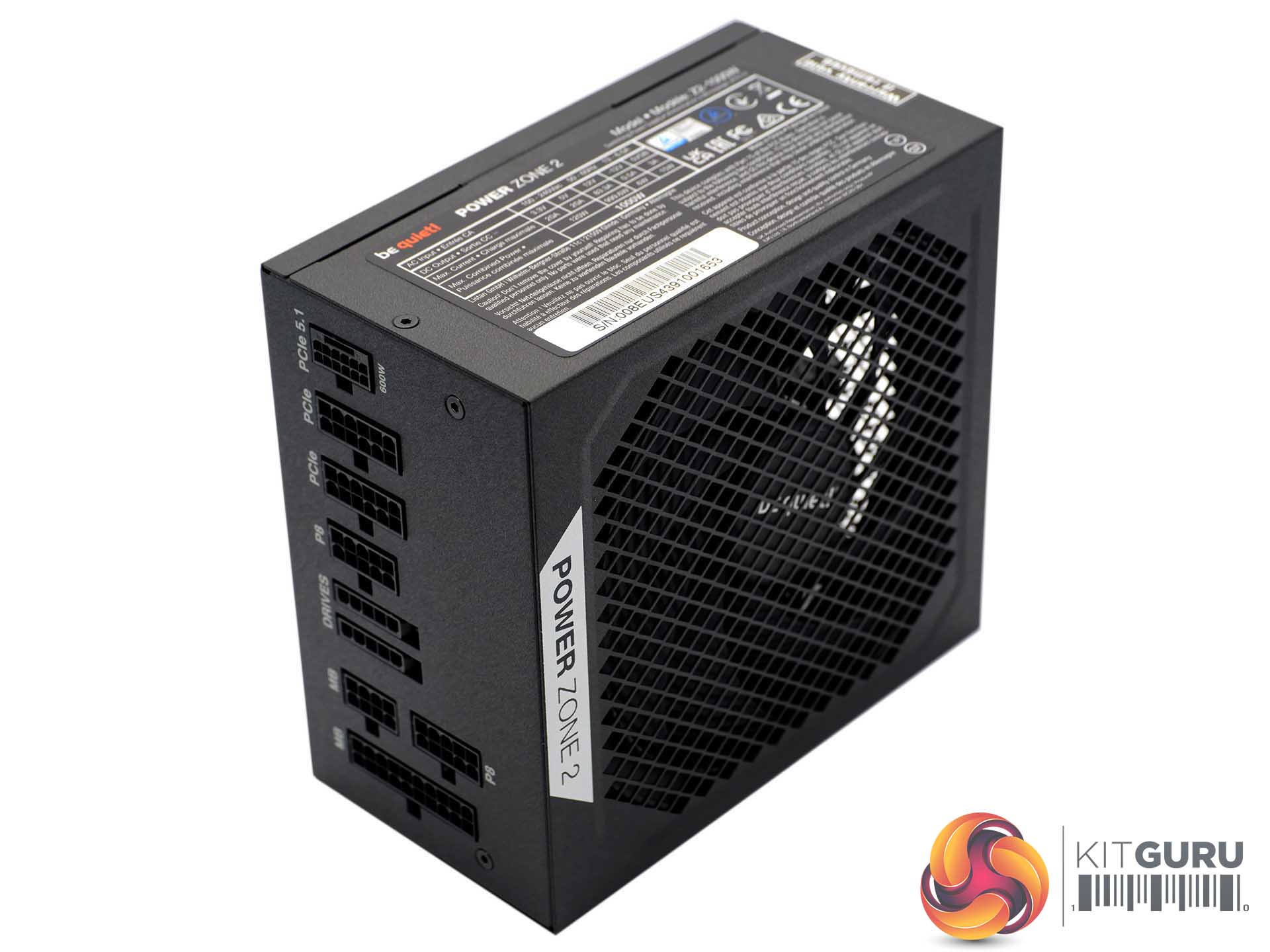
The Power Zone 2 is a nicely finished power supply and is quite resistant to scratching (we know, we accidentally dropped a screwdriver on it, after testing).
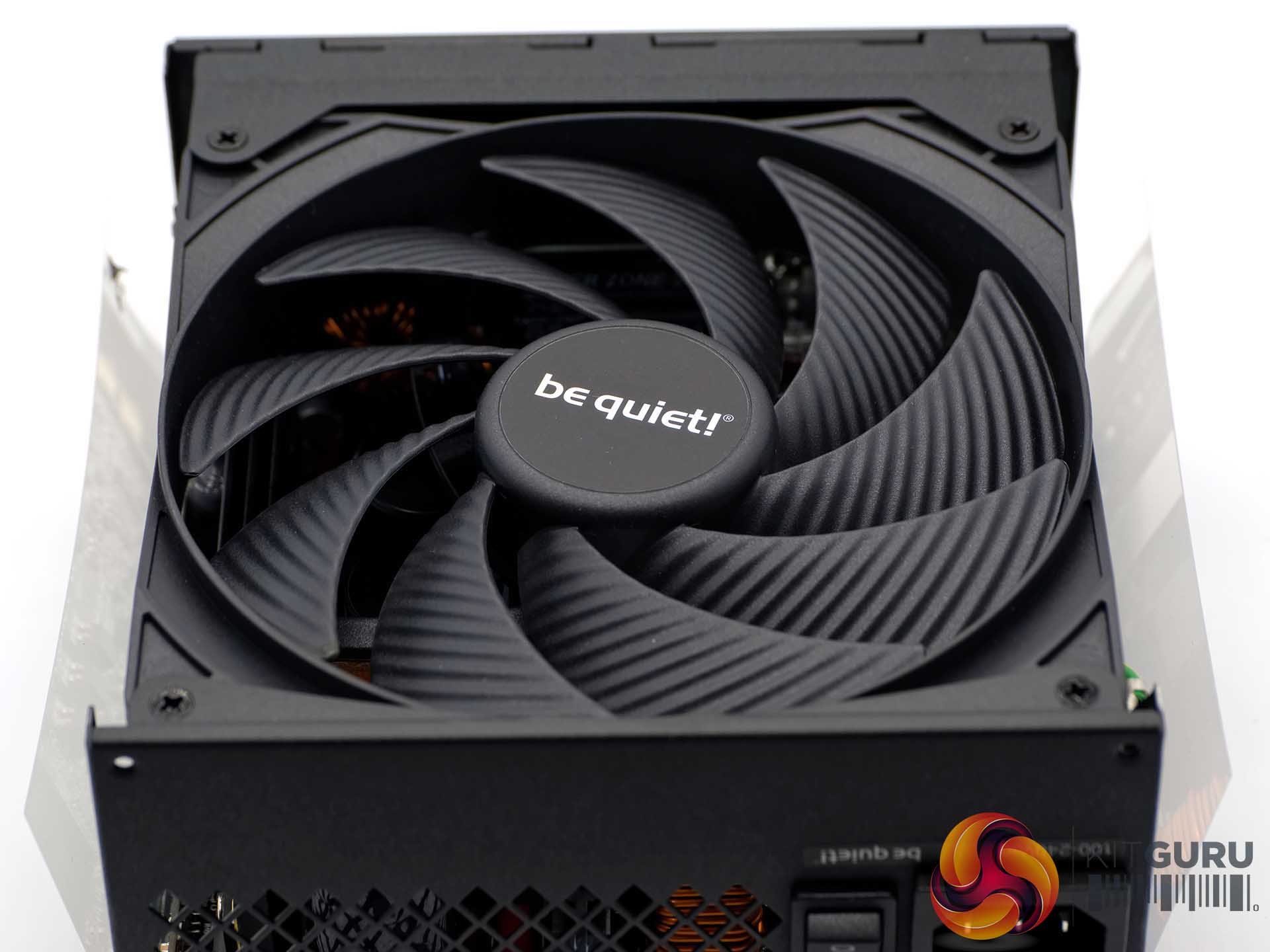
The fan inside is a be quiet! Pure Wings 3 140mm model – these are quality fans. We will take a closer look at this later in the review.
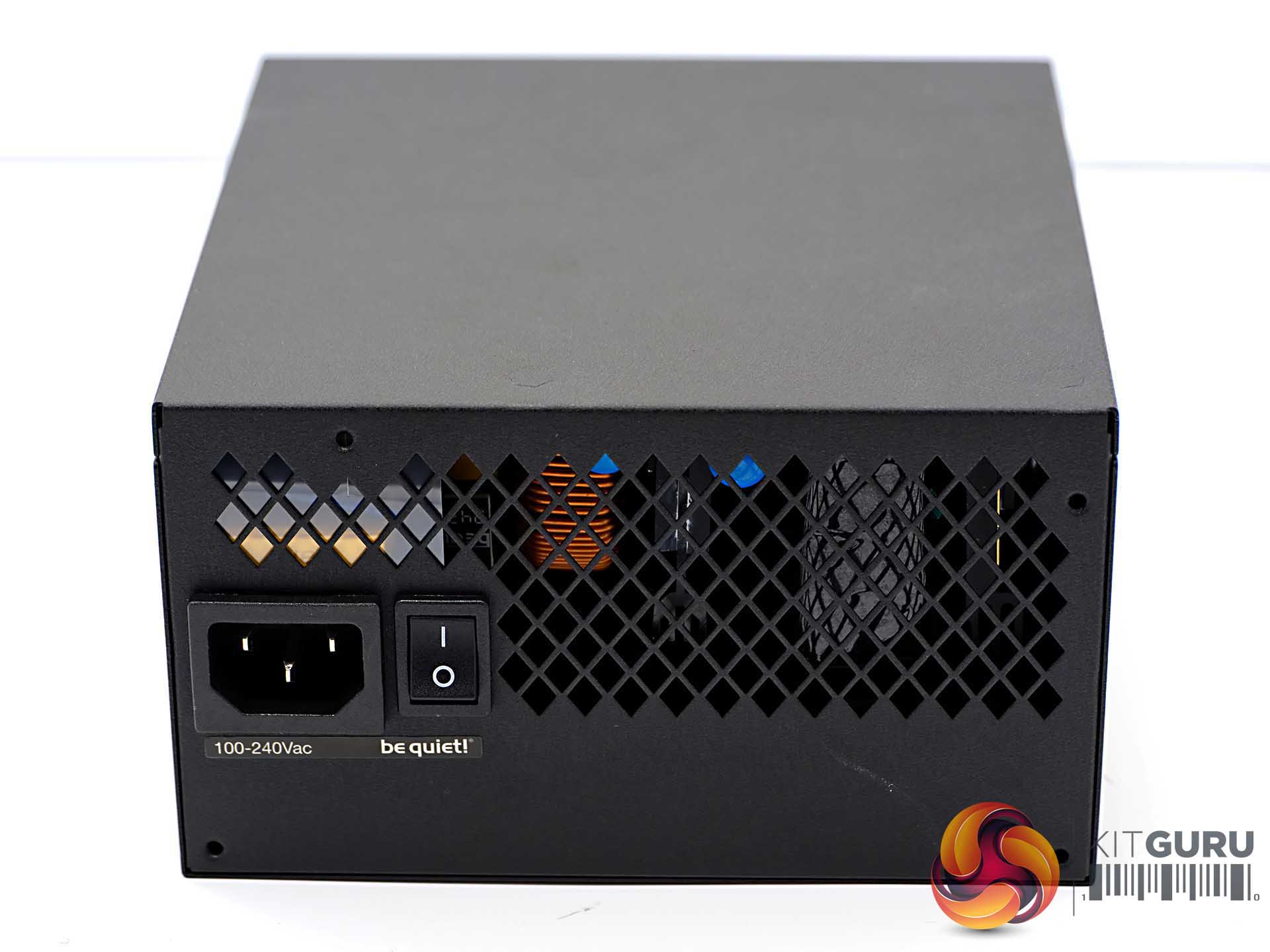
The power side of the unit is home to a switch and power connector. There is also a vented panel to help aid airflow.
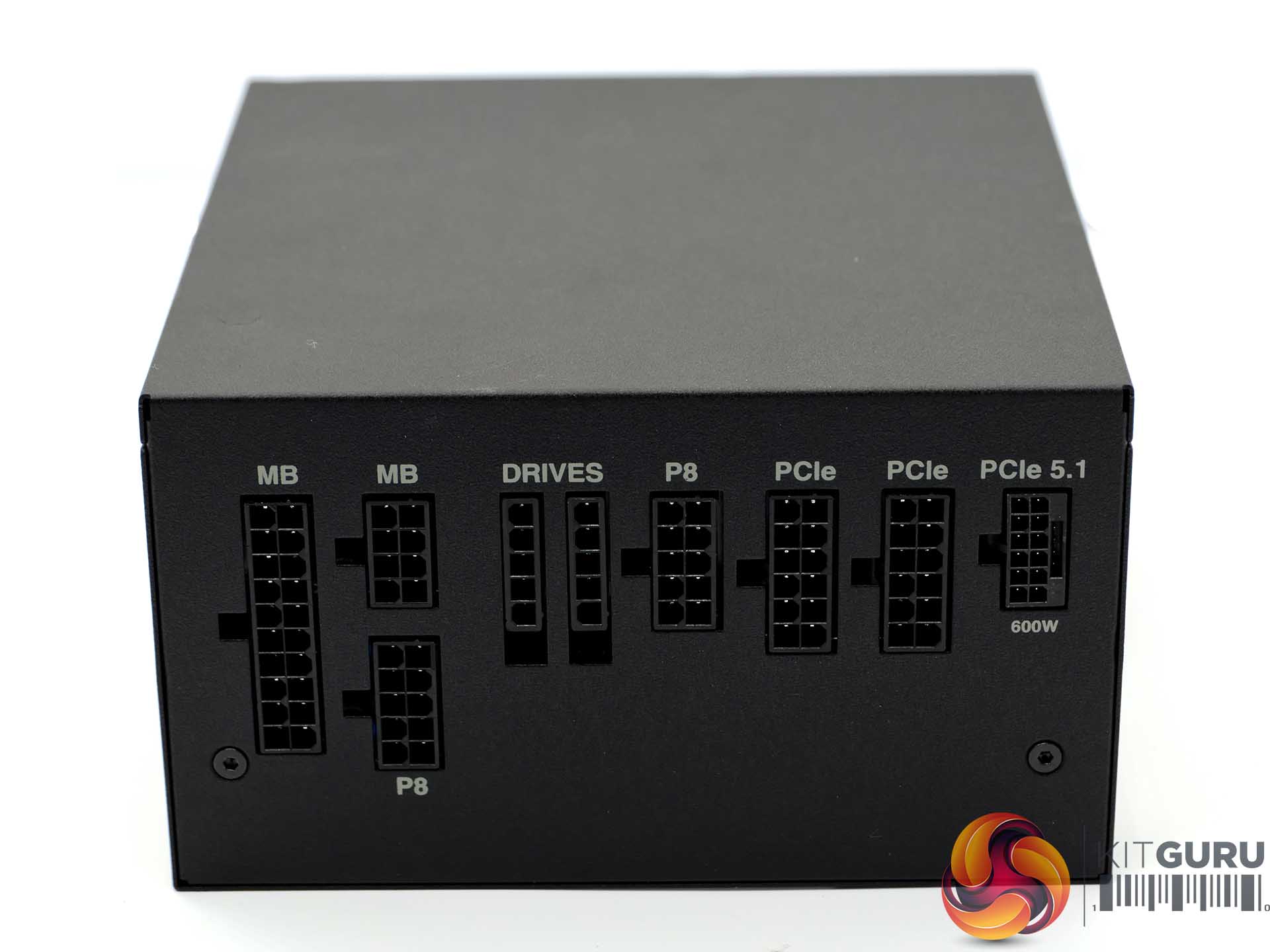
The other side of the supply is home to the modular bay which is vertically stacked with the names of the connector running along the top.
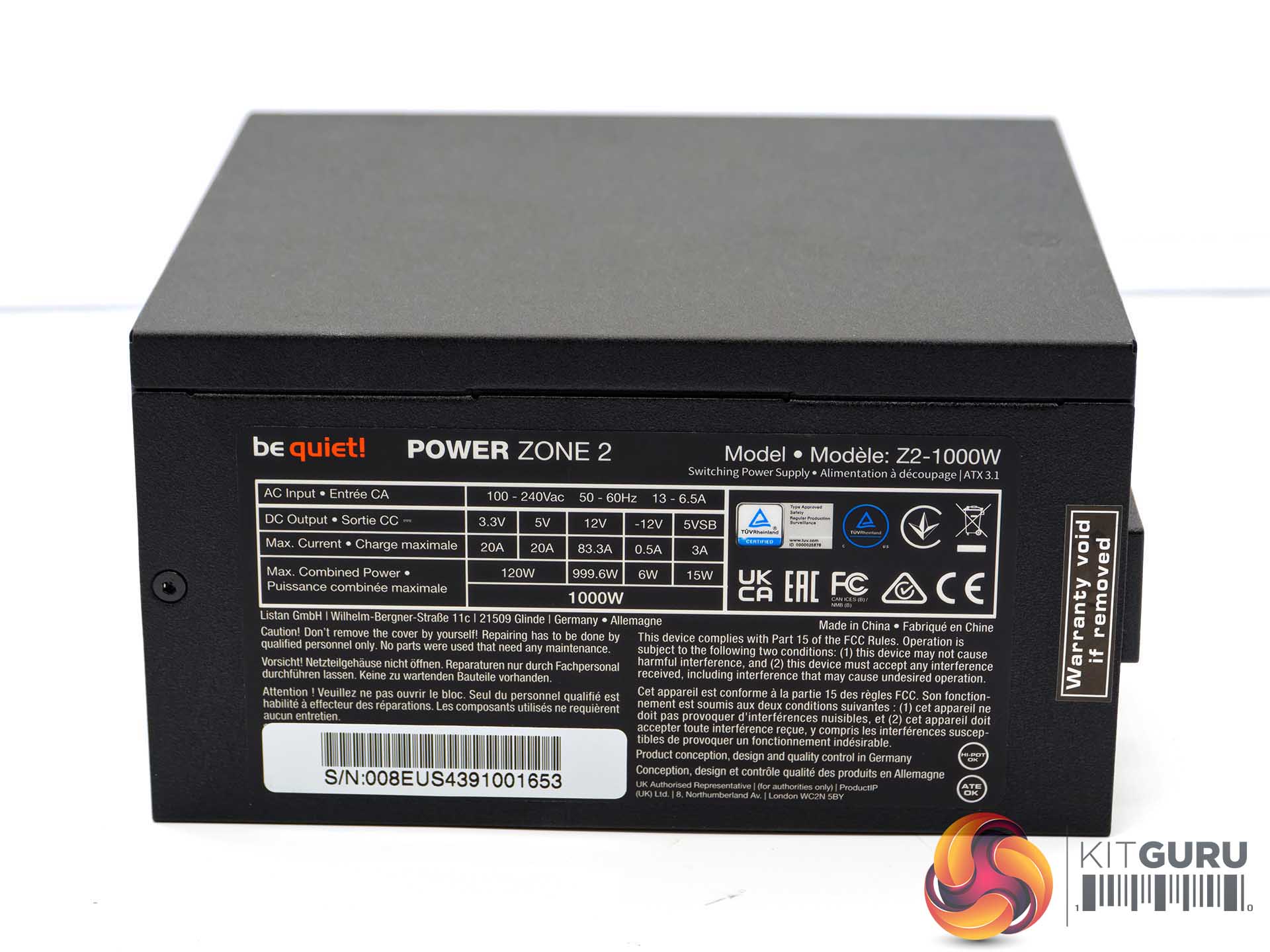
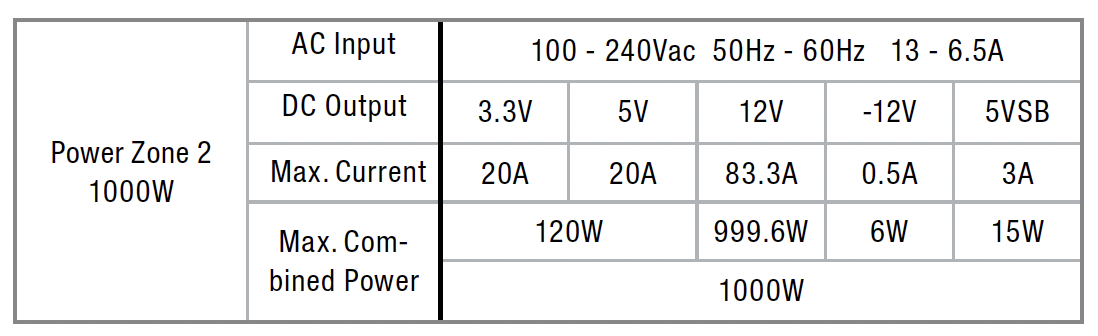
A power delivery of 83.3A for the primary +12V rail with 20A associated with the minor +3.3V and +5V rails is fairly commonplace. It is plenty of power for even the newest Nvidia RTX50 series cards (SEE HERE).
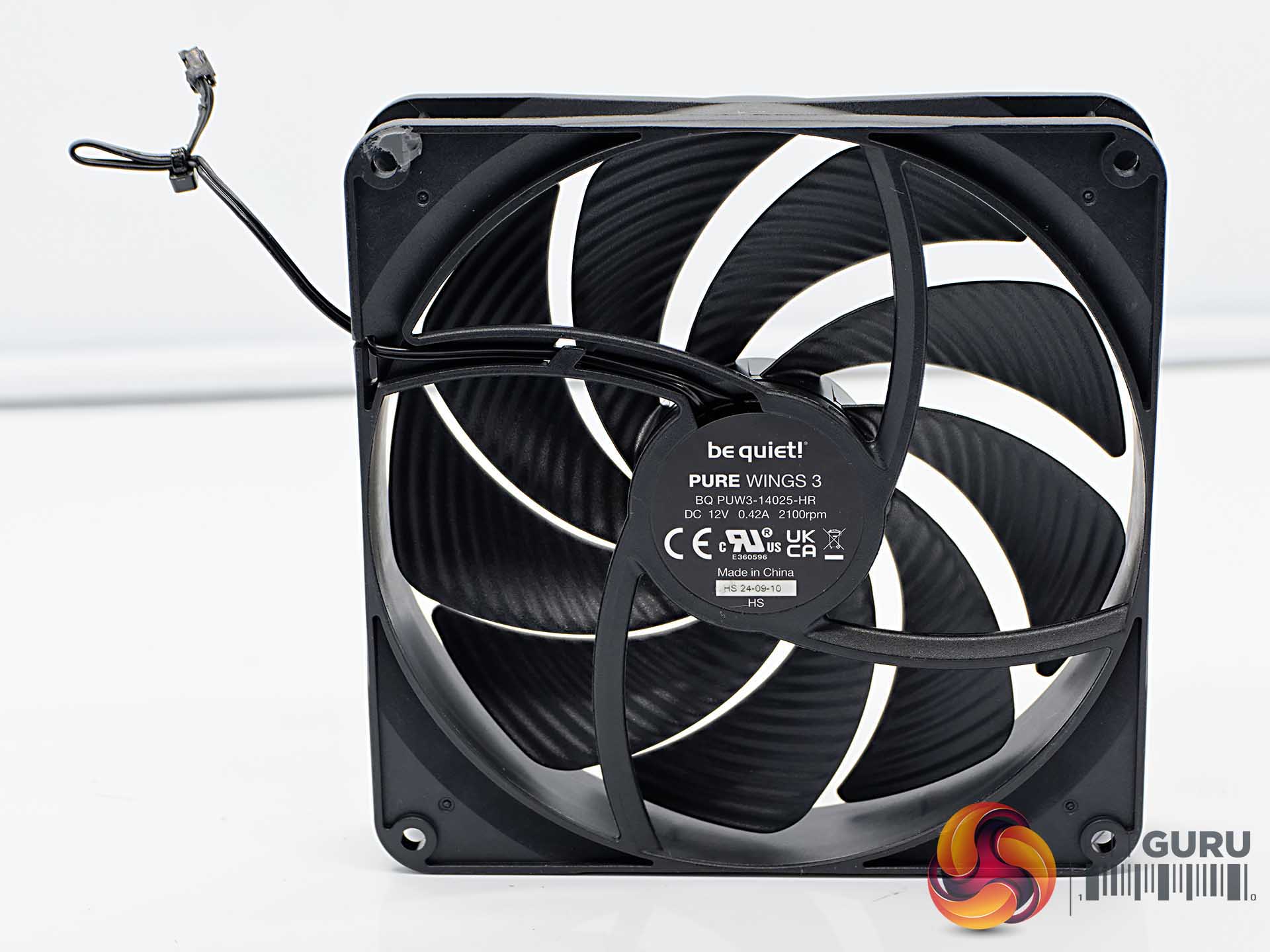
This particular power supply adopts a 140mm Pure Wings 3 fan rated 0.42A, DC12V and with a maximum rotational speed of 2,100rpm. The blade design of this fan is proprietary to be quiet! There are no strips of plastic across the blades to specifically direct the airflow. We noticed when testing that the fan spins for several minutes after the unit is turned off to help with component wear over time. This is a modified fan designed specifically for this application.
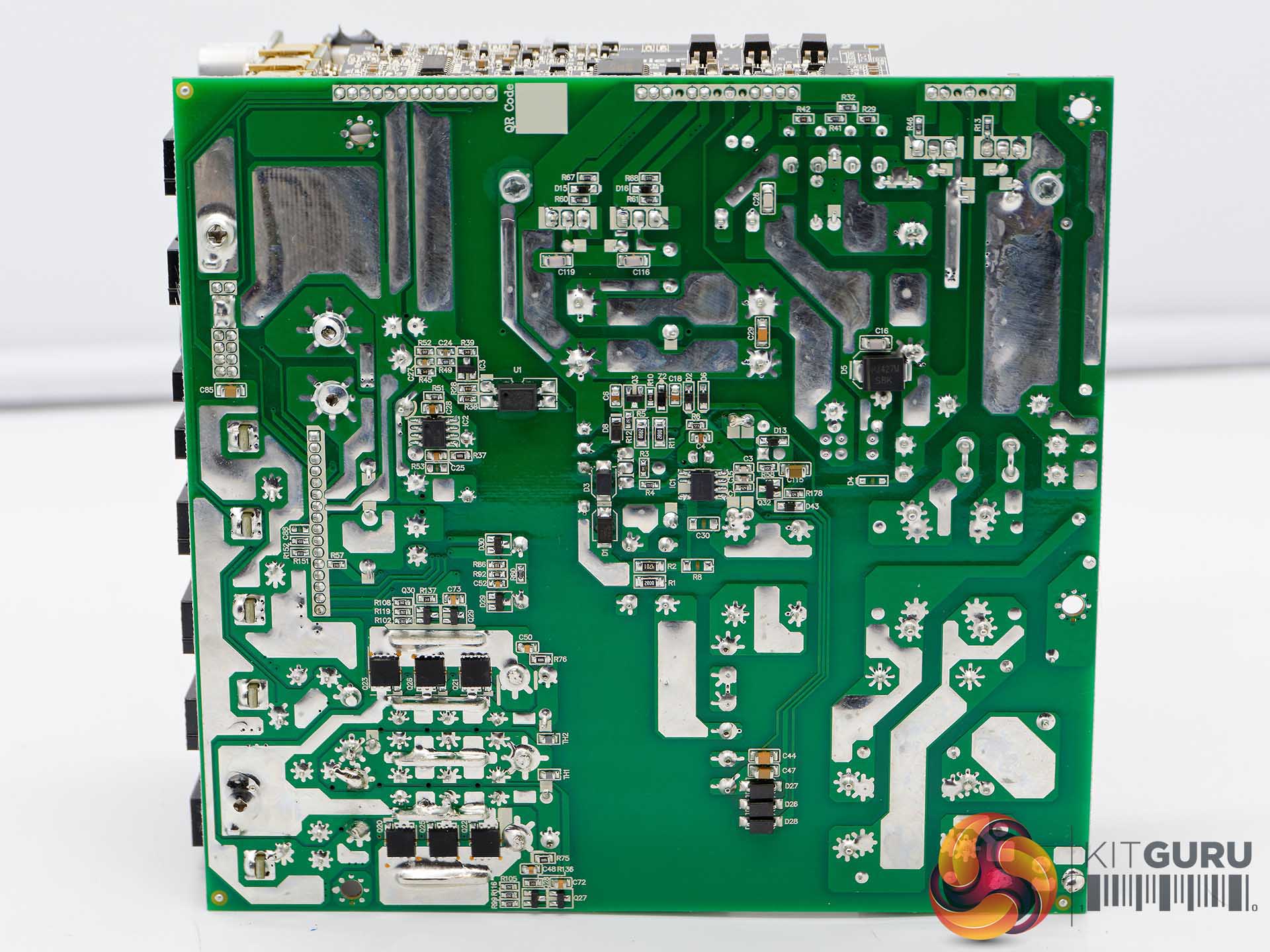
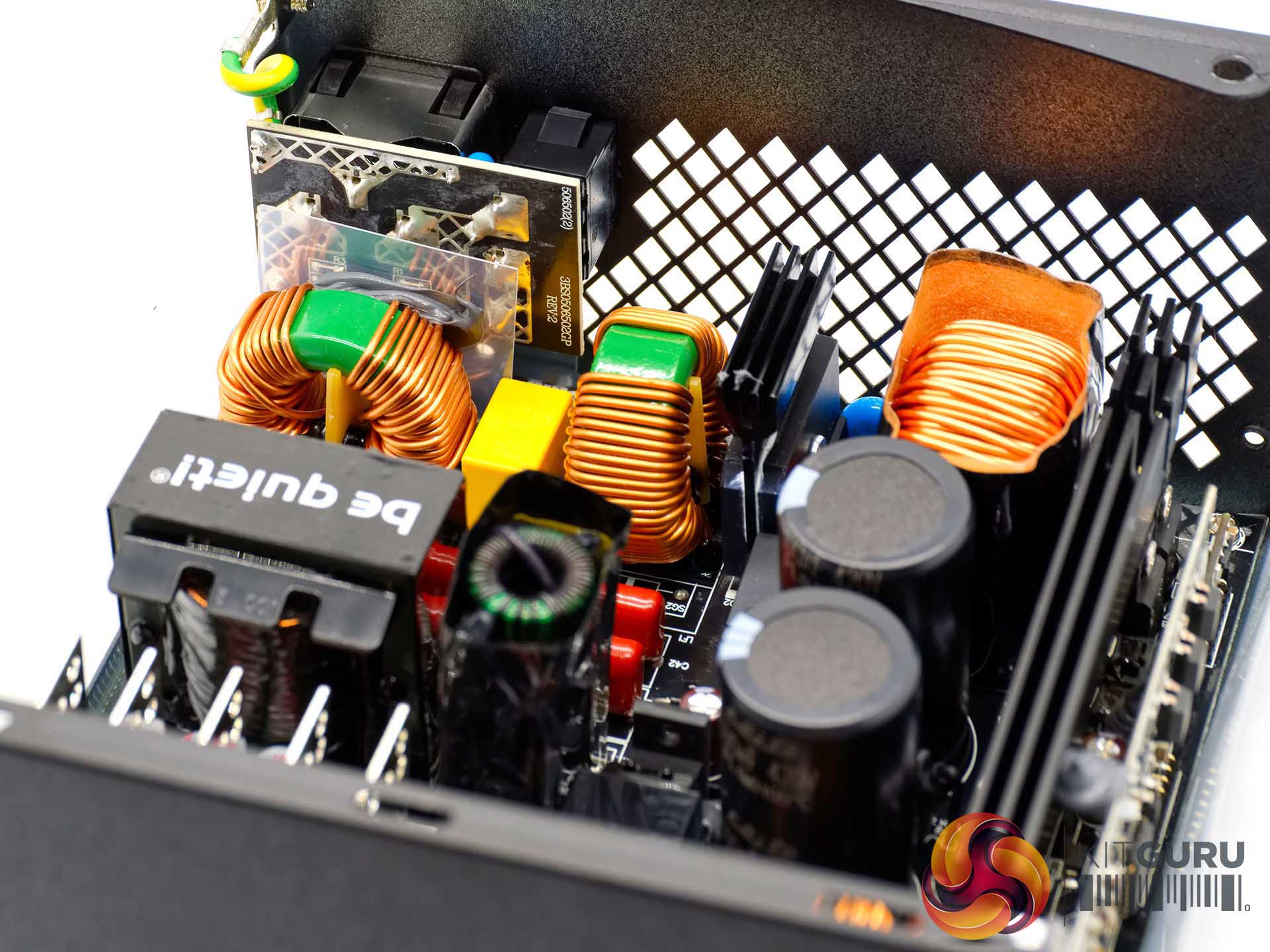
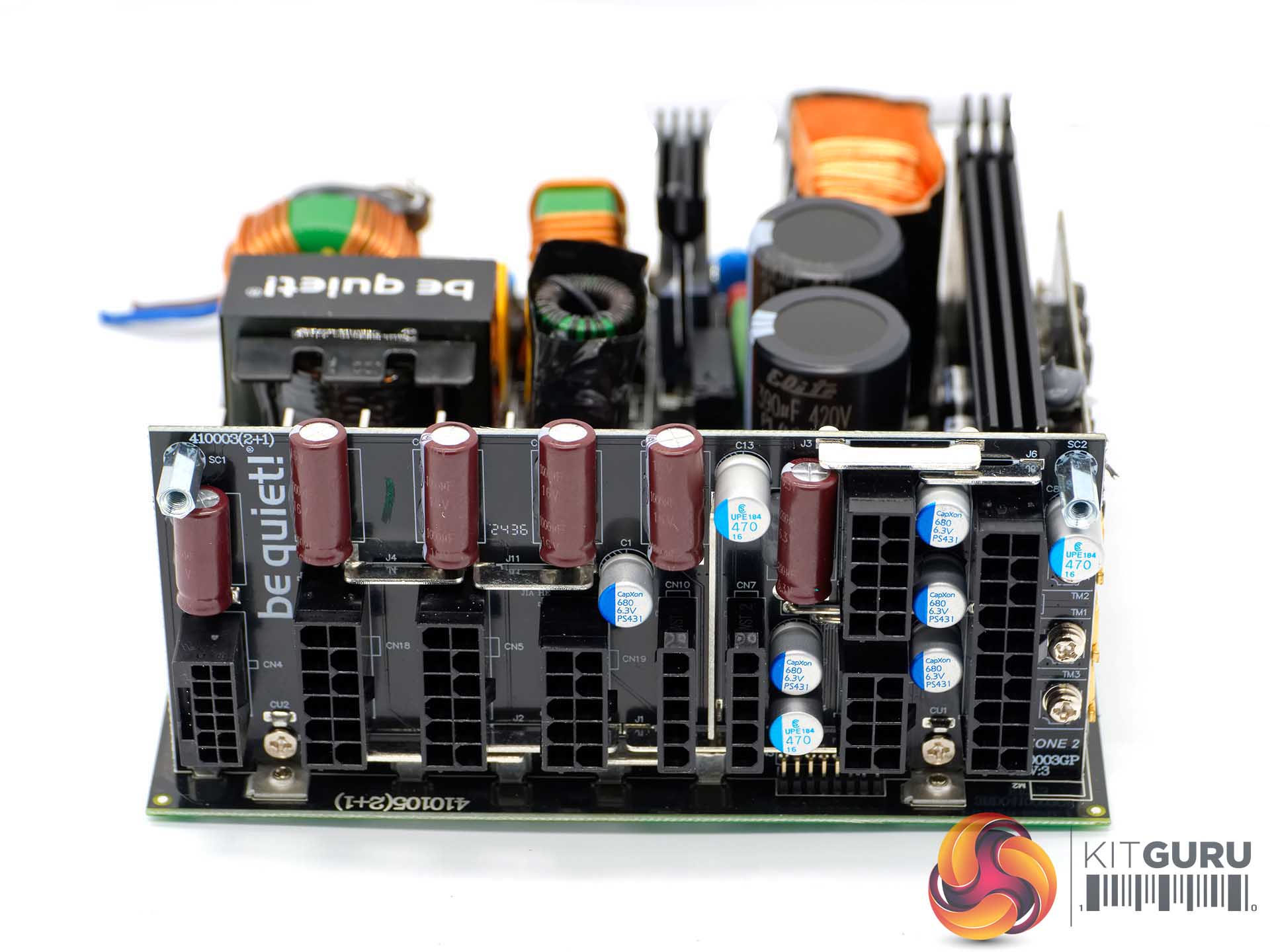
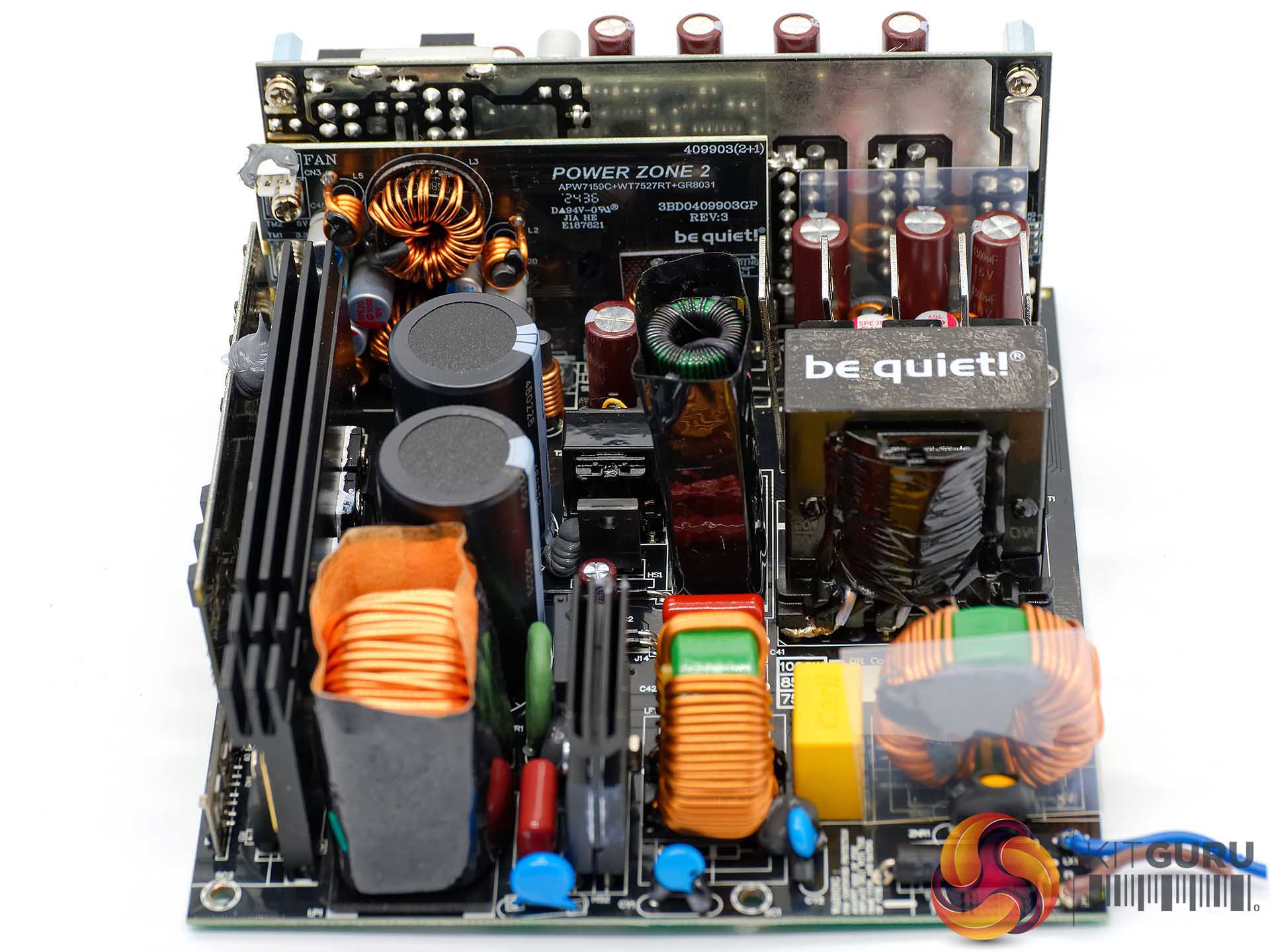
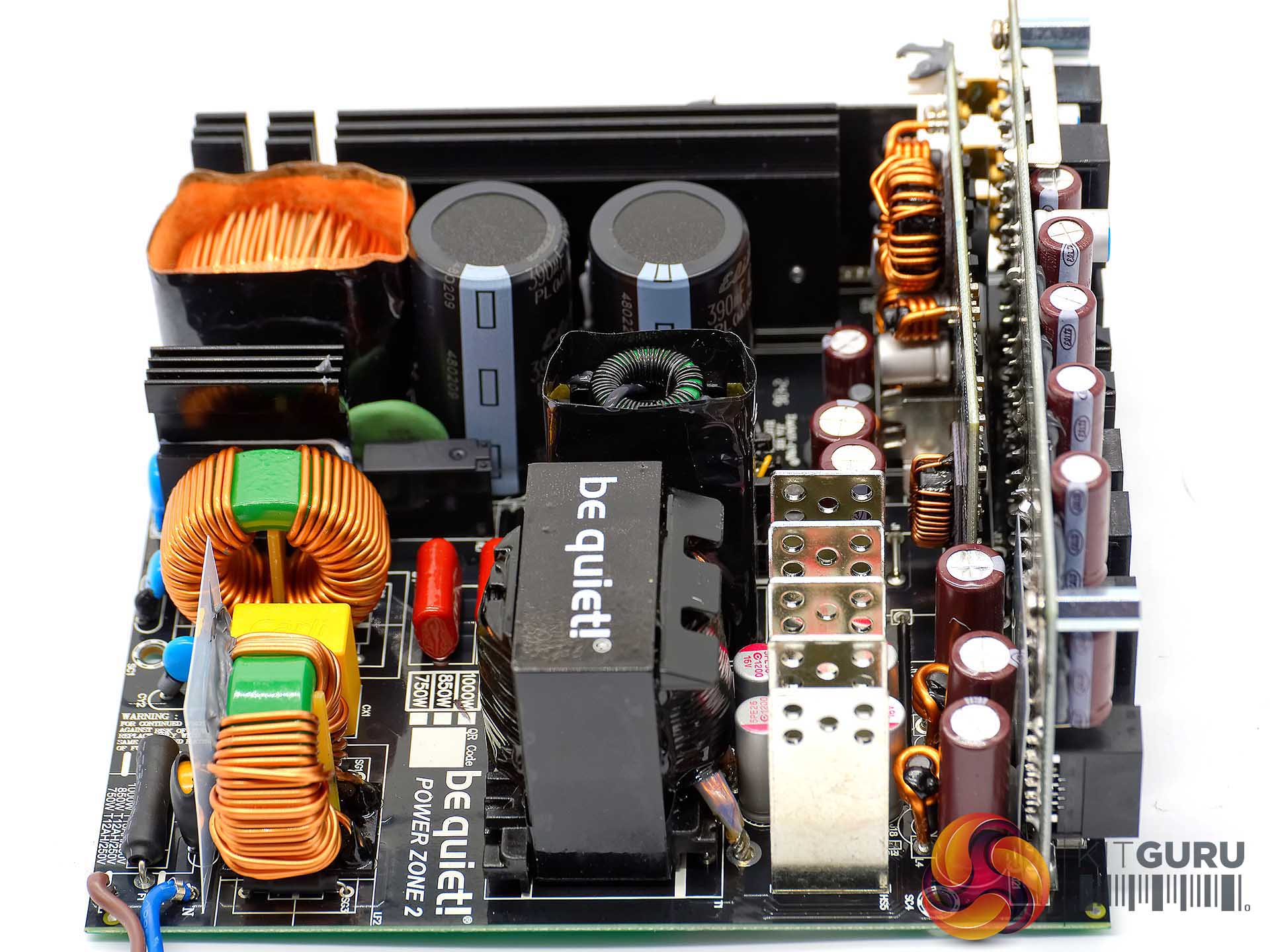
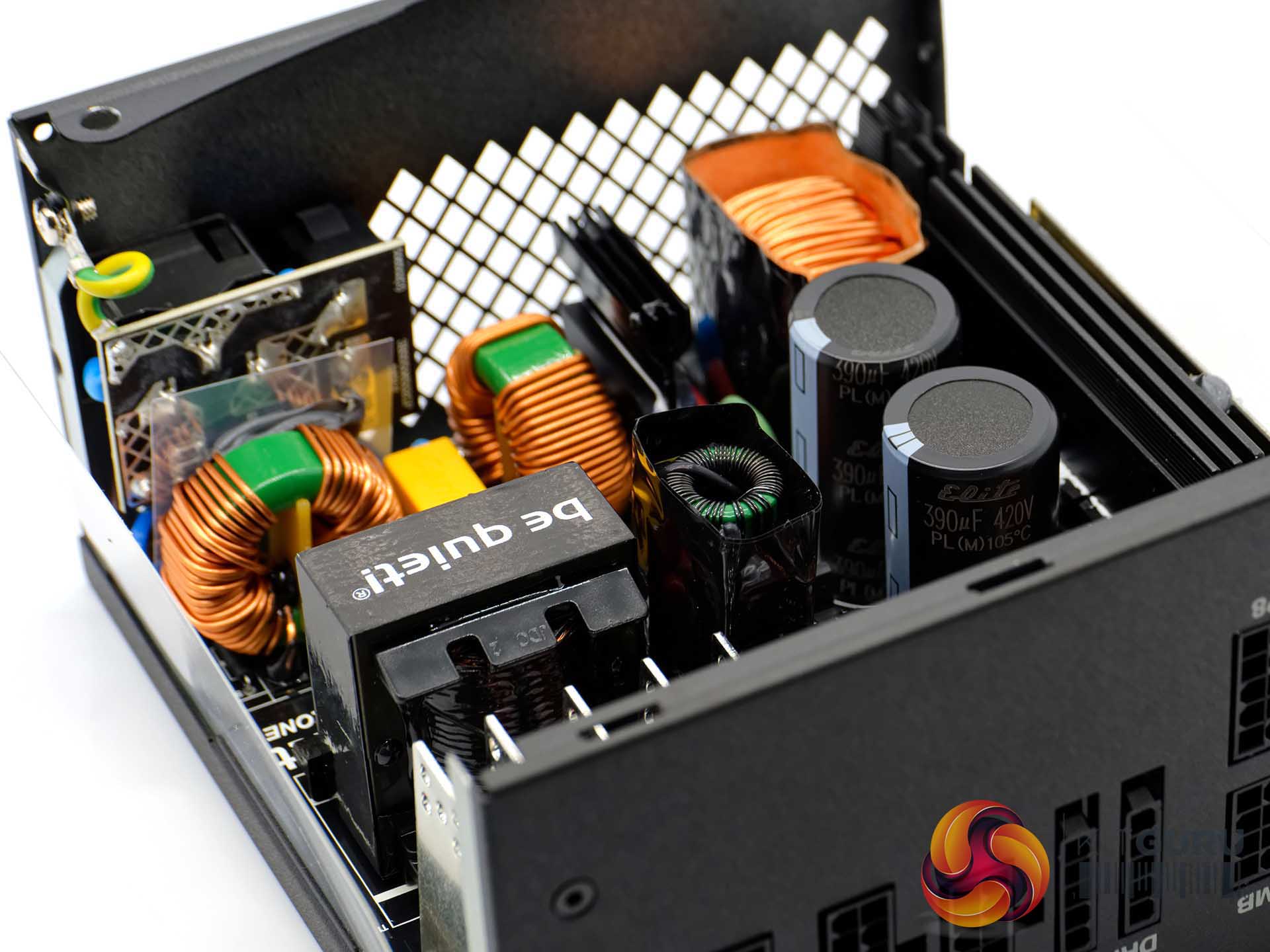
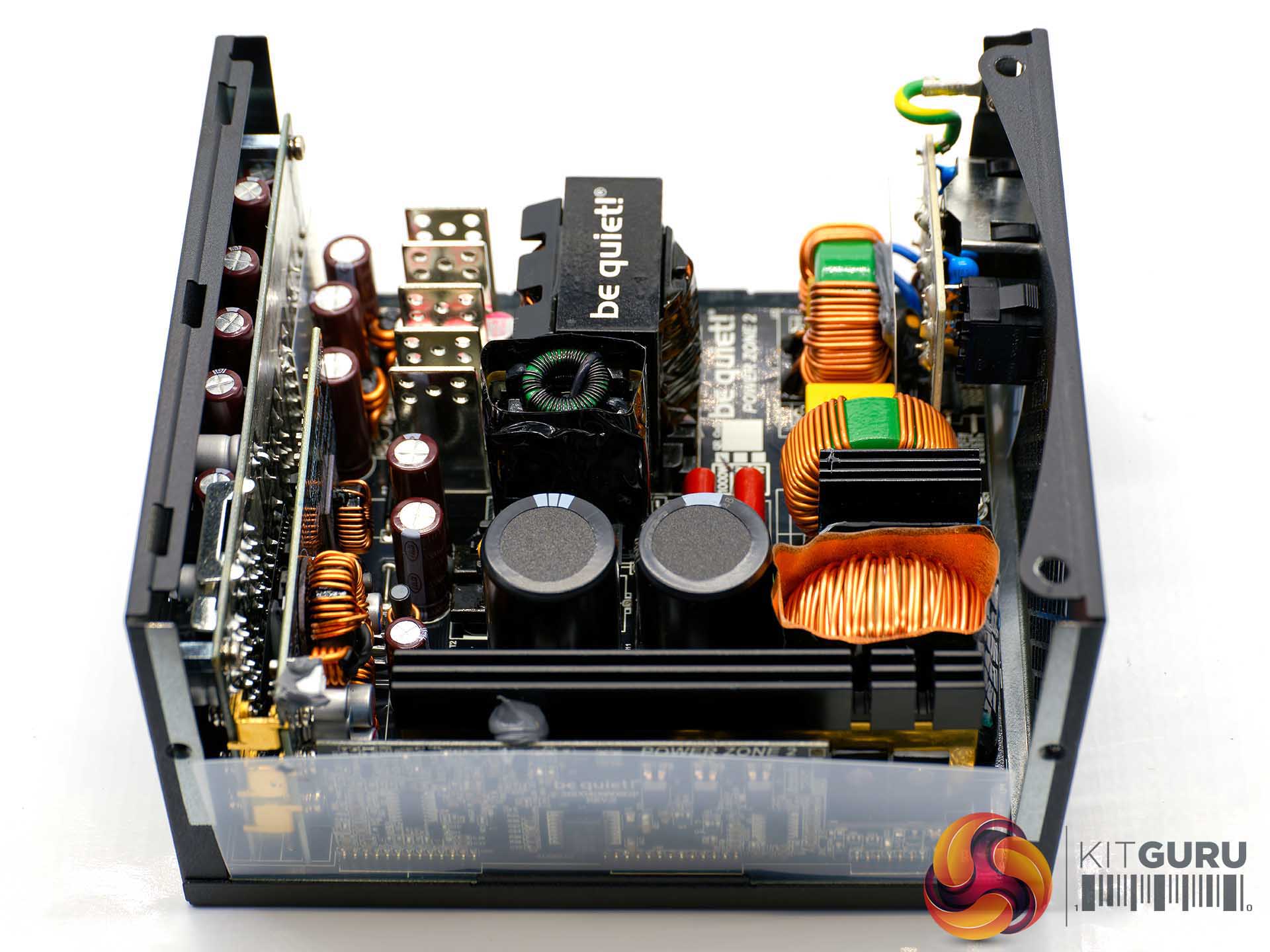
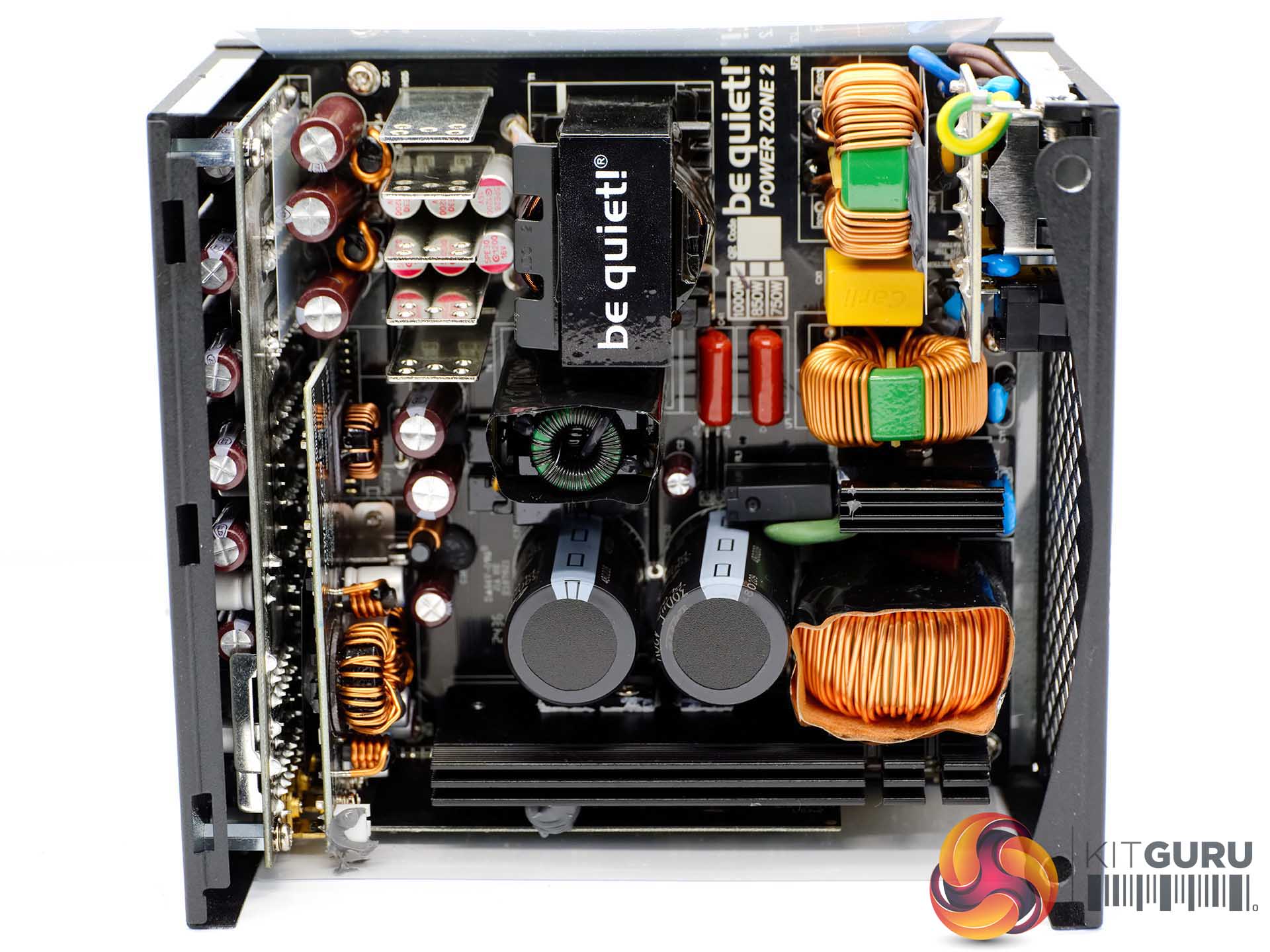
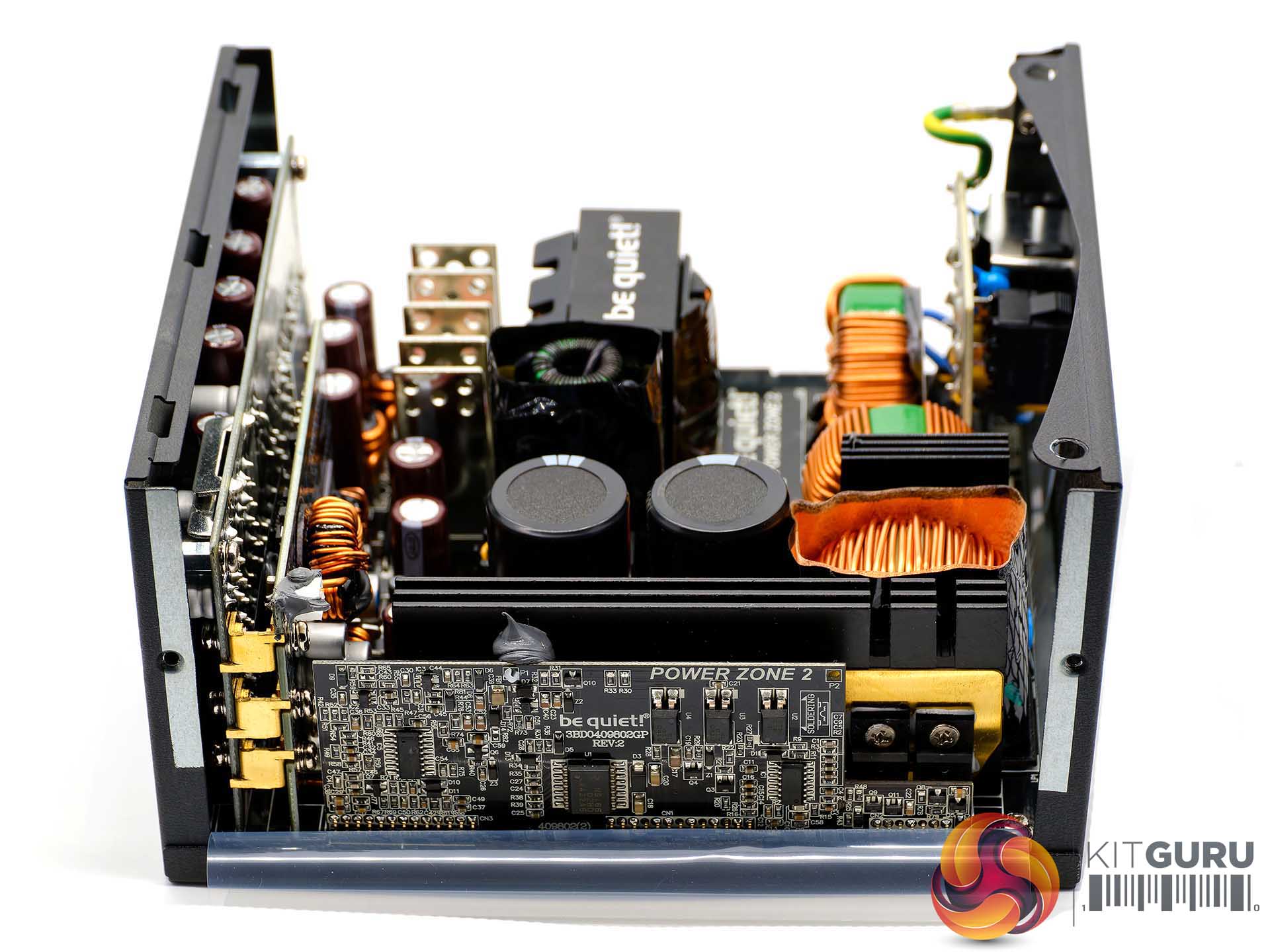
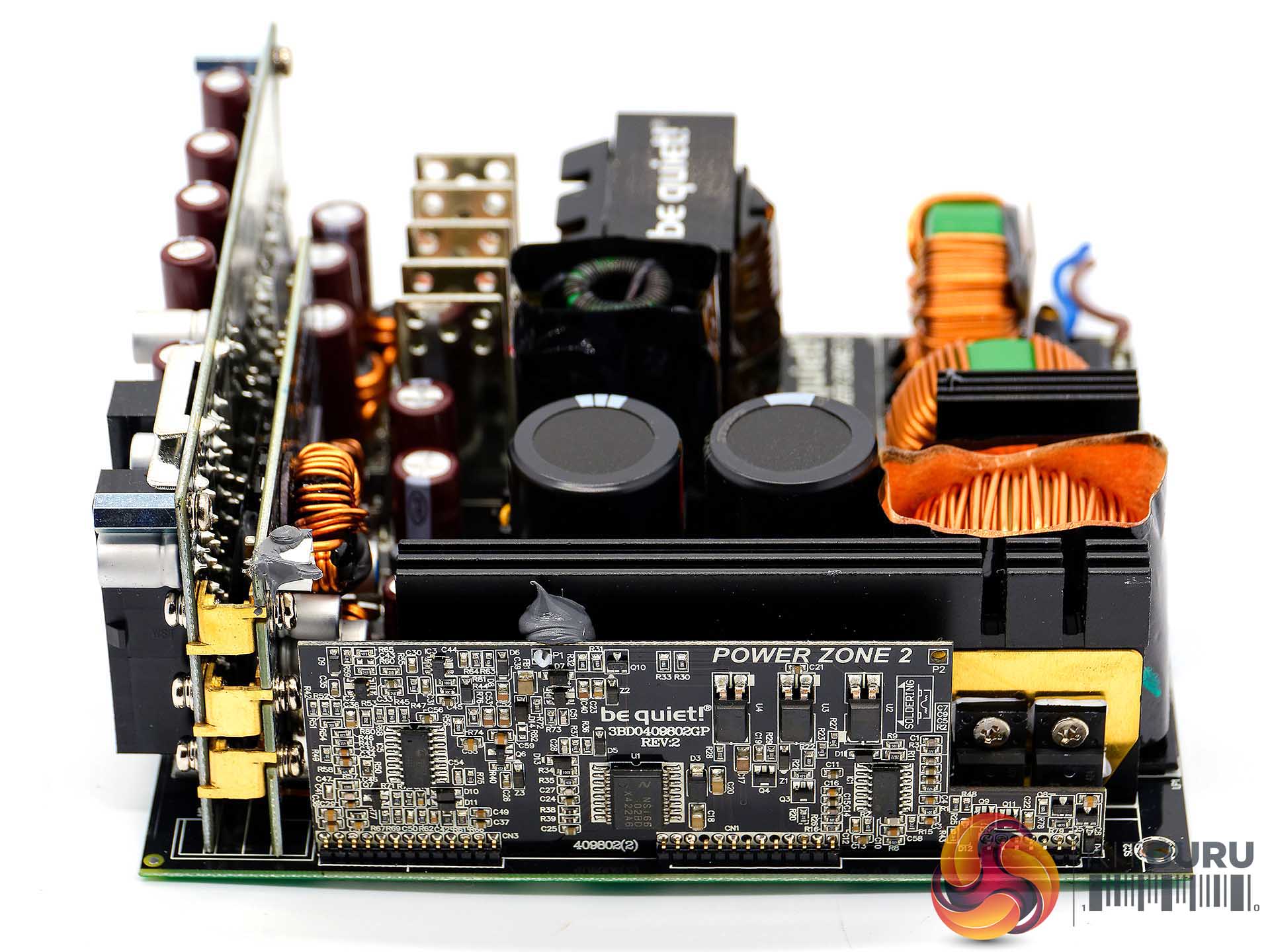
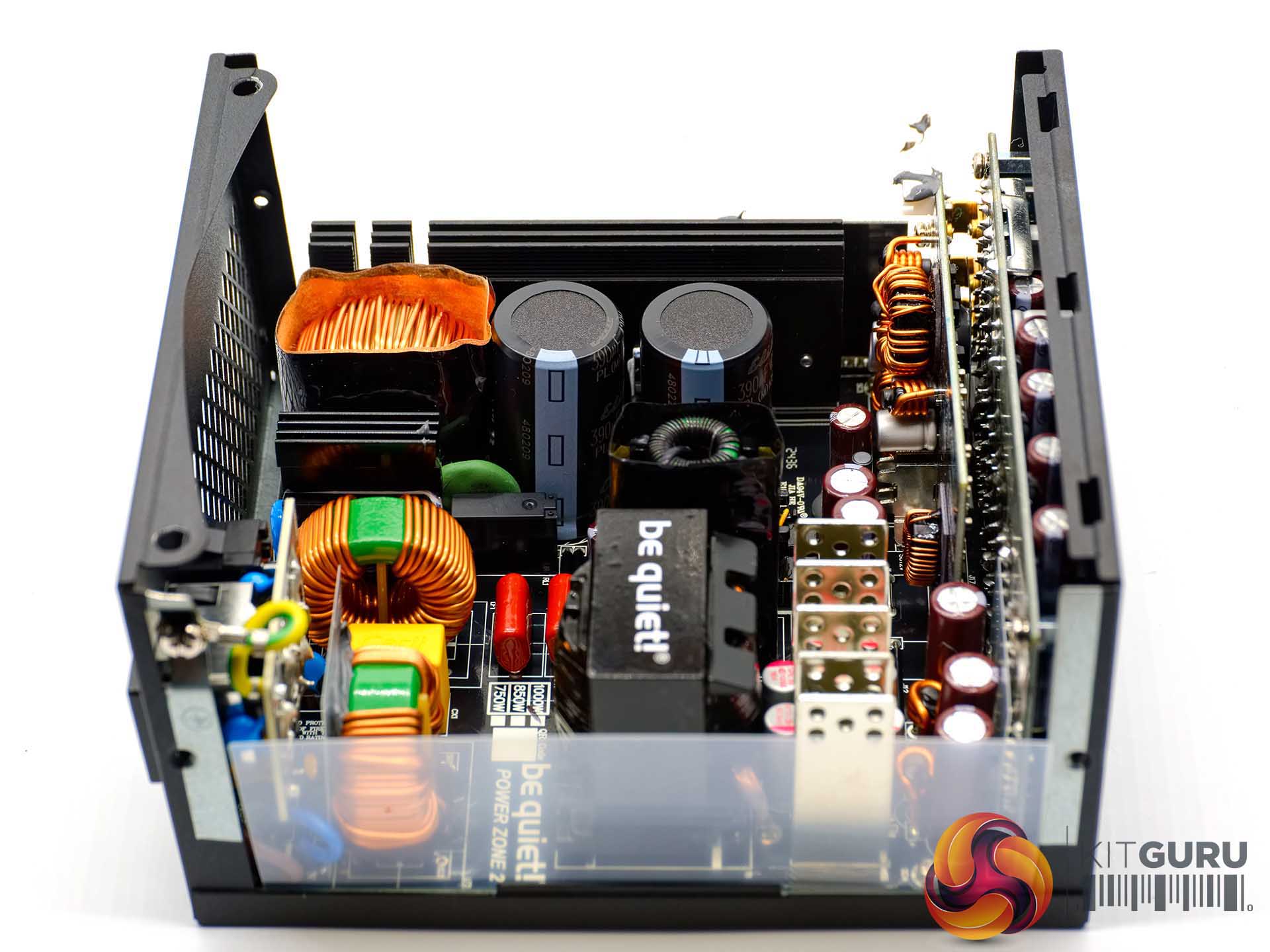
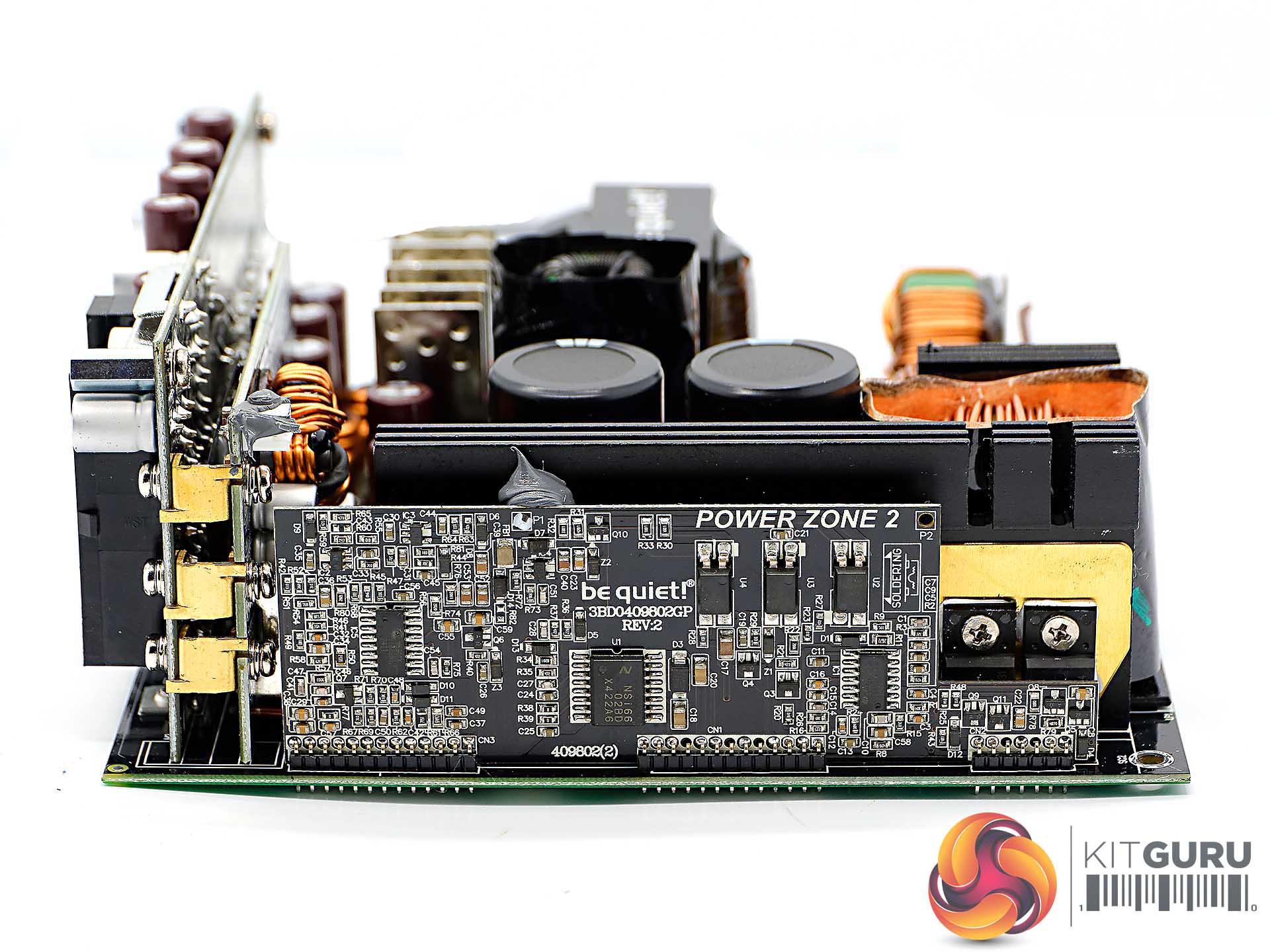
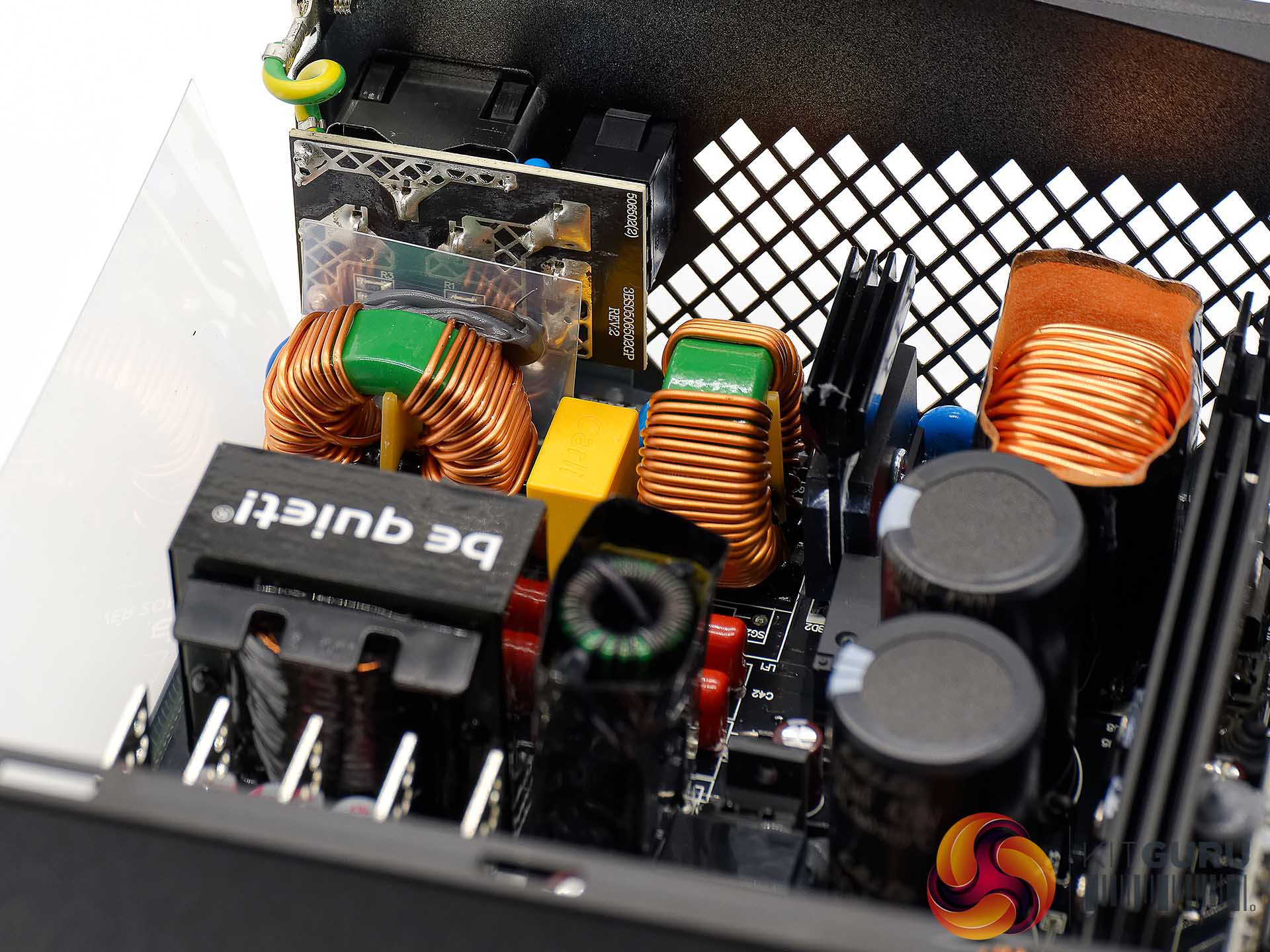
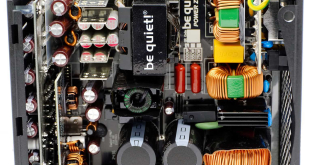
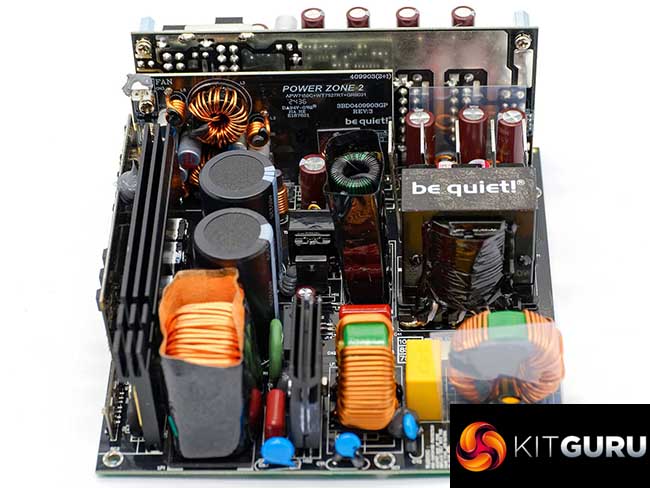
This FSP design is exceptionally clean inside, with superb soldering across the PCB (see images above). There are only a couple of heatsinks across the length of the board.
The topology of this unit is a half bridge LLC with synchronous rectification and DC/DC conversion and it features one single 12V rail. According to be quiet! literature this is the first power supply they have released to be certified with a Cybenetics Platinum efficiency rating. As I have been saying for some time, it is good to see more companies using this certification process as we go forward as the older 80 Plus ratings don't really mean much anymore due to outdated methodology.
I was a little disappointed to see ELITE (Chinsan) capacitors in this unit. I don't have a lot of long term experience with these capacitors as they are not often used in any units I have tested in the last 15 years. They are however a Chinese second tier capacitor – rated at a similar level to brands like Teapo, OST and Toshin Kogyo. I would have expected to see capacitors from a Tier one Japanese company such as Nichicon, Panasonic, Hitachi, Rubyon or Chemi Con in an expensive Platinum rated unit such as this.
The two primary stage capacitors are at least 105c rated @ 390uF 420V each for a total of 780uF.
Correctly testing power supplies is a complex procedure and KitGuru have configured a test bench which can deliver up to a 2,000 Watt DC load.
We test ambient temperatures at 35c in our environment to greater reflect warmer internal chassis conditions.
We use combinations of the following hardware:
• SunMoon SM-268
• CSI3710A Programmable DC load (+3.3V and +5V outputs)
• CSI3711A Programmable DC load (+12V1, +12V2, +12V3, and +12V4)
• Extech Power Analyzer
• Extech MultiMaster MM570 digital multimeter
• SkyTronic DSL 2 Digital Sound Level Meter (6-130dBa)
• Digital oscilloscope (20M S/s with 12 Bit ADC)
• Variable Autotransformer, 1.4 KVA
We test in a single +12V configuration.
|
DC Output Load Regulation
|
||||||||||
|
Combined DC Load |
+3.3V
|
+5V
|
+12V
|
+5VSB
|
-12V | |||||
|
A
|
V
|
A
|
V
|
A
|
V
|
A
|
V
|
A | V | |
|
100W
|
0.90
|
3.33
|
0.90
|
5.01
|
7.35
|
12.06
|
0.50
|
5.01
|
0.20
|
-12.00
|
|
200W
|
1.60
|
3.33
|
1.64
|
5.01
|
15.13
|
12.06
|
1.00
|
5.01
|
0.20
|
-12.01
|
|
500W
|
3.21
|
3.33
|
3.24
|
5.00
|
38.60
|
12.05
|
1.50
|
5.00
|
0.20
|
-12.01
|
| 750W |
4.03
|
3.33
|
4.17
|
5.00
|
58.53
|
12.03
|
2.00
|
5.00
|
0.30
|
-12.00
|
|
1000W
|
5.45
|
3.33
|
5.51
|
5.00
|
78.13
|
12.02
|
2.50
|
5.00
|
0.30
|
-12.01
|
The load regulation of this power supply is very good across the board.
Next we want to try Cross Loading. This basically means loads which are not balanced. If a PC for instance needs 500W on the +12V outputs but something like 30W via the combined 3.3V and +5V outputs then the voltage regulation can fluctuate badly.
The power supply had no problems sustaining at constant 1000W load.
| Cross Load Testing | +3.3V | +5V | +12V | -12V | +5VSB | |||||
| A | V | A | V | A | V | A | V | A | V | |
| 885W | 2.0 | 3.33 | 2.0 | 5.01 | 72.0 | 11.99 | 0.2 | -12.01 | 0.50 | 5.00 |
| 240W | 20.0 | 3.33 | 23.0 | 4.98 | 2.0 | 12.01 | 0.2 | -12.01 | 0.50 | 5.01 |
The Power Zone 2 handled our cross load test very well, holding stable results across the range.
We then used an oscilloscope to measure AC ripple and noise present on the DC outputs. We set the oscilloscope time base to check for AC ripple at both high and low ends of the spectrum. ATX12V V2.2 specification for DC output ripple and noise is defined in the ATX 12V power supply design guide.
|
ATX12V Ver 2.2 Noise/Ripple Tolerance
|
|
|
Output
|
Ripple (mV p-p)
|
|
+3.3V
|
50
|
|
+5V
|
50
|
|
+12V1
|
120
|
|
+12V2
|
120
|
|
-12V
|
120
|
|
+5VSB
|
50
|
Obviously when measuring AC noise and ripple on the DC outputs, the cleaner (less recorded/lower) means we have a better end result. We measured this AC signal amplitude to see how closely the unit complied with the ATX standard.
| AC Ripple (mV p-p) | ||||
| DC Load | +3.3V | +5V | +12V | 5VSB |
| 100W | 15 | 14 | 20 | 16 |
| 250W | 15 | 16 | 23 | 18 |
| 500W | 18 | 17 | 35 | 19 |
| 750W | 20 | 18 | 39 | 20 |
| 1000W | 21 | 19 | 55 | 20 |
While this unit passes the noise and ripple tolerance rated industry rated parameters, it is higher than many we have tested in the last year. Both +3.3V and +5V rails peak at around 20mV and the +12V rail hits a maximum of around 55mV. Nothing to be concerned about, but this unit falls behind many in this sector in regards to class leading ripple suppression.
|
Efficiency (%)
|
|
|
100W
|
91.5
|
|
250W
|
92.4
|
|
500W
|
94.2
|
|
750W
|
93.7
|
|
1000W
|
91.8
|
The efficiency results are excellent, peaking slightly over 94% at around 50% load. This drops to around 91.8% efficiency at full load.
We take the issue of noise very seriously at KitGuru and this is why we have built a special home brew system as a reference point when we test noise levels of various components. Why do this? Well this means we can eliminate secondary noise pollution in the test room and concentrate on components we are testing. It also brings us slightly closer to industry standards, such as DIN 45635.
Today to test the Power Supply we have taken it into our acoustics room environment and have set our SkyTronic DSL 2 Digital Sound Level Meter (6-130dBa) one meter away from the unit. We have no other fans running so we can effectively measure just the noise from the unit itself.
As this can be a little confusing for people, here are various dBa ratings in with real world situations to help describe the various levels.
KitGuru noise guide
10dBA – Normal Breathing/Rustling Leaves
20-25dBA – Whisper
30dBA – High Quality Computer fan
40dBA – A Bubbling Brook, or a Refrigerator
50dBA – Normal Conversation
60dBA – Laughter
70dBA – Vacuum Cleaner or Hairdryer
80dBA – City Traffic or a Garbage Disposal
90dBA – Motorcycle or Lawnmower
100dBA – MP3 Player at maximum output
110dBA – Orchestra
120dBA – Front row rock concert/Jet Engine
130dBA – Threshold of Pain
140dBA – Military Jet takeoff/Gunshot (close range)
160dBA – Instant Perforation of eardrum
|
Noise (dBA)
|
|
|
100W
|
<28.0
|
|
250W
|
<28.0
|
|
500W
|
31.8
|
|
750W
|
34.3
|
| 1000W | 37.2 |
Our general testing environment generates a little noise, however the fan remains relatively quiet below 500 watts load. At a consistent load of around 600 watts in our environment we started to notice rising fan noise and at full load the fan is clearly audible. I wouldn't say this was the quietest unit if you are pushing it to 800+ watt load on a consistent basis, but for most gaming systems requiring a 500-600 watt load, the fan is relatively unobtrusive. The unit does push a lot of airflow however, which is good if you live in a warmer, more humid environment.
|
Temperature (c)
|
||
|
Intake
|
Exhaust
|
|
|
100W
|
37
|
41
|
|
250W
|
38
|
44
|
|
500W
|
40
|
52
|
|
750W
|
45
|
56
|
|
1000W
|
46
|
61
|
Temperatures inside the chassis are pretty good – even at full load there are no real issues to be concerned about. The fan gets quite active at higher loads so there is always plenty of airflow pushing warm air outside the case.
As mentioned earlier it has been some time since i looked at a new be quiet! power supply, and the Power Zone 2 1000 watt unit has performed admirably in our testing over the previous week.
The exterior appearance of the unit is excellent, be quiet! are using quality materials for the outer shell which is particularly resistant to fingerprints and light scratches. I like the overall aesthetic of the unit and the modular bay is nicely laid out across vertically mounted ports from left to right.
be quiet! have partnered up with FSP for the OEM design of this unit and technically it is a capable supply with a focus on power efficiency. A result exceeding 94 percent in our testing places this unit in the upper echelons of PSU efficiency in the last year and it was able to deliver well in excess of 1000 watts for the most powerful graphics cards on the market today.
Load regulation from the Power Zone 2 is excellent, and it handled our tricky crossover test without any concerns. The high quality Pure Wings 3 ensures that plenty of airflow can be pushed throughout the chassis without a cacophony of fan noise below 800 watts. be quiet! are known to produce some of the best fans, however I do feel they could have perhaps tweaked the fan to run a little less aggressively as loads rise above 750 watts.
There is room for further improvement – I was somewhat disappointed to see two lower grade Chinese ELITE capacitors used in the primary stage and while I don't have an updated track record of failure rates I would not be expecting to see ‘Tier two' capacitors adopted into a Platinum rated power supply from a leading brand such as be quiet! in 2025. We should be documenting the adoption of Japanese branded Panasonic, Nippon Chemi Con, Nichicon or Rubycon caps in a power supply at this level. At least they are 105c rated, so that is something.
Ripple suppression was also a little higher than what I would expect from a unit such as this. Not that the results were problematic – because they all fell well within industry rated parameters, however they were noticeably higher than many units I have reviewed in the last couple of years. This is not going to be an issue for an end user, but it is something I wanted to point out regardless. These could have been better managed.
Pricing of this unit is set at $189.90/€189.90/£179.99. In today's market there is so much competition, but I feel at this price you do get a lot for your money. £180 for a 1000 W Platinum rated power supply is actually relatively competitive, as we have seen some 1000W Platinum units from the likes of ASUS for instance retailing at over £300 (HERE).
For peace of mine be quiet! are backing the Power Zone 2 1000 watt power supply with a full 10 year warranty. Its a little less than the leading 12 year warranty you get from the likes of Seasonic in this sector, but it is still excellent.
Pros:
- Platinum power efficiency levels confirmed.
- High fan quality – great airflow.
- Superb build quality.
- Fully Modular.
- 105c rated capacitors.
- 10 year warranty.
- fan design remains on to cool components after switching off.
- competitive pricing for a 1000W Platinum rated supply.
Cons:
- Chinese branded primary capacitors.
- Ripple suppression while within safe parameters, could be better.
Kitguru says: The be quiet! Power Zone 2 power supply is a very competitively priced Platinum rated unit incorporating a class leading fan design. Build quality is at the highest levels and it comes very highly recommended due to the all round stable, clean power delivery.