KitGuru KitGuru.net – Tech News | Hardware News | Hardware Reviews | IOS | Mobile | Gaming | Graphics Cards


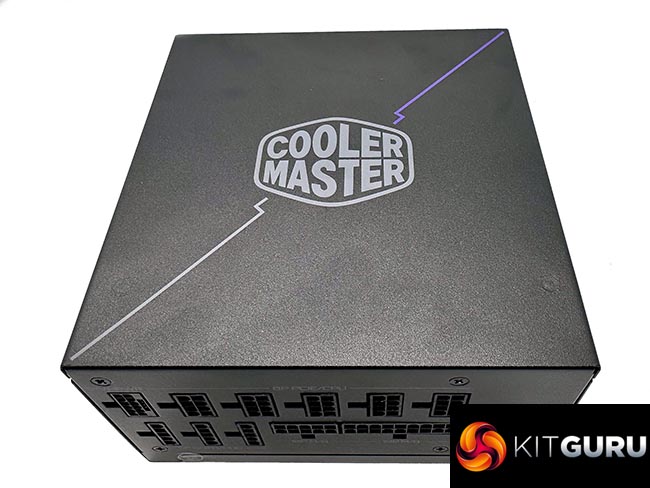
It has been some time since I last looked at a Cooler Master power supply so I am interested to see what their latest GX III 850W unit brings to the table. This current model is a fully modular power supply with an 80 Plus Gold rating, with the 850W version on sale for £130 in the UK.
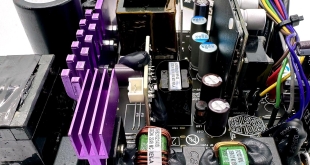
In their literature for the product, Cooler Master claim that this product offers a new structural design, improved airflow, and a ‘cleaner' overall look. In their words it is the ‘epitome of strength in elegance'. Interestingly their guides also claim that the heatsinks inside are anodic coated to reduce temperatures by 5c compared to a traditional heatsink. I don't think I have ever heard that before.
Cooler Master GX III Overview:
- ATX Version ATX 12V Ver. 3.0
- PFC Active PFC
- Input Voltage 100 – 240V
- Input Current 10 – 5A
- Input Frequency 50 – 60Hz
- Dimensions (L x W x H) 160 x 150 x 86mm
- Fan Size 135 mm
- Fan Bearing HDB
- Fan Speed 1900rpm
- Efficiency ≥ 90% @ Typical Load
- 80 PLUS Rating 80 PLUS Gold
- ErP 2014 Lot 3 Yes
- Operating Temperature 0 ~ 50℃
- Power Good Signal 100 – 150 ms
- Hold Up Time ≥ 16ms
- MTBF >100,000 hours
- Warranty 10 years