KitGuru KitGuru.net – Tech News | Hardware News | Hardware Reviews | IOS | Mobile | Gaming | Graphics Cards


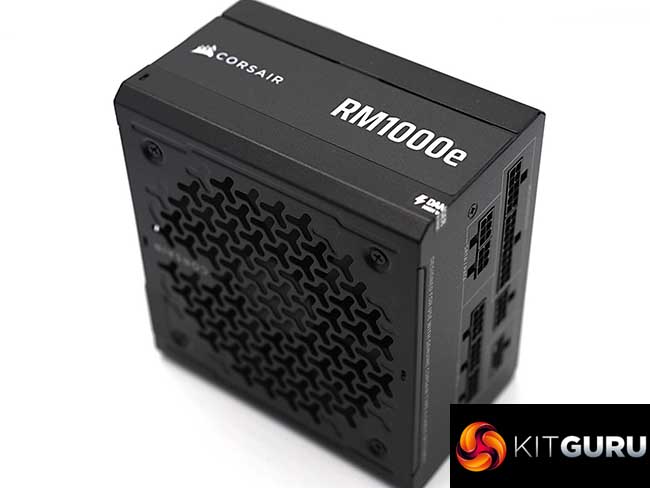
Corsair recently sent us some new power supplies to review and today we take a look at the Corsair RM1000e, a new gold rated ATX v3.1 PSU. This is a fully modular unit with native 12v-2×6 connectors to power the latest graphics cards. This is a supply slotting in below their higher end Corsair models and they come with a 7 year warranty. Let's take a closer look.
Corsair are releasing three power supplies in this range, a 750w, 850w and 1000W unit. They sent us several PSUs for review, but today we look at the RM1000e flagship model.
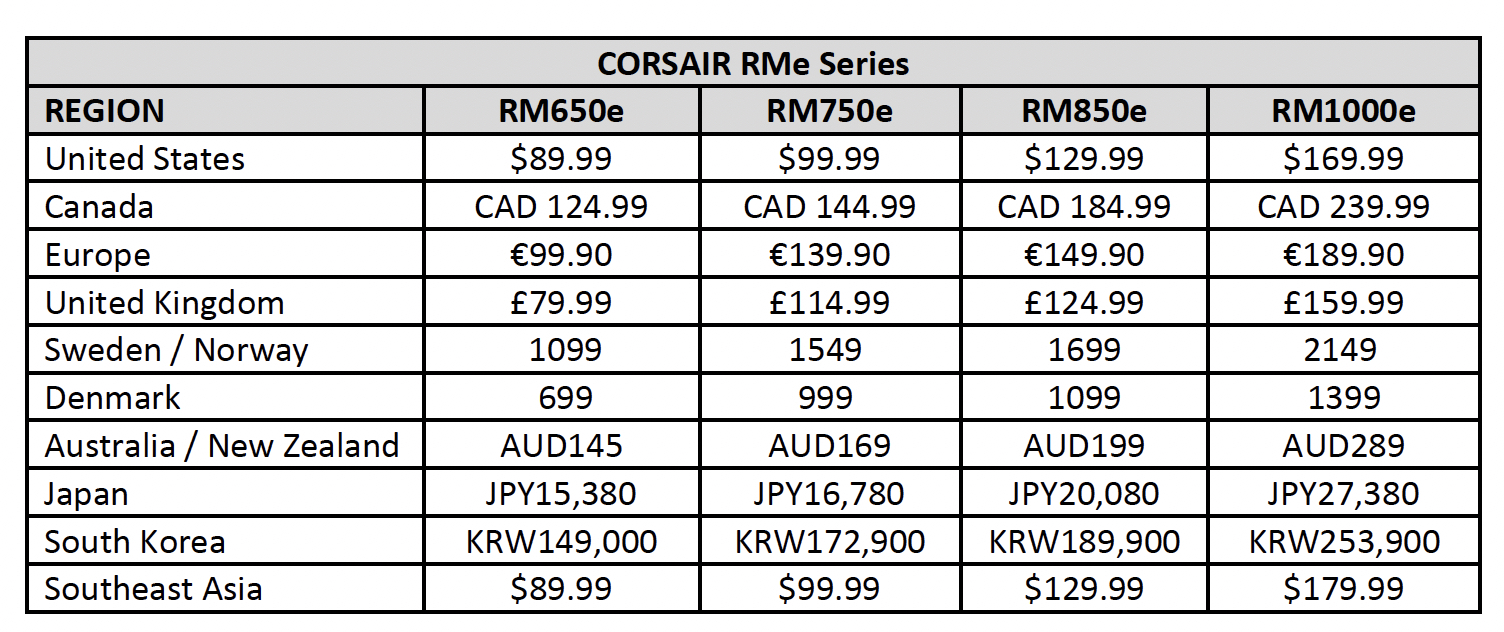
UK prices from Corsair directly indicate that only £10 price difference exists between the 750 watt and 850 watt models, while the 1000W model is £35 more expensive. As we previously mentioned, all models have a 7 year warranty in place which falls some way from the leading 12 years on some of the platinum models we have reviewed lately. This is one of the tradeoffs when you move down a companies product stack.
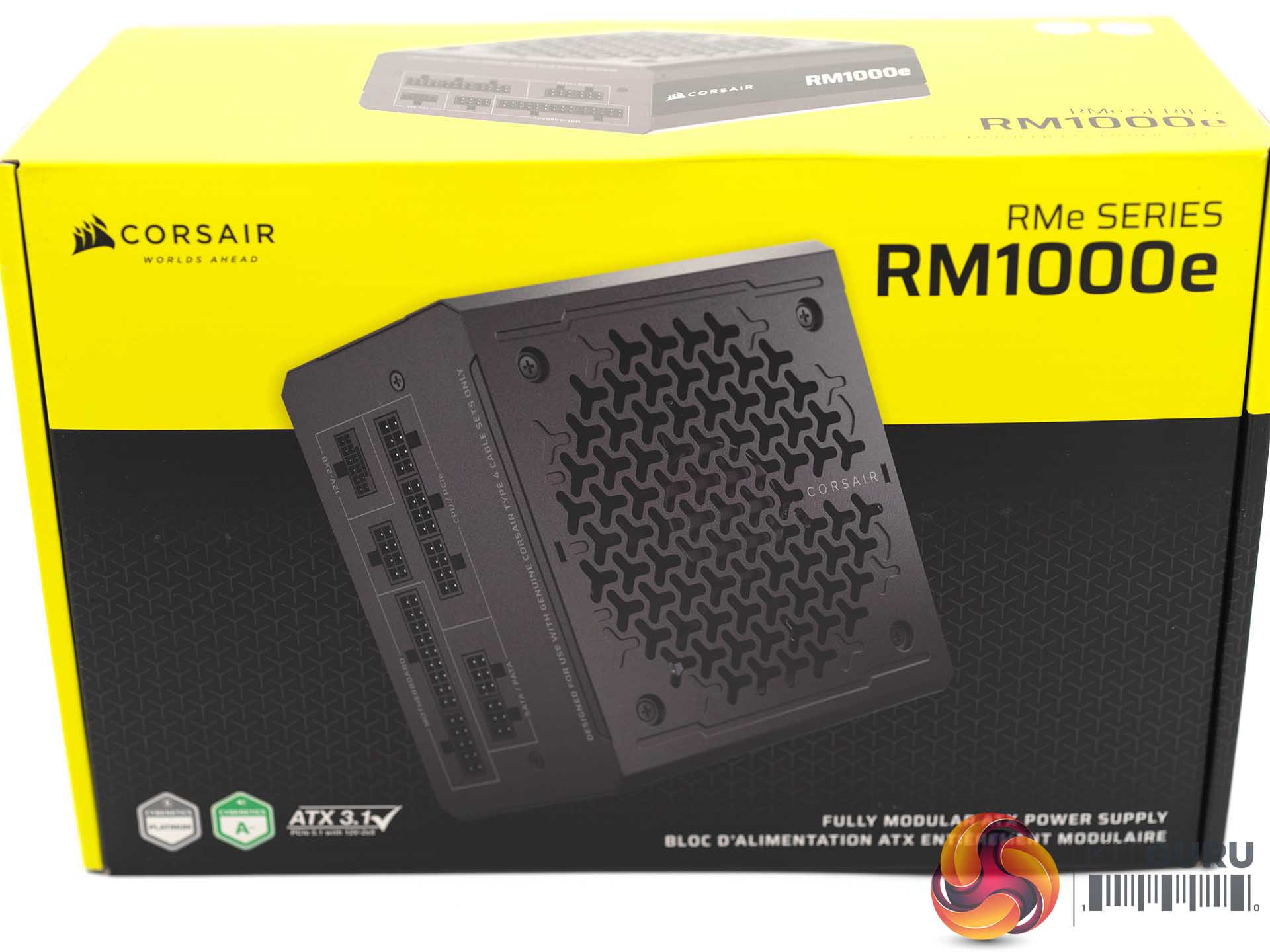
The Corsair box artwork is slightly different this time – they have moved to a new font as well. The traditional Corsair yellow colours are still prominent however along the top of the box. It is good to see a Cybenetic Platinum badge on the front of these boxes along with noise ratings. They make a lot more sense than the aging '80 Plus' ratings.
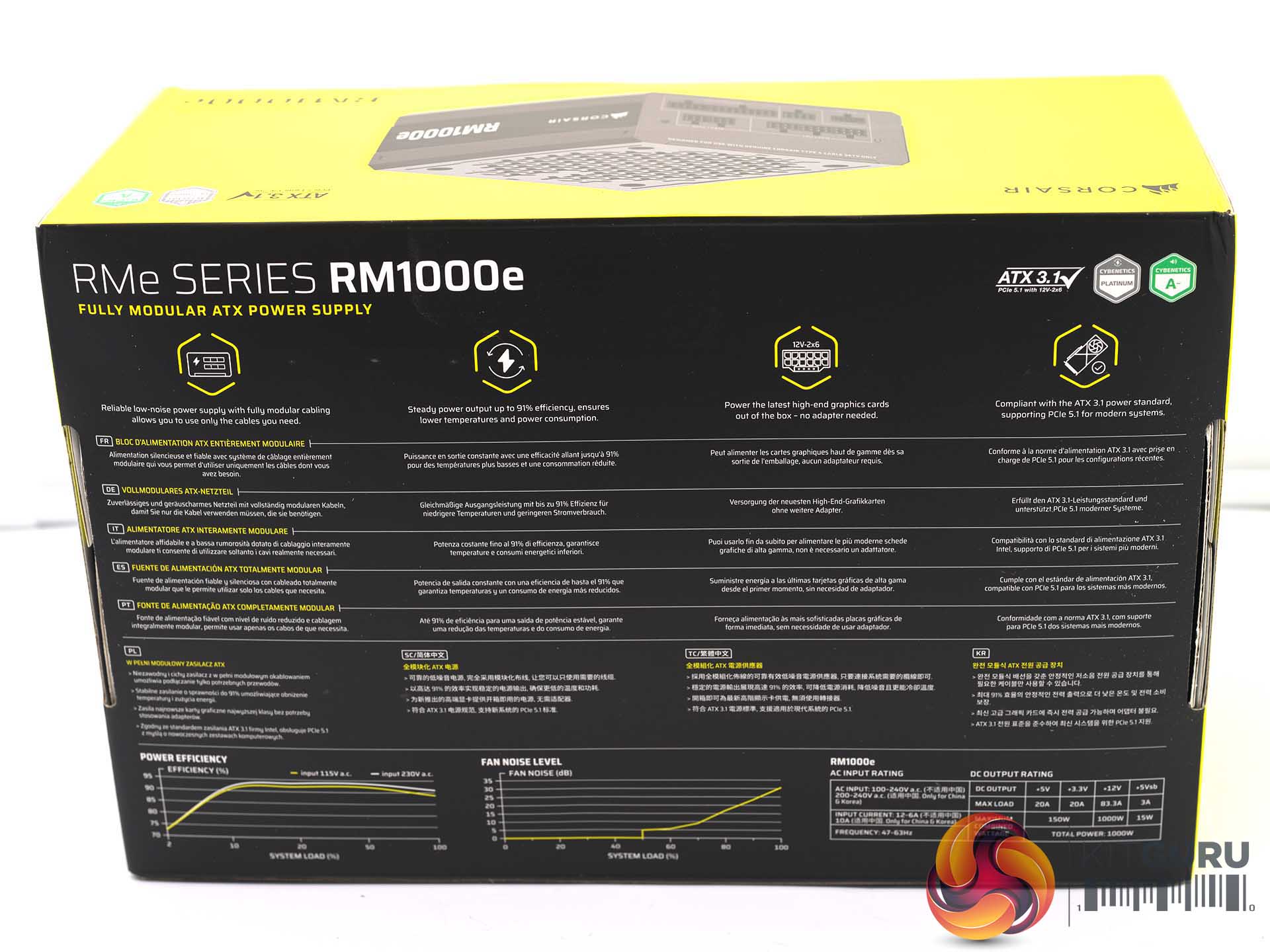
The rear of the box focuses on some key points, such as the new 12V -2×6 cable connectors and it being a ‘reliable low noise' supply. Along the bottom are a few graphs focusing on power efficiency and noise levels.
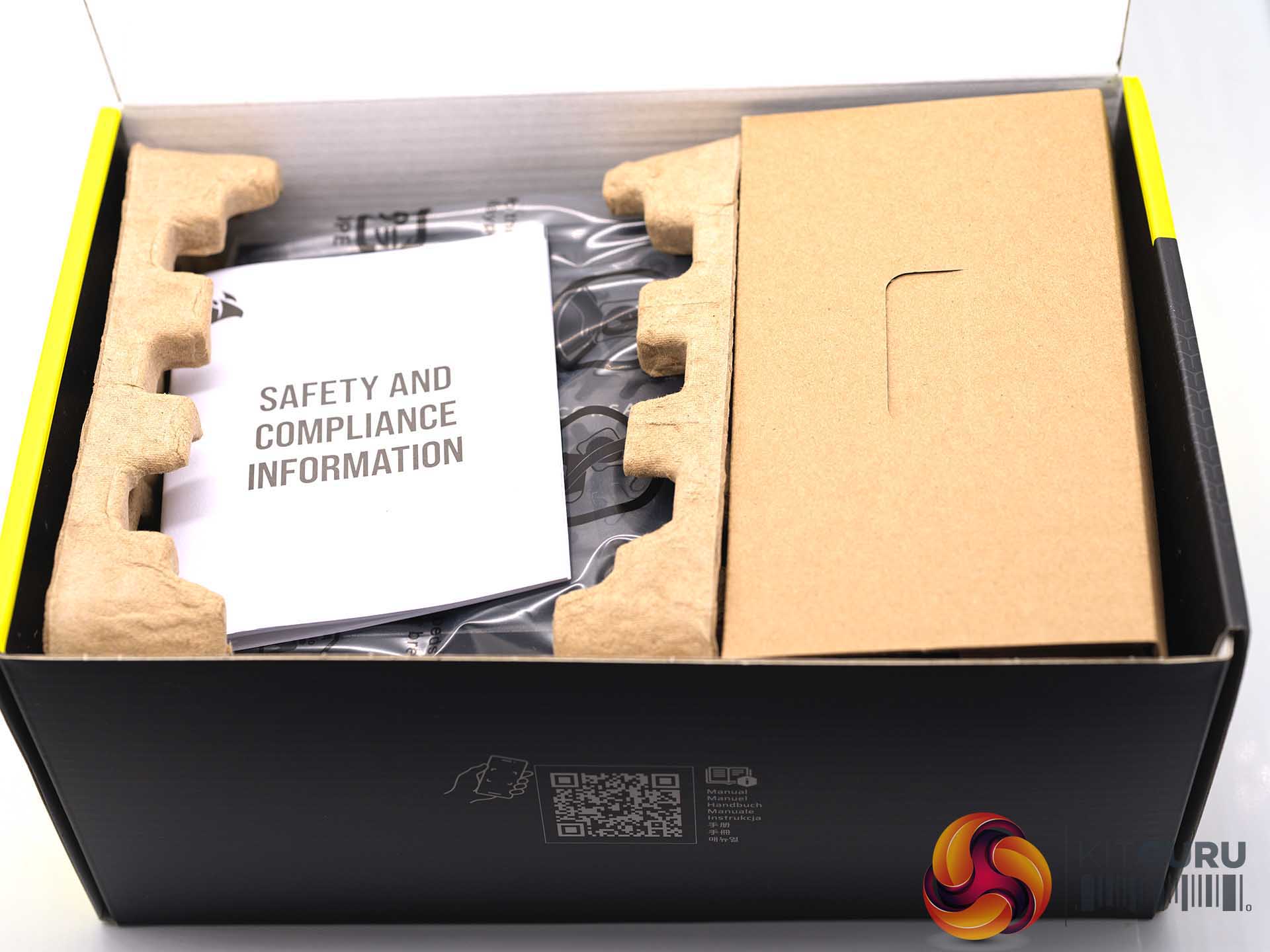
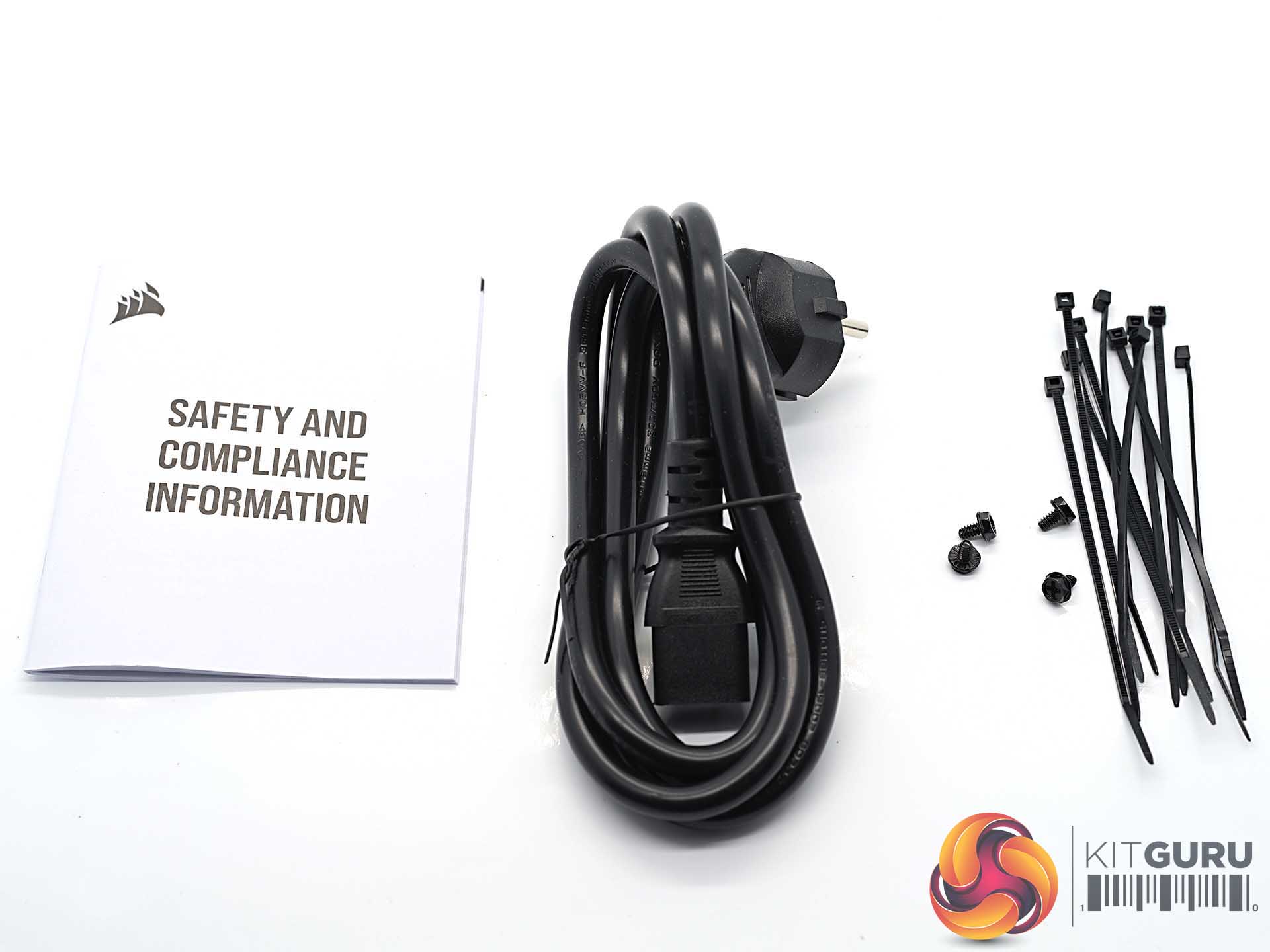
Accessories in the box include a regional specific power cable, some cable ties, mounting screws and literature.
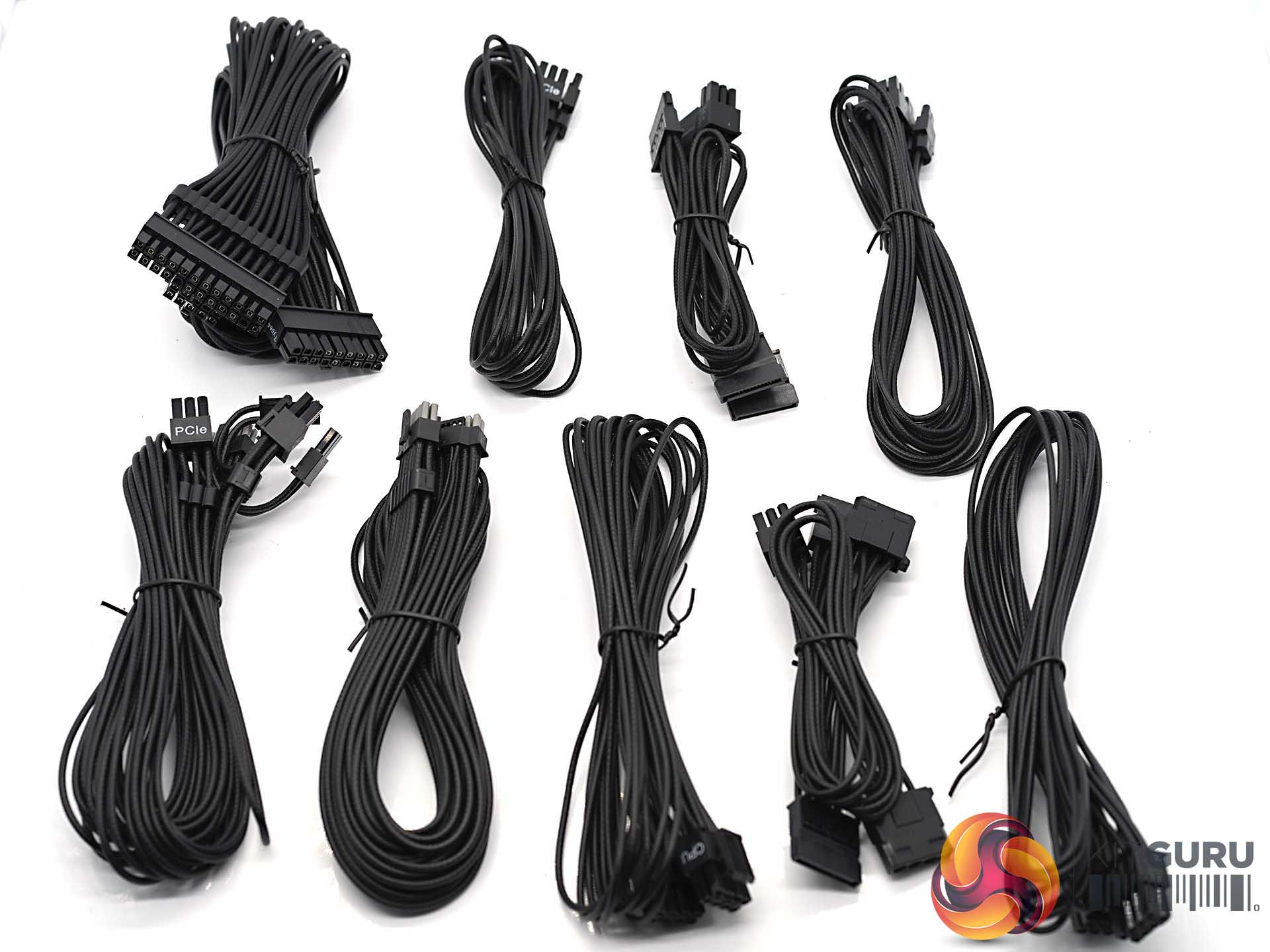
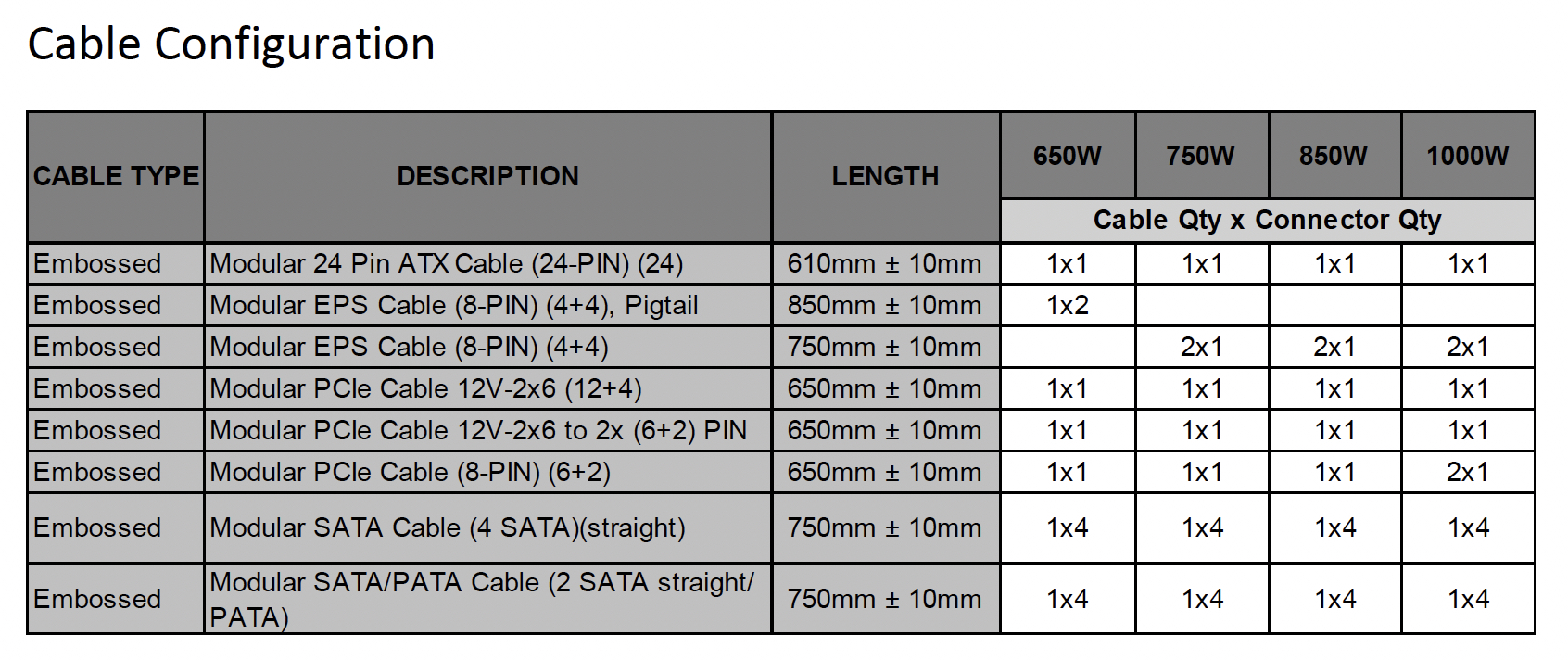
The cables are nice – Corsair called them 'embossed'. I call them individually sleeved. They are pretty nice though. The 1000 watt unit has plenty of cables to power high end gaming systems.
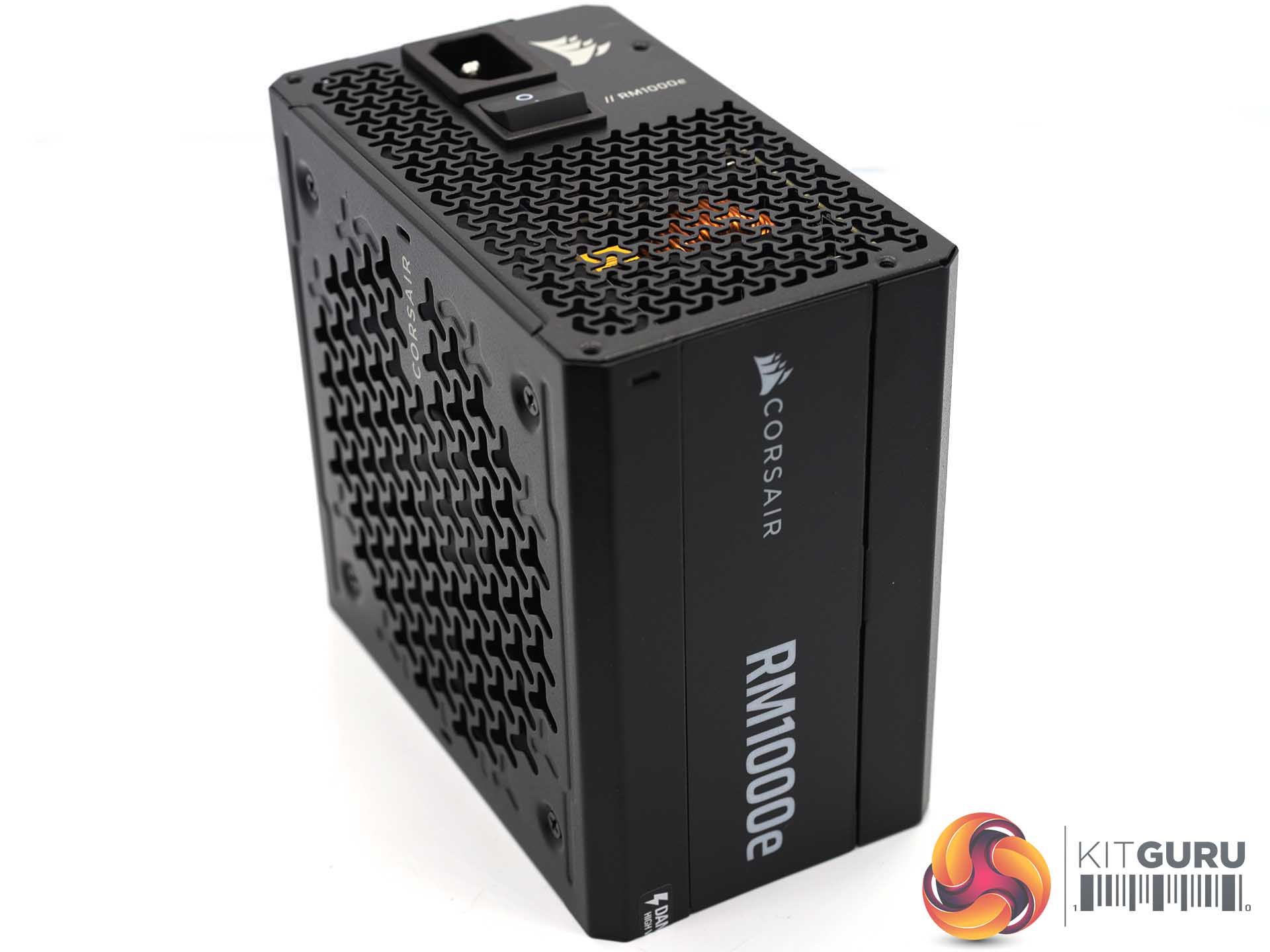
The power supply is relatively compact, measuring 160x150x86 mm. The quality of the black paint is really good. The styling is colour neutral with the logos and badges all in silver/white on the sides.
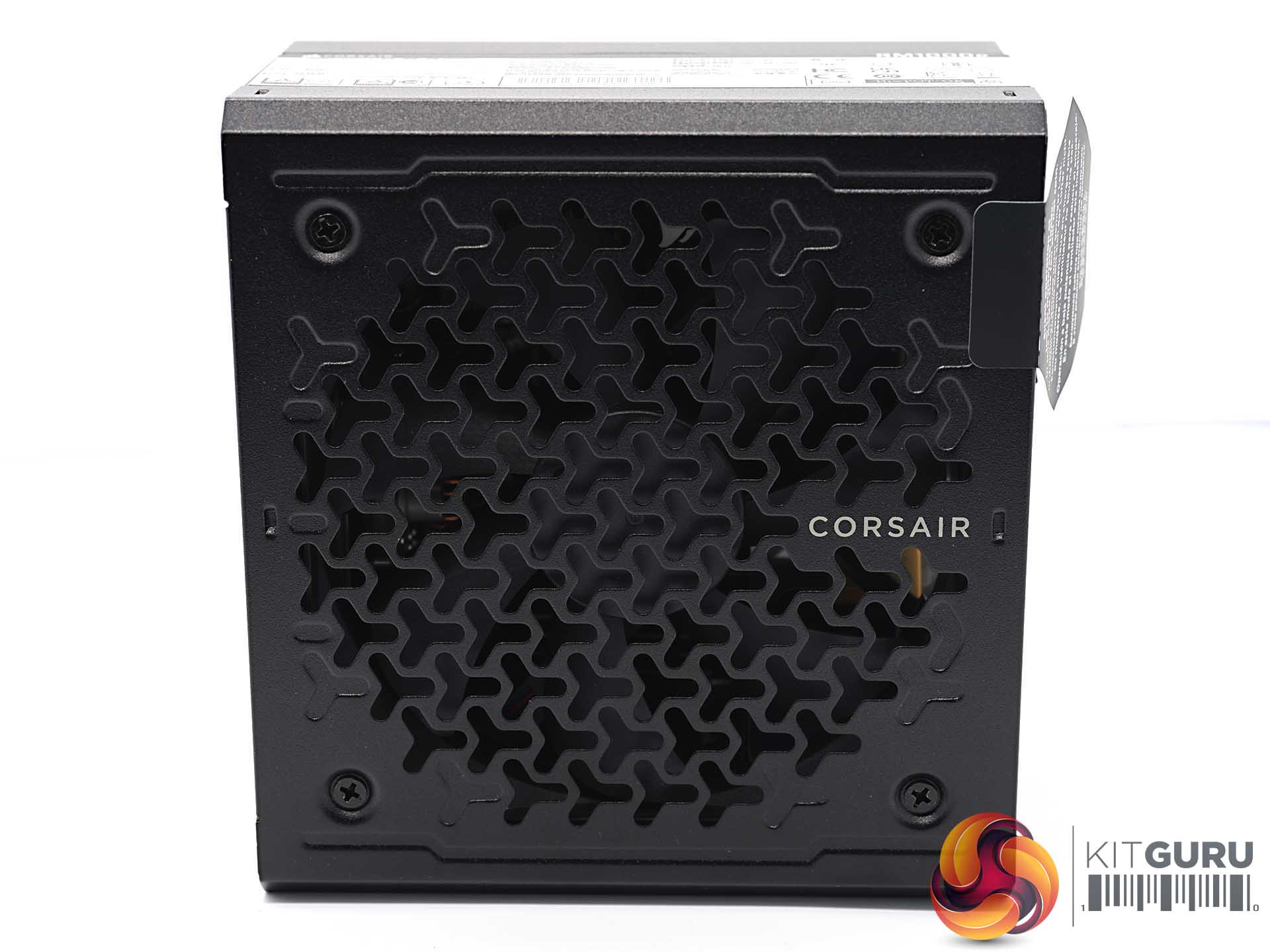
The grille at the top of the unit is punched with a Y logo shape to allow for airflow. I am not sure they are maximising possible airflow, but we will check the cooling results later.
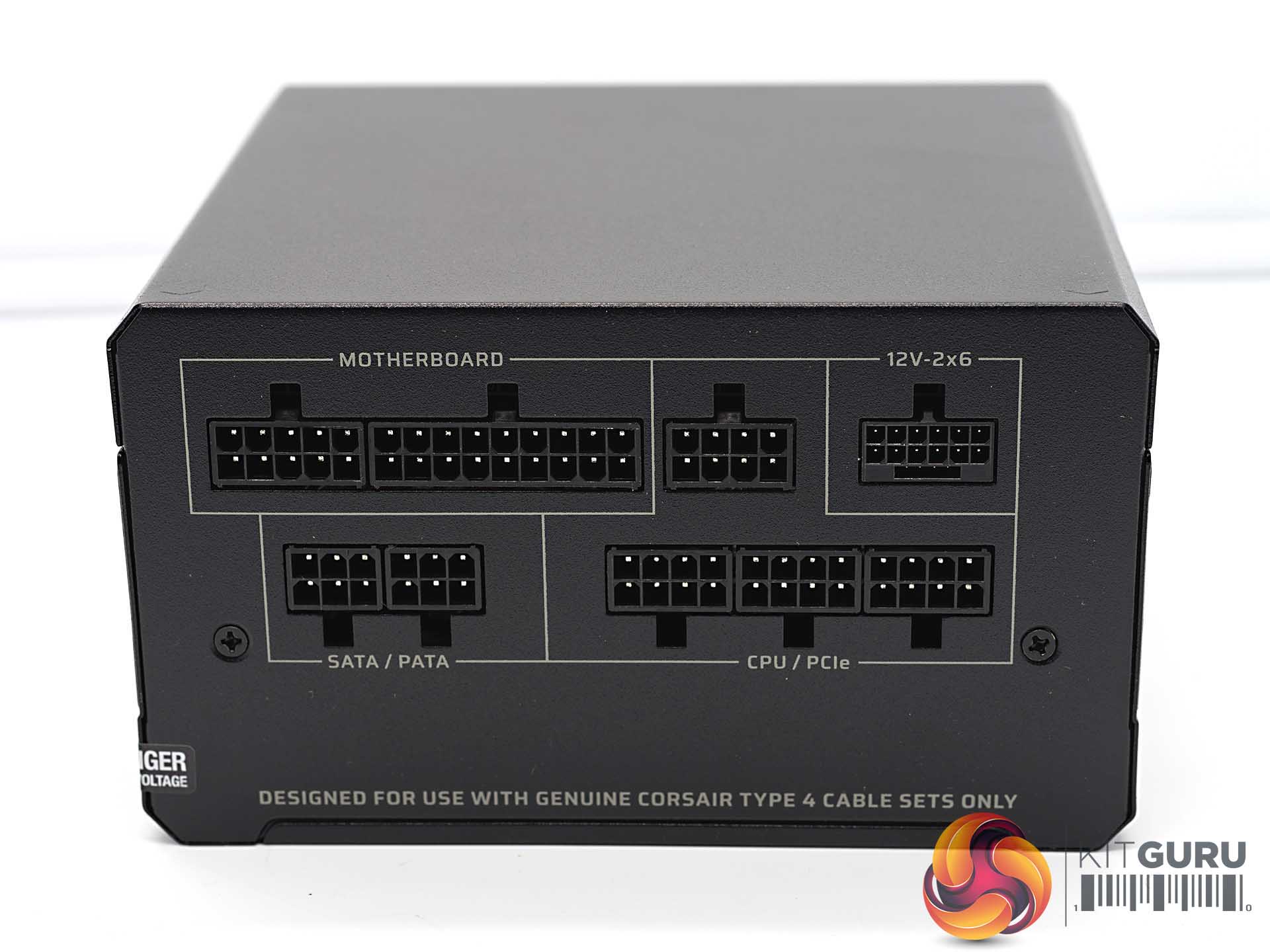
The modular bay is split in a traditional Corsair manner across two vertical rows, separated into sections.
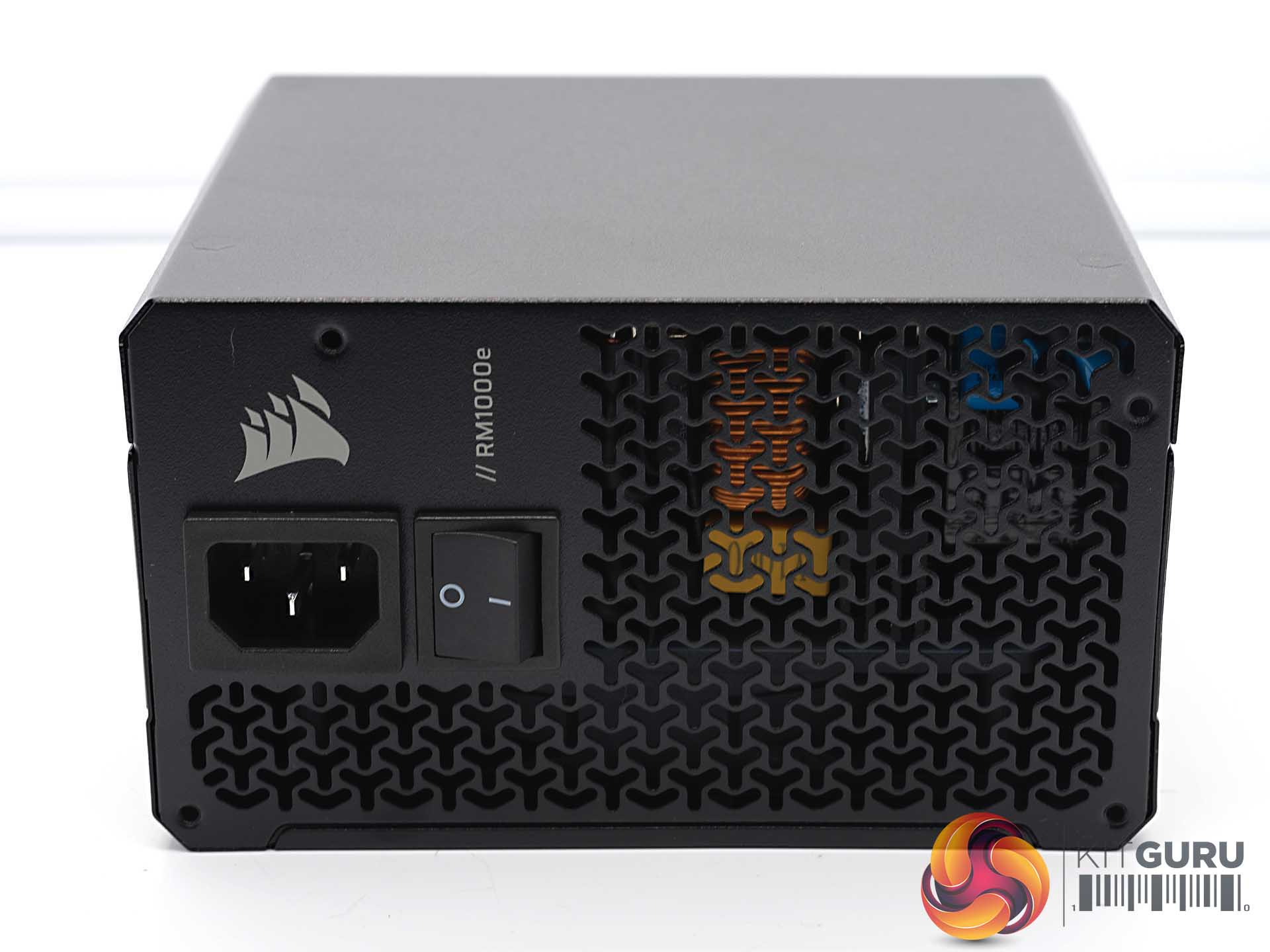
The power side of the unit is home to the vented panel, and the power switch and connector.
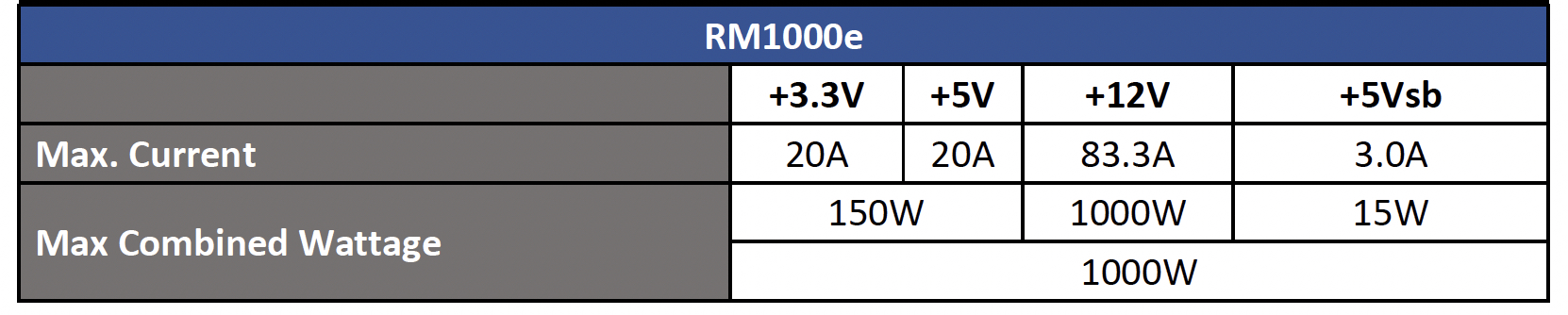
This unit is able to deliver 83.3A via the +12V rail and 20A to the minor +3.3V and +5 V rails. This is enough to power any gaming GPU on the market right now.
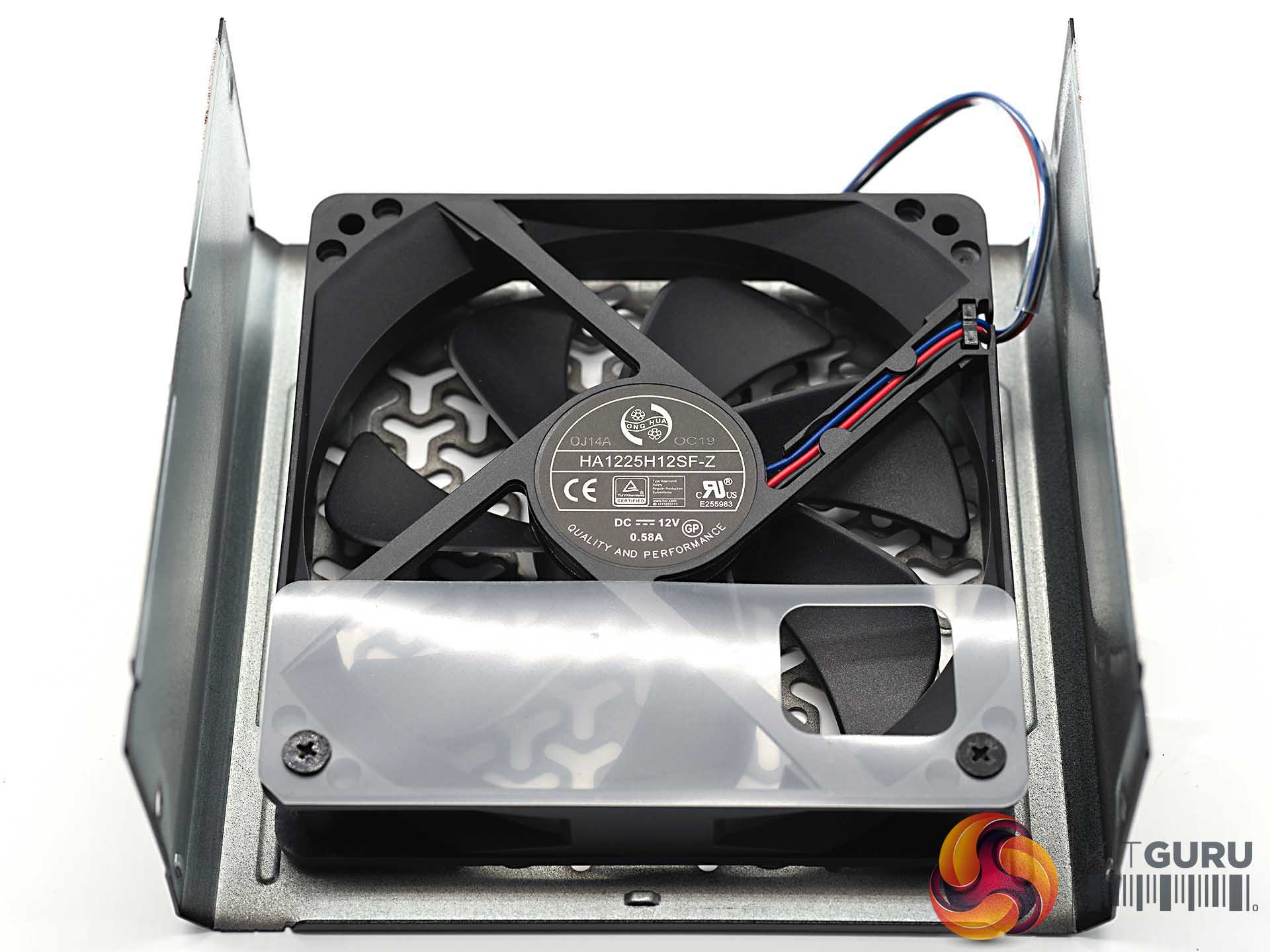
Corsair are using a 120mm Hong Hua fan model number HA1225H12F-Z. This is a rifle bearing fan rated 12V 0.58A. You can buy these fans online for around £10. This is not as high a grade unit as the Hong Hua Fluid Dynamic bearing models you will find in their more expensive units. As I said earlier- always going to be certain tradeoffs when you move down a companies product stack.
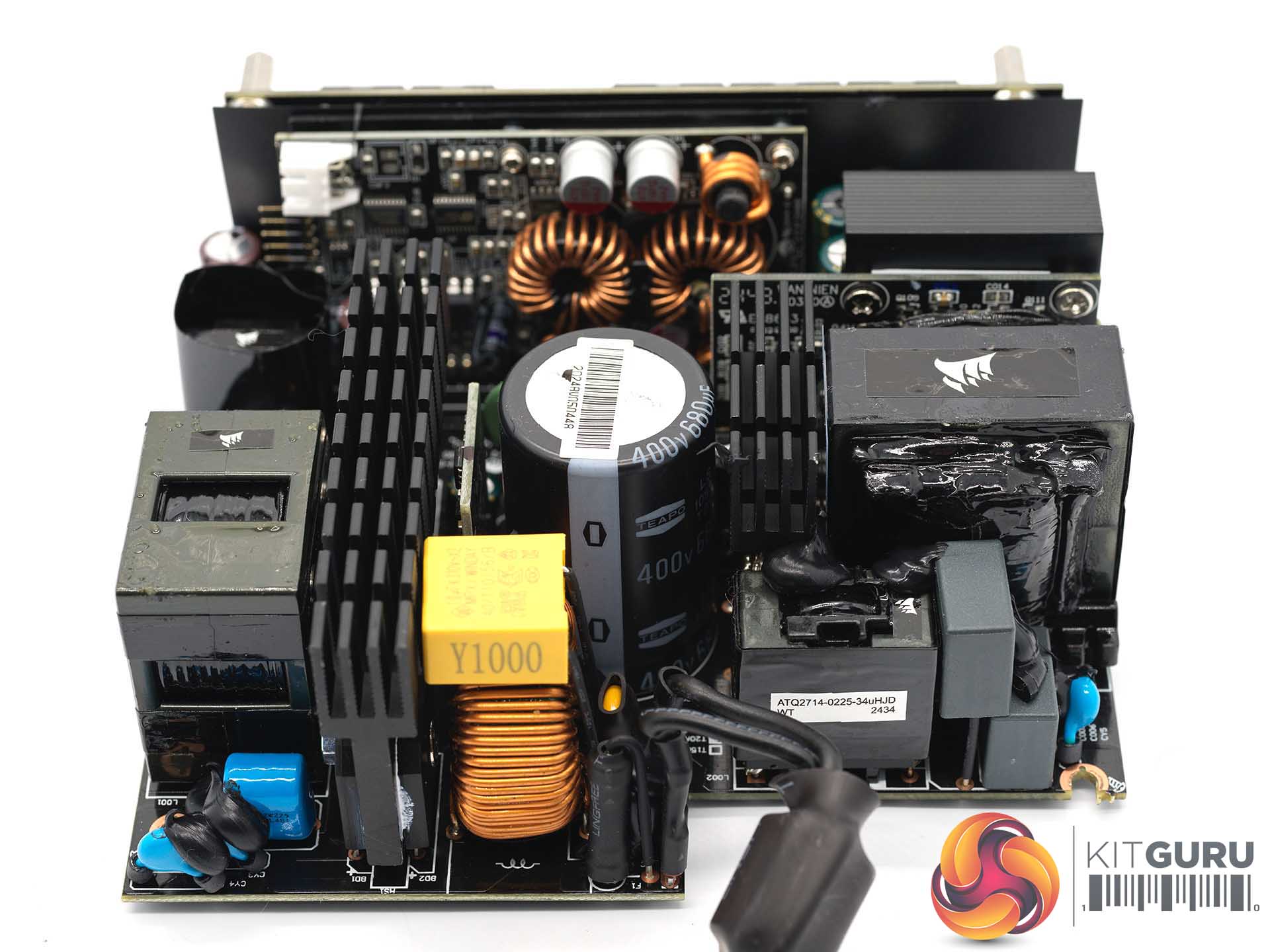
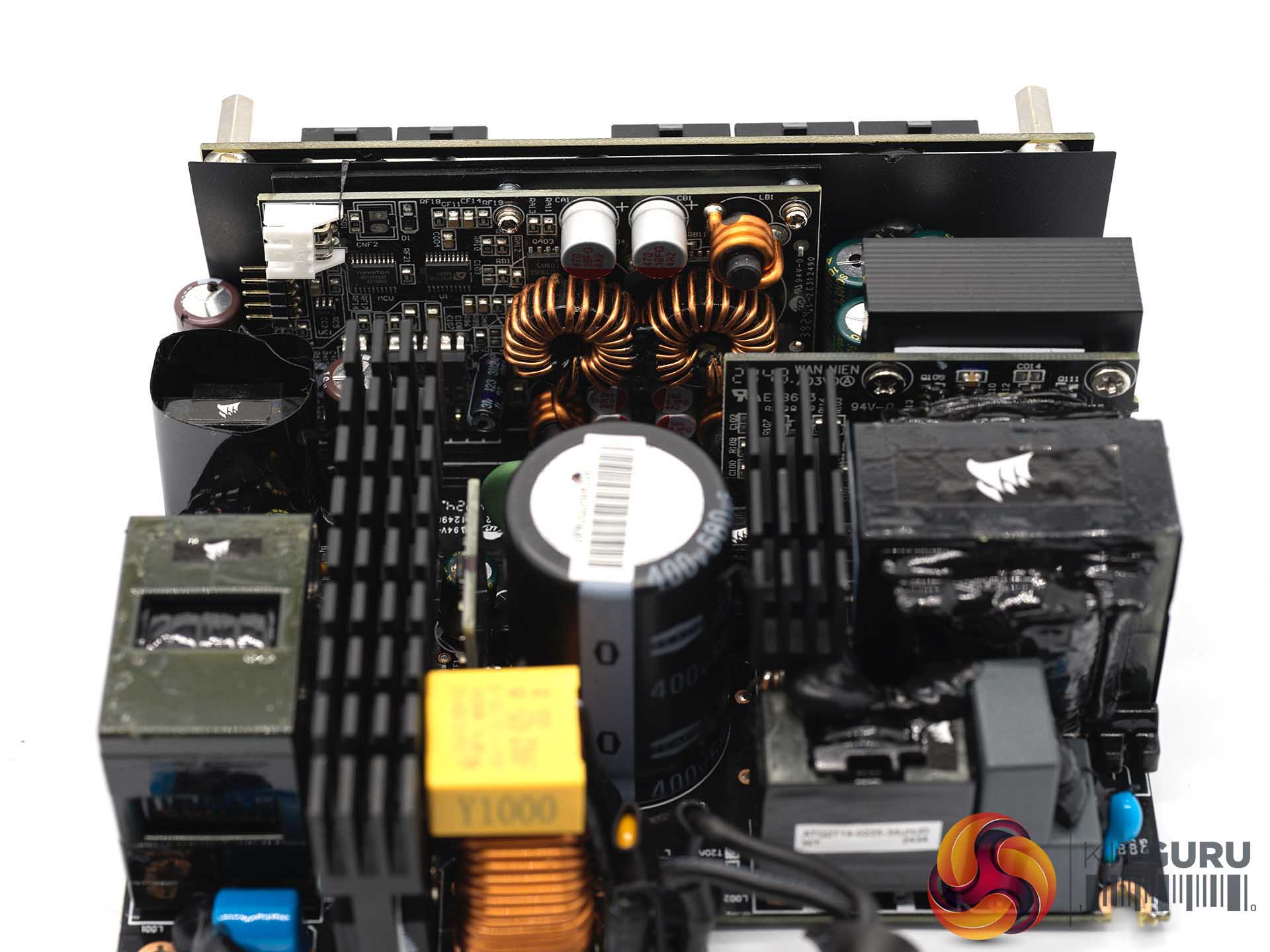
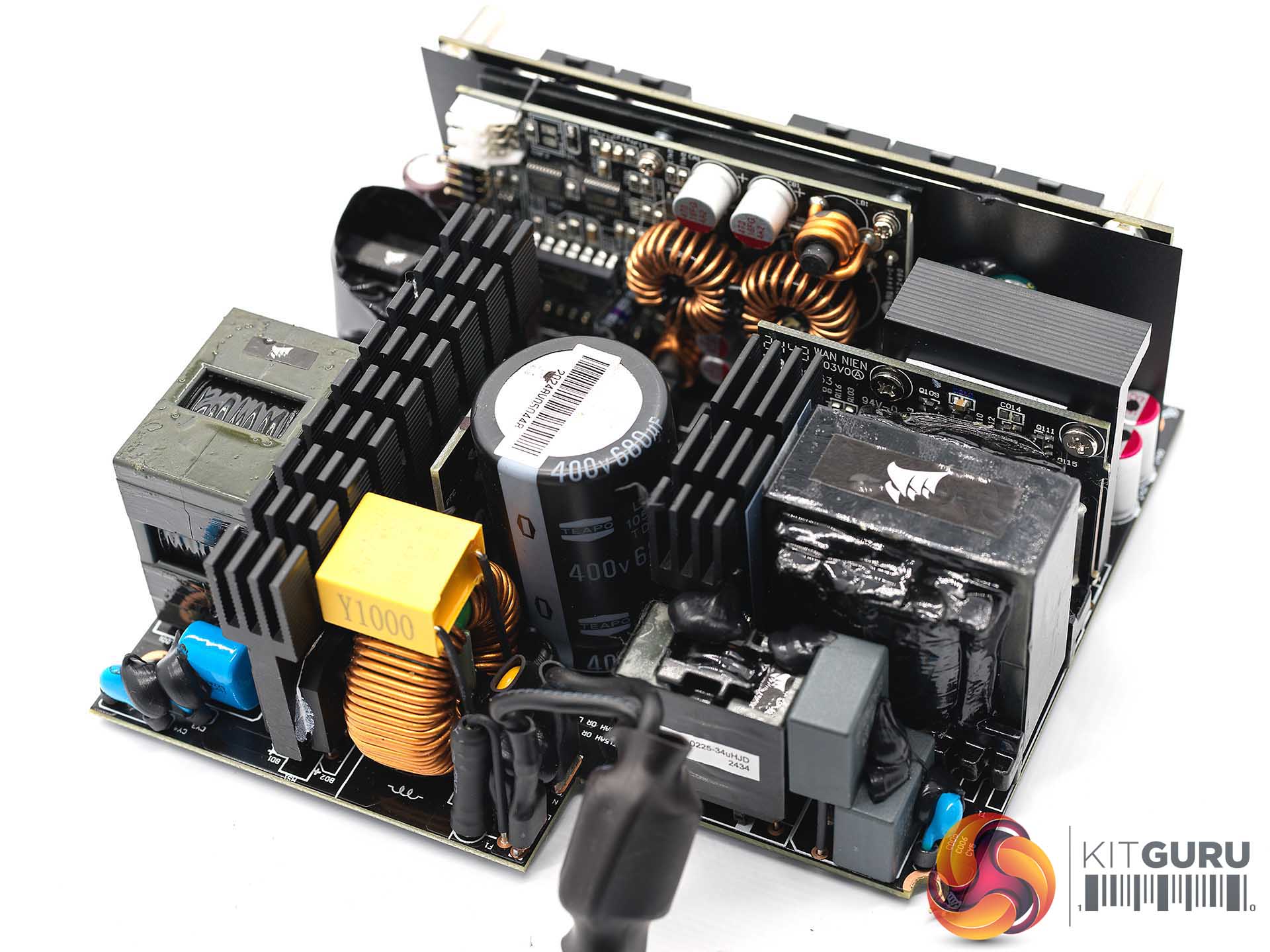
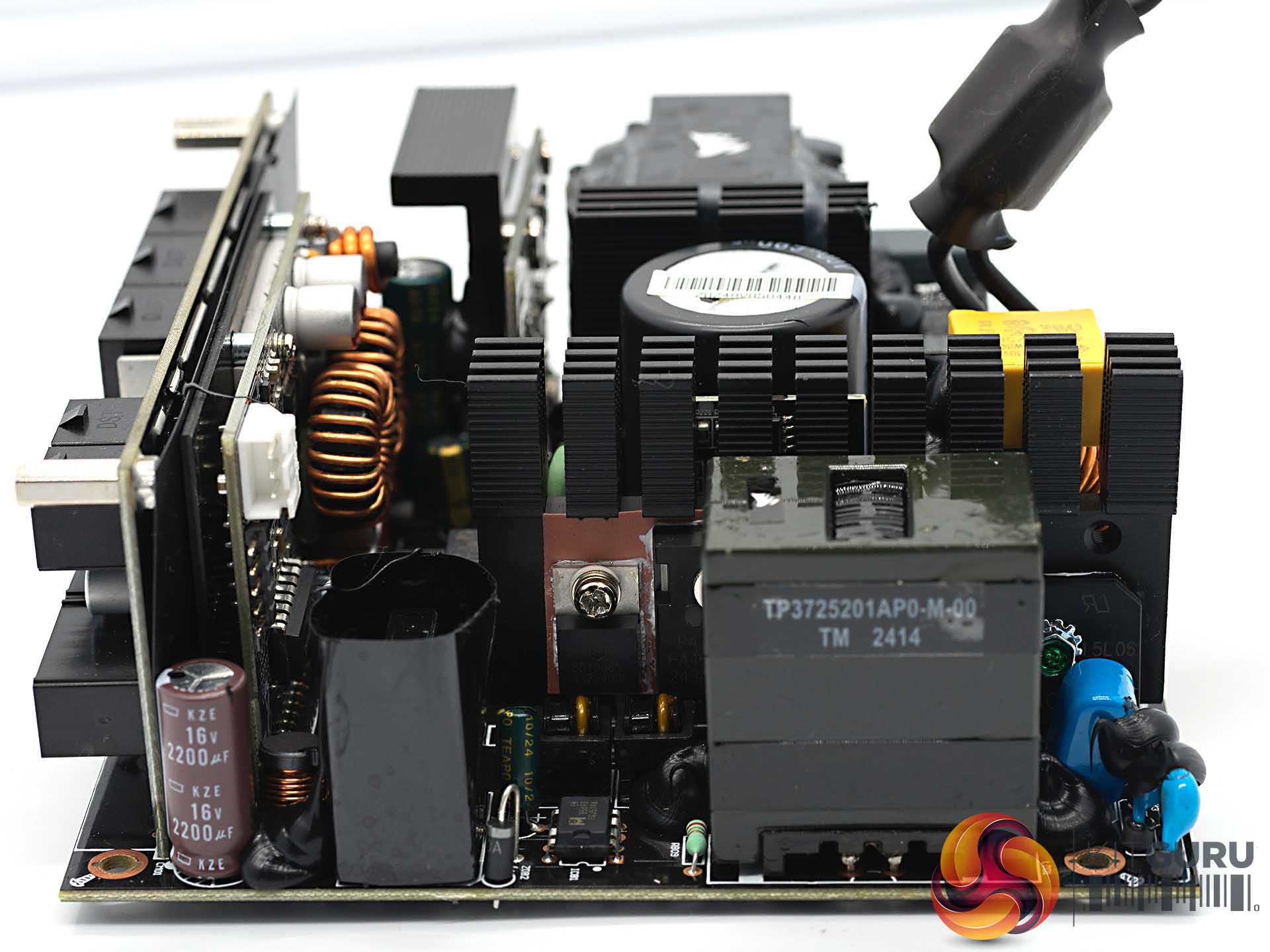
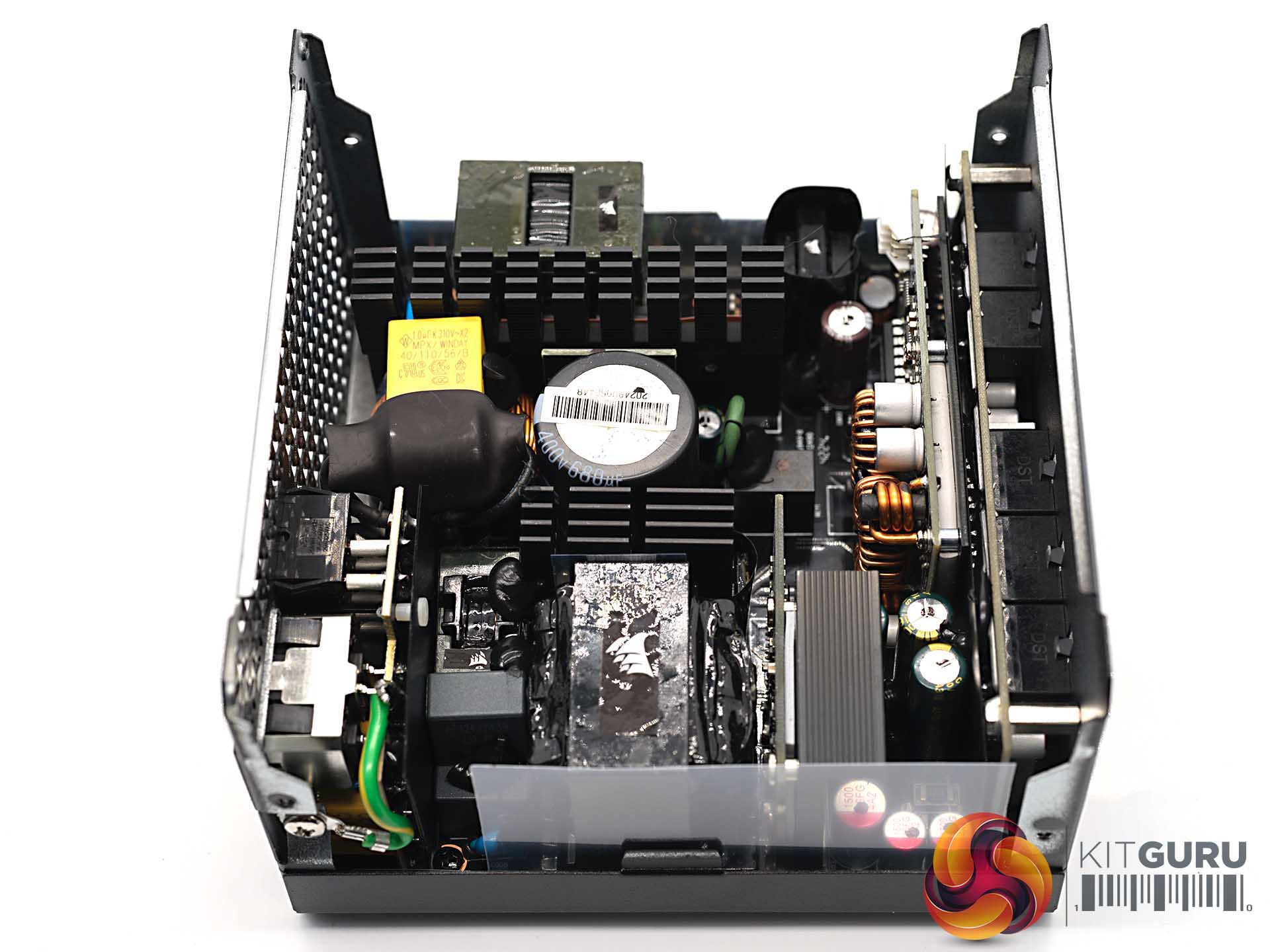
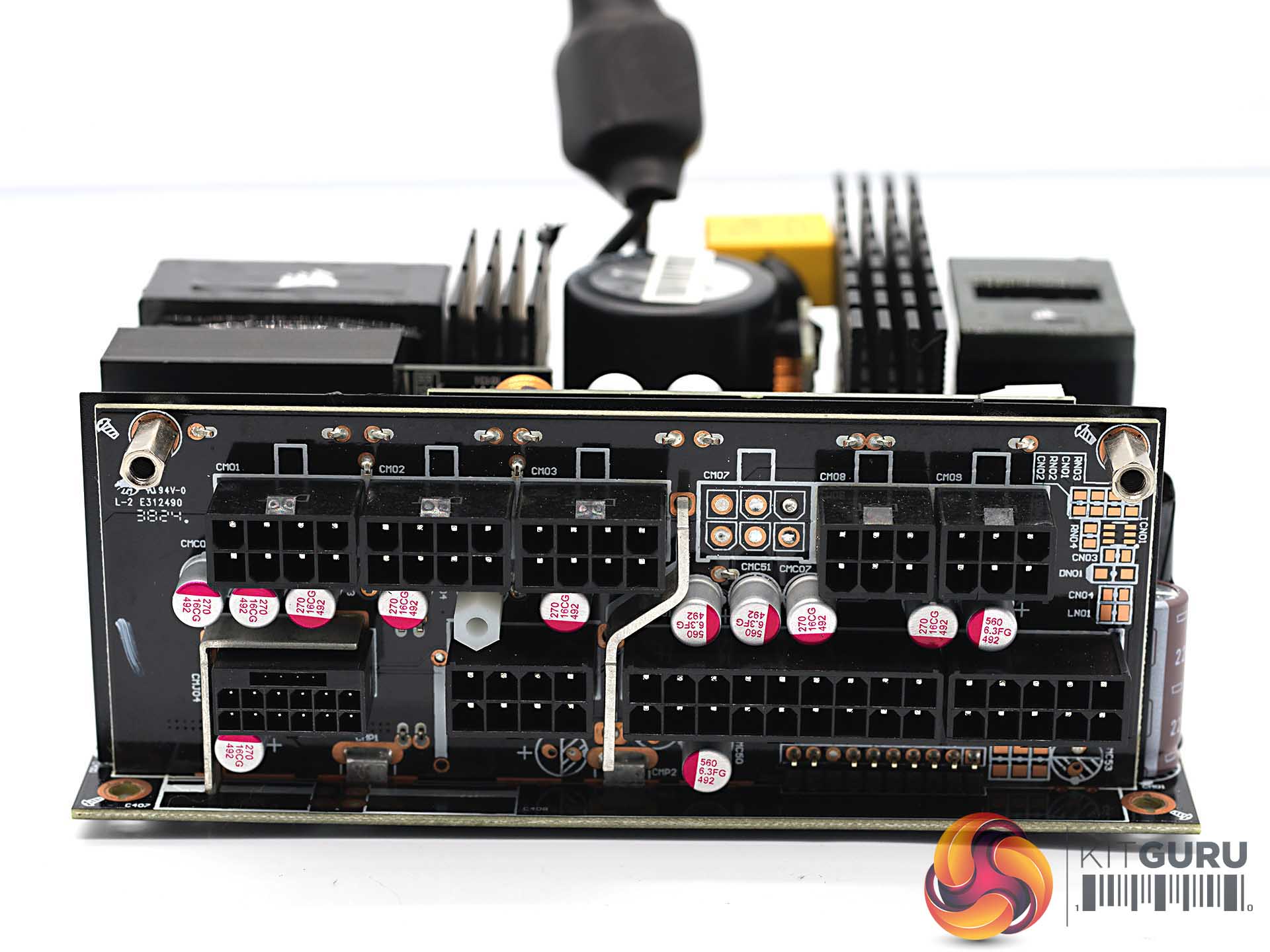
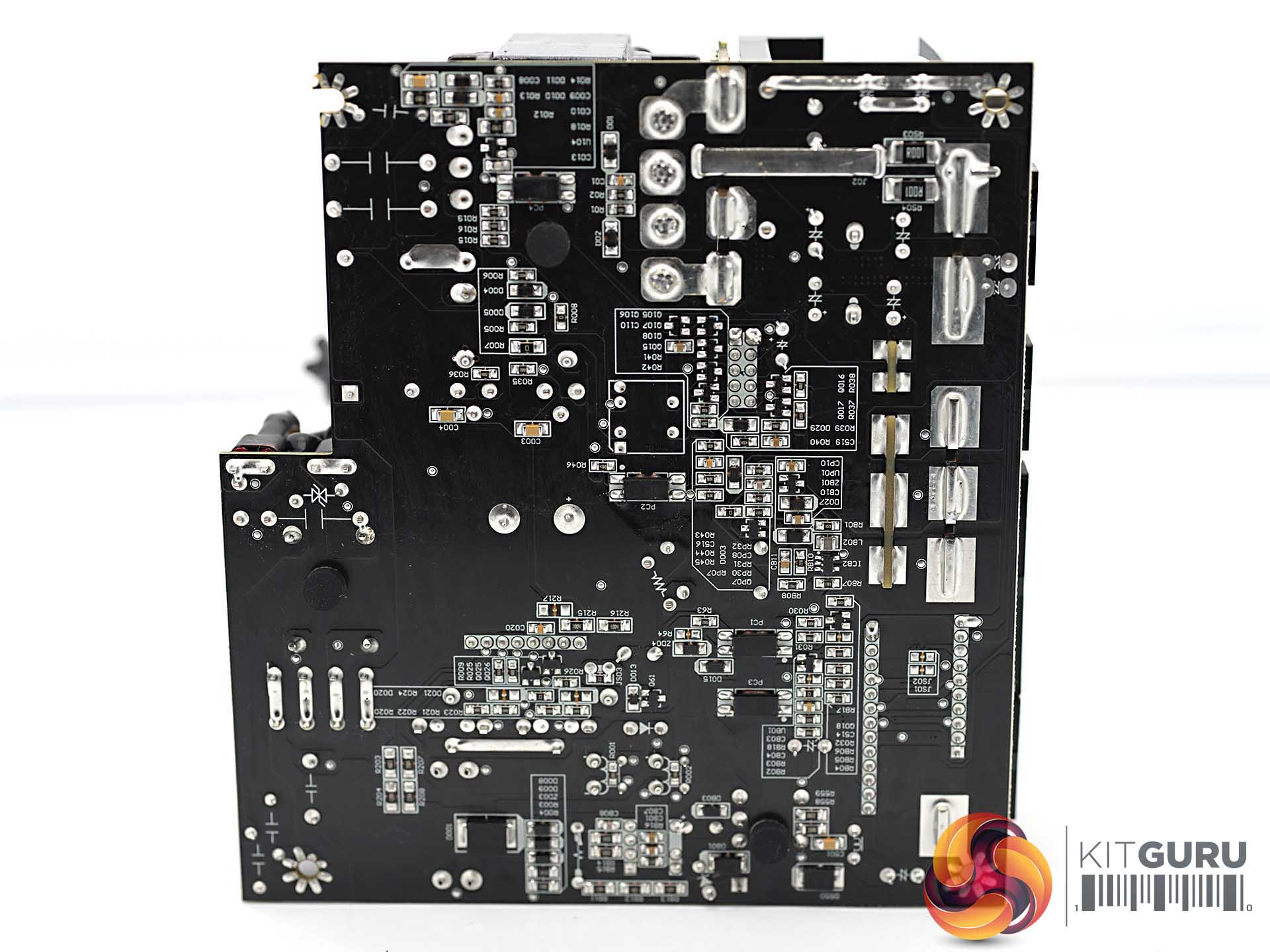
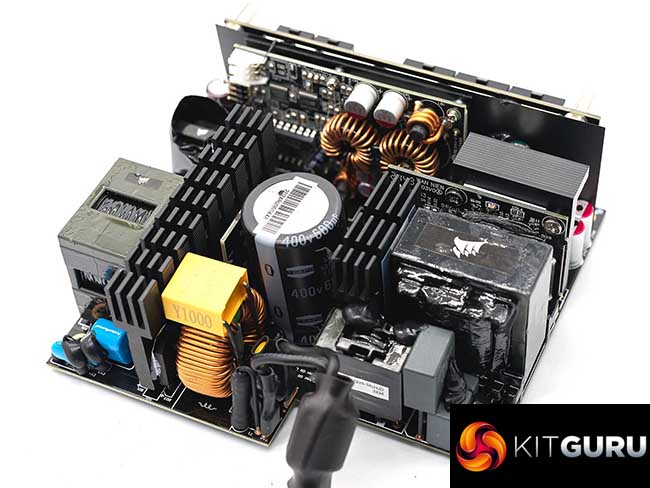
The OEM for this power supply is HEC. This is a half bridge topology on the primary side with an LLC resonant converter. The secondary side uses a synchronous rectification system for the +12V rail which powers a pair of VRMS to create the minor rails.
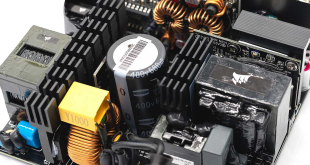
The PCB inside is quite small and densely populated with several large heatsinks to aid with cooling – this makes sense with vertical PCB boards mounted to the main one. One of the boards is home to the DC-DC converter to generate the minor rails.
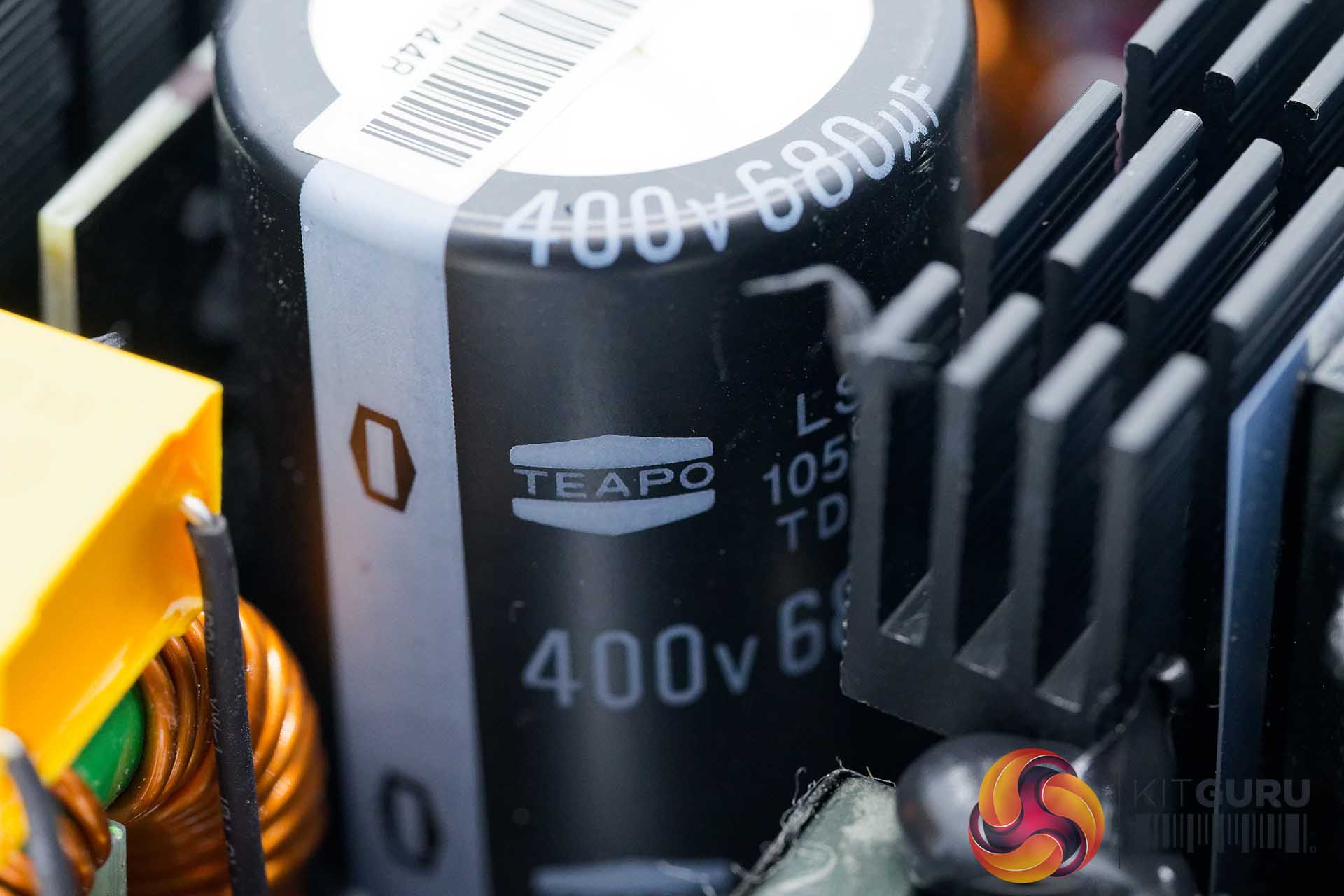
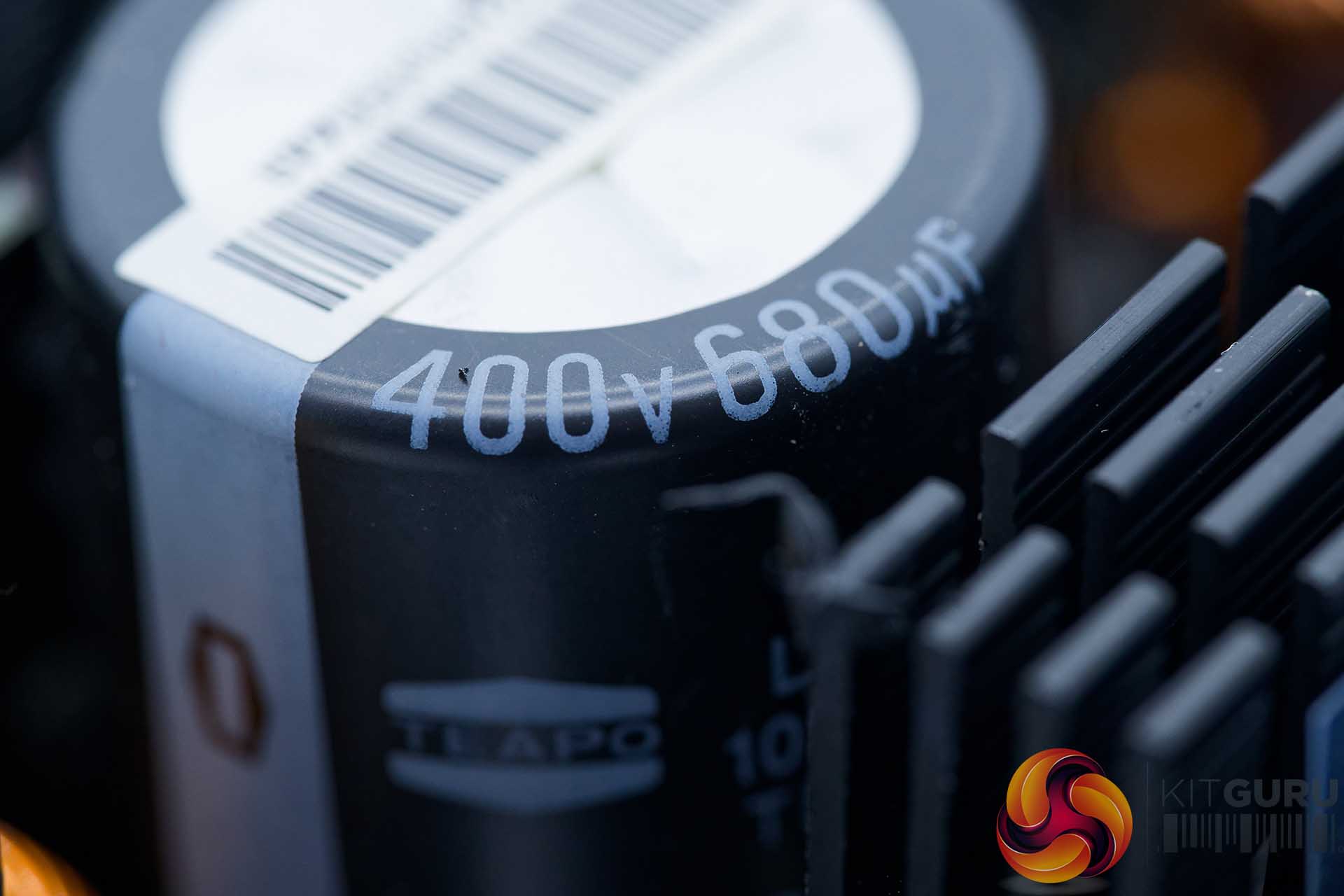
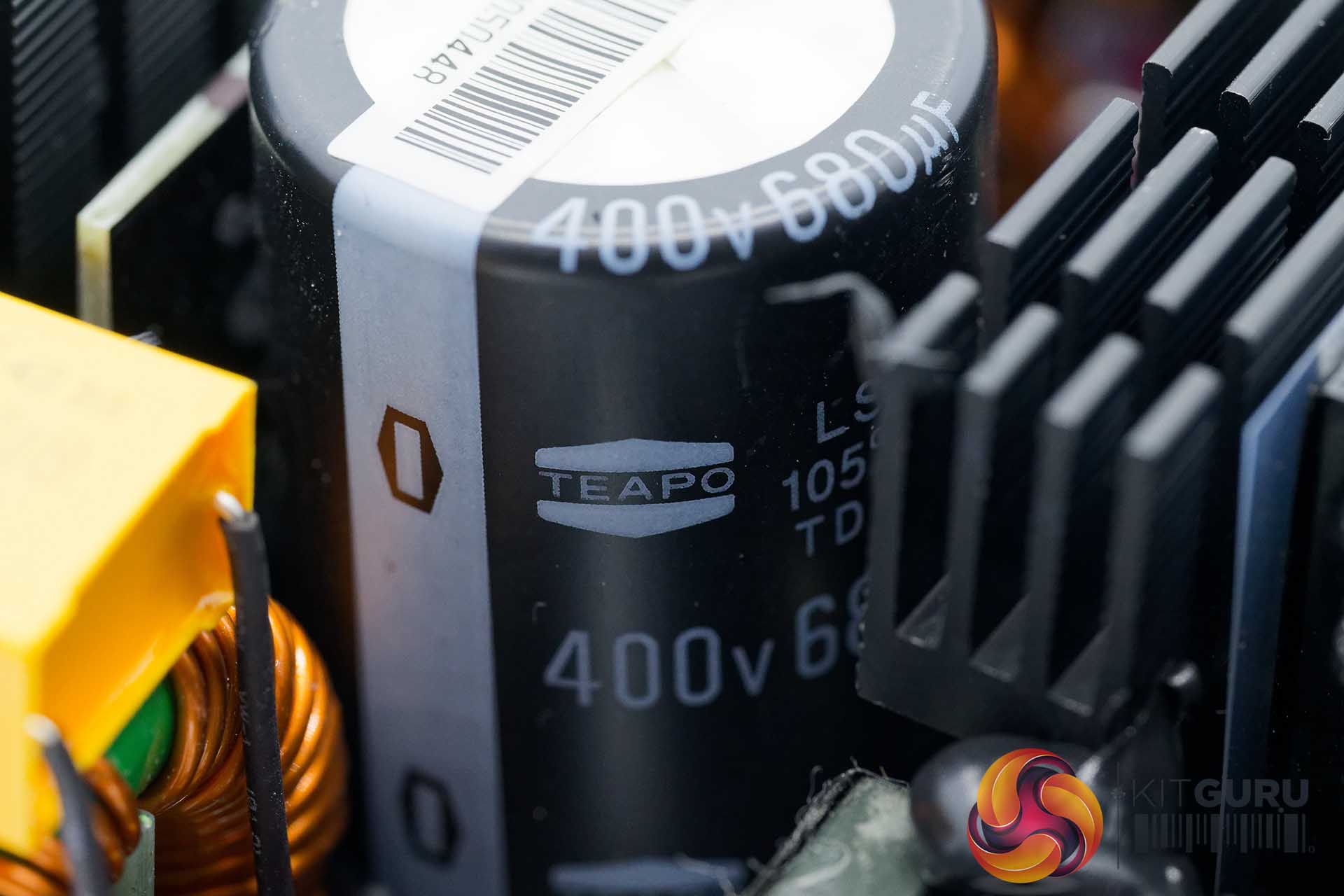
Soldering quality is high throughout and the main PCB exhibits great attention to detail in this regard. I was a little disappointed to see a Taiwanese TEAPO primary capacitor used in this unit, rated 400V 680uF, however my bad experiences with this company happened a long time ago – we would like to hope that their standards have improved in recent years. Regardless – these are not high end units so we have to expect some compromises in the designs and component selection to hit specific price points. On a plus point, this primary cap is rated 105c, not 85c.
This unit ships with OCP, OVP, SCP, OPP and OTP protections.
Correctly testing power supplies is a complex procedure and KitGuru have configured a test bench which can deliver up to a 2,000 Watt DC load.
We test ambient temperatures at 35c in our environment to greater reflect warmer internal chassis conditions.
We use combinations of the following hardware:
• SunMoon SM-268
• CSI3710A Programmable DC load (+3.3V and +5V outputs)
• CSI3711A Programmable DC load (+12V1, +12V2, +12V3, and +12V4)
• Extech Power Analyzer
• Extech MultiMaster MM570 digital multimeter
• SkyTronic DSL 2 Digital Sound Level Meter (6-130dBa)
• Digital oscilloscope (20M S/s with 12 Bit ADC)
• Variable Autotransformer, 1.4 KVA
We test in a single +12V configuration.
|
DC Output Load Regulation
|
||||||||||
|
Combined DC Load |
+3.3V
|
+5V
|
+12V
|
+5VSB
|
-12V | |||||
|
A
|
V
|
A
|
V
|
A
|
V
|
A
|
V
|
A | V | |
|
100W
|
0.90
|
3.29
|
0.90
|
5.00
|
7.35
|
12.00
|
0.50
|
5.00
|
0.20
|
-12.00
|
|
200W
|
1.60
|
3.29
|
1.64
|
5.00
|
15.13
|
12.00
|
1.00
|
5.01
|
0.20
|
-12.00
|
|
500W
|
3.21
|
3.28
|
3.24
|
4.99
|
38.60
|
11.98
|
1.50
|
5.00
|
0.20
|
-12.00
|
| 750W |
4.03
|
3.28
|
4.17
|
4.99
|
58.53
|
11.97
|
2.00
|
5.00
|
0.30
|
-12.00
|
|
1000W
|
5.45
|
3.28
|
5.51
|
4.99
|
78.13
|
11.94
|
2.50
|
5.00
|
0.30
|
-12.01
|
The load regulation of this power supply is good across the board.
Next we want to try Cross Loading. This basically means loads which are not balanced. If a PC for instance needs 500W on the +12V outputs but something like 30W via the combined 3.3V and +5V outputs then the voltage regulation can fluctuate badly.
The power supply had no problems sustaining at constant 1000W load.
| Cross Load Testing | +3.3V | +5V | +12V | -12V | +5VSB | |||||
| A | V | A | V | A | V | A | V | A | V | |
| 885W | 2.0 | 3.33 | 2.0 | 5.01 | 72.0 | 11.99 | 0.2 | -12.01 | 0.50 | 5.00 |
| 240W | 20.0 | 3.33 | 23.0 | 4.98 | 2.0 | 12.01 | 0.2 | -12.01 | 0.50 | 5.01 |
The RM1000e handled our cross load test very well, holding stable results across the range.
We then used an oscilloscope to measure AC ripple and noise present on the DC outputs. We set the oscilloscope time base to check for AC ripple at both high and low ends of the spectrum. ATX12V V2.2 specification for DC output ripple and noise is defined in the ATX 12V power supply design guide.
|
ATX12V Ver 2.2 Noise/Ripple Tolerance
|
|
|
Output
|
Ripple (mV p-p)
|
|
+3.3V
|
50
|
|
+5V
|
50
|
|
+12V1
|
120
|
|
+12V2
|
120
|
|
-12V
|
120
|
|
+5VSB
|
50
|
Obviously when measuring AC noise and ripple on the DC outputs, the cleaner (less recorded) means we have a better end result. We measured this AC signal amplitude to see how closely the unit complied with the ATX standard.
| AC Ripple (mV p-p) | ||||
| DC Load | +3.3V | +5V | +12V | 5VSB |
| 100W | 5 | 8 | 11 | 8 |
| 250W | 7 | 12 | 14 | 9 |
| 500W | 8 | 15 | 18 | 11 |
| 750W | 10 | 16 | 22 | 12 |
| 1000W | 13 | 18 | 31 | 14 |
Ripple noise suppression is very good peaking at around 30mV at full load on the +12V rail. Across the +3.3C and +5V rails, ripple peaks at 13mV and 18mV respectively.
|
Efficiency (%)
|
|
|
100W
|
89.1
|
|
250W
|
91.3
|
|
500W
|
93.1
|
|
750W
|
92.0
|
|
1000W
|
91.3
|
The efficiency results are excellent, peaking at 93% at around 50% load. This drops to around 91% efficiency at full load.
We take the issue of noise very seriously at KitGuru and this is why we have built a special home brew system as a reference point when we test noise levels of various components. Why do this? Well this means we can eliminate secondary noise pollution in the test room and concentrate on components we are testing. It also brings us slightly closer to industry standards, such as DIN 45635.
Today to test the Power Supply we have taken it into our acoustics room environment and have set our SkyTronic DSL 2 Digital Sound Level Meter (6-130dBa) one meter away from the unit. We have no other fans running so we can effectively measure just the noise from the unit itself.
As this can be a little confusing for people, here are various dBa ratings in with real world situations to help describe the various levels.
KitGuru noise guide
10dBA – Normal Breathing/Rustling Leaves
20-25dBA – Whisper
30dBA – High Quality Computer fan
40dBA – A Bubbling Brook, or a Refrigerator
50dBA – Normal Conversation
60dBA – Laughter
70dBA – Vacuum Cleaner or Hairdryer
80dBA – City Traffic or a Garbage Disposal
90dBA – Motorcycle or Lawnmower
100dBA – MP3 Player at maximum output
110dBA – Orchestra
120dBA – Front row rock concert/Jet Engine
130dBA – Threshold of Pain
140dBA – Military Jet takeoff/Gunshot (close range)
160dBA – Instant Perforation of eardrum
|
Noise (dBA)
|
|
|
100W
|
<28.0
|
|
250W
|
<28.0
|
|
500W
|
31.2
|
|
750W
|
33.8
|
| 1000W | 38.9 |
Our general testing environment generates a little noise however the fan remains relatively quiet below 500 watts load. In the last 250W of load (above 750 watt), the fan ramps up considerably. At full load, the fan is clearly audible, hitting around 39dBa with our equipment.
|
Temperature (c)
|
||
|
Intake
|
Exhaust
|
|
|
100W
|
37
|
41
|
|
250W
|
38
|
45
|
|
500W
|
40
|
53
|
|
750W
|
45
|
57
|
|
1000W
|
46
|
62
|
Temperatures inside the chassis are fine – even at full load there are no real issues to be concerned about.
The Corsair RM1000e ATX V3.1 has delivered technically solid results in our testing over the last week and it has always remained stable. Externally the RM1000e is nicely finished, relatively compact for the capacity and is fully modular, to suit a wide variety of system builds.
The latest RM1000e would be a viable partner for a new RTX50 series graphics card. Technically it delivers high performant load regulation across the range of output and it coped well with the cross load test. Fan noise is well controlled and is really only audible above 700 watts or so. Even if a new RTX5090 demands 550 watts under load, this unit will be up to the task. As this is a lower cost unit compared to Corsair flagship models, the fan has been swapped out from a higher grade fluid dynamic bearing fan, to a rifle bearing fan. Same with the primary capacitor – its Taiwanese, not Japanese.
Ripple suppression, while not class leading, falls well within industry rated safety parameters and the internal design adopts various daughterboards to reduce the need for space. Soldering quality is top level and the parts inside are high quality. We also appreciate both the external and internal build quality throughout.
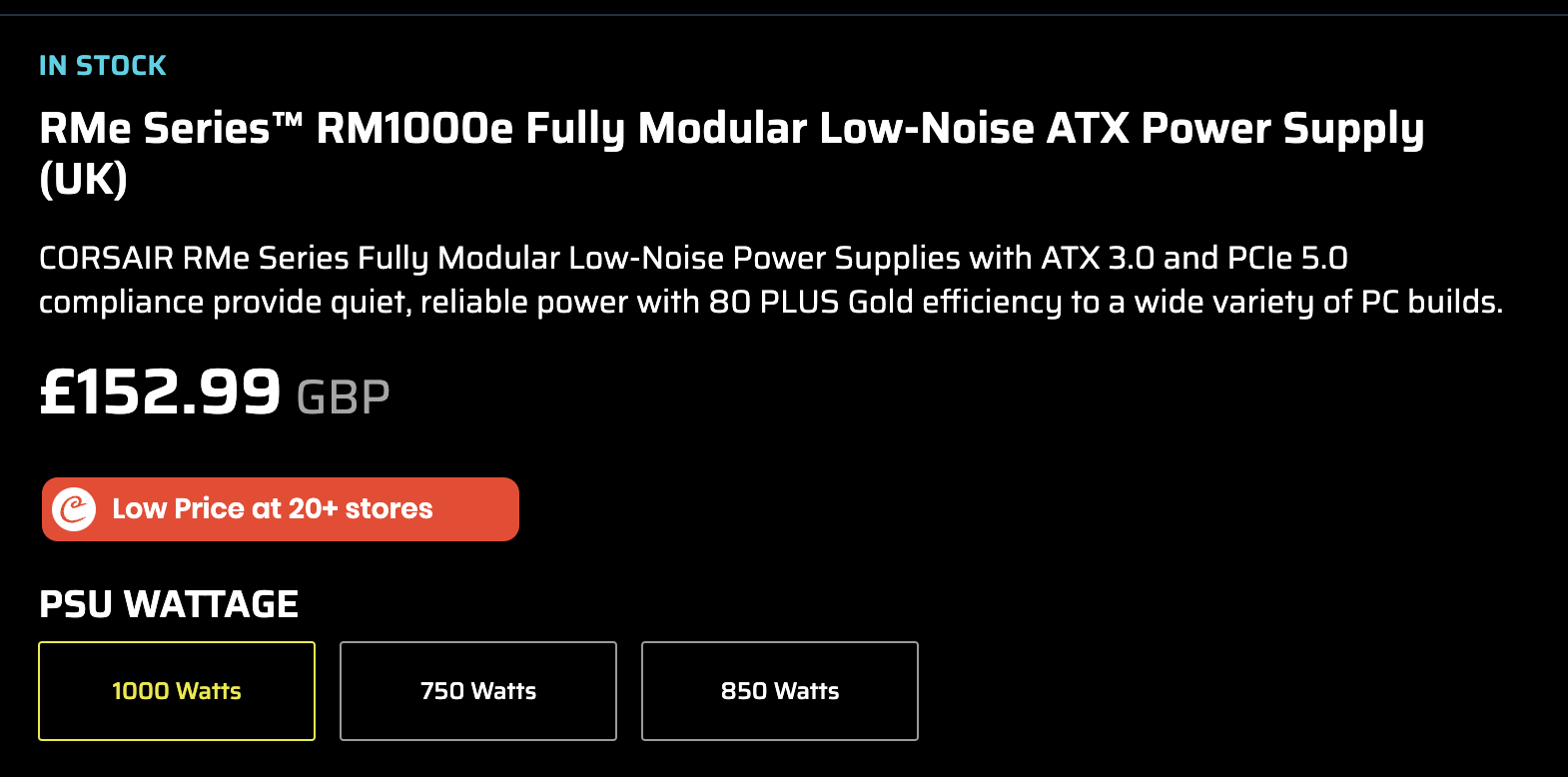
While Corsair have priced this product at £160 (in literature they sent us), you can find them available online for around the £150 mark inc vat. Even their own website shows them now at £152. There is no doubt there is a lot of competition in the market at the £150 price point, but this is a very good power supply so it deserves to sell well.
Pros:
- Great load regulation.
- Rifle bearing fan is relatively quiet for most of the load demand.
- Soldering quality is high.
- efficiency is good.
- cable quality is great.
- fully modular.
Cons:
- Fluid dynamic bearing fan option would be nice.
- Taiwanese Teapo primary cap.
- 7 year warranty could be a little better.
Kitguru says: The RM1000e is a very high quality, efficient power supply at a fairly reasonable price point of £150. It was able to deliver 1000w sustained for a long period of time. Build quality and component selection are great and it comes highly recommended.