 KitGuru KitGuru.net – Tech News | Hardware News | Hardware Reviews | IOS | Mobile | Gaming | Graphics Cards


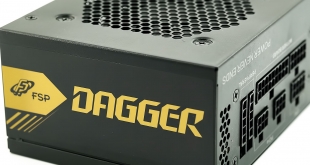
FSP have recently released two power supplies in the ‘Dagger' family – a 500W and 600W unit. They sent us the higher capacity 600 watt unit which is 80 Plus Gold certified, equipped with Japanese capacitors and is fully modular.
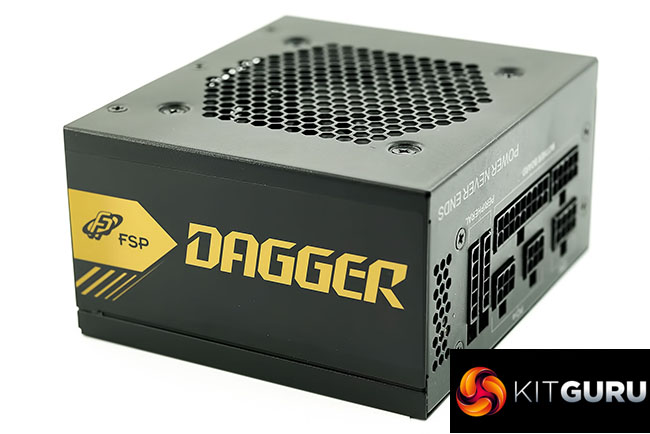
The Dagger 600 watt power supply is equipped with a single +12v rail which can help with heavier, overclocked system demands. FSP offer all of the major protection characteristics we would expect, although it appears that there is no UVP listed in the specifications.
FSP promote this range of power supplies as ‘VR-ready' and we recently sat down with them in their UK HQ for a chat – which you can see here, if you missed it initially.
FSP told us that this range of power supplies uses an LLC resonant converter to enhance efficiency but we will take a closer look inside later in the review. Due to the smaller physical size of this SFX unit, it is equipped with a smaller double ball bearing 80mm fan, which can prove noisy if the thermal curve is set too aggressively. More again on this later when we test the unit.
FSP Dagger 600 watt official specifications:
- Compliance with Micro ATX PC
- Compliance with newest SFX12V V3.3 & ATX12V V2.4
- 80 PLUS® Gold certified
- Efficiency ≧ 90% at typical load
- 100% Japan-made electrolytic capacitors
- High quality 80mm dual ball bearing fan
- Advanced full modular design with ribbon cables
- Powerful single +12V rail design
- Intel Skylake ready
- Full protections OCP, OVP, SCP, OPP, OCP, OTP
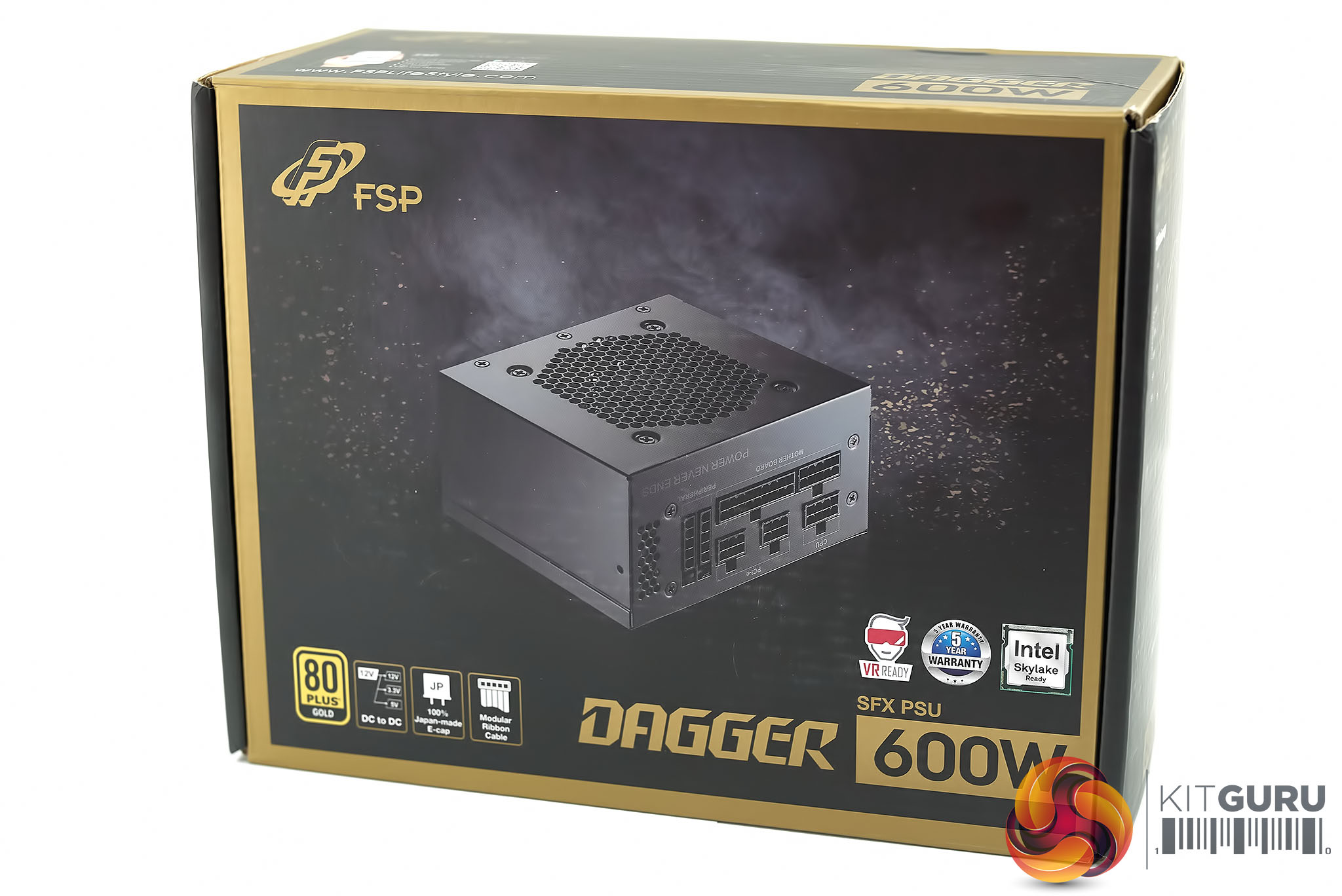
The FSP Dagger box artwork is fairly bland, and a little moody. A high resolution image of the unit is on the front of the box, as shown above. Icons bottom left highlight various features such as the five year warranty, minor rails DC-DC converters, electrolytic Japanese capacitors and compatibility with Intel's newer sleep states.
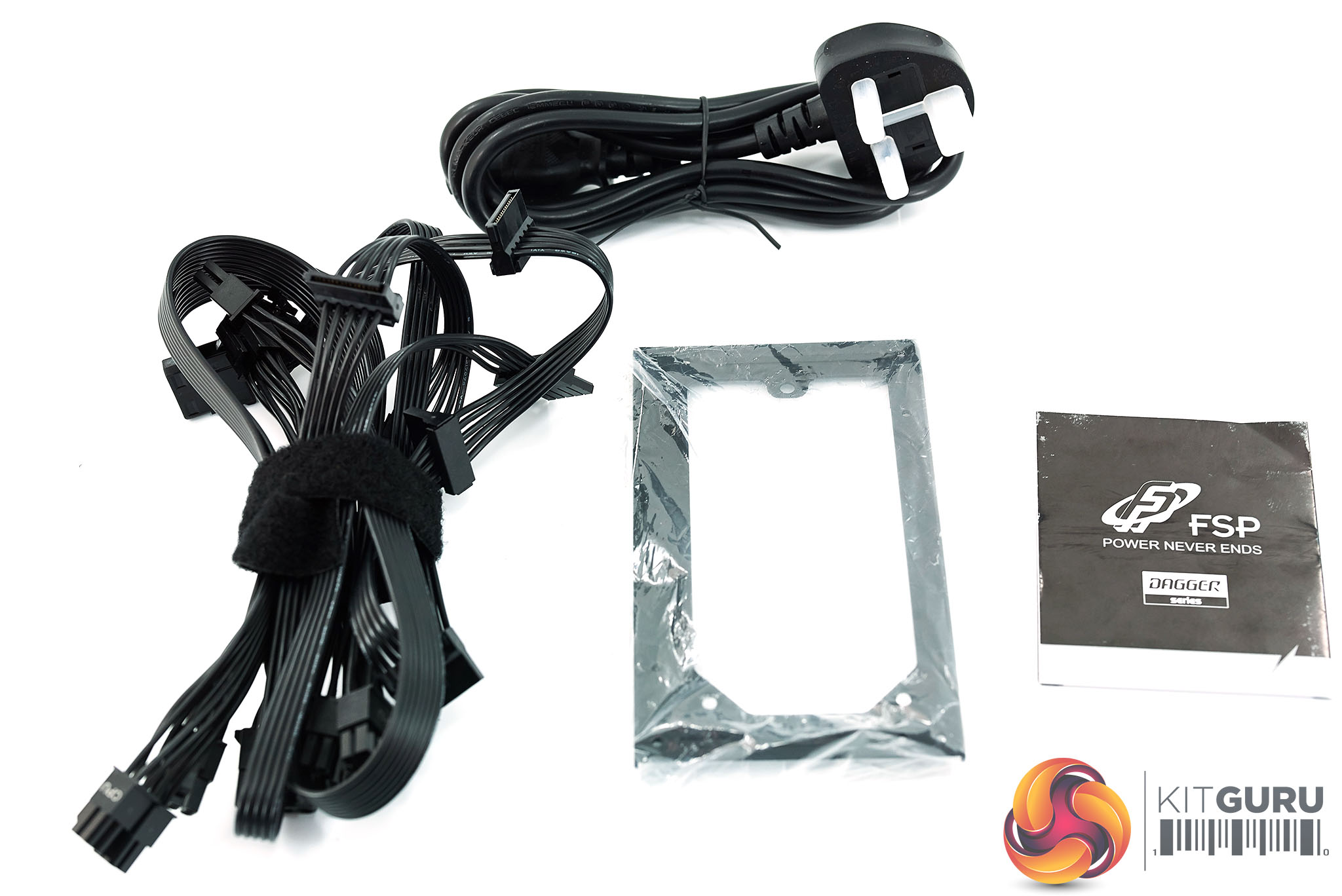
Inside the box is a regional specific power connector, a user manual, four screws, a Velcro strap and a handy SFX-to-ATX bracket for the system build phase.
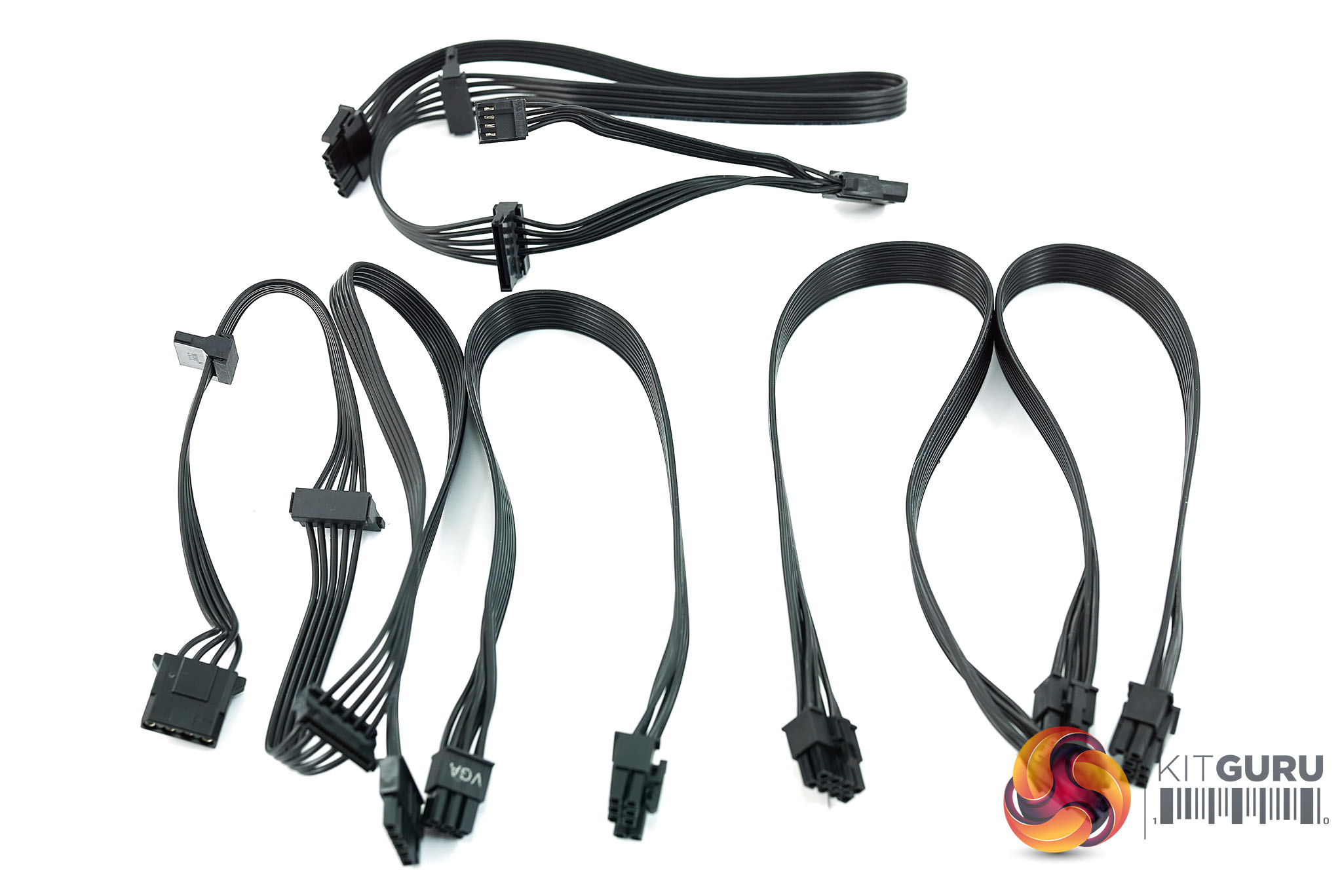
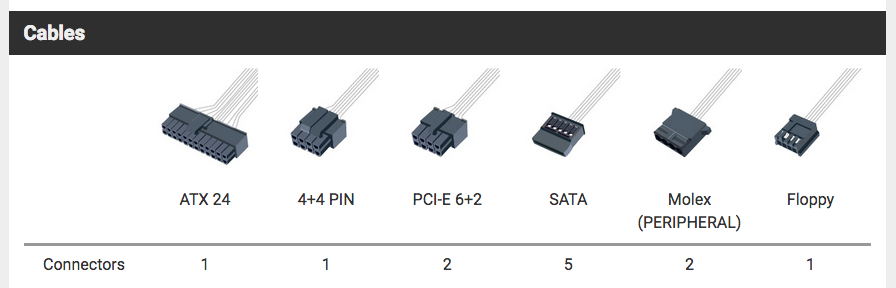
FSP are using high grade ribbon style cables which are ideal for routing. I was stunned to see a 600 watt power supply only equipped with 2x PCI-E 6+2 connectors. This supply should be easily capable of supporting dual graphics cards in the mid to mid/high sector.
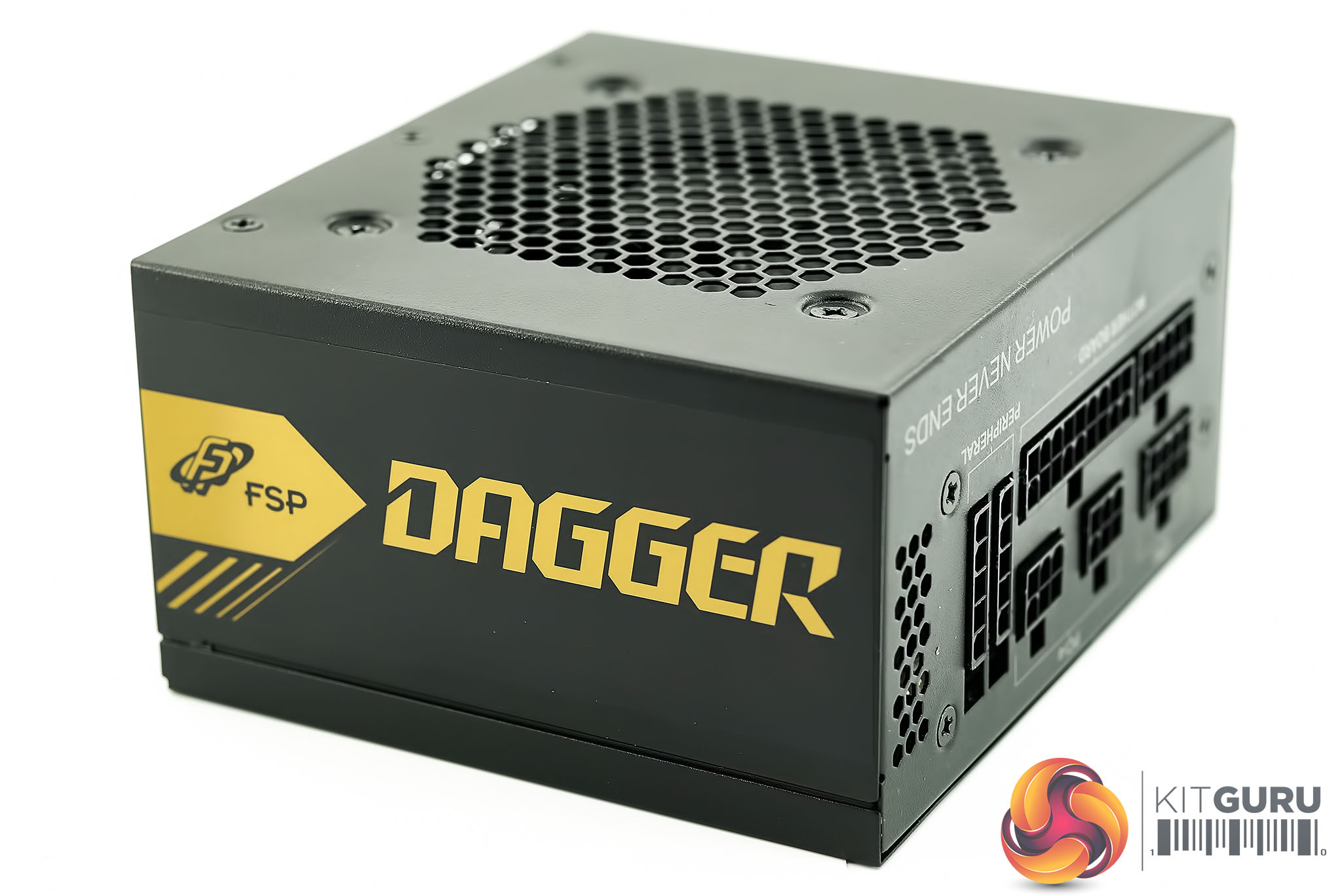
The FSP Dagger 600W SFX PSU is not finished to a very high standard. I ran the head of a screwdriver very gently across the paintwork and the paint peeled off immediately. I would class the overall finish as very poor. It is very disappointing to see this.
Surprisingly our sample arrived with the warranty sticker invalidated as someone had opened it before it arrived with us. We emailed FSP to ask if we received a ‘special reviewer version' but we have yet received no answer and based on the results later, it seems unlikely we did.
The SFX power supply measures 125mm (L) x 63.5mm (W) x 110mm (H) and weighs 1.182kg.
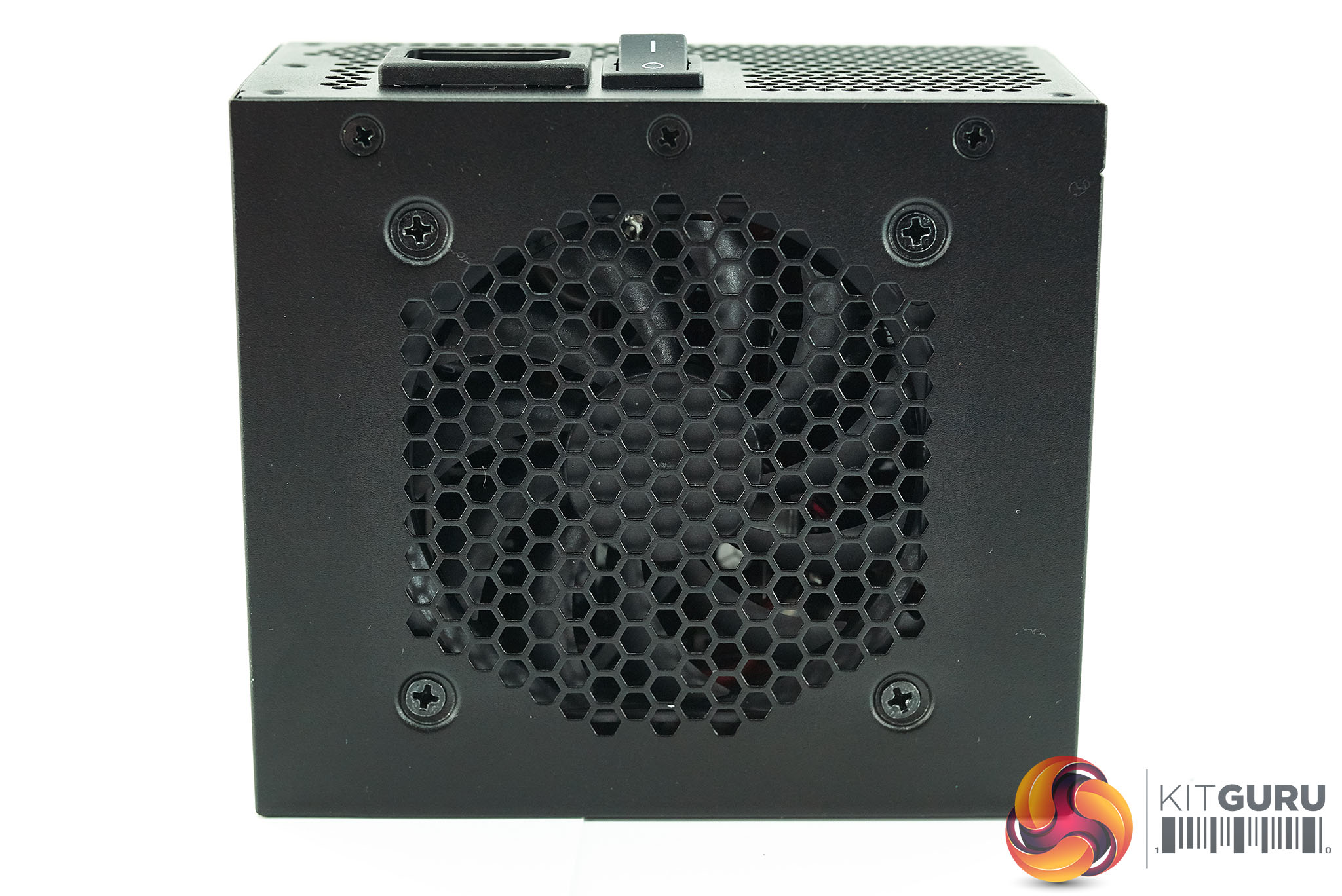
A fan is hidden behind a vented grill, shown above. We will take a closer look at the fan when we open the unit later in the review.
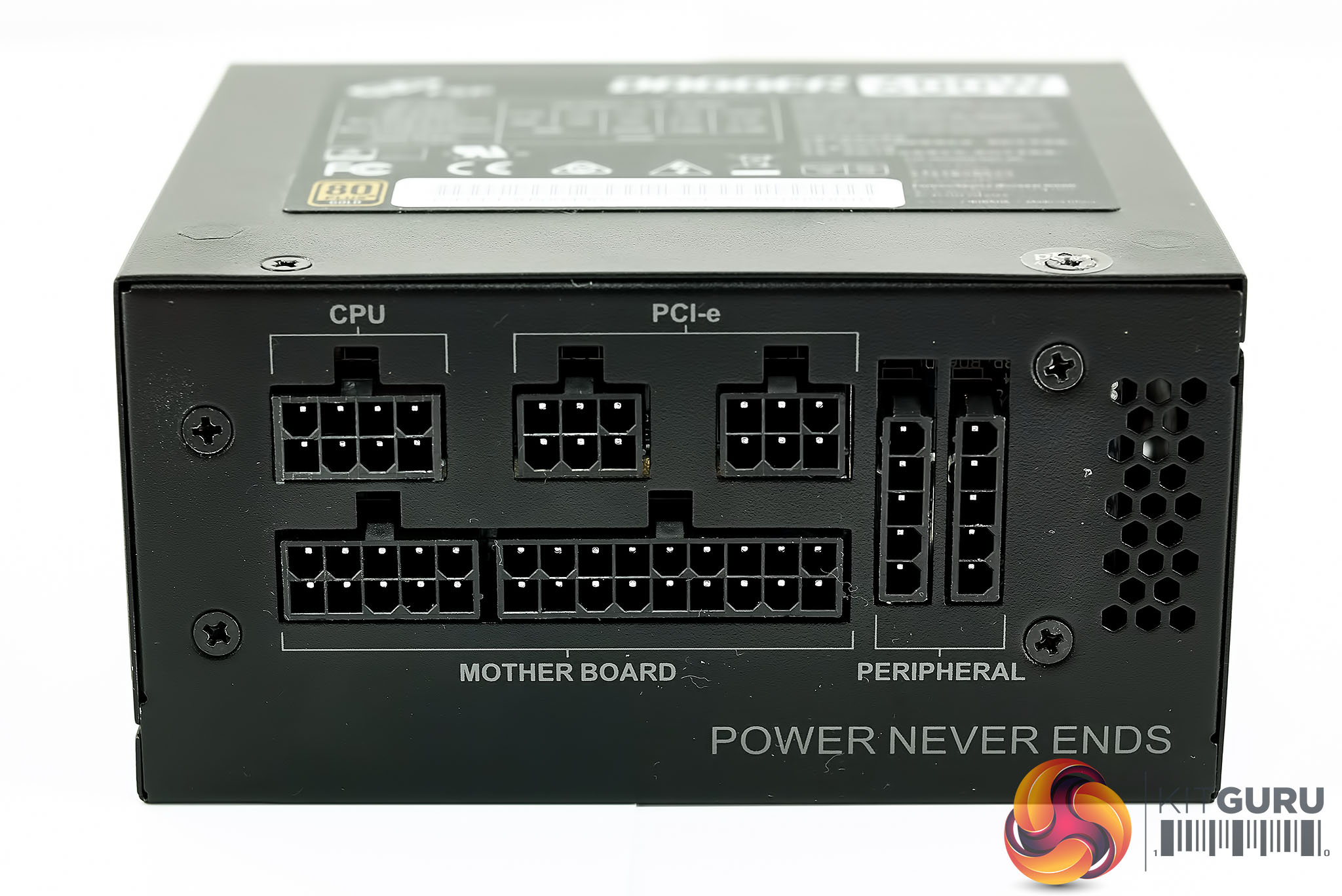
The modular bay on one side of the power supply is clearly laid out and labelled, for ease of use during the build phase. The 24 pin ATX cable demands two sockets on the lower row.
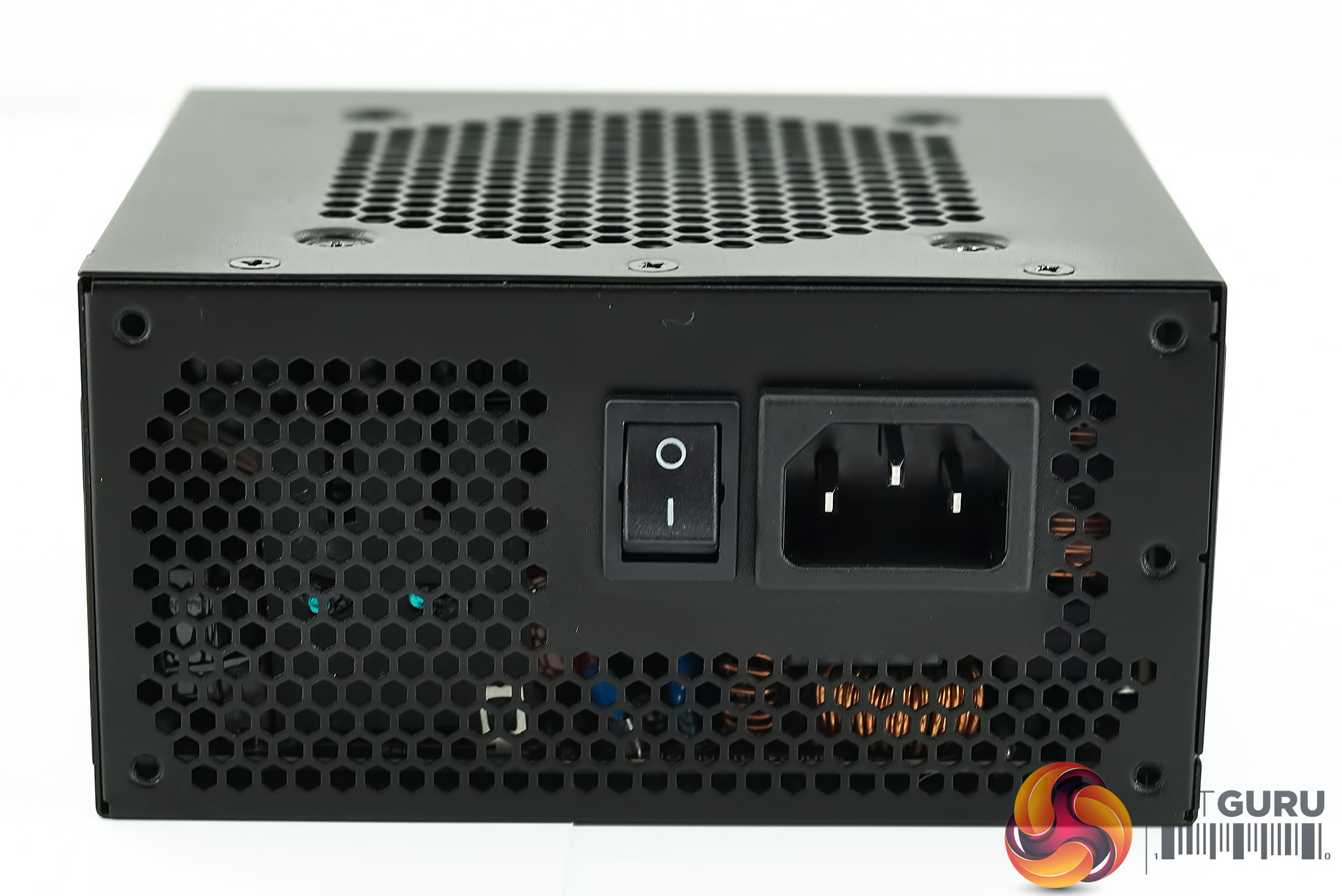
The other side of the power supply is vented. A power button and connector are located at the side of this panel.
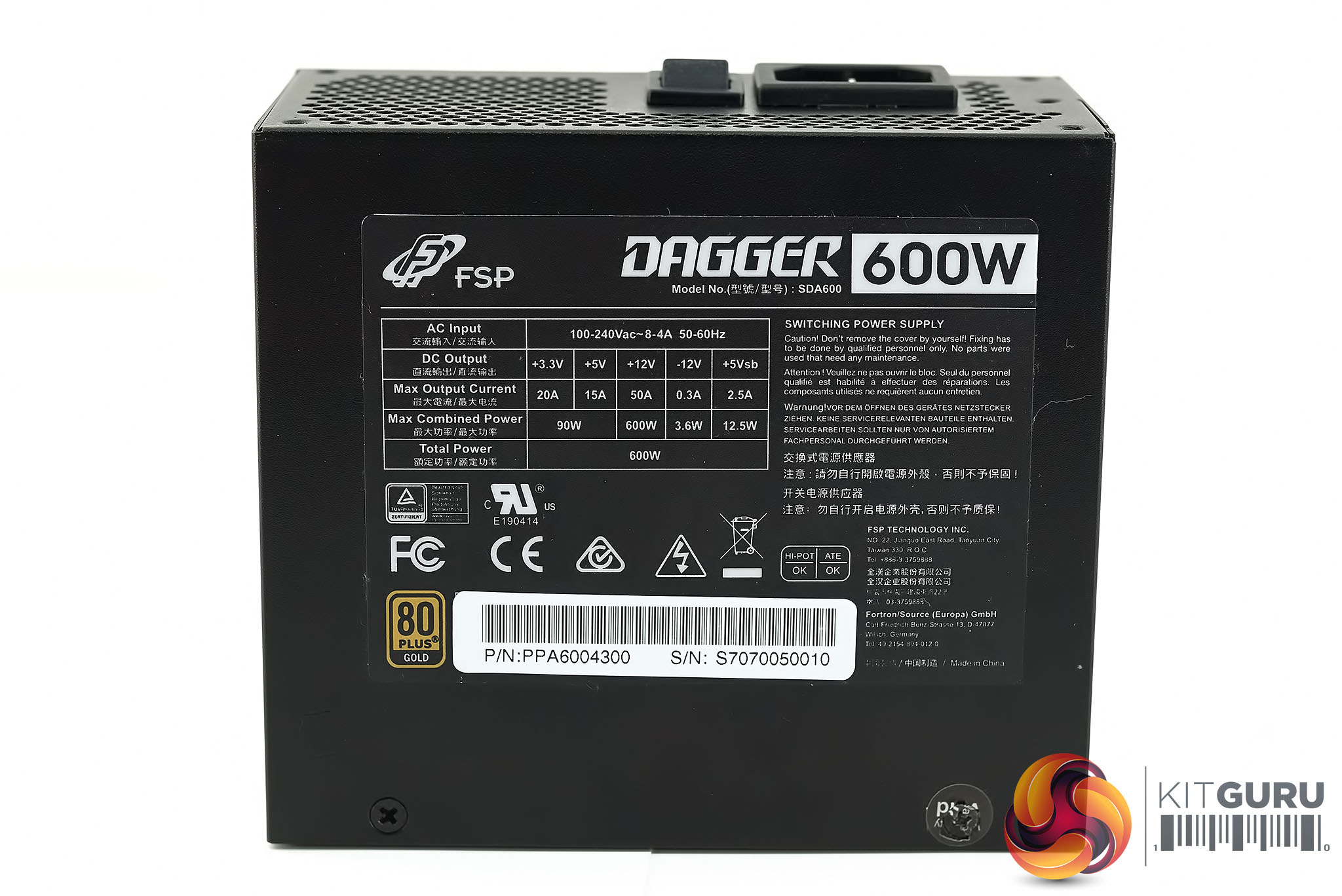
| FSP Dagger 600W SFX Power Supply | |||||
|
DC Output
|
+3.3V
|
+5V
|
+12V |
-12V
|
+5Vsb
|
|
Max Output
|
20A
|
15A
|
50A |
0.3A
|
2.5A
|
| Total Power | 90W | 600W | 3.6W | 12.5W | |
| 600W | |||||
The single +12V rail is able to deliver 50 amps which translates into 600 Watts total. The minor rails have a 90 watt limit which is lower than other 600 watt supplies we have reviewed in the last year. Even the Cougar LX Series 600 W supply (Which I would not rate as anything close to high end) delivers 130 watts via the minor rails. We can take some consolation to note the +12V rail is strong – delivering 50 amps.
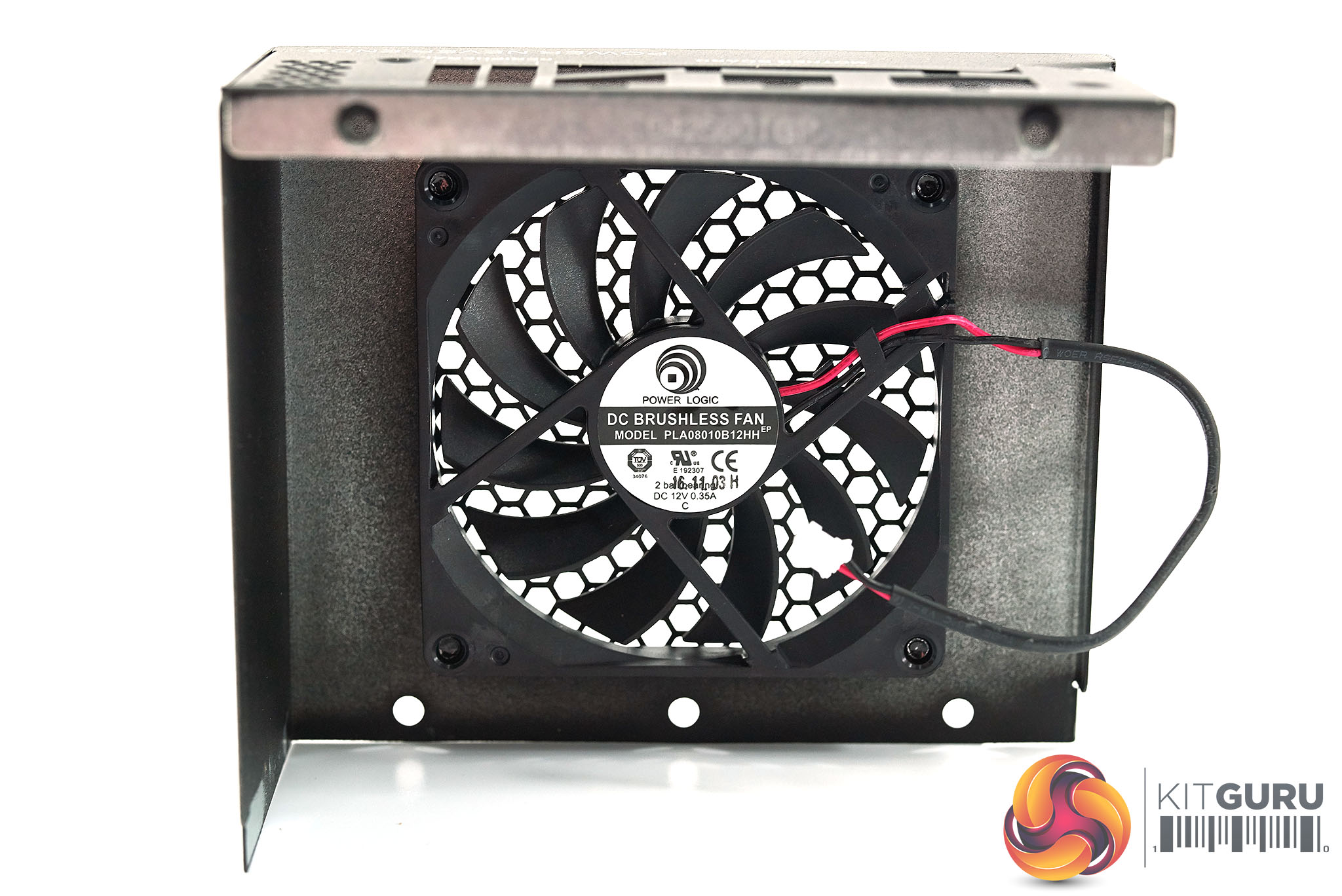
FSP are using a Power Logic double ball bearing fan model PLA08010B12HH. If it runs at full speed this fan will be loud, but we will check the FSP profile shortly when we get to testing the unit.
FSP Dagger 600W SFX Power Supply Gallery
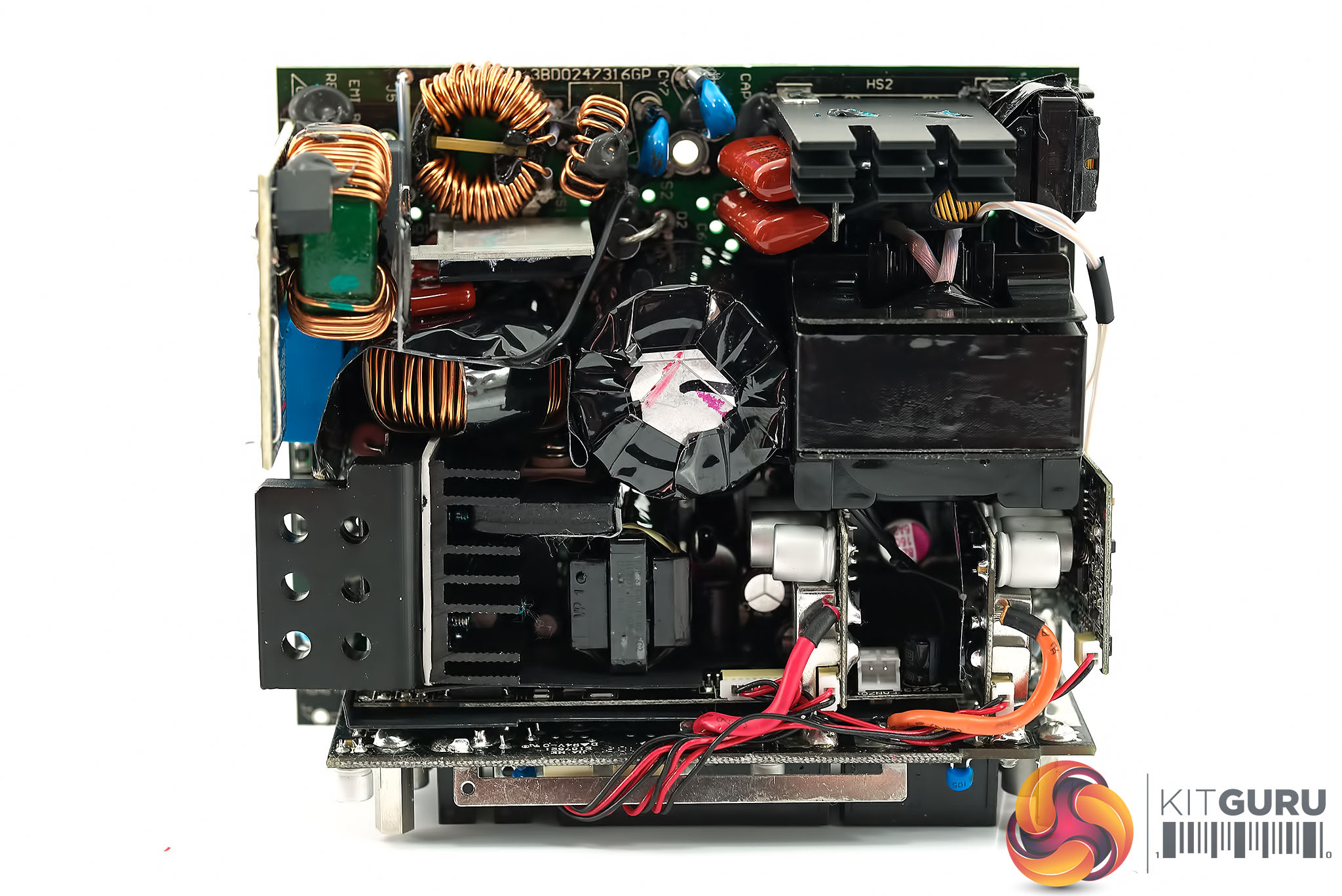
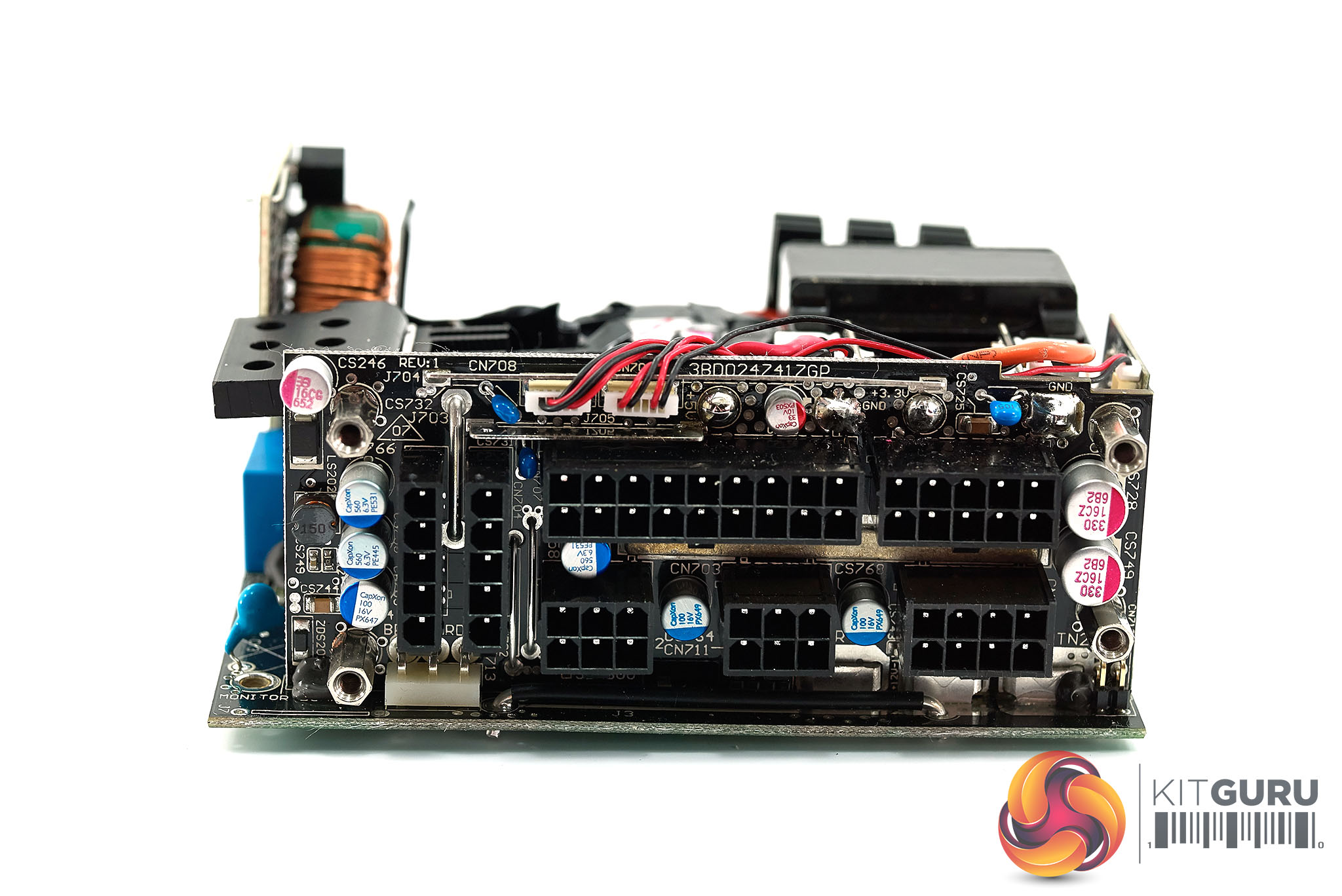
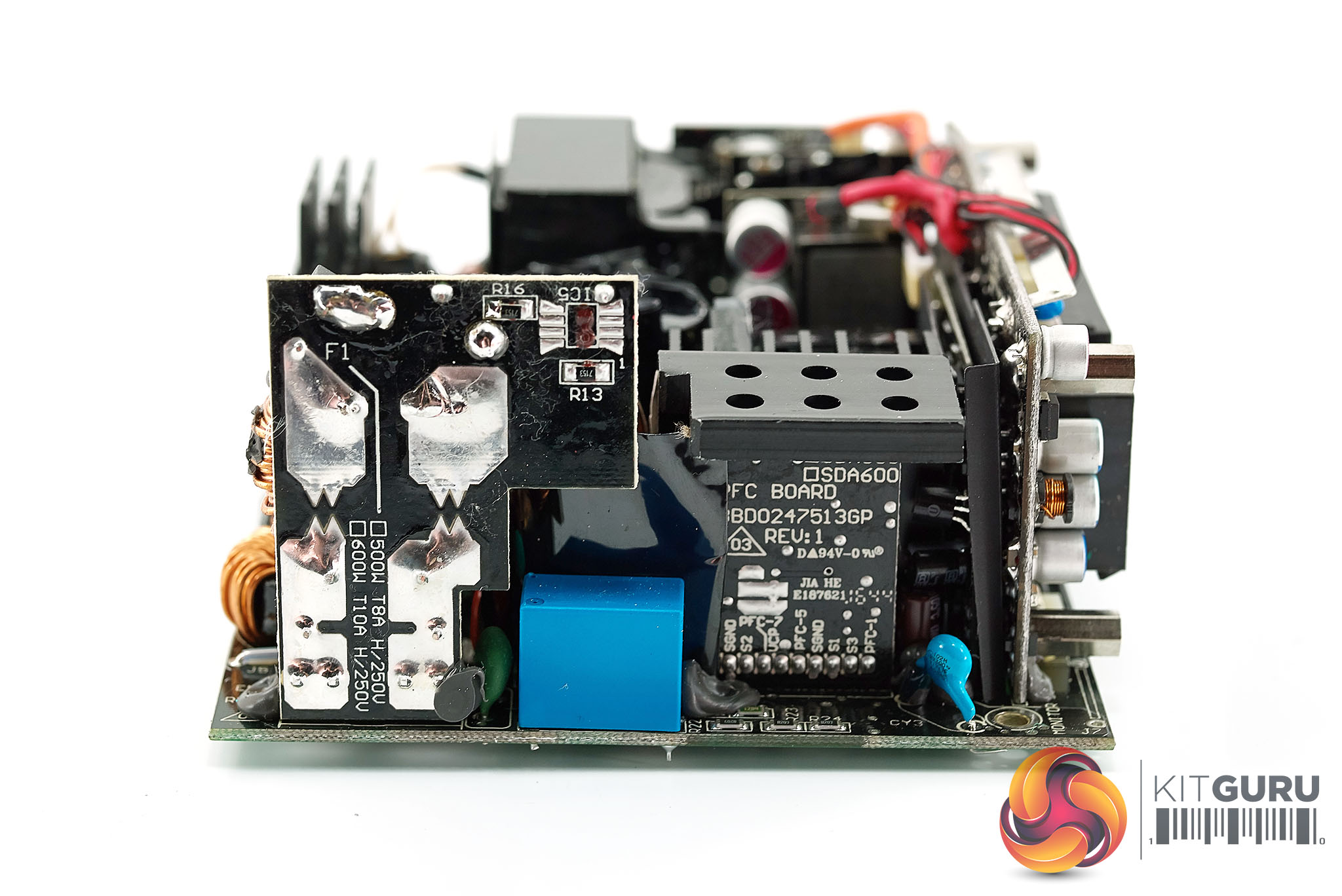
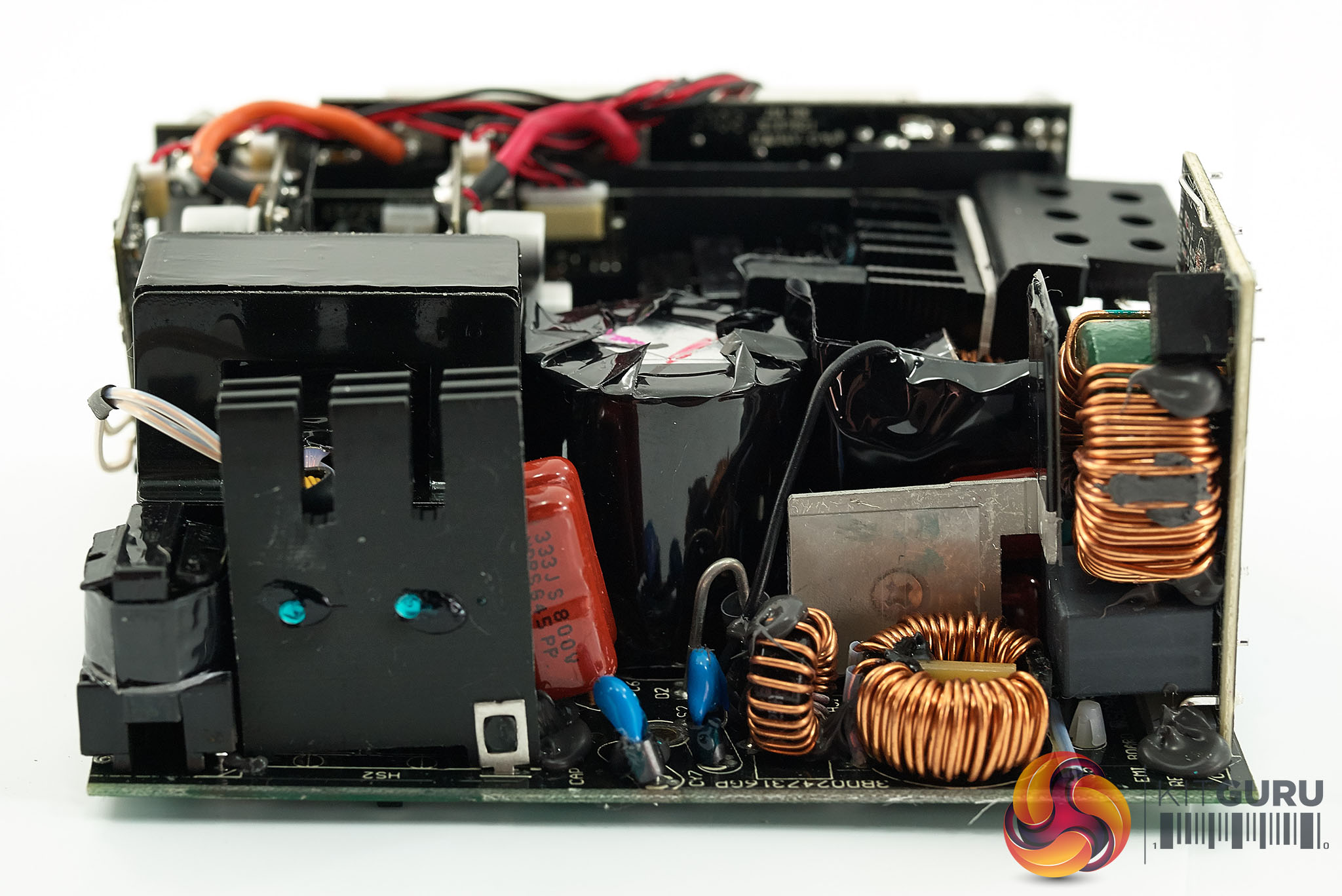
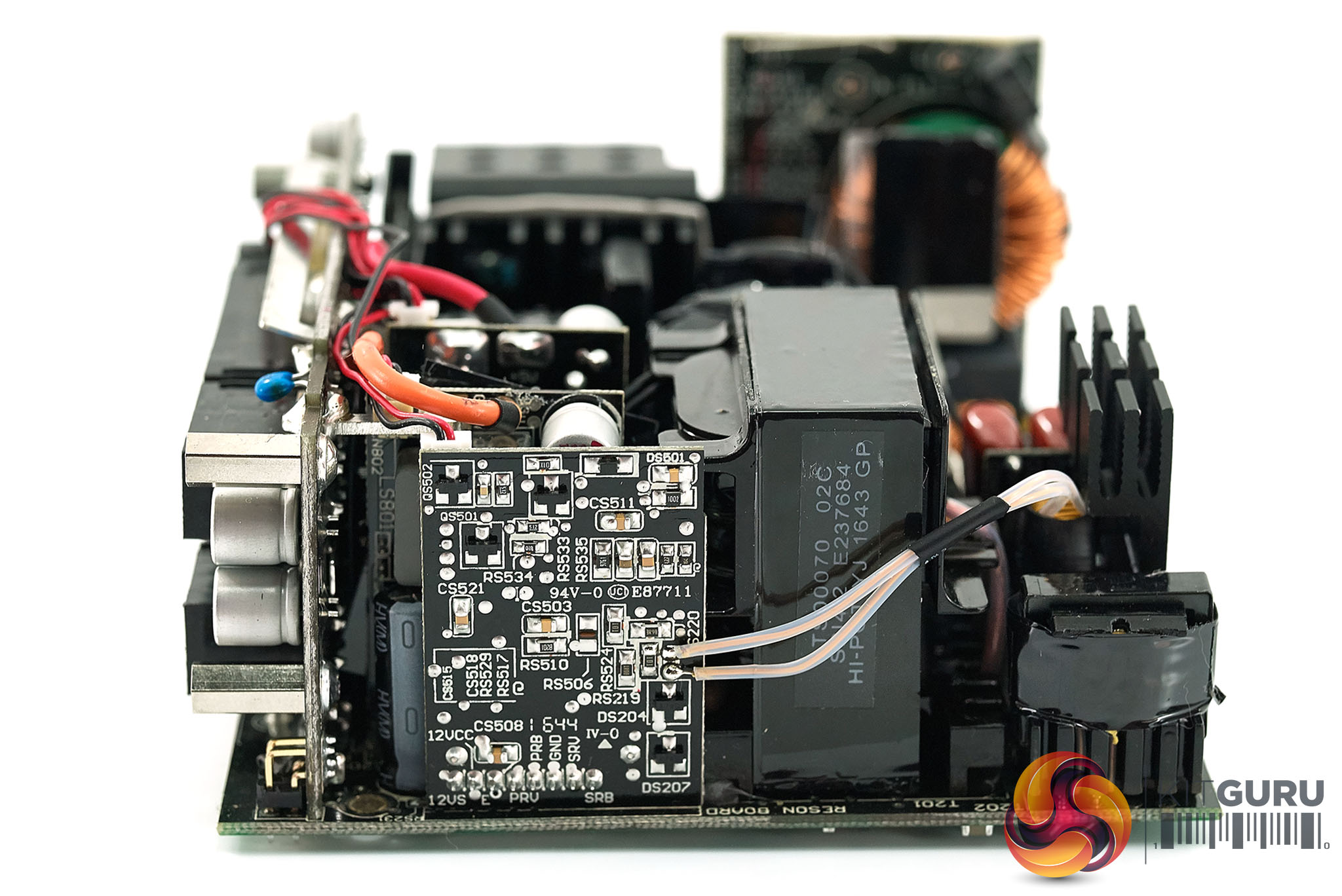
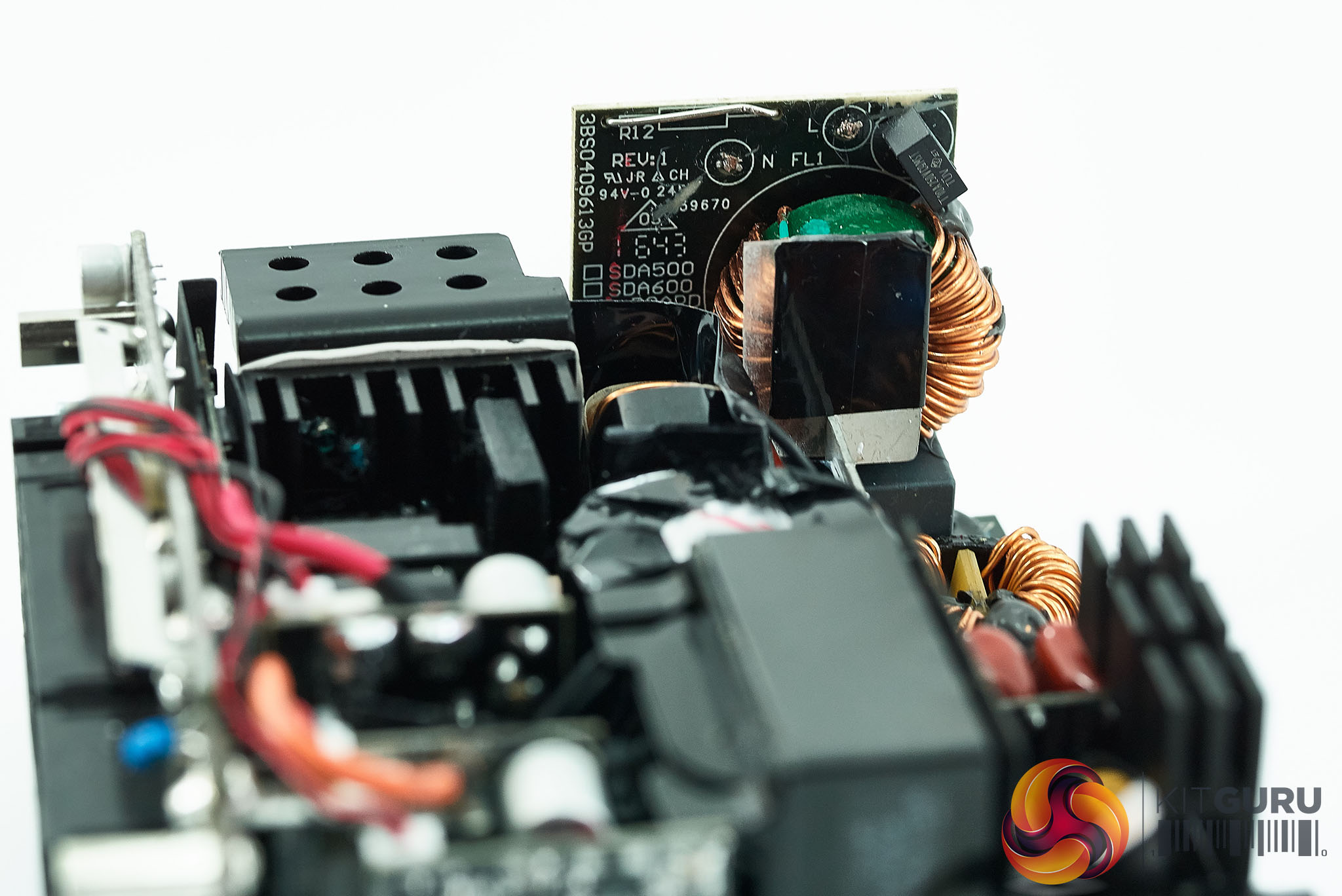
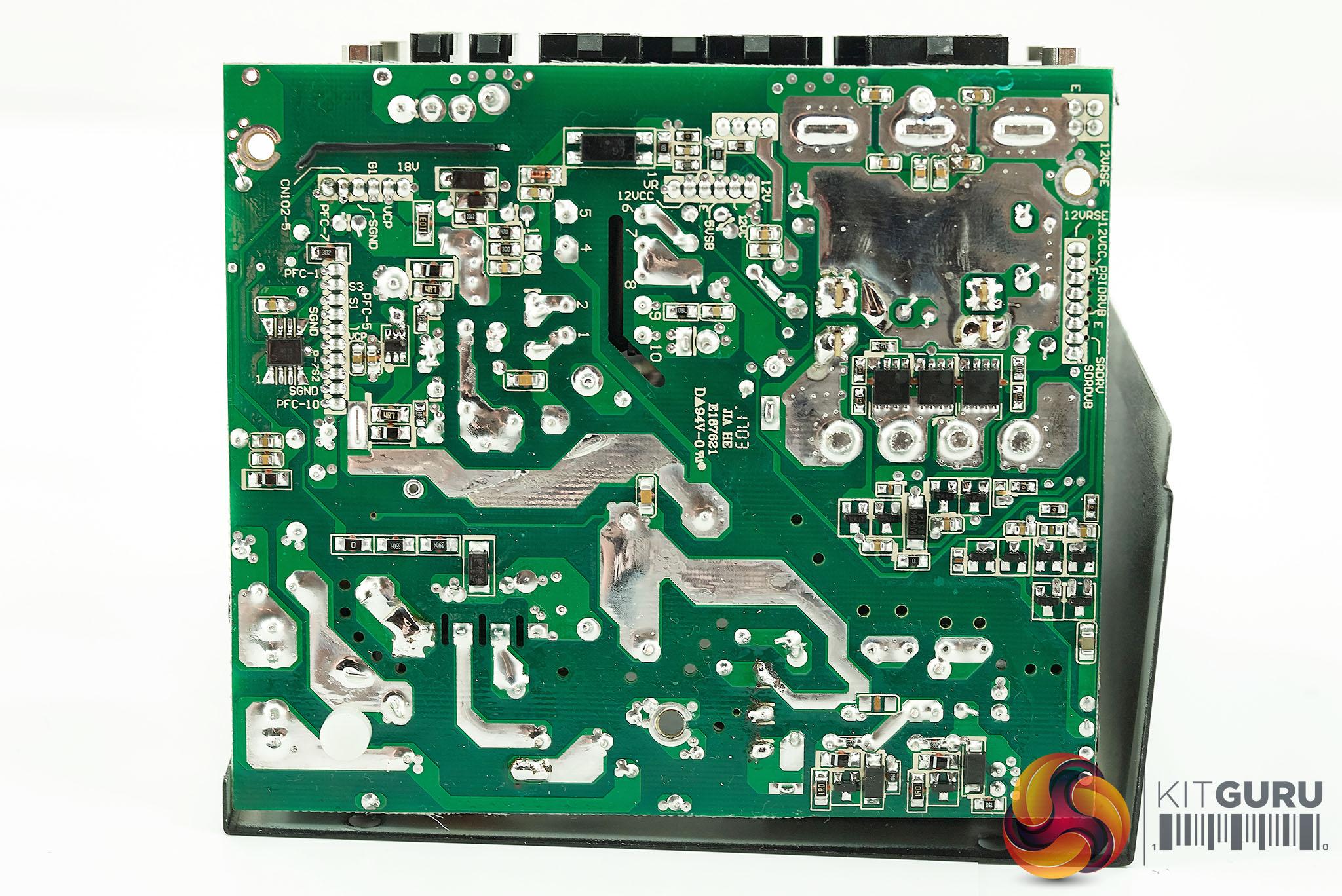
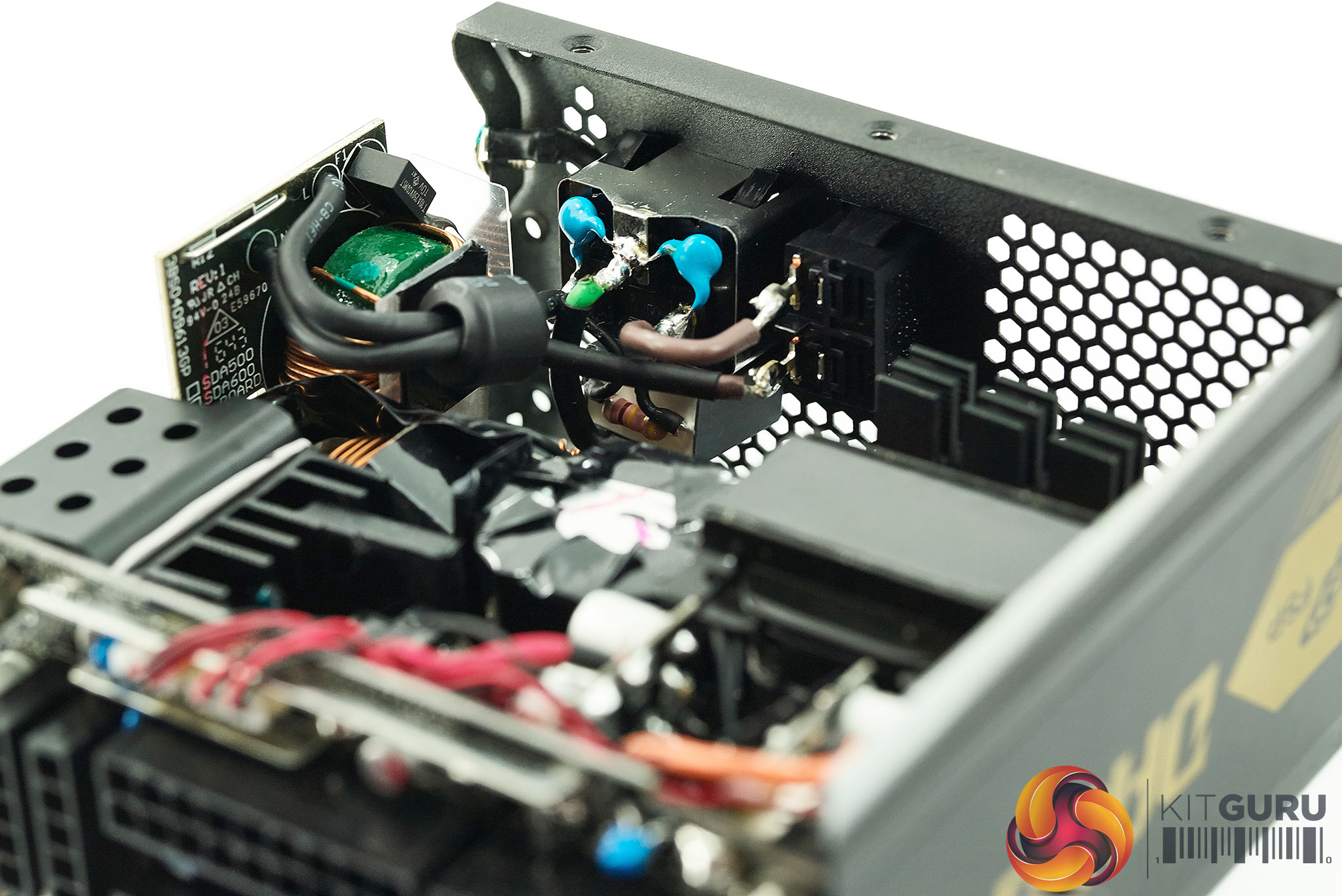
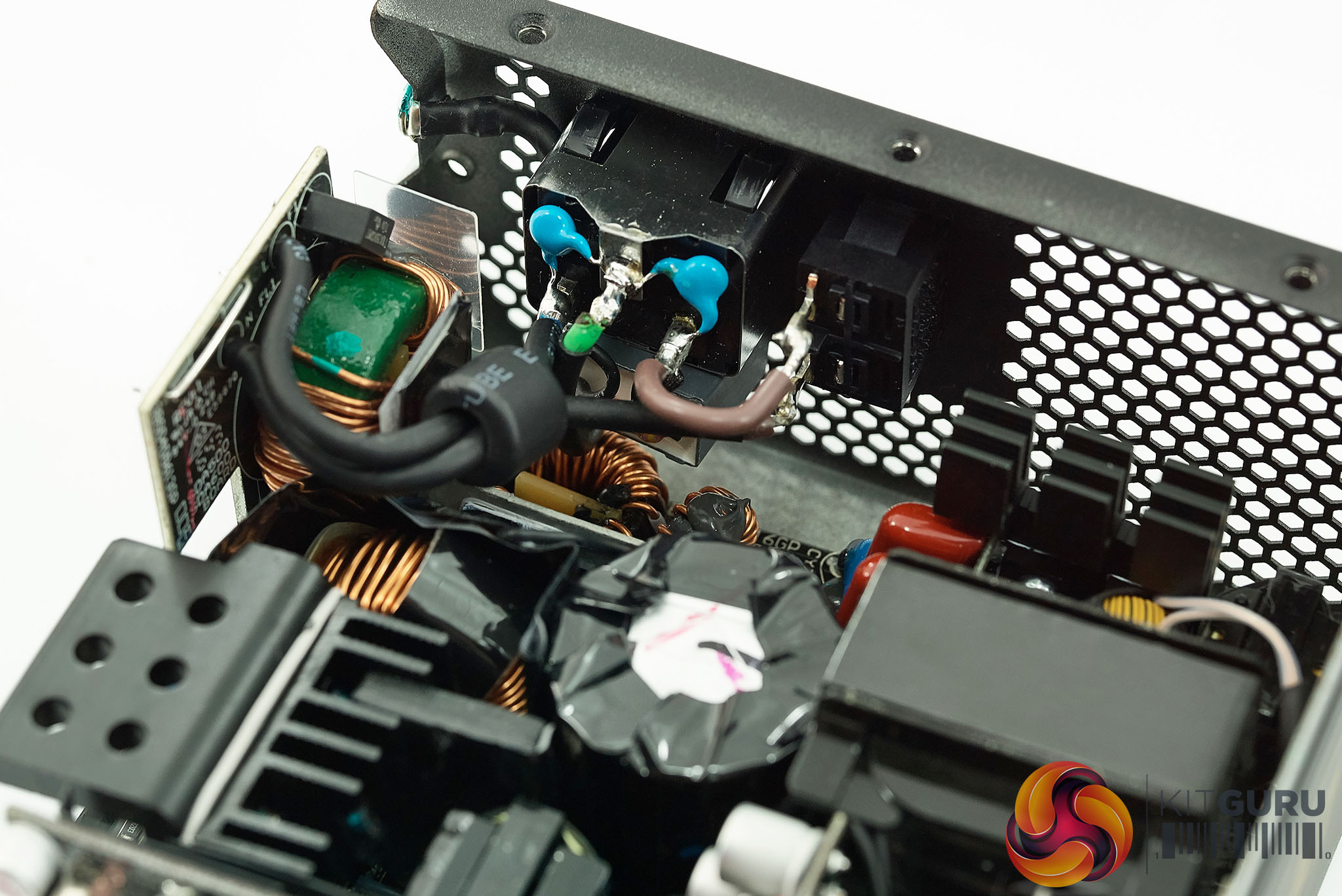
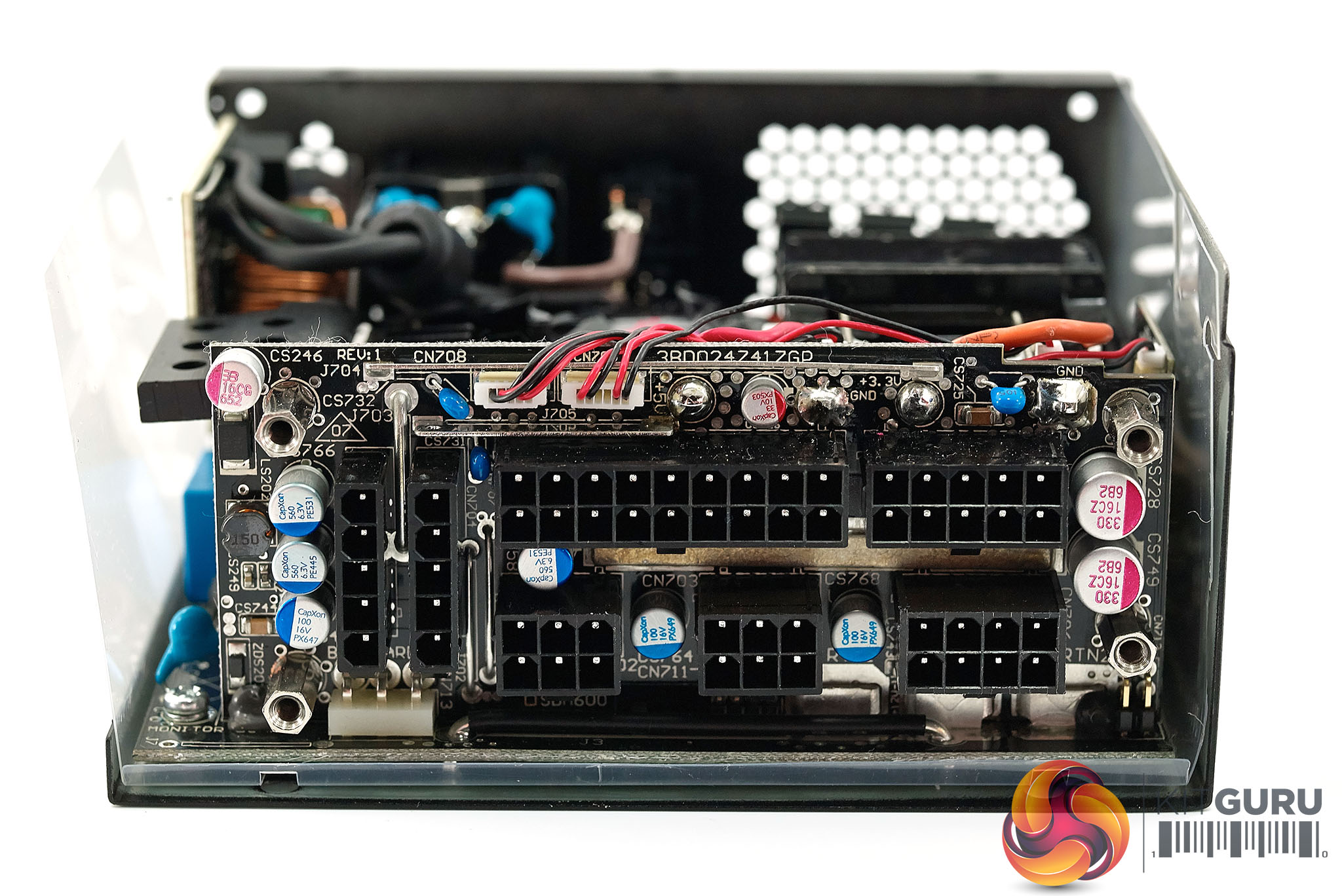
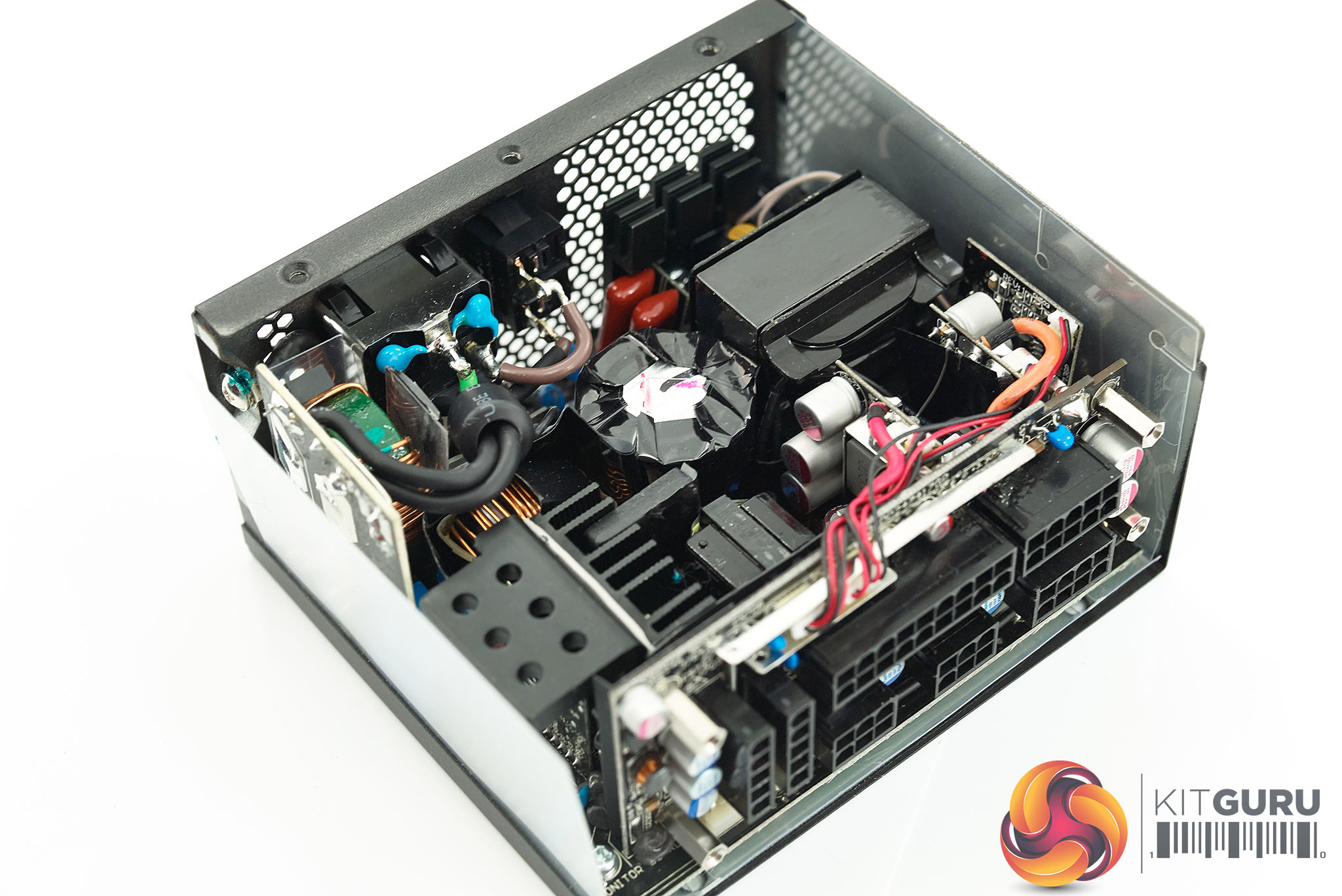
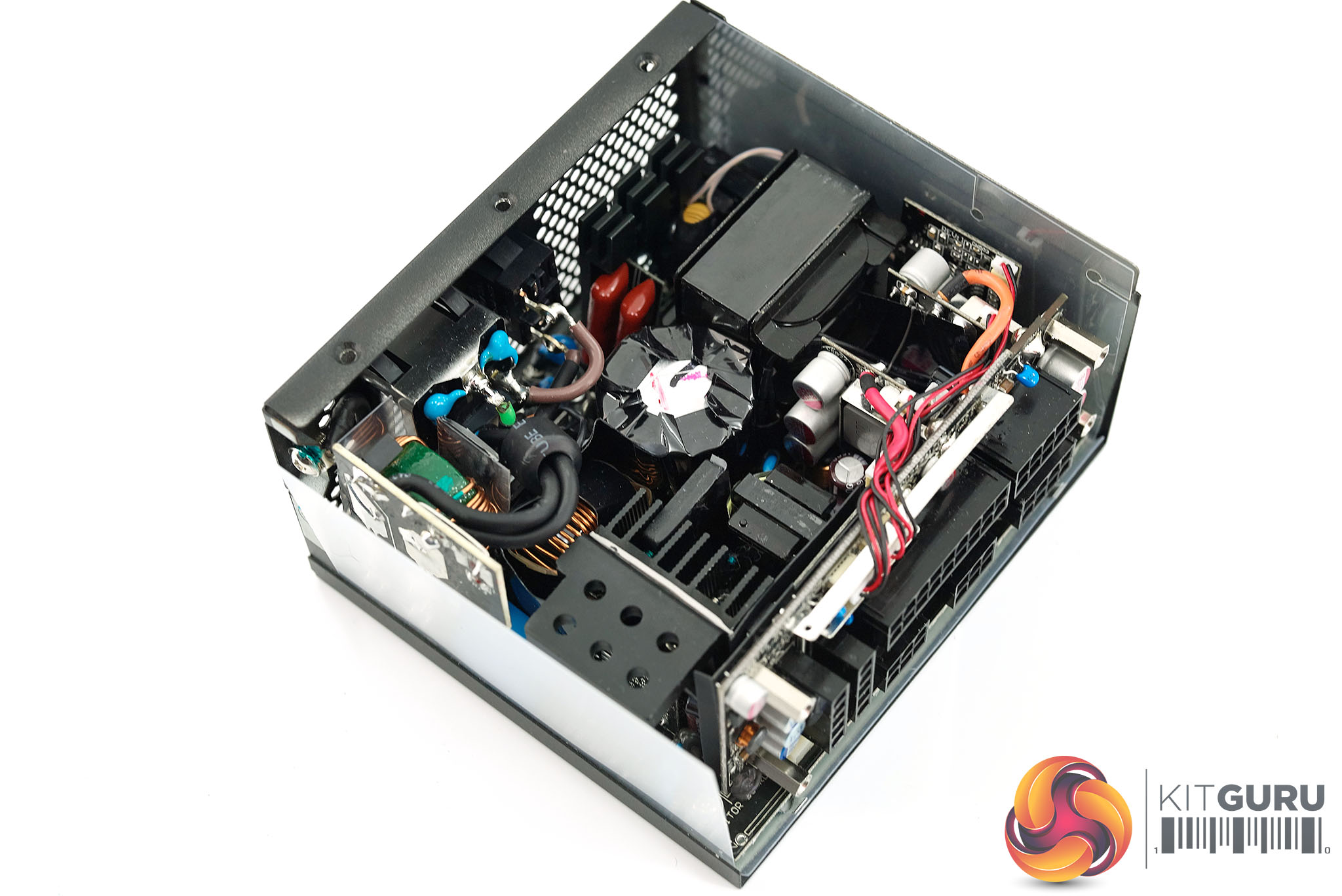
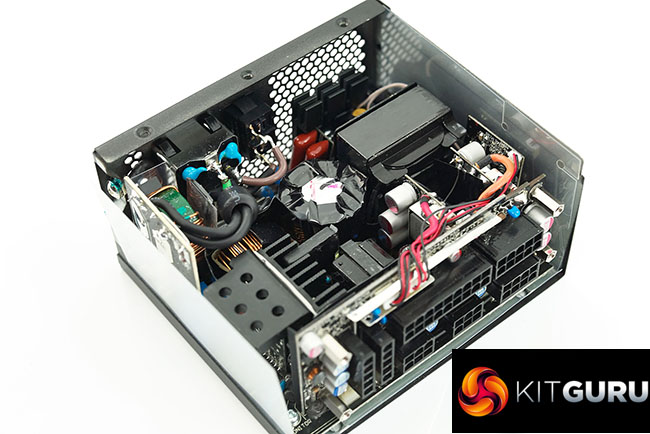
As this is an SFX supply, the PCB is small. An LLC resonant converter and half bridge topology are adopted on the primary side. The secondary side features a synchronous rectification system for the +12V rail and a couple of DC-DC converters to produce the minor rails.
The PCB is very crammed and due to the small physical dimensions air flow is going to be critical.
The transient filtering starts with a single X capacitor and two Y capacitors. The secondary part of the filtering stage is on the main PCB, on a small vertical board which includes two CM chokes and a single DM along with one X capacitor and two more Y capacitors. There is no MOV present, but they are using a diode for transient protection.
The primary capacitor is a Japanese Chemi Con model, part of their KWM platform. It does seem a little underspecified however considering the 600 watt demand. There are some polymer capacitors on the front of the modular board which filter the rails. FSP are using low grade CapXon polymer caps in this design which gives me some concern.
Soldering quality is far from stellar and falls short of the best we have seen in recent years. Still its not terrible.
Correctly testing power supplies is a complex procedure and KitGuru have configured a test bench which can deliver up to a 2,000 watt DC load.
We test ambient temperatures at 35c in our environment to greater reflect warmer internal chassis conditions.
We use combinations of the following hardware:
• SunMoon SM-268
• CSI3710A Programmable DC load (+3.3V and +5V outputs)
• CSI3711A Programmable DC load (+12V1, +12V2, +12V3, and +12V4)
• Extech Power Analyzer
• Extech MultiMaster MM570 digital multimeter
• SkyTronic DSL 2 Digital Sound Level Meter (6-130dBa)
• Digital oscilloscope (20M S/s with 12 Bit ADC)
• Variable Autotransformer, 1.4 KVA
|
DC Output Load Regulation
|
||||||||||
|
Combined DC Load |
+3.3V
|
+5V
|
+12V
|
+5VSB
|
-12V | |||||
|
A
|
V
|
A
|
V
|
A
|
V
|
A
|
V
|
A | V | |
|
60W
|
0.91
|
3.33
|
0.95
|
4.99
|
3.90
|
12.02
|
0.50
|
5.01
|
0.20
|
-12.04
|
|
120W
|
1.58
|
3.31
|
1.60
|
4.96
|
8.20
|
12.01
|
1.00
|
4.98
|
0.20
|
-12.04
|
|
300W
|
3.02
|
3.28
|
3.10
|
4.95
|
21.90
|
11.99
|
1.50
|
4.95
|
0.20
|
-12.05
|
| 450W |
4.15
|
3.27
|
4.12
|
4.92
|
33.56
|
11.96
|
2.00
|
4.92 |
0.30
|
-12.06
|
|
600W
|
5.15
|
3.25
|
5.33
|
4.88
|
45.29
|
11.94
|
2.50
|
4.88
|
0.30
|
-12.07
|
Load regulation is fair, – the +12V rail is quite good, but 3.3V, 5V and 5VSB are quite loose.
| FSP Dagger 600W SFX | Maximum Load |
| 607W |
We managed to get 607W out of the power supply before it shut down. Not one of the greatest results we have seen.
Next we want to try Cross Loading. This basically means loads which are not balanced. If a PC for instance needs 500W on the +12V outputs but something like 30W via the combined 3.3V and +5V outputs then the voltage regulation can fluctuate badly.
| Cross Load Testing | +3.3V | +5V | +12V | -12V | +5VSB | |||||
| A | V | A | V | A | V | A | V | A | V | |
| 590W | 1.0 | 3.33 | 1.0 | 4.98 | 46.0 | 11.92 | 0.2 | -11.95 | 0.50 | 4.97 |
| 145W | 12.0 | 3.22 | 15.0 | 4.87 | 2.0 | 12.00 | 0.2 | -12.00 | 0.50 | 4.93 |
The supply passed the cross load test, although the results show quite a variation on the rails.
We then used an oscilloscope to measure AC ripple and noise present on the DC outputs. We set the oscilloscope time base to check for AC ripple at both high and low ends of the spectrum. ATX12V V2.2 specification for DC output ripple and noise is defined in the ATX 12V power supply design guide.
|
ATX12V Ver 2.2 Noise/Ripple Tolerance
|
|
|
Output
|
Ripple (mV p-p)
|
|
+3.3V
|
50
|
|
+5V
|
50
|
|
+12V1
|
120
|
|
+12V2
|
120
|
|
-12V
|
120
|
|
+5VSB
|
50
|
Obviously when measuring AC noise and ripple on the DC outputs the cleaner (less recorded) means we have a better end result. We measured this AC signal amplitude to see how closely the unit complied with the ATX standard.
| AC Ripple (mV p-p) | ||||
| DC Load | +3.3V | +5V | +12V | 5VSB |
| 75W | 25 | 20 | 15 | 10 |
| 150W | 30 | 20 | 20 | 10 |
| 300W | 40 | 30 | 25 | 15 |
| 450W | 55 (fail) | 35 | 30 | 20 |
| 600W | 70 (fail) |
35 | 30 | 20 |
Noise suppression is a bit of problem – mainly the +3.3V rail which falls out of spec around 430 Watts load. At full load it rises to around 70mV – a full 20mV above the maximum tolerance guidelines.
The +12V ripple suppression results are good – peaking at around 30mV under full load conditions. We don't often get power supplies to review that fail these tests, so its quite concerning to see.
|
Efficiency (%) 230V
|
|
|
75W
|
78.86
|
|
150W
|
90.35 |
|
300W
|
91.21
|
|
450W
|
88.67
|
|
600W
|
88.23
|
Efficiency peaks at just over 91 percent at around 300 watt – 310 watt load. This drops down to just over 88% at full load. It falls a little short of 92% Gold certification in our tests.
We take the issue of noise very seriously at KitGuru and this is why we have built a special home brew system as a reference point when we test noise levels of various components. Why do this? Well this means we can eliminate secondary noise pollution in the test room and concentrate on components we are testing. It also brings us slightly closer to industry standards, such as DIN 45635.
Today to test the Power Supply we have taken it into our acoustics room environment and have set our SkyTronic DSL 2 Digital Sound Level Meter (6-130dBa) one meter away from the unit. We have no other fans running so we can effectively measure just the noise from the unit itself.
As this can be a little confusing for people, here are various dBa ratings in with real world situations to help describe the various levels.
KitGuru noise guide
10dBA – Normal Breathing/Rustling Leaves
20-25dBA – Whisper
30dBA – High Quality Computer fan
40dBA – A Bubbling Brook, or a Refrigerator
50dBA – Normal Conversation
60dBA – Laughter
70dBA – Vacuum Cleaner or Hairdryer
80dBA – City Traffic or a Garbage Disposal
90dBA – Motorcycle or Lawnmower
100dBA – MP3 Player at maximum output
110dBA – Orchestra
120dBA – Front row rock concert/Jet Engine
130dBA – Threshold of Pain
140dBA – Military Jet takeoff/Gunshot (close range)
160dBA – Instant Perforation of eardrum
|
Noise (dBA)
|
|
|
75W
|
<28.0
|
|
150W
|
<28.0
|
|
300W
|
32.4
|
|
450W
|
33.9
|
| 600W | 35.7 |
The fan is never that intrusive during general operation – spinning relatively slowly … although if you task the power supply with a constant load close to the maximum 600 watt rating, the fan will spin up quickly to compensate for rising temperatures. This is really not a realistic real world situation to be running however.
|
Temperature (c)
|
||
|
Intake
|
Exhaust
|
|
|
75W
|
35
|
41
|
|
150W
|
35
|
46
|
|
300W
|
37
|
53
|
|
450W
|
41
|
61
|
|
600W
|
44
|
68
|
The small fan is equipped with a fairly passive profile – its only in the last 15% of load that it starts to spin up dramatically to compensate for rising temperatures inside the chassis.
|
Maximum load
|
Efficiency
|
|
607W
|
87.9
|
At 607W the FSP power supply drops to 87.9%. This is not a viable ‘real world’ situation, but its interesting nonetheless.
The FSP Dagger 600W SFX power supply has been a rather disappointing unit to test. SFX power supplies are in short order on todays market, but I find it difficult to recommend this unit to any of our readers if I was being perfectly open and honest.
We like the fact that FSP have opted for modular cabling as it makes system builds into restrictive chassis much easier when it comes to routing. Not only is the cabling good, but even though the fan inside this power supply is small, it is well tuned to keep noise emissions as low as possible, without causing any issues.
First impressions weren't entirely positive however as the chassis scratched very easy, with wafer thin paint work all to eager to show silver underneath. I would expect greater quality control from FSP actually as I feel this power supply will scratch during a build phase, if extra special care is not taken by the user.
The 3.3V board inside the unit has a problem which gives us concern as the unit failed the ripple suppression test, one of the few we have had in to test that has hit 70mV at full load, well outside industry rated tolerances (50mV maximum). Surprisingly the +12V rail held up pretty well in our tests.
The unit is quiet under most conditions which means it will be ideal for people running in noise sensitive environments such as a bedroom or living room.
I was also a little unhappy to see only 2 PCI-E 6+2 pin power connectors available. I appreciate that this is an SFX unit and there are some compromises to be made, but there are situations that a user may wish to equip his or her system with two mid/high range graphics cards in SLI or Crossfire. 600 Watts is more than enough power to drive a powerful SLI system in 2017.
Another issue right now is availability in the United Kingdom. I asked FSP about this and they told me it is currently available in America. You can buy it from Amazon in the USA for $109.99 HERE.
As it stands, I would recommend the user base to check out the Corsair SF line as they are technically superior and easily available.
Discuss on our Facebook page, over HERE.
Pros:
- +12V ripple suppression is good.
- Load regulation.
- Quiet under most situations.
- Fan is pretty good.
- Modular design.
Cons:
- +3.3V ripple suppression fail.
- only 2X PCIe connectors.
- Finishing is very poor.
- CapXon polymer caps.
Kitguru says: The FSP Dagger 600W looks good on paper. Its an SFX design with Japanese primary cap, 80 Plus gold rated and is equipped with modular cables. In the real world there are some technical issues that make it very difficult for us to recommend, even if you could find it in the UK.
But is it ‘VR’ ready LMAO, I’m not watching the FSP video, I think the cringe would make my teeth grind. The scary thing is the Dollar to Pound conversion doesn’t tend to change much in translation and £110 gets you a lot of power supply, I think I got my 850W Super Flower supply for about that on special.
It’s a “SFX” PSU!