KitGuru KitGuru.net – Tech News | Hardware News | Hardware Reviews | IOS | Mobile | Gaming | Graphics Cards


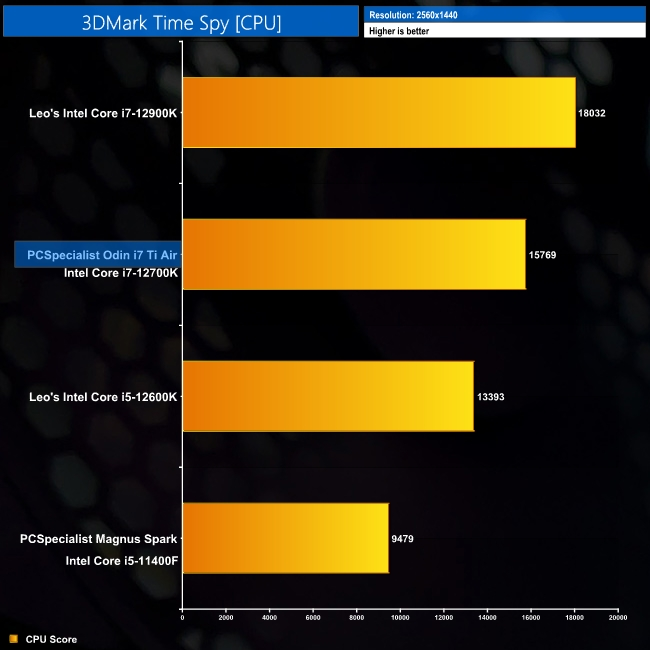
Our Time Spy CPU score is comfortably better than the i5-12600K, delivering 15769 points, 2376 more than the i5. Leo's 12900K scored 18032, so we are right in the middle here.
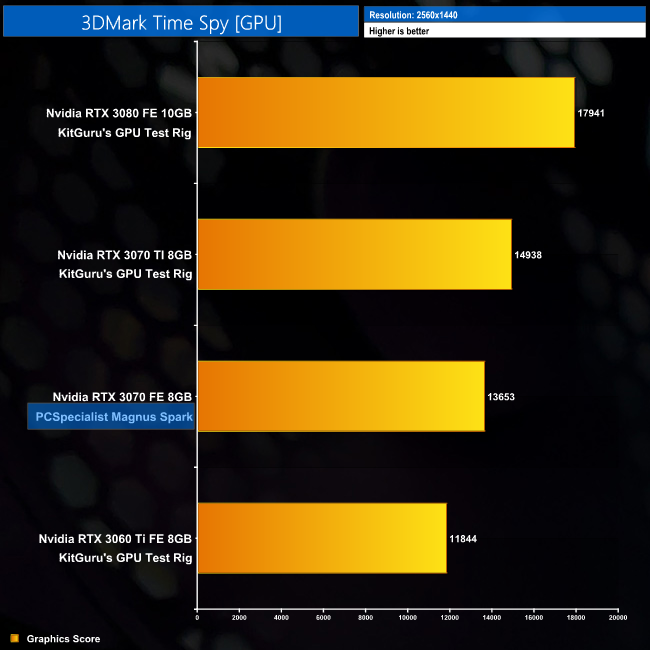
On the GPU side of Time Spy, the Gigabyte RTX 3070 Ti hits 14938 points, which is over 1200 points more than the RTX 3070 FE. Compared to an RTX 3080 however, it lags behind by 3003 points, though that is to be expected.
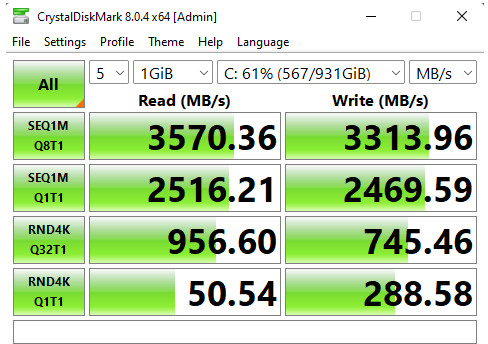
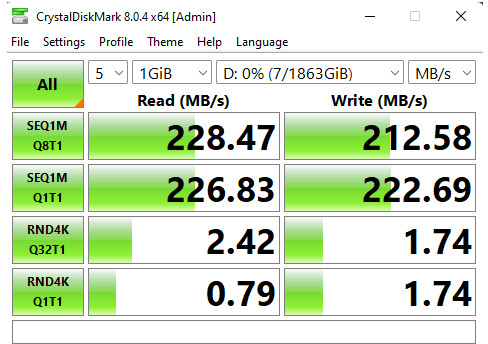
Above: Samsung 970 Evo Plus 1TB, left. Seagate Barracuda 2TB HDD, right
Our Samsung 970 Evo Plus performed exactly as expected in CrystalDiskMark 8, with reads of 3570 MB/s and writes of 3313 MB/s. Our secondary drive, the Seagate Barracuda again, as expected scored 228 MB/s reads with 212 MB/s. It certainly does open your eyes to how far storage has come over recent years but overall having this extra capacity is great, providing you have a little bit of patience during game loading times.