KitGuru KitGuru.net – Tech News | Hardware News | Hardware Reviews | IOS | Mobile | Gaming | Graphics Cards


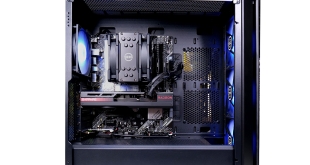
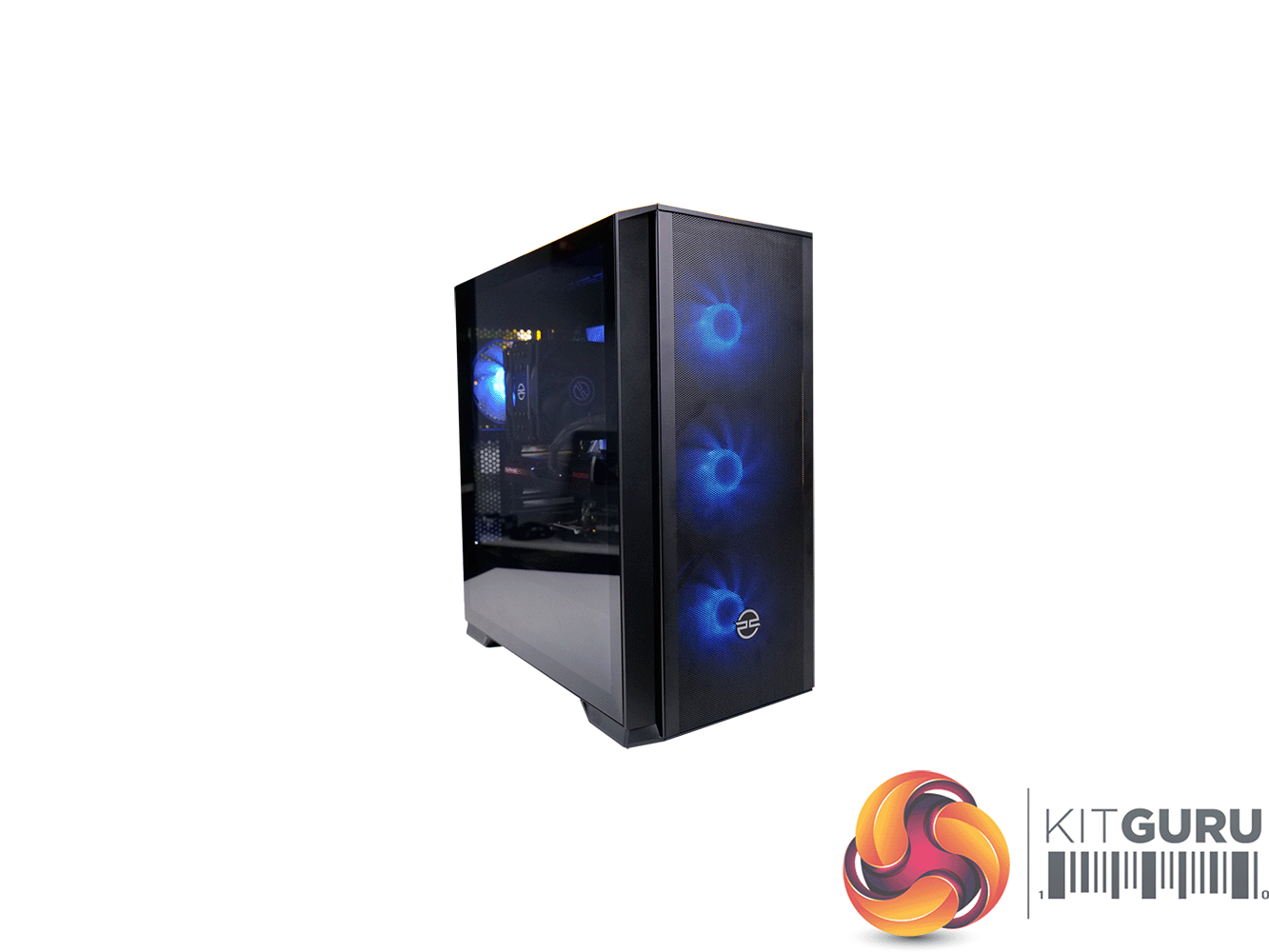
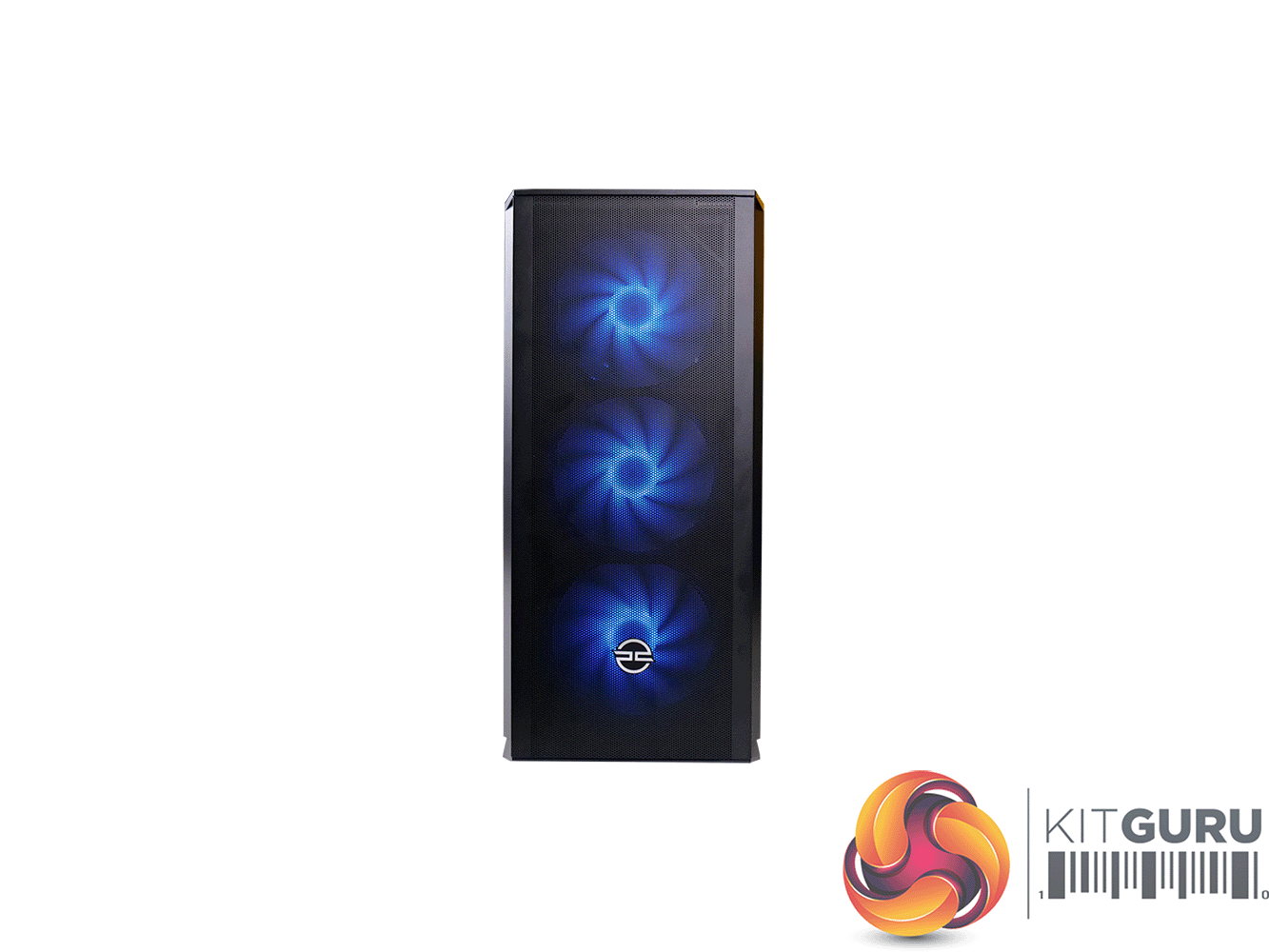
The Fusion prebuilt PC from PCSpecialist has seen its price drop to £899 for Black Friday. Today we're putting this machine through our usual testing to find out just what sort of performance it is capable of. Featuring an AMD Ryzen 7 5700X CPU and an AMD Radeon RX 7600 GPU, alongside 16GB of Corsair Vengeance memory – can this cut price computer provide value for money and a great gaming experience?
Timestamps
00:00 Start
00:47 Pricing / warranty
01:48 The spec and build
08:17 Design and aesthetics
08:57 Cable management and BIOS
09:40 Benchmarks
12:10 Game tests
15:12 Mat’s thoughts on gaming experience
16:25 Thermals / Noise / Power
18:11 Closing thoughts
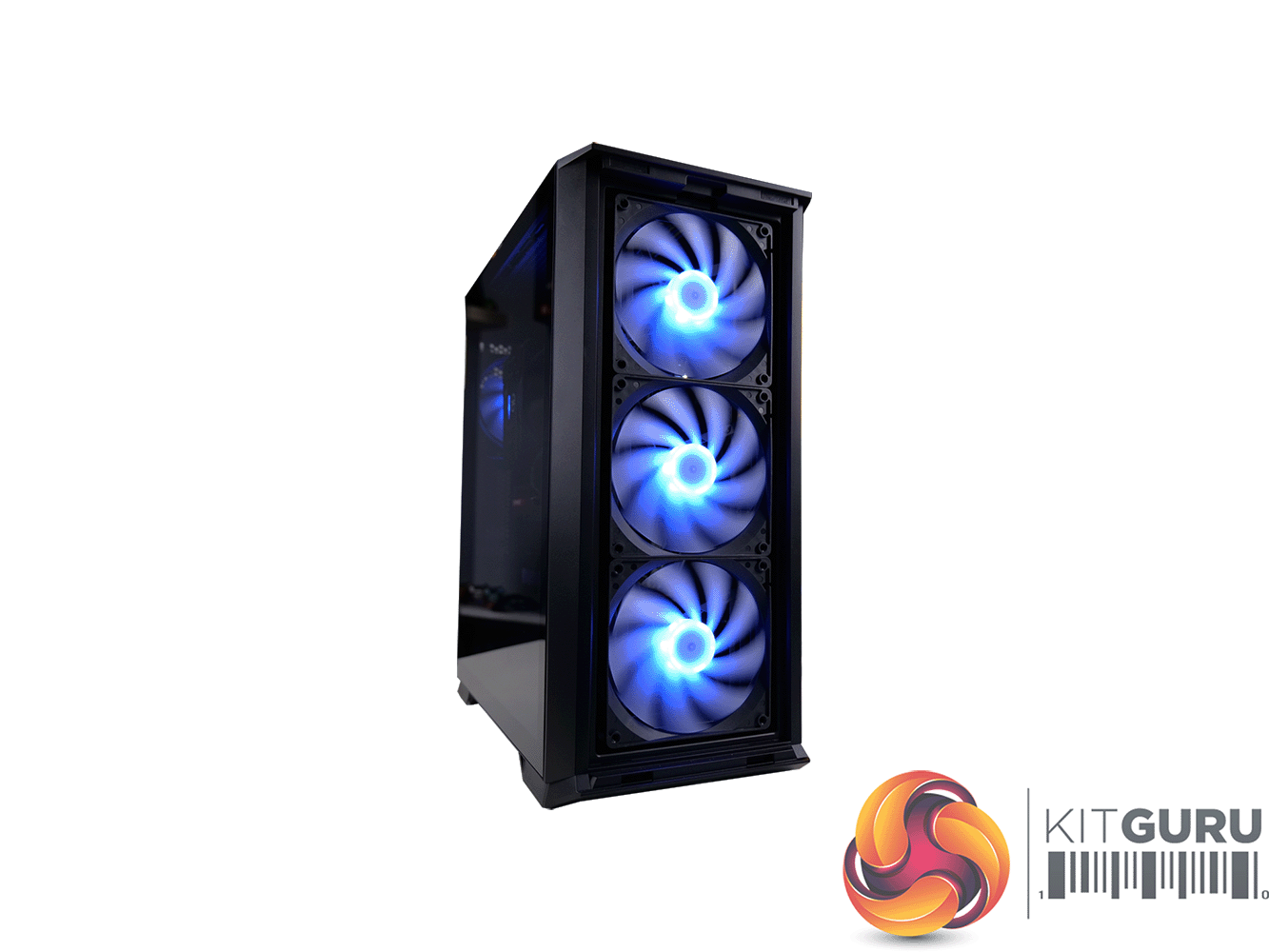
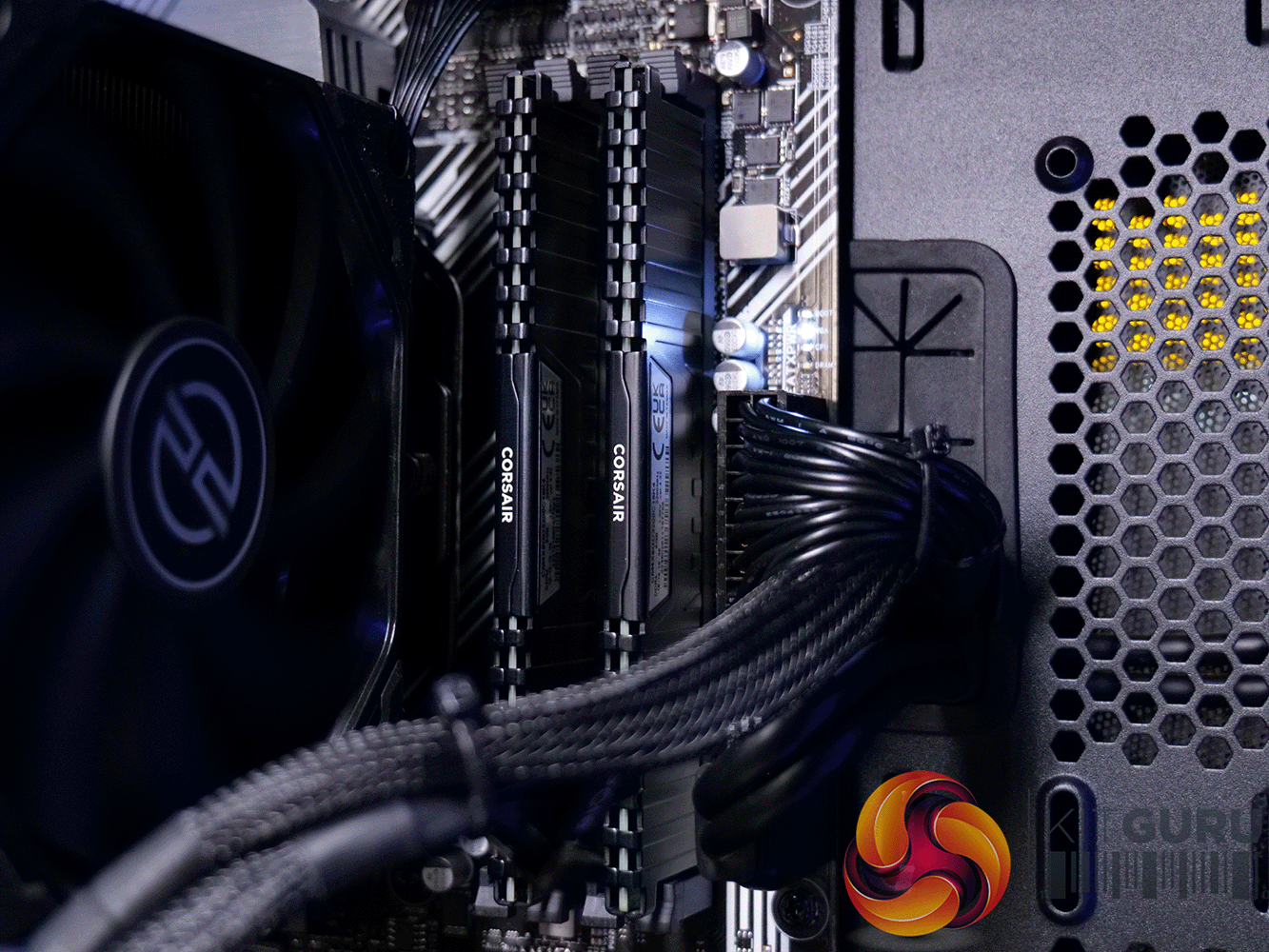
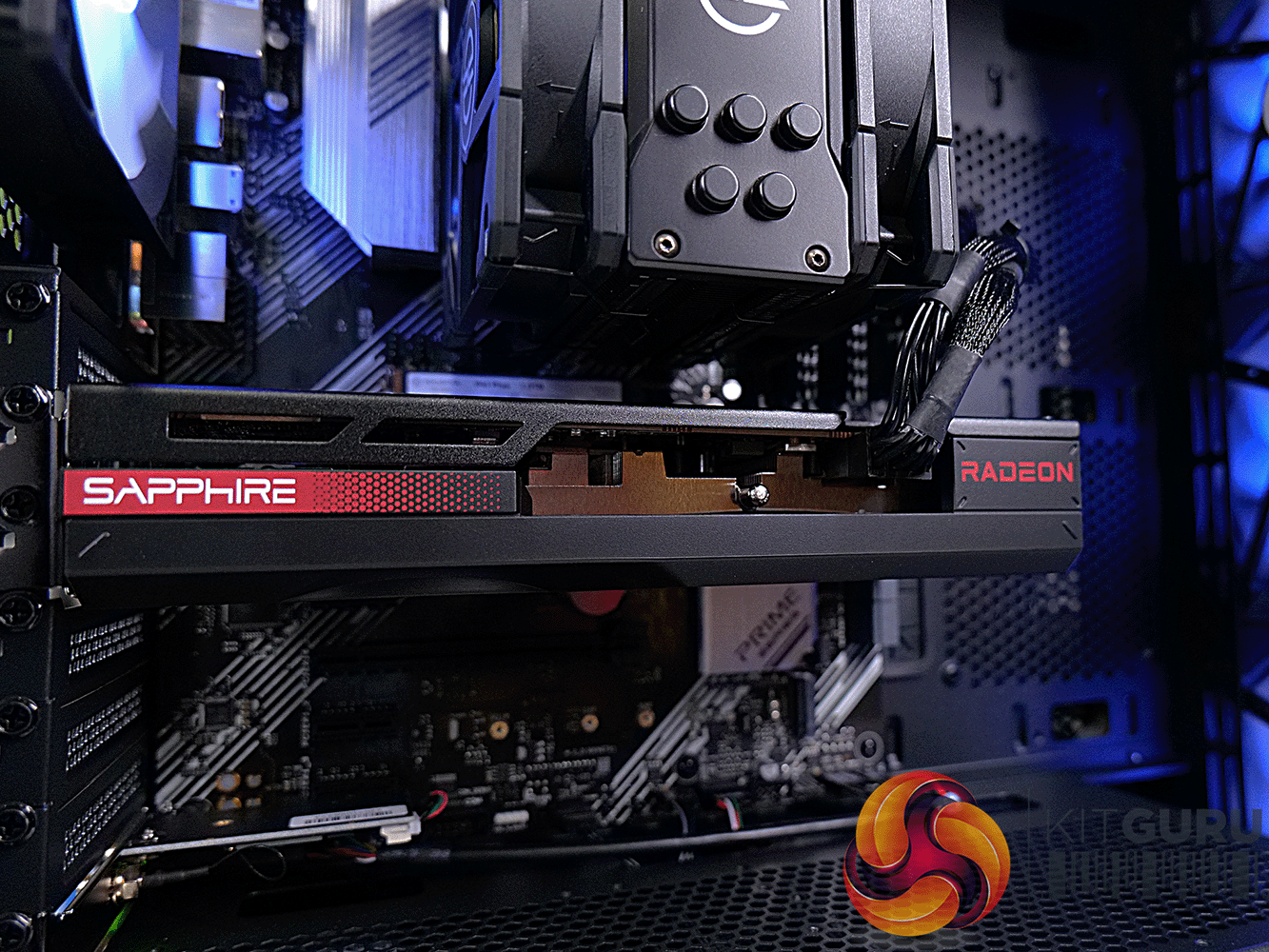
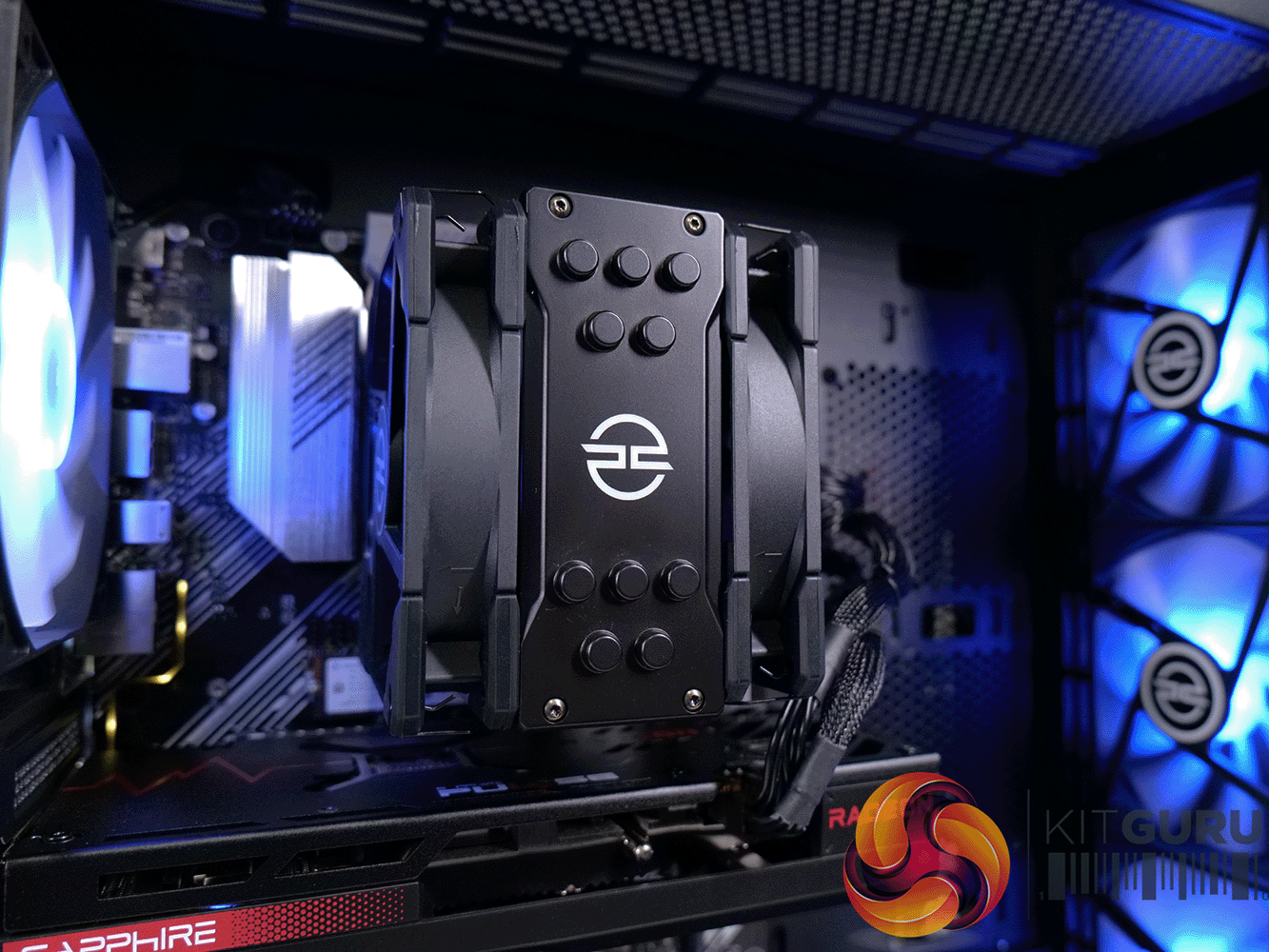
Specification
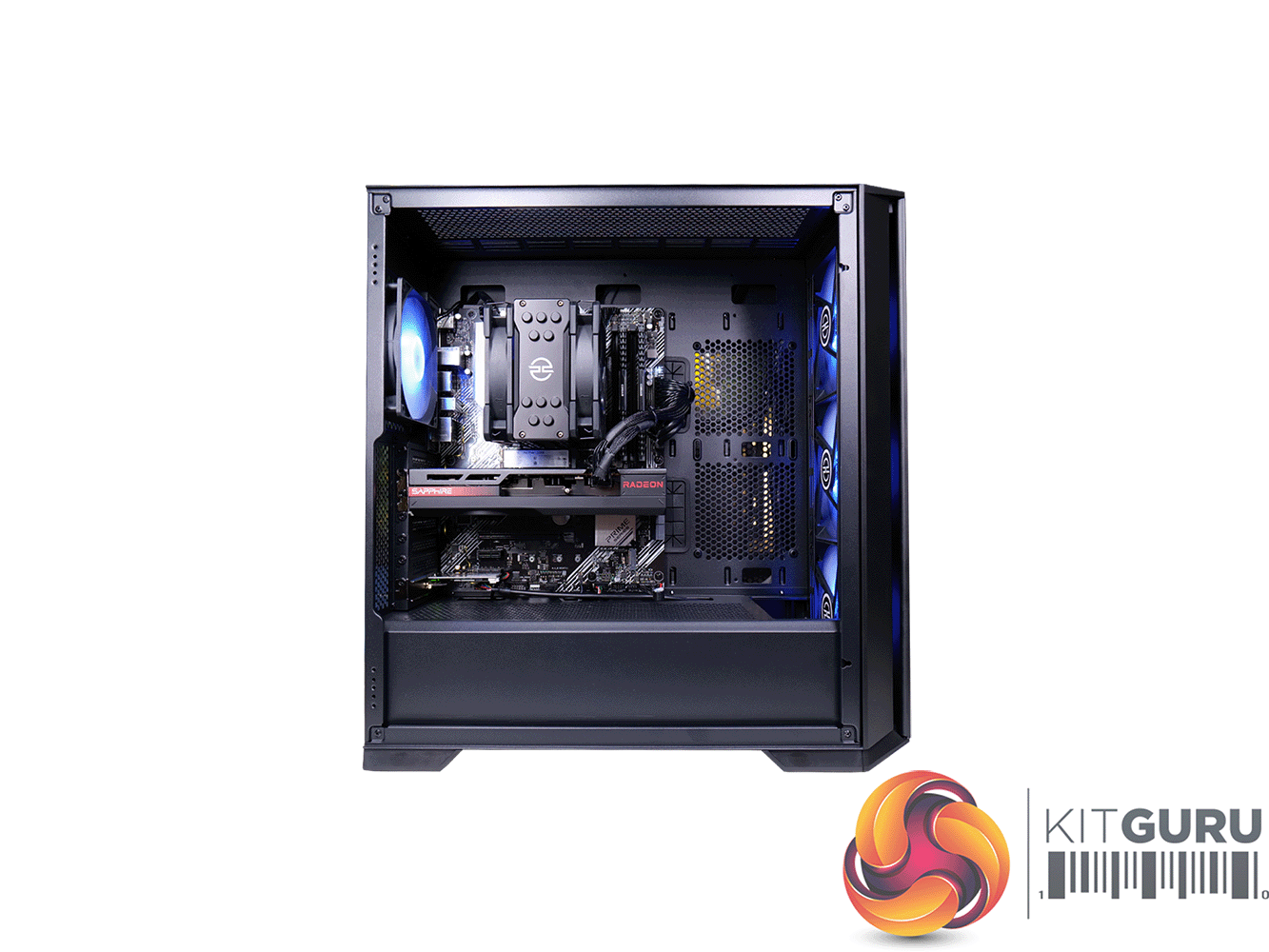
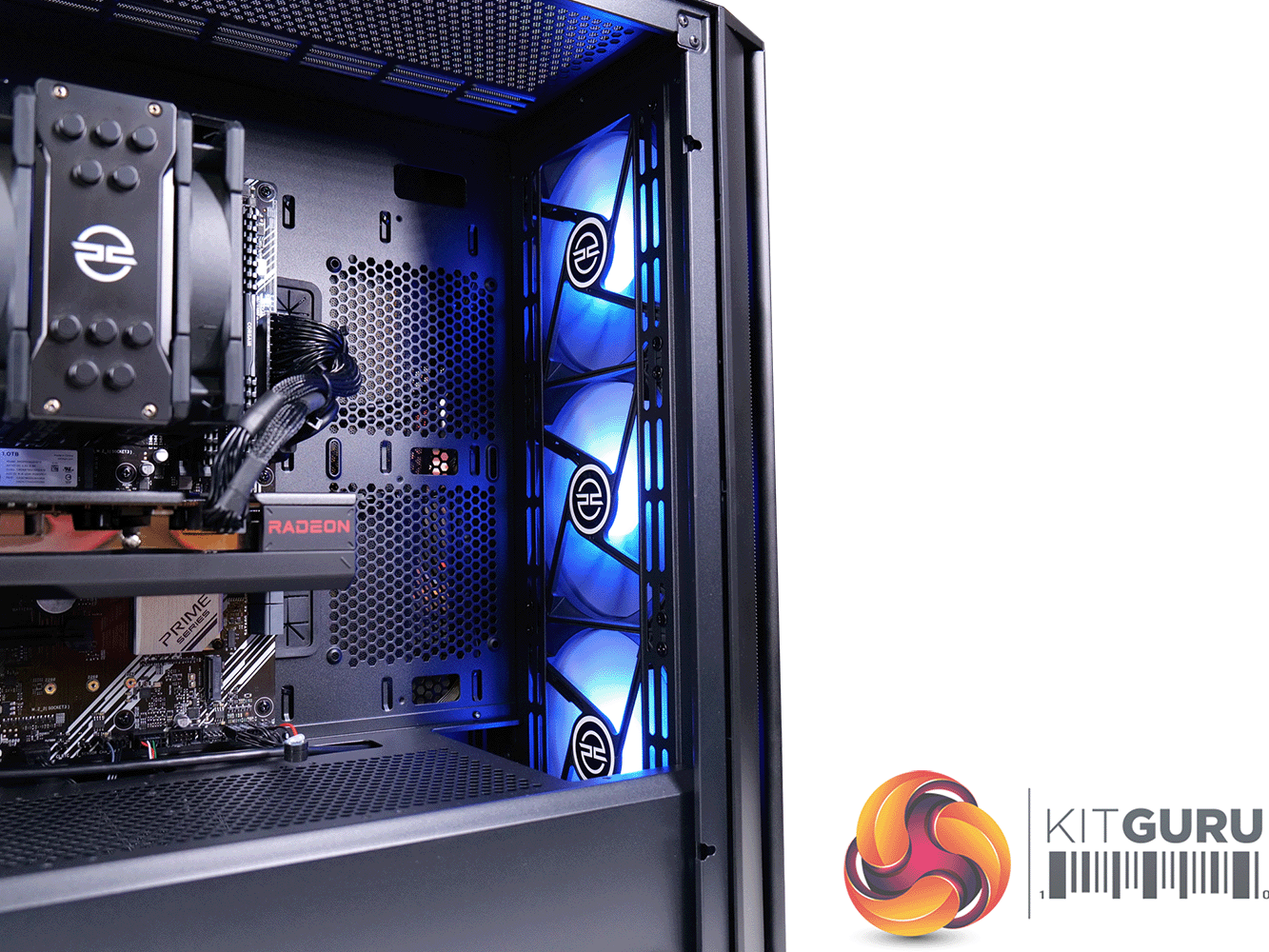
- Case – PCS SPECTRUM II ARGB MID TOWER CASE (PWM)
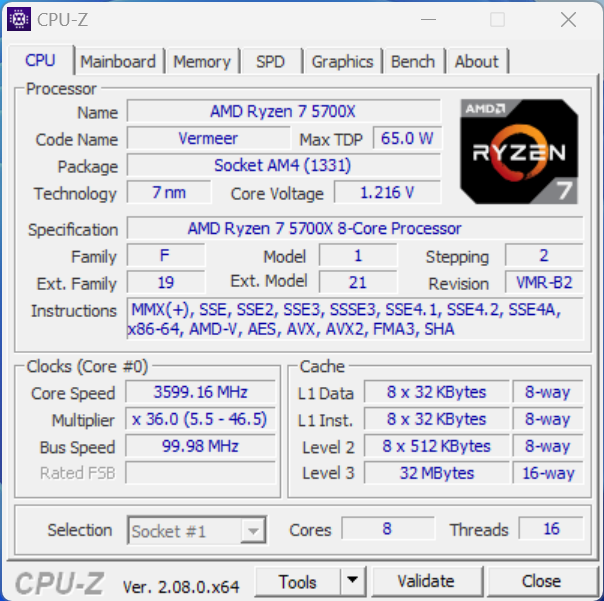
- Processor (CPU) – AMD Ryzen 7 5700X Eight Core CPU
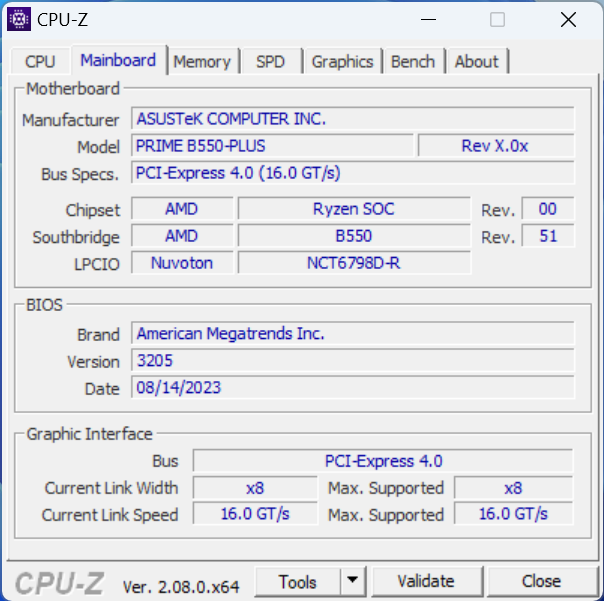
- Motherboard – ASUS® PRIME B550-PLUS
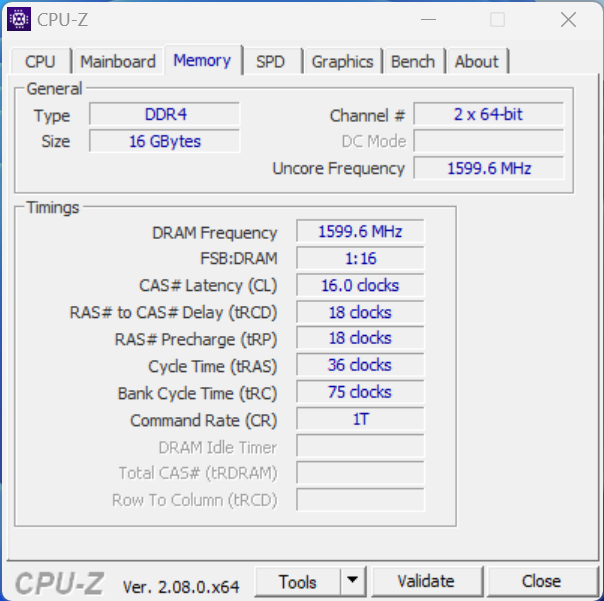
- Memory (RAM) – 16GB Corsair VENGEANCE DDR4 3200MHz (2 x 8GB)
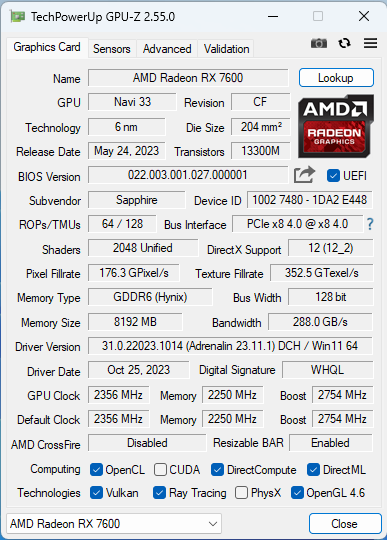
- Graphics Card – 8GB AMD RADEON™ RX 7600 – HDMI, DP – DX® 12
- SSD Drive – 1TB SOLIDIGM P41+ GEN 4 M.2 NVMe PCIe SSD
- Power Supply – CORSAIR 550W CV SERIES™ CV-550 POWER SUPPLY
- Processor Cooling – PCS FrostFlow 150 Series High Performance CPU Cooler
- Sound Card – ONBOARD 6 CHANNEL (5.1) HIGH DEF AUDIO
- Network Card – 10/100/1000 GIGABIT LAN PORT
- Wireless Network Card – WIRELESS INTEL® Wi-Fi 6E AX210 2,400Mbps/5GHz, 300Mbps/2.4GHz PCI-E CARD + BT 5.0
- Operating System – Windows 11 Home 64 Bit
The core specs are confirmed in the following CPU-Z and GPU-Z screenshots: