KitGuru KitGuru.net – Tech News | Hardware News | Hardware Reviews | IOS | Mobile | Gaming | Graphics Cards


It has only been a few months since Square Enix announced that it was selling off multiple western studios and their IP to Embracer Group in a deal worth $300M. While some larger deals take a year or more to complete, this one was wrapped up pretty quickly, with Embracer announcing today that the deal completed.
As of today, Embracer Group now owns Eidos Montreal, Crystal Dynamics and soon to be renamed studio, Square Enix Montreal. Together, these three studios will make up Embracer's 12th operative group and will be overseen by Embracer exec, Phil Rogers.
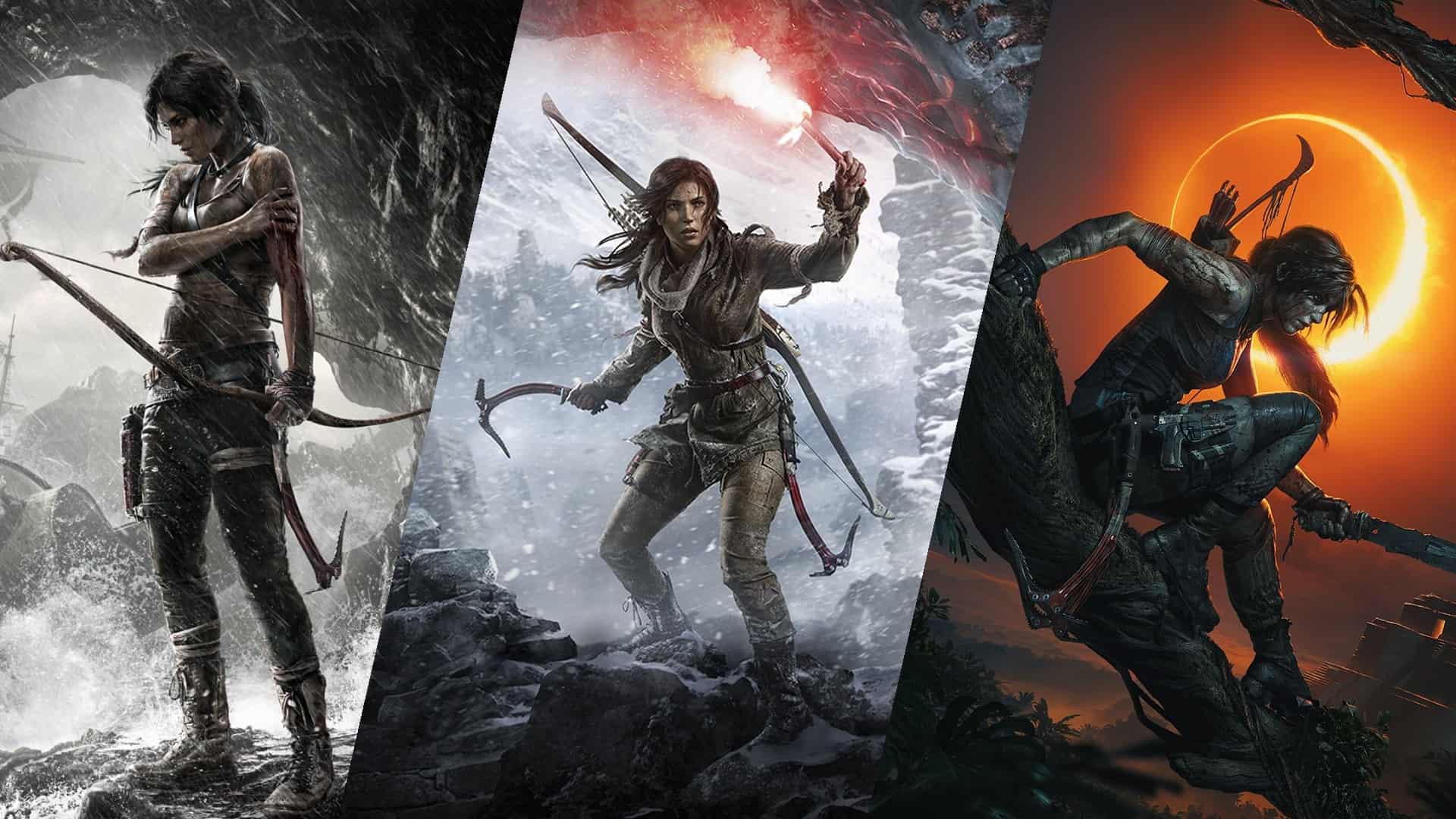
Aside from the studios themselves, Embracer has also acquired a treasure trove of IP. Unfortunately, the company hasn't confirmed the entire catalogue of games it now has the rights to, but we do know that Embracer now owns Deus Ex, Thief, Tomb Raider and even Legacy of Kain, which is considered a cult classic and is a prime candidate for a modern revival.
Discuss on our Facebook page, HERE.
KitGuru Says: Crystal Dynamics is already working on the next Tomb Raider, and Eidos is apparently working on a new IP, and presumably, Square Enix Montreal is also working on something, so all three studios are ready to hit the ground running.