KitGuru KitGuru.net – Tech News | Hardware News | Hardware Reviews | IOS | Mobile | Gaming | Graphics Cards


It has been over a year since Nvidia unveiled Half-Life 2 RTX, a newly modded version of Valve's beloved shooter, developed by the team at Orbifold Studio. At Gamescom this week, we got our latest look at the game with its fully ray-traced makeover.
Half-Life 2 RTX is being developed with Nvidia's RTX Remix toolkit. The team behind the project is working with over 100 artists to breathe new life into the iconic levels of Half-Life 2, with 4K textures, ray-traced lighting and more. In our latest look at the game, we get to take a good long look at the legendary Nova Prospekt level of the game, which has now been fully remastered.
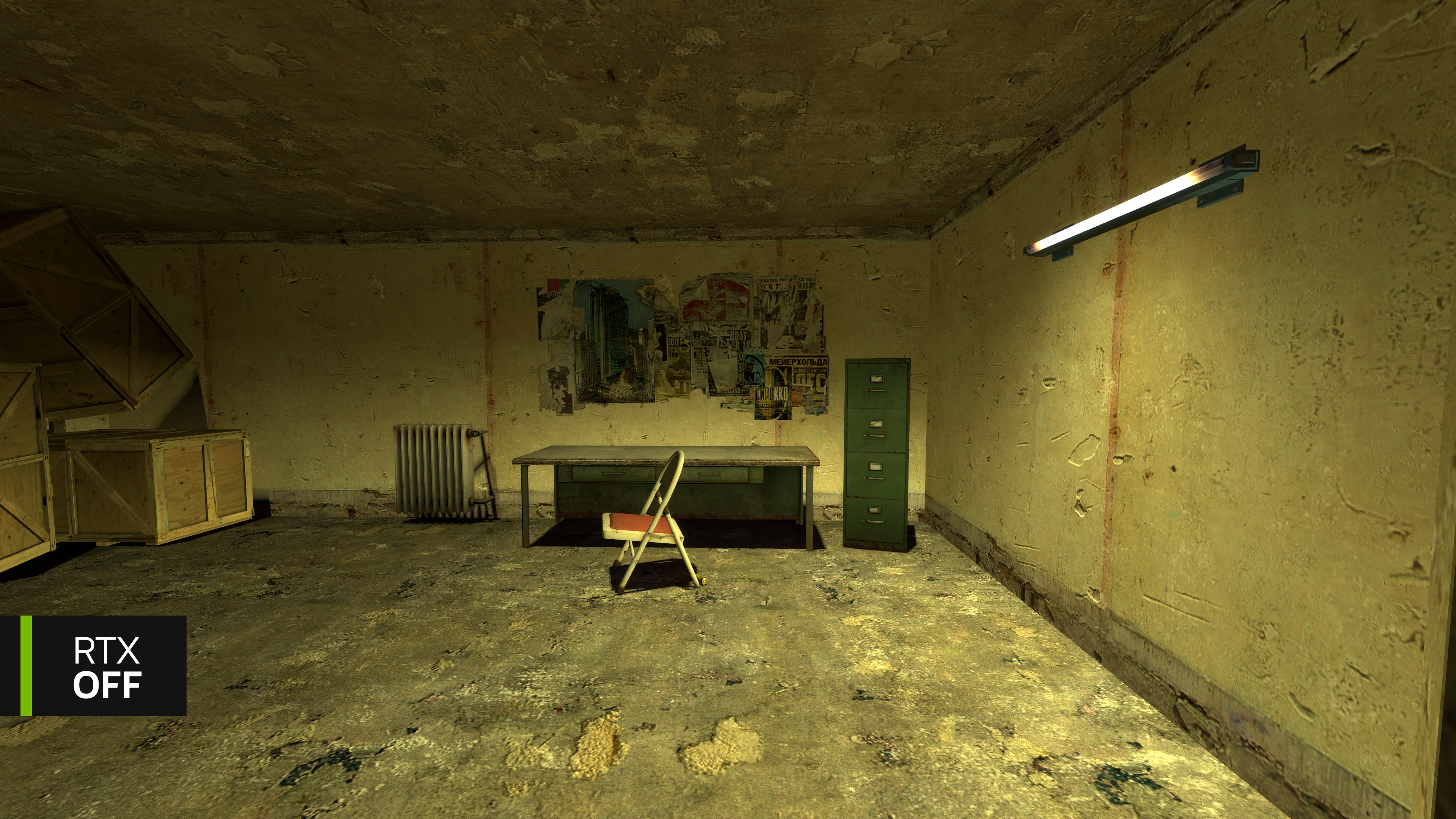
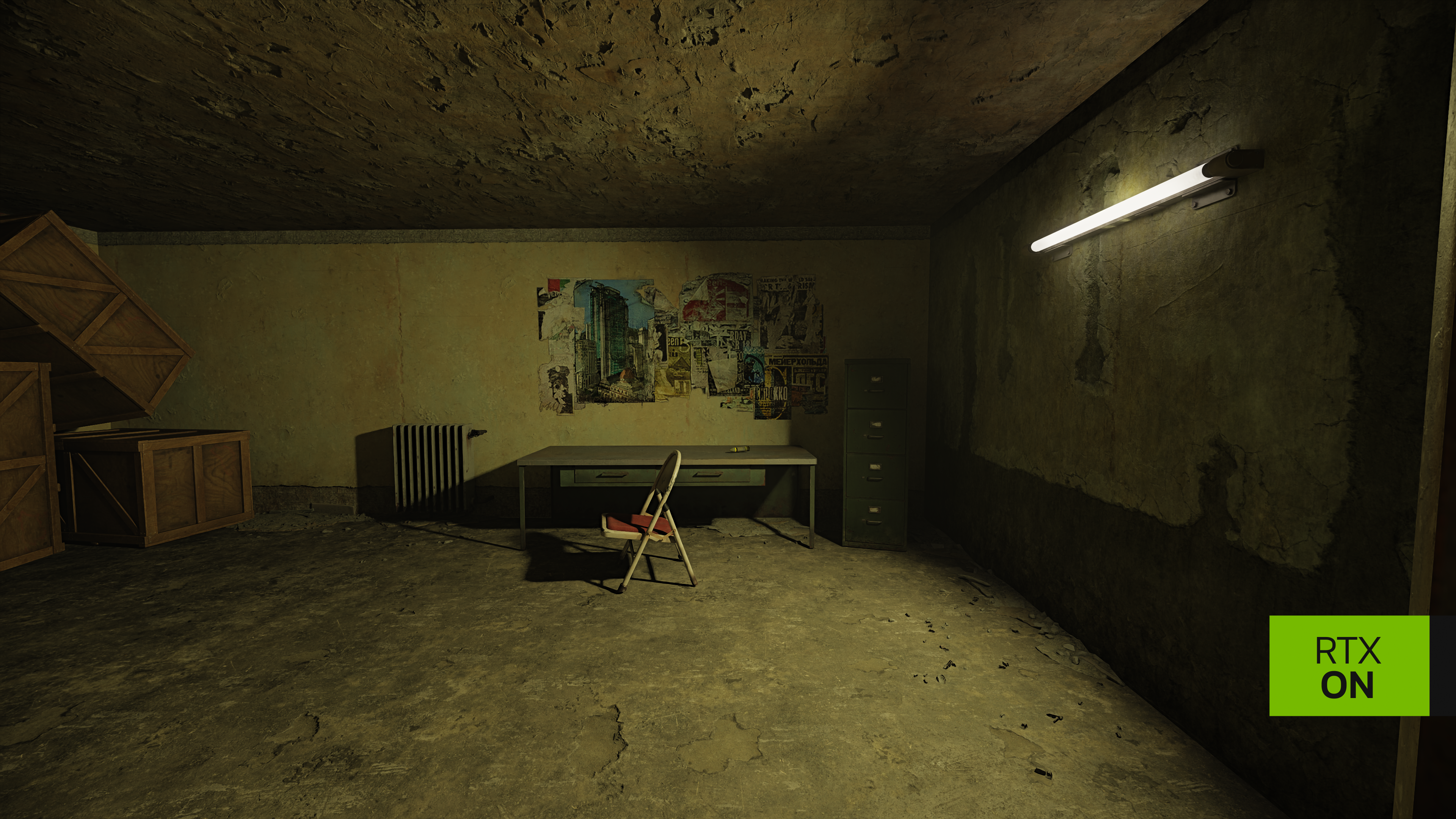
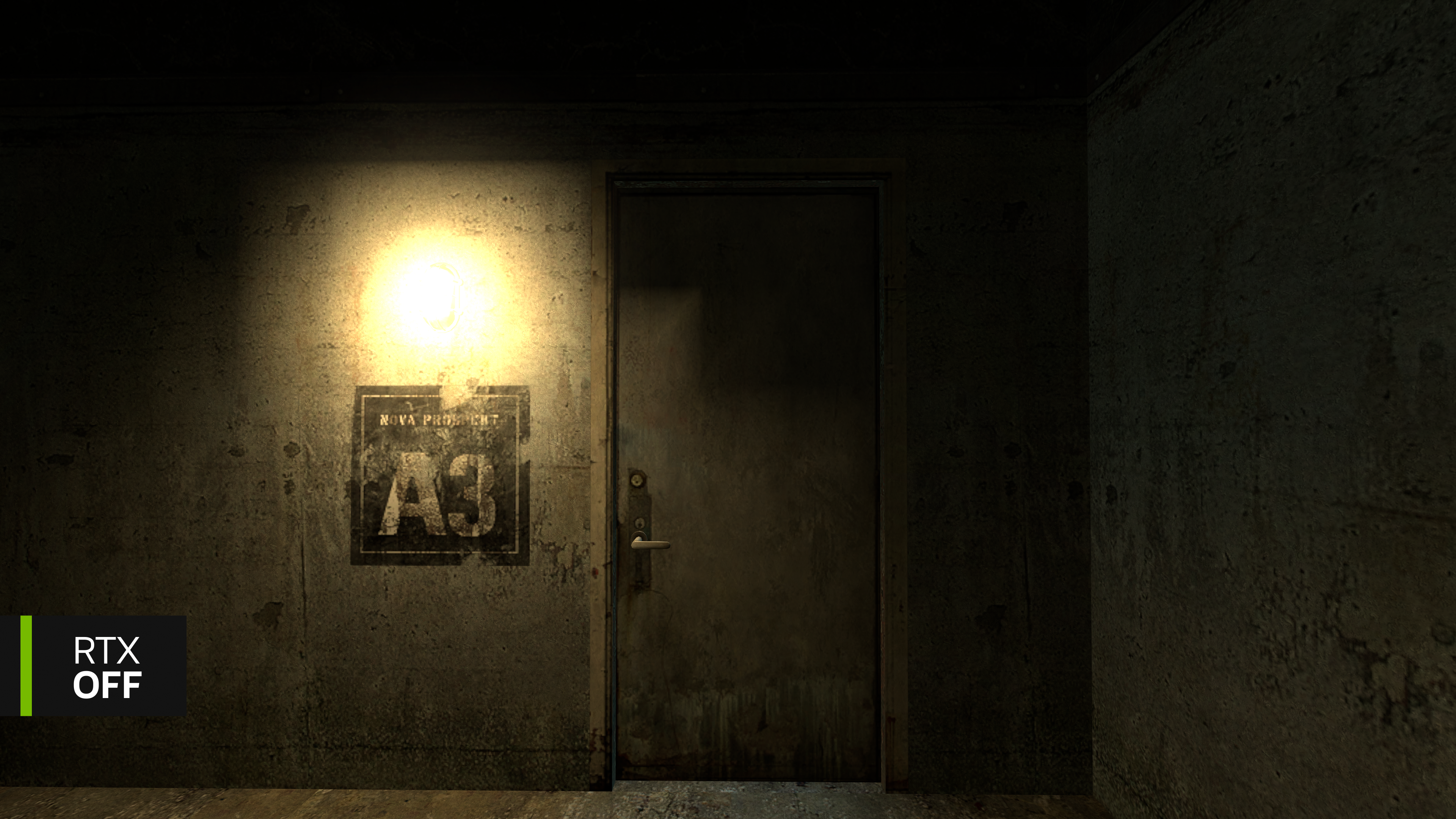
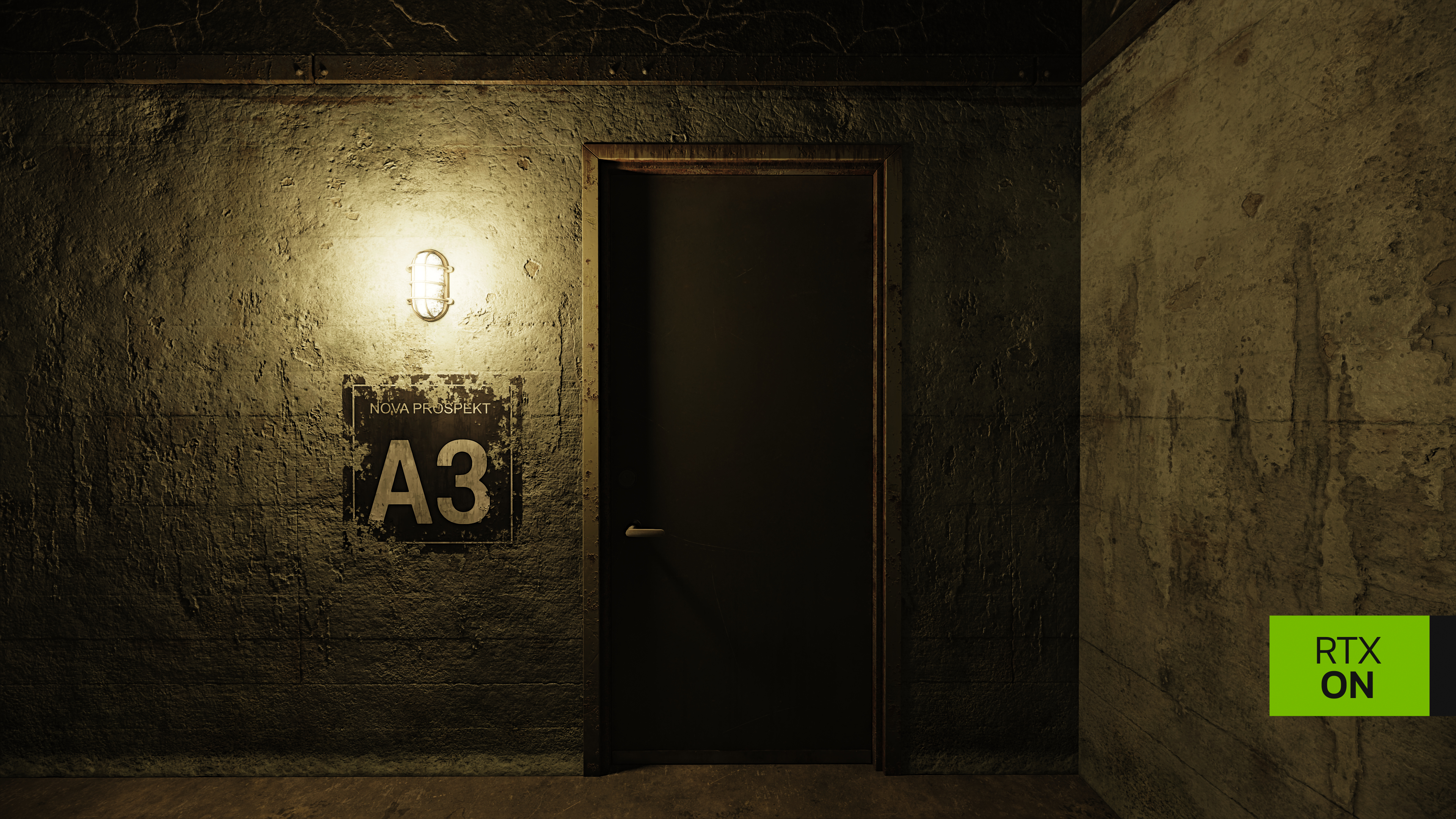
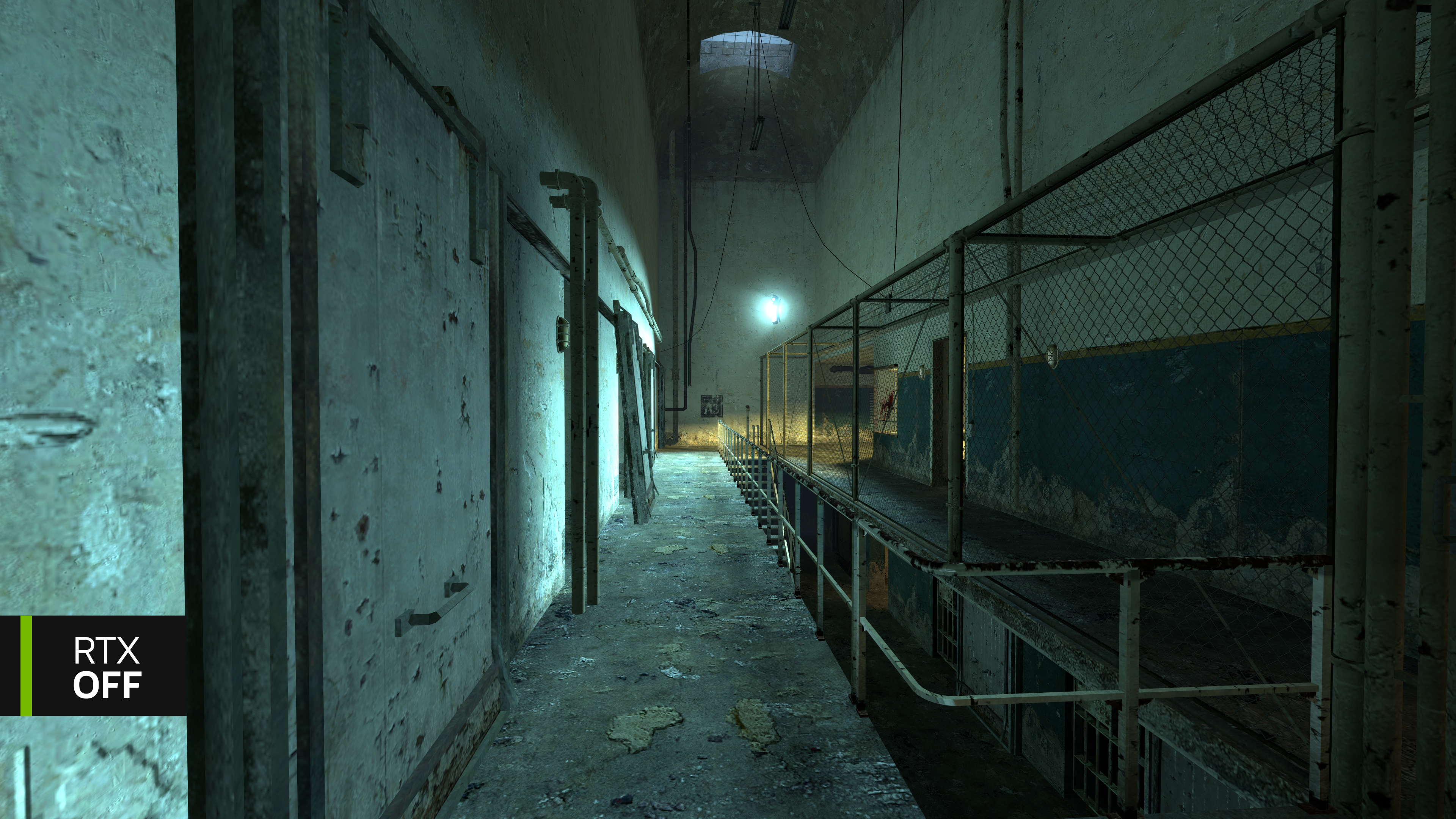
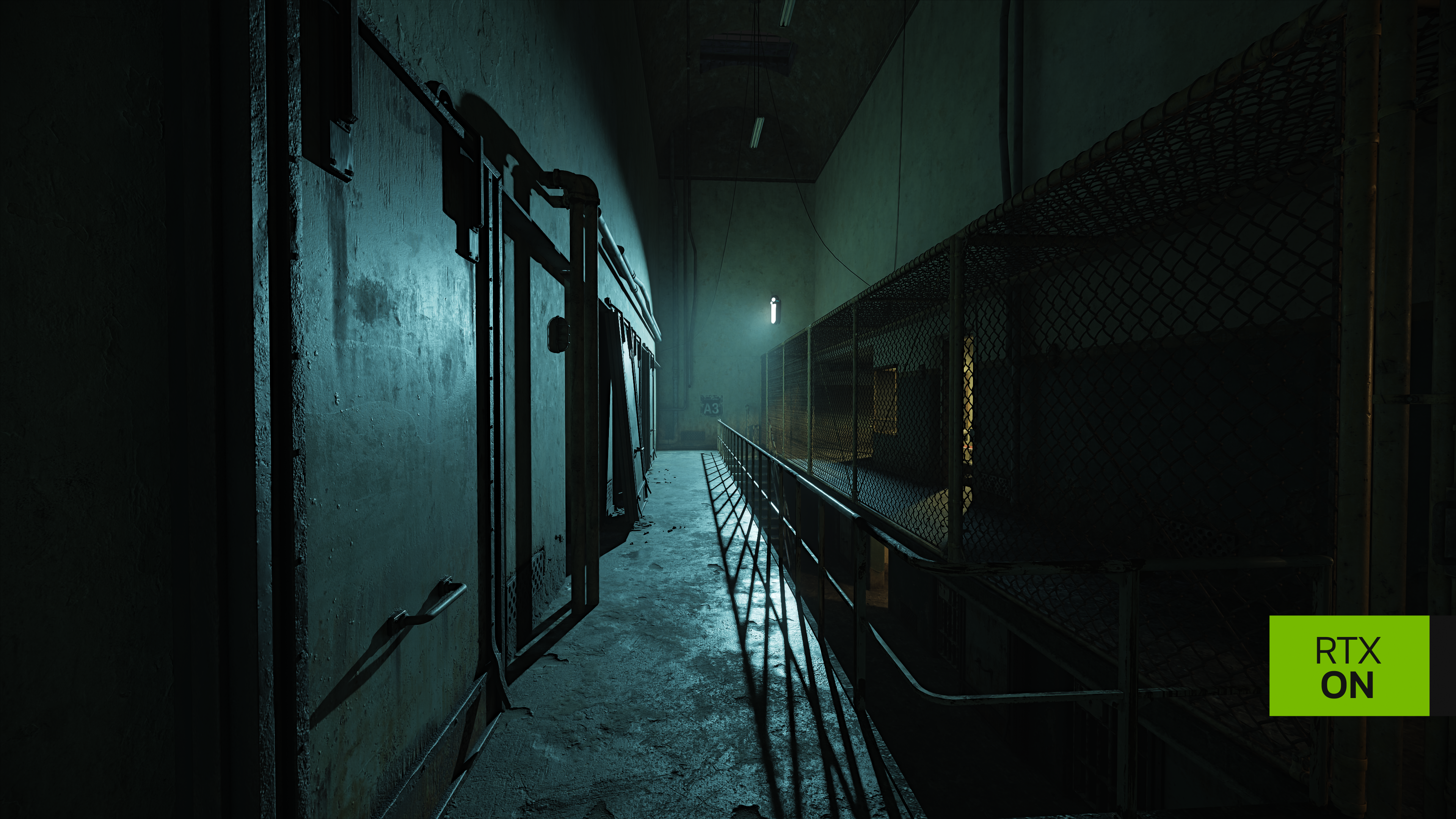
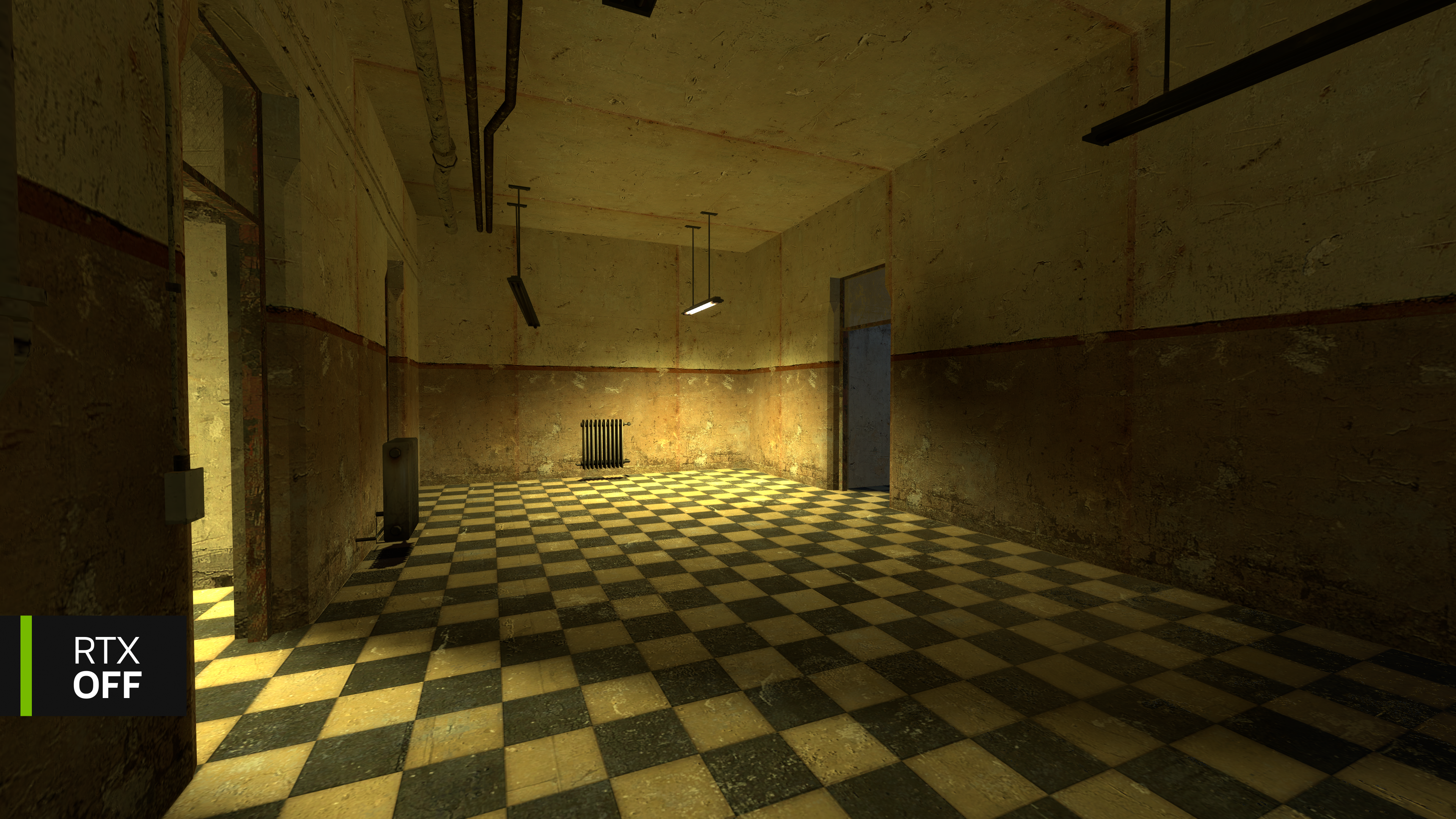
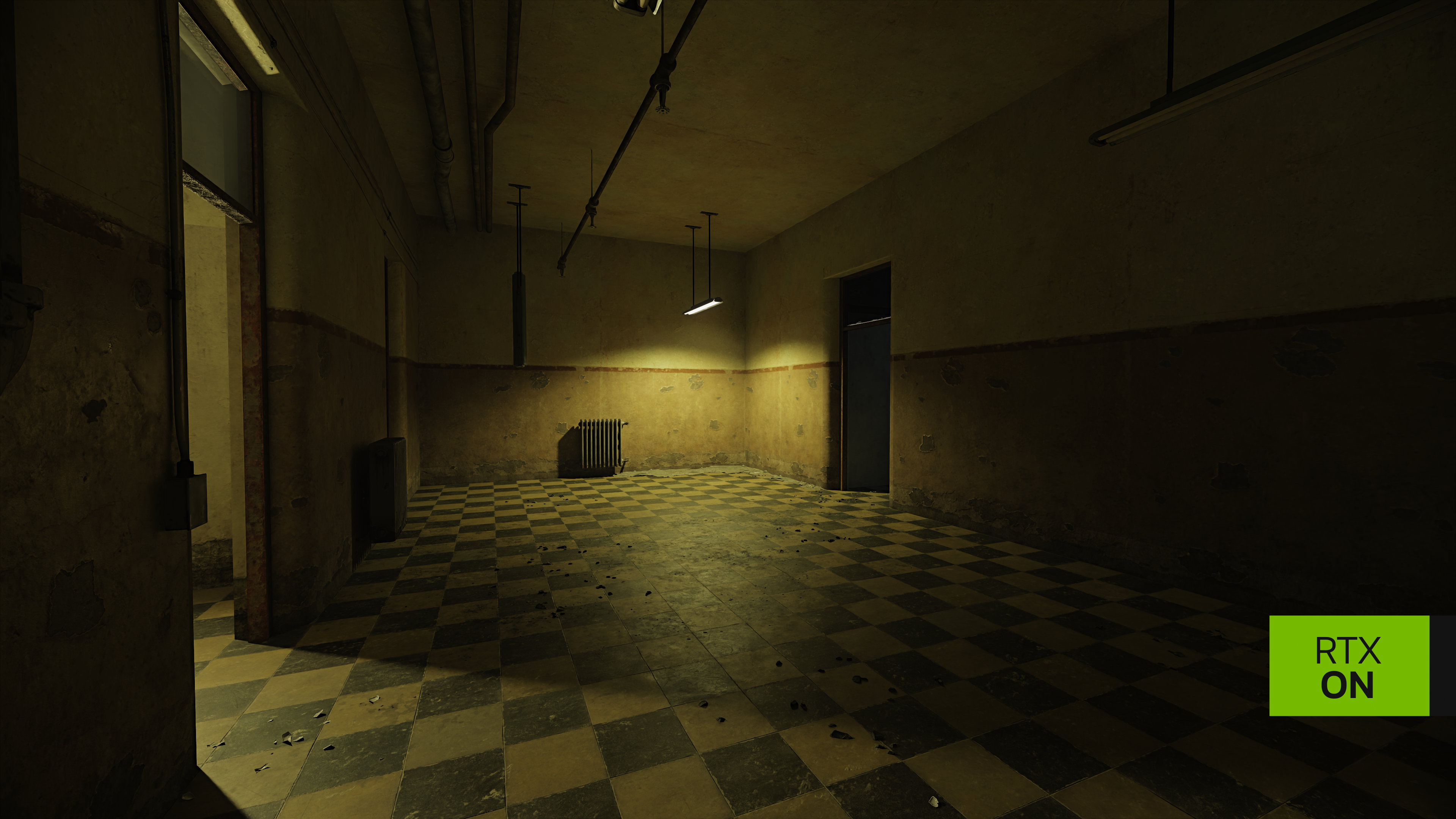
The gallery above shows various screenshots from this level with RTX on and off for comparison. If you happen to be attending Gamescom this week, then you can even get some hands-on time with the game at the Nvidia booth, where demo stations will be set up with Half-Life 2 RTX running. It is a limited demo though, so you'll only get to explore Nova Prospekt, with the development team keeping other parts of the game under wraps for now.
There is still no release date for Half-Life 2 RTX, but Orbifold Studios seems to be making good progress. Aside from ray-tracing and 4K textures, this new version of the game also includes new assets and models to get the entire game looking better than ever. With DLSS 3.5, you can also minimise the performance loss from switching ray-tracing on without losing visual lustre.
Discuss on our Facebook page, HERE.
KitGuru Says: Half-Life 2 RTX is shaping up well. Hopefully by Gamescom next year, we'll have the full game in our hands.