KitGuru KitGuru.net – Tech News | Hardware News | Hardware Reviews | IOS | Mobile | Gaming | Graphics Cards


PlayStation Studios is welcoming a new member to the family this week – Savage Game Studios. Under the PlayStation banner, Savage will now focus primarily on expanding Sony's mobile game development activities.
Savage Game Studios is actually pretty new to the market, having been founded in 2020. Since then, the company has opened up two offices in Europe, one in Berlin, and another in Helsinki. While the studio itself is new, the company is founded by industry veterans, including Michail Katkoff (Rovio, Zynga, Fun Plus, Supercell), Nadjim Adjir (Wargaming, Rovio, Gree), and Michael McManus (Wargaming, Insomniac, Kabam).
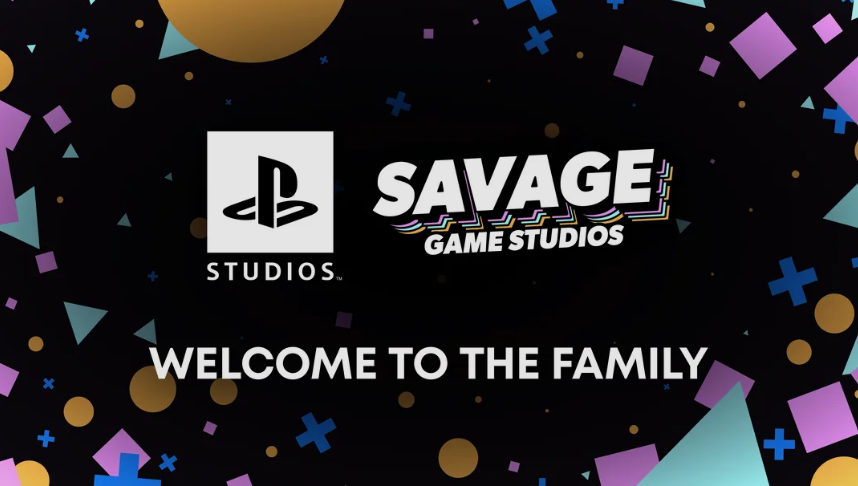
Savage is now working on a ‘AAA live service mobile game', which has yet to be officially revealed publicly. Savage will also work on other projects utilising PlayStation IP and expanding their presence to the mobile platform in an effort to reach new audiences. Previously, in 2021, Savage received funding to develop a mobile shooter. It is unclear if this game is the same one Sony just teased, or if that was a separate project that may or may not still be in production.
Much like Sony's efforts on PC, mobile game development is seen as ‘additive' and shouldn't take any attention away from Sony's continued development of high-quality single-player titles for PlayStation consoles.
Discuss on our Facebook page, HERE.
KitGuru Says: What PlayStation franchises do you expect to see heading to mobile platforms in the future?